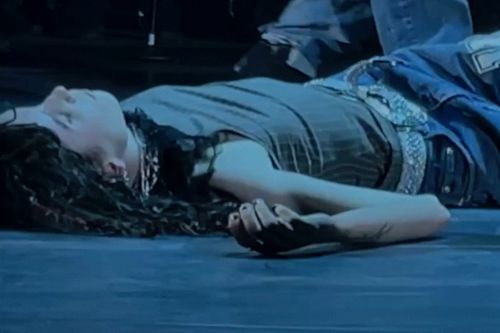
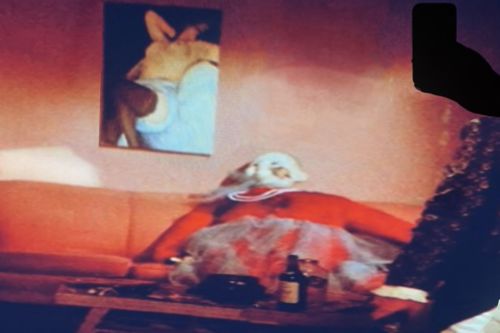
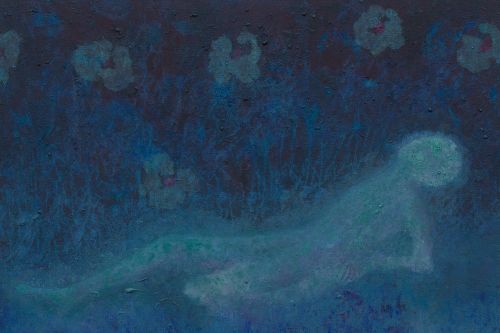
Anne Imhof (*1978) has emerged over the past decade as one of the most acclaimed artists of her generation. Today based between Berlin and New York, Imhof spent her formative years in Frankfurt am Main, where she taught herself to draw and make music while working as a bouncer at a local night club. Before eventually enrolling at the city’s academy of fine arts, Städelschule, she staged what she later designated the first entry to her catalogue raisonné: a one-night only performance in a red light district bar. She invited two boxers to take part and recruited a band. The boxers were told that the fight should last for as long as the music was playing, while the band were instructed to play for as long as the boxers were fighting. Imhof explained: “It was all pretty red—the table dance bar and the noses. Looking back on it I realized that it had been one way to create a picture.”


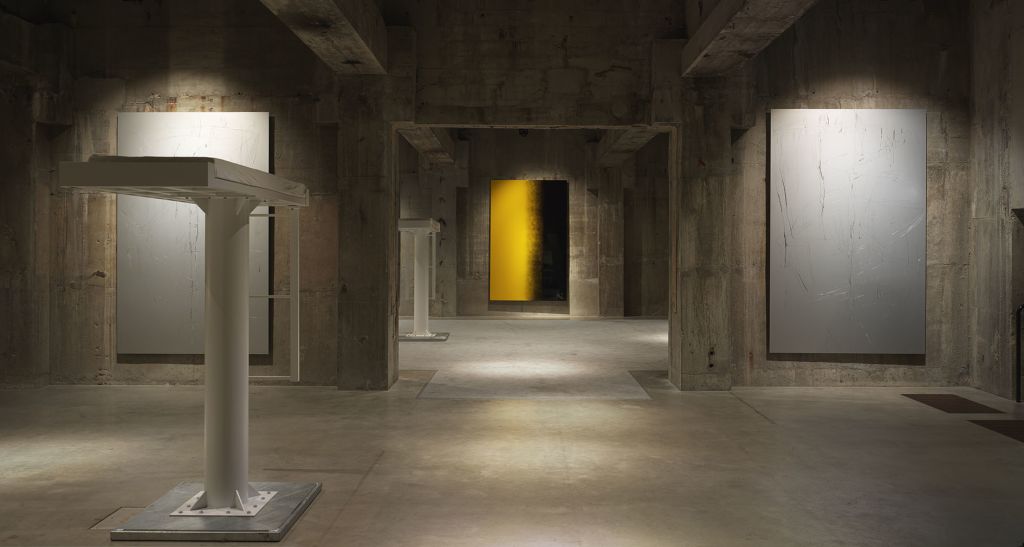






Anne Imhof
House of Swans
Tai Kwun Contemporary, Hong Kong
September 25, 2026–January 3, 2027
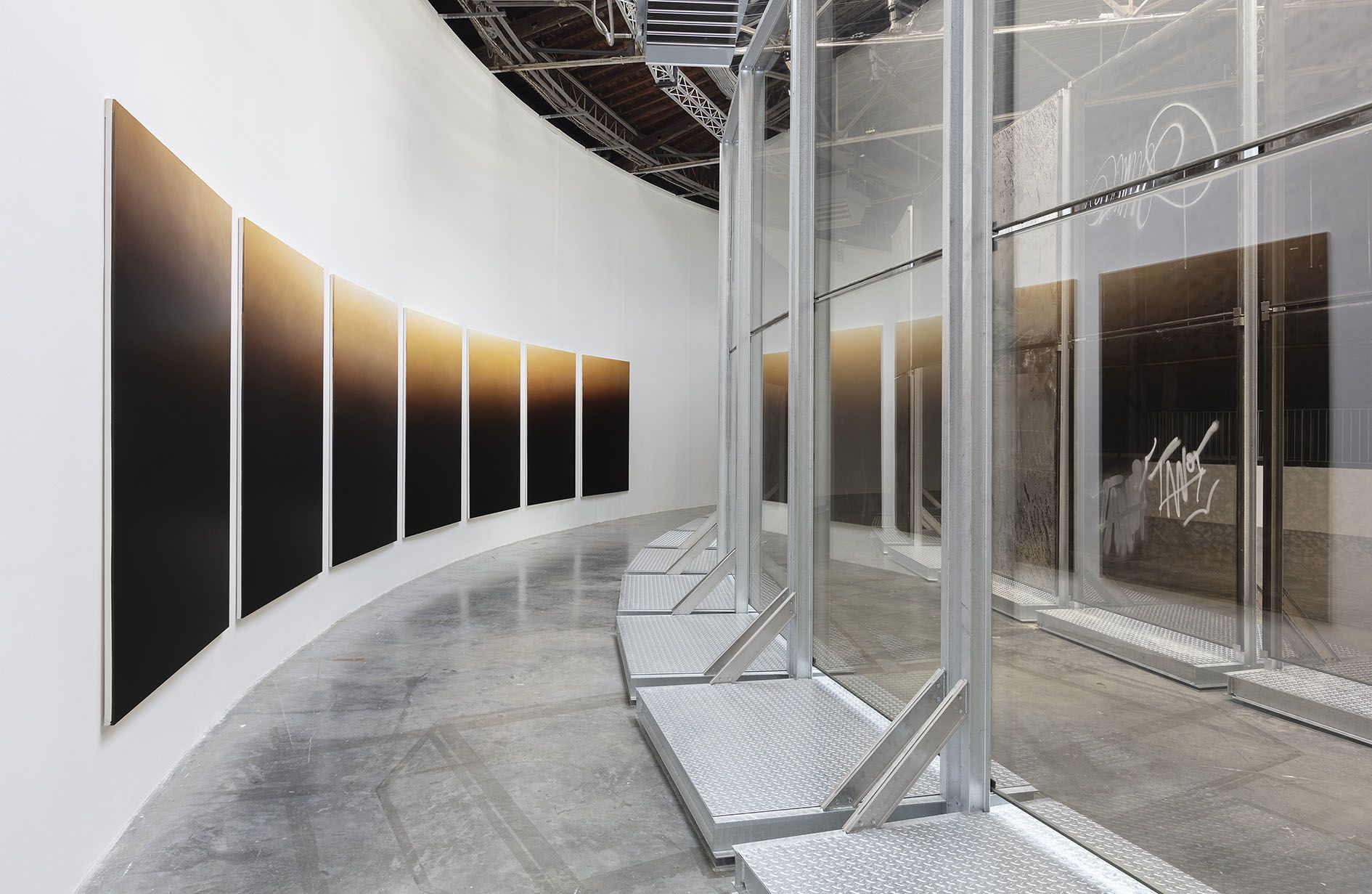
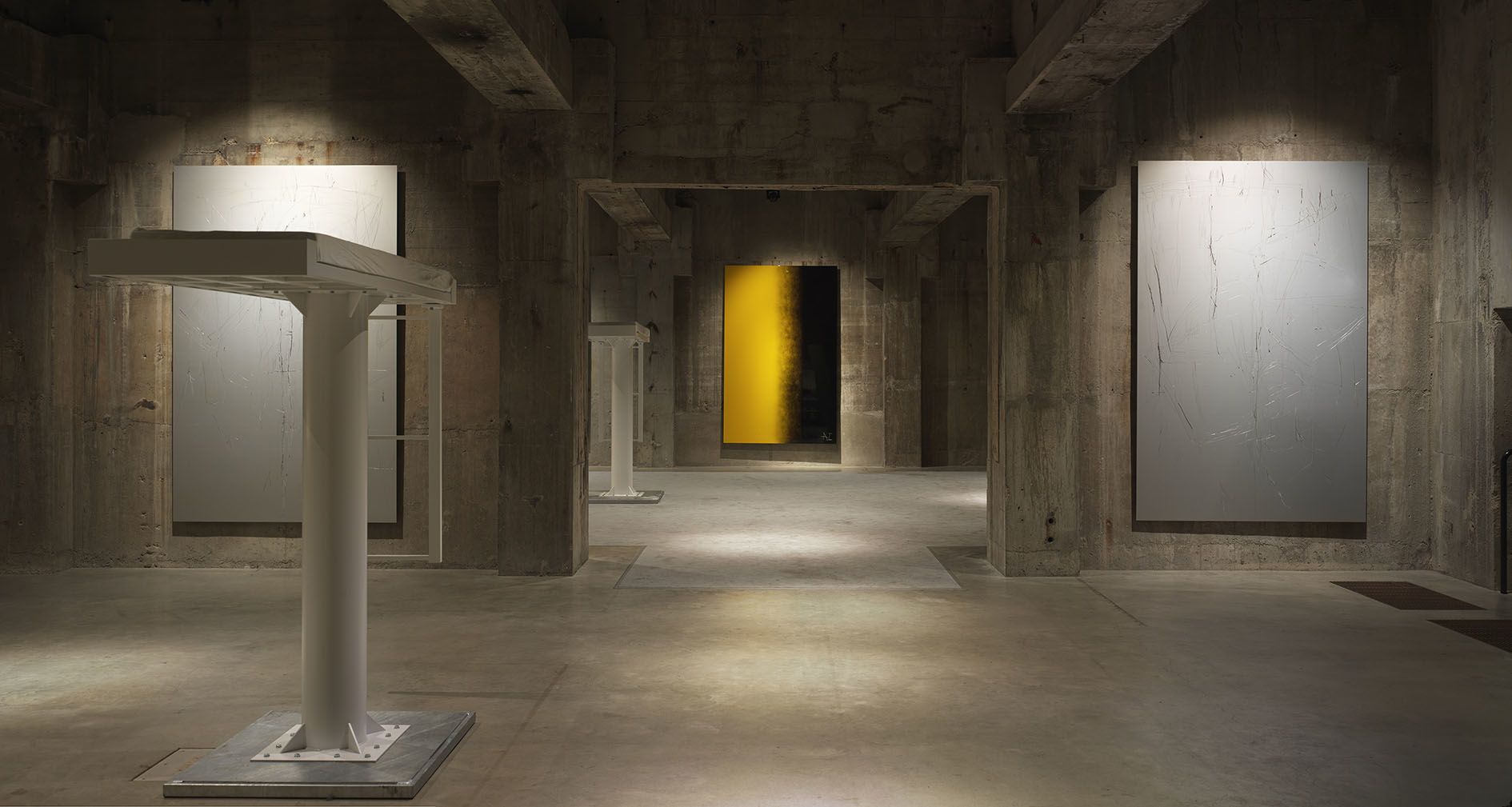
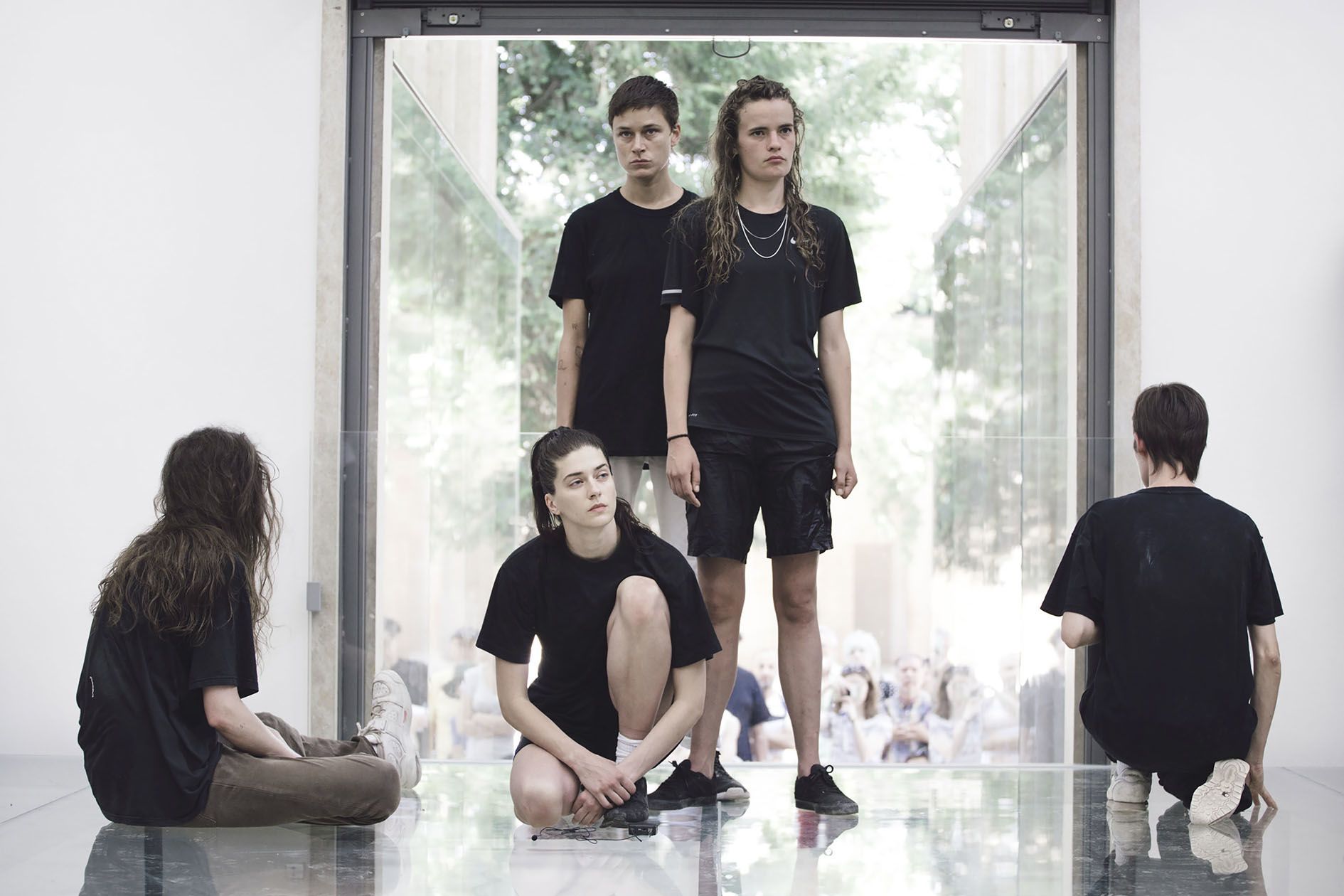
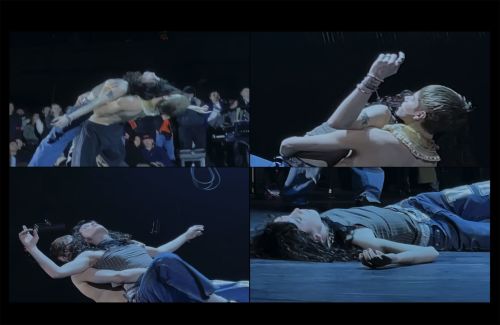
For her first solo exhibition in Asia at Tai Kwun this fall, Anne Imhof is bringing together a significant survey of key works alongside a new commission, inviting audiences into her distinctive world. The recipient of the Golden Lion at the 2017 Venice Biennale, Imhof is known for her precise choreography of bodies, attention and atmosphere. The artist constructs environments that feel at once intimate and monumental, unfolding across time and space and prompting viewers to consider how power, vulnerability and presence are staged. This ambitious presentation – where performance, image, sound and architecture converge to create charged, immersive encounters – offers audiences a rare opportunity to experience one of today’s most influential artistic voices in an expanded, embodied encounter.
Learn more