Rooted in the shadows of trauma, repression, and social unrest, horror channels our deepest anxieties and weaves fictions that probe the intersection of societal collapse and psychological unease.

In conceiving this exhibition, Jill Mulleady was inspired by the long history of horror in film and literature, as well as by Mike Kelley’s 1993 group exhibition and publication, The Uncanny, a curatorial statement which explored the complex interplay of recognition, memory, and repression.


Contemporary art gallery interior with large rust-red abstract painting, black sculptural pedestal, reclining figure with black hair on platform, and smaller framed artworks on white walls.


Over thirty years on, Horror takes Kelley’s project as a touchstone, moving beyond the psychological discomfort of the uncanny toward the explicit shock of horror.

Horror
Text by Jill Mulleady

The concept of the uncanny, as articulated by Sigmund Freud and later explored by artists such as Mike Kelley, centers on the unsettling psychological tension created when the familiar is revealed to be disturbingly strange—a repressed domesticity surfacing in unsettling form.

However, when we shift the critical focus from the intellectual discomfort of the uncanny to the visceral, aesthetic shock of horror, the artistic mechanism changes from one of subtle recognition to one of necessary confrontation. Horror in art is not merely the grotesque; it is the deliberate application of fear and repulsion to unlock deeper psycho-social truths.

Black sculptural form resembling draped fabric or organic shape mounted on wooden bench and aluminum elements, positioned on gallery floor.

Mike Kelley
Odalisque, 2010
Mixed media
142.2 × 292.1 × 109.2 cm | 56 × 115 × 43 inches
© 2025 Mike Kelley Foundation for the Arts. All Rights Reserved / Licensed by VAGA at Artists Rights Society (ARS), NY

More views
Wooden sculptural installation featuring mechanical elements, orange cushioning, and various wooden components assembled on natural wood base platform.

Mike Kelley
Bumper Car and Hobby Horse, 2011
Wood, silicone, plastic, and carpet
193 × 139.7 × 139.7 cm | 76 × 55 × 55 inches
© 2025 Mike Kelley Foundation for the Arts. All Rights Reserved / Licensed by VAGA at Artists Rights Society (ARS), NY

More views
image/svg+xml
Details

Mike Kelley
Odalisque, 2010
Mixed media
142.2 × 292.1 × 109.2 cm | 56 × 115 × 43 inches
© 2025 Mike Kelley Foundation for the Arts. All Rights Reserved / Licensed by VAGA at Artists Rights Society (ARS), NY

Mike Kelley
Odalisque, 2010
Mixed media
142.2 × 292.1 × 109.2 cm | 56 × 115 × 43 inches
© 2025 Mike Kelley Foundation for the Arts. All Rights Reserved / Licensed by VAGA at Artists Rights Society (ARS), NY

Horror – Group Exhibition – Los Angeles

Mike Kelley
Odalisque, 2010 (detail)

Mike Kelley
Bumper Car and Hobby Horse, 2011
Wood, silicone, plastic, and carpet
193 × 139.7 × 139.7 cm | 76 × 55 × 55 inches
© 2025 Mike Kelley Foundation for the Arts. All Rights Reserved / Licensed by VAGA at Artists Rights Society (ARS), NY

Mike Kelley
Bumper Car and Hobby Horse, 2011
Wood, silicone, plastic, and carpet
193 × 139.7 × 139.7 cm | 76 × 55 × 55 inches
© 2025 Mike Kelley Foundation for the Arts. All Rights Reserved / Licensed by VAGA at Artists Rights Society (ARS), NY

Horror – Group Exhibition – Los Angeles

Mike Kelley
Bumper Car and Hobby Horse, 2011

Horror – Group Exhibition – Los Angeles

Mike Kelley
Bumper Car and Hobby Horse, 2011 (detail)

Horror – Group Exhibition – Los Angeles

Mike Kelley
Bumper Car and Hobby Horse, 2011 (detail)

Details
icon_fullscreen
1 of 2

Horror
Text by Jill Mulleady

The concept of the uncanny, as articulated by Sigmund Freud and later explored by artists such as Mike Kelley, centers on the unsettling psychological tension created when the familiar is revealed to be disturbingly strange—a repressed domesticity surfacing in unsettling form.

However, when we shift the critical focus from the intellectual discomfort of the uncanny to the visceral, aesthetic shock of horror, the artistic mechanism changes from one of subtle recognition to one of necessary confrontation. Horror in art is not merely the grotesque; it is the deliberate application of fear and repulsion to unlock deeper psycho-social truths.

The central mechanism of horror in art is the distortion of the familiar. Just as Kelley in The Uncanny juxtaposed realist figurative sculptures with collections of commonplace objects (the “Harems”), horror takes the things we inherently trust—the human form, domestic spaces, children’s toys, or the natural world—and renders them repulsive. Horror finds its true power in betrayal.


Large abstract painting with dramatic red and orange swirling patterns, heavily textured surface suggesting movement and organic forms.

Sondra Perry
Flesh on Flesh, 2021
Lenticular print mounted on three aluminum panels
Overall: 182.9 × 355.6 × 2.5 cm | 72 × 140 × 1 inches
Individual panel: 182.9 × 118.4 × 2.5 cm | 72 × 46 6/10 × 1 inches
Edition of 1 + 1 AP

More views
image/svg+xml
Details

Sondra Perry
Flesh on Flesh, 2021
Lenticular print mounted on three aluminum panels
Overall: 182.9 × 355.6 × 2.5 cm | 72 × 140 × 1 inches
Individual panel: 182.9 × 118.4 × 2.5 cm | 72 × 46 6/10 × 1 inches
Edition of 1 + 1 AP

Sondra Perry
Flesh on Flesh, 2021
Lenticular print mounted on three aluminum panels
Overall: 182.9 × 355.6 × 2.5 cm | 72 × 140 × 1 inches
Individual panel: 182.9 × 118.4 × 2.5 cm | 72 × 46 6/10 × 1 inches
Edition of 1 + 1 AP

Horror – Group Exhibition – Los Angeles

Sondra Perry
Flesh on Flesh, 2021

Details
icon_fullscreen
1 of 1
Gallery interior with visitor seated on bench viewing large red-orange abstract painting, surrounded by various artworks including video screens and colored panels.


Photograph of dishes submerged in water, resembling colorful marine life including coral, sea creatures in blue water, and various marine organisms.

Cindy Sherman
Untitled #182, 1987
Chromogenic color print
227.3 × 151.1 cm | 89 1/2 × 59 1/2 inches
231.8 × 157.2 cm | 91 1/4 × 61 7/8 inches (framed)
Edition of 6 + 1 AP

More views
Monochromatic sculptural portrait relief showing profile of figure with textured surface, mounted in gallery frame.

Tyler Mitchell
Iridescent, 2022
Archival pigment print
50.8 × 40.6 cm | 20 × 16 inches
51.8 × 41.1 × 4.4 cm | 20 3/8 × 16 3/16 × 1 3/4 inches (framed)
Edition of 3 + 2 AP

More views
Pink fuzzy toy doll with brown face, blue eyes, red lips, and yellow bow tie, resembling vintage novelty figure.

Precious Okoyomon
Hold me in my inner room, 2025
Artist-made children’s toy
38.1 × 15.2 × 7.6 cm | 15 × 6 × 3 inches

More views

The body as a site of transformation, mimicry, and vulnerability is central to the practices of artists such as Cindy Sherman, Tyler Mitchell, Sondra Perry, and Precious Okoyomon. When hyper-realistic human sculpture is covered in viscera or contorted by internal psychological trauma (as seen in the work of Paul Thek or the choreographies of Anne Imhof), the work immediately bypasses intellectual apprehension. The resulting visceral dread forces the viewer to deal with the subject on a primal, physiological level, making the artwork a direct site of confrontation with mortality and decay. It transforms the object of comfort into an object of abjection.

image/svg+xml
Details

Cindy Sherman
Untitled #182, 1987
Chromogenic color print
227.3 × 151.1 cm | 89 1/2 × 59 1/2 inches
231.8 × 157.2 cm | 91 1/4 × 61 7/8 inches (framed)
Edition of 6 + 1 AP

Cindy Sherman
Untitled #182, 1987
Chromogenic color print
227.3 × 151.1 cm | 89 1/2 × 59 1/2 inches
231.8 × 157.2 cm | 91 1/4 × 61 7/8 inches (framed)
Edition of 6 + 1 AP

Horror – Group Exhibition – Los Angeles

Cindy Sherman
Untitled #182, 1987

Cindy Sherman
Untitled #182, 1987

Tyler Mitchell
Iridescent, 2022
Archival pigment print
50.8 × 40.6 cm | 20 × 16 inches
51.8 × 41.1 × 4.4 cm | 20 3/8 × 16 3/16 × 1 3/4 inches (framed)
Edition of 3 + 2 AP

Tyler Mitchell
Iridescent, 2022
Archival pigment print
50.8 × 40.6 cm | 20 × 16 inches
51.8 × 41.1 × 4.4 cm | 20 3/8 × 16 3/16 × 1 3/4 inches (framed)
Edition of 3 + 2 AP

Horror – Group Exhibition – Los Angeles

Tyler Mitchell
Iridescent, 2022

Precious Okoyomon
Hold me in my inner room, 2025
Artist-made children’s toy
38.1 × 15.2 × 7.6 cm | 15 × 6 × 3 inches

Precious Okoyomon
Hold me in my inner room, 2025
Artist-made children’s toy
38.1 × 15.2 × 7.6 cm | 15 × 6 × 3 inches

Horror – Group Exhibition – Los Angeles

Precious Okoyomon
Hold me in my inner room, 2025 (detail)

Details
icon_fullscreen
1 of 3

The body as a site of transformation, mimicry, and vulnerability is central to the practices of artists such as Cindy Sherman, Tyler Mitchell, Sondra Perry, and Precious Okoyomon. When hyper-realistic human sculpture is covered in viscera or contorted by internal psychological trauma (as seen in the work of Paul Thek or the choreographies of Anne Imhof), the work immediately bypasses intellectual apprehension. The resulting visceral dread forces the viewer to deal with the subject on a primal, physiological level, making the artwork a direct site of confrontation with mortality and decay. It transforms the object of comfort into an object of abjection.

Minimalist wire installation spanning gallery walls with small spherical wax elements spaced along thin suspended lines forming geometric composition.

Paul Thek
Meat Cable, 1969
Steel cable with four wax elements
391.2 cm | 154 inches, variable

More views
image/svg+xml
Details

Paul Thek
Meat Cable, 1969
Steel cable with four wax elements
391.2 cm | 154 inches, variable

Horror – Group Exhibition – Los Angeles

Paul Thek
Meat Cable, 1969 (detail)

Horror – Group Exhibition – Los Angeles

Paul Thek
Meat Cable, 1969 (detail)

Details
icon_fullscreen
1 of 1

This concept of the abject finds its strongest theoretical mooring in the work of Julia Kristeva, who in Powers of Horror defines it not simply as the disgusting, but as that which has been violently cast out of the symbolic order—the primordial system of rejections that constructs the boundaries of the self. The abject is the “fraught boundary”: the corpse, bodily waste, or the repressed memory of the maternal body. It is the inescapable horror of what disturbs our fundamental identity, system, and order.


Art that employs horror, therefore, functions as a controlled space to reintroduce this fundamental threat.

By forcing the viewer into confrontation with the abject, the artwork tests the very limits of the subject. The grotesque rendering of the body—the use of viscera and decay—acts as a reminder of the body’s ultimate chaos and dissolution, bypassing intellectual distance entirely. This corporeal dissolution is visibly manifested in the raw, organic materials used by Carol Rama, the systematic fragmentation of the human form in the sculptures and wall works of Tetsumi Kudo and Andra Ursuta, the fluid, kinetic, and often repulsive machinery of Mire Lee, and the radical performance, films, and recordings of Antonin Artaud and Mike Kelley. This is why horror is so crucial: it challenges the cleanliness of the “I” that has been separated from the “not-I,” making the aesthetic experience a visceral, momentary regression to a point before the subject was fully defined.

Dark charcoal drawing depicting lower body wearing wrapped fabric or rope, rendered in dramatic tonal contrasts with blue highlights.

Carol Rama
Autorattristatrice, 1969
Glass eye, spray paint and mixed media on canvas
100 × 80 cm | 39 3/8 × 31 1/2 inches
101.6 × 81.76 × 2.86 cm | 40 × 32 3/16 × 1 1/8 inches (framed)

More views
Abstract digital artwork featuring a distorted human skeleton figure surrounded by radiating magenta, red, and green light patterns.

Andra Ursuta
Old Maid, 2023
Photogram on velvet
137.3 × 127 cm | 54 1/16 × 50 inches
144.6 × 134.3 cm | 56 15/16 × 52 7/8 inches (framed)

More views
Minimalist gallery interior with a white curved wall panel and thin metal support rod, featuring a large window with city view.

Mire Lee
Poles, 2025
Concrete, steel, rebars
413.4 × 8 × 8 cm | 162 3/4 × 3 1/8 × 3 1/8 inches

image/svg+xml
Details

Carol Rama
Autorattristatrice, 1969
Glass eye, spray paint and mixed media on canvas
100 × 80 cm | 39 3/8 × 31 1/2 inches
101.6 × 81.76 × 2.86 cm | 40 × 32 3/16 × 1 1/8 inches (framed)

Carol Rama
Autorattristatrice, 1969
Glass eye, spray paint and mixed media on canvas
100 × 80 cm | 39 3/8 × 31 1/2 inches
101.6 × 81.76 × 2.86 cm | 40 × 32 3/16 × 1 1/8 inches (framed)

Horror – Group Exhibition – Los Angeles

Carol Rama
Autorattristatrice, 1969 (detail)

Horror – Group Exhibition – Los Angeles

Carol Rama
Autorattristatrice, 1969

Andra Ursuta
Old Maid, 2023
Photogram on velvet
137.3 × 127 cm | 54 1/16 × 50 inches
144.6 × 134.3 cm | 56 15/16 × 52 7/8 inches (framed)

Andra Ursuta
Old Maid, 2023
Photogram on velvet
137.3 × 127 cm | 54 1/16 × 50 inches
144.6 × 134.3 cm | 56 15/16 × 52 7/8 inches (framed)

Horror – Group Exhibition – Los Angeles

Andra Ursuta
Old Maid, 2023 (detail)

Horror – Group Exhibition – Los Angeles

Andra Ursuta
Old Maid, 2023

Mire Lee
Poles, 2025
Concrete, steel, rebars
413.4 × 8 × 8 cm | 162 3/4 × 3 1/8 × 3 1/8 inches

Details
icon_fullscreen
1 of 3

By forcing the viewer into confrontation with the abject, the artwork tests the very limits of the subject. The grotesque rendering of the body—the use of viscera and decay—acts as a reminder of the body’s ultimate chaos and dissolution, bypassing intellectual distance entirely. This corporeal dissolution is visibly manifested in the raw, organic materials used by Carol Rama, the systematic fragmentation of the human form in the sculptures and wall works of Tetsumi Kudo and Andra Ursuta, the fluid, kinetic, and often repulsive machinery of Mire Lee, and the radical performance, films, and recordings of Antonin Artaud and Mike Kelley. This is why horror is so crucial: it challenges the cleanliness of the “I” that has been separated from the “not-I,” making the aesthetic experience a visceral, momentary regression to a point before the subject was fully defined.

Contemporary art gallery space displaying framed digital and video artworks on white and black walls, with a sculptural object on a pedestal.


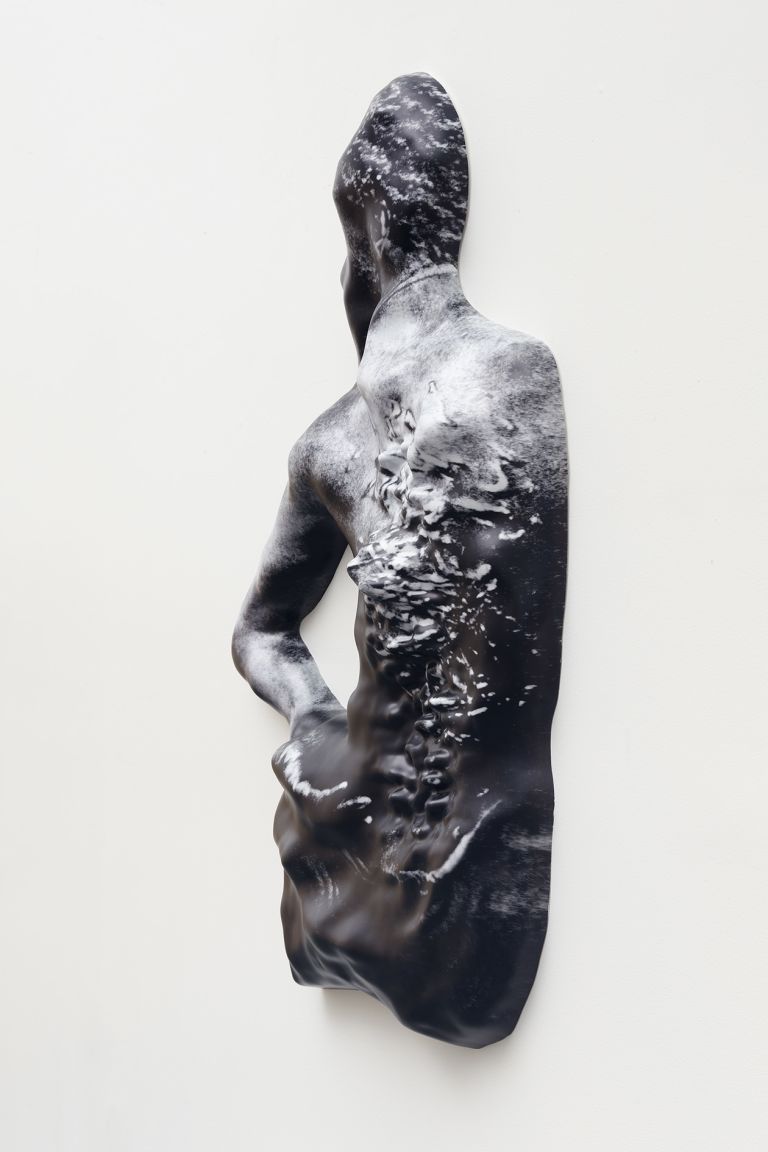
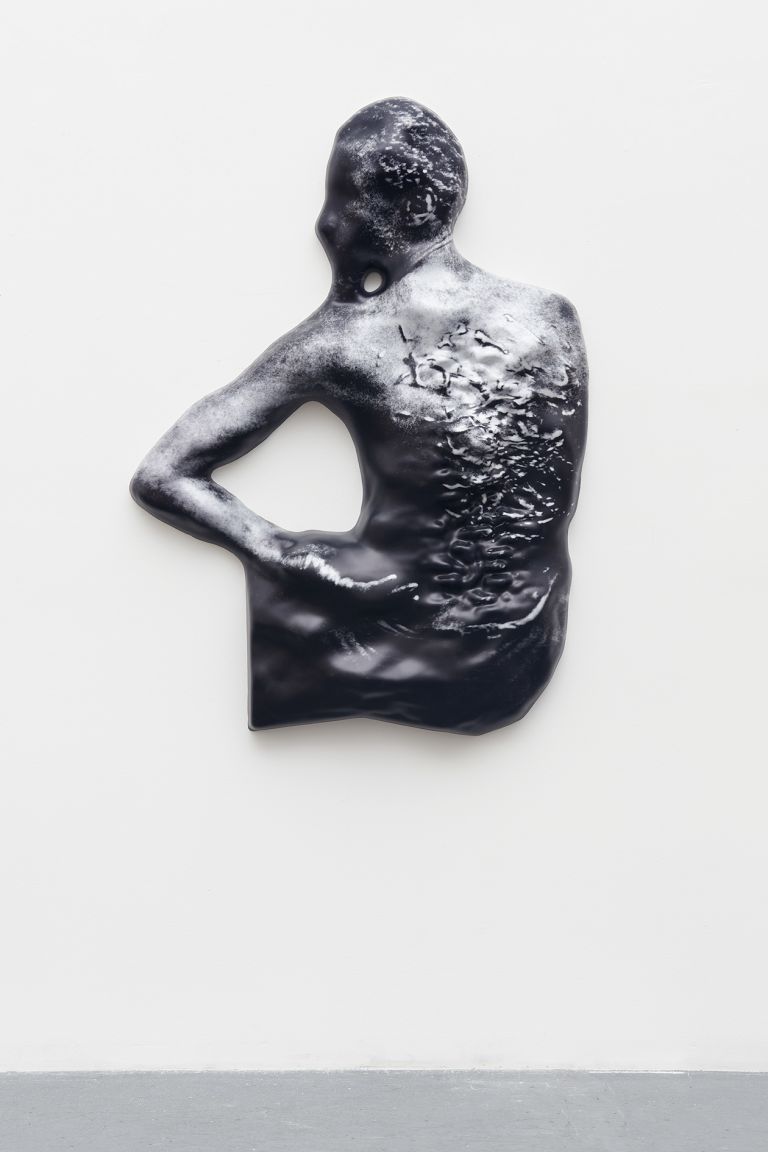
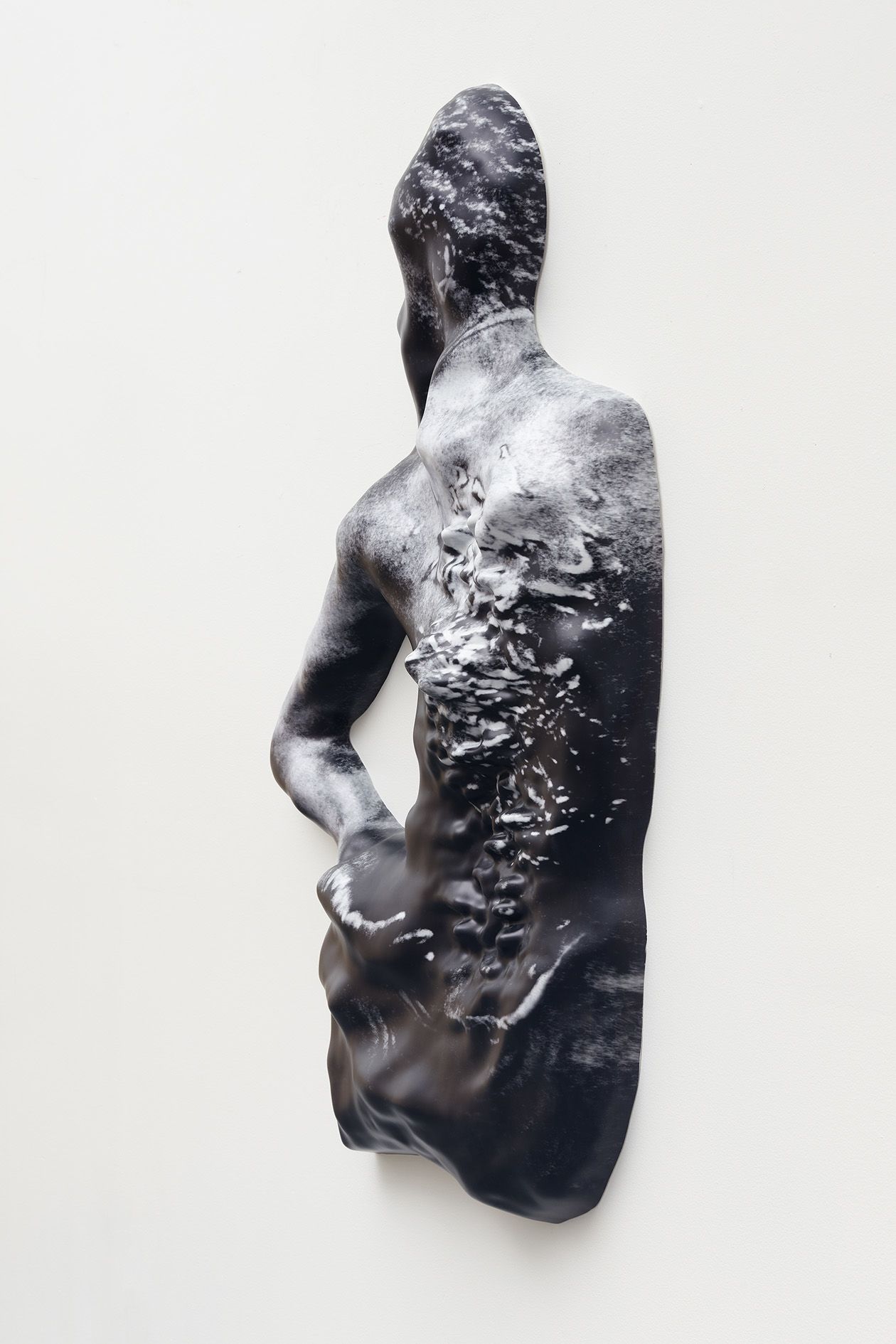
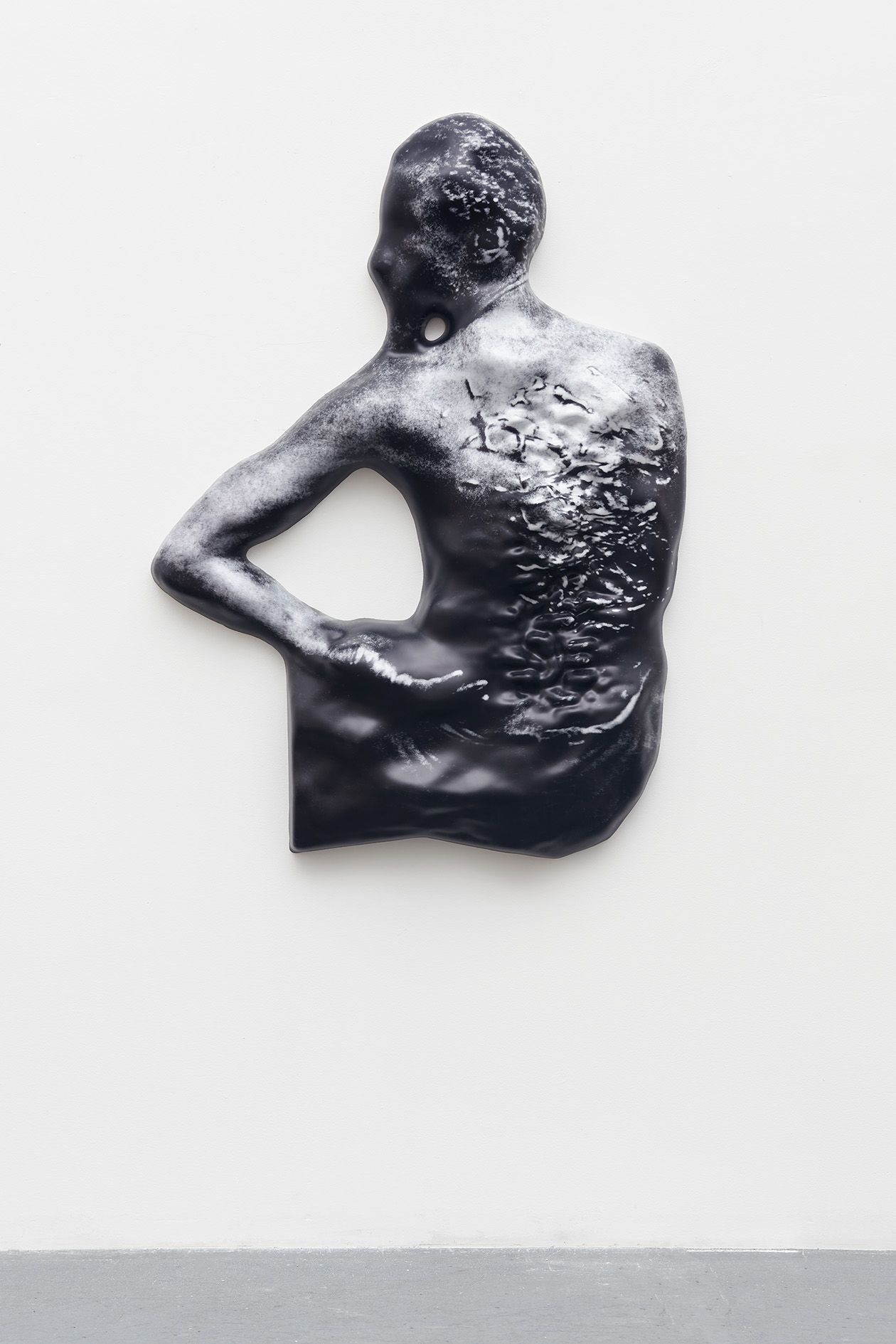
Horror acts as a powerful cultural seismograph, tracking the anxieties of its specific era. It provides an allegorical space to process fears that are too massive or systemic to confront directly. In this context, the monster is never truly supernatural; it is always a metaphor for institutional or political failure. This is particularly evident when confronting the horrors of history, where the systemic trauma of racial oppression and violence is translated into potent figuration by artists such as Arthur Jafa, Kara Walker and Henry Taylor.


Painting of a figure from behind sitting in a black chair against blue and gray tones with white rectangular shapes above.

Henry Taylor
Untitled, 2025
Acrylic on canvas
35.6 × 27.9 × 3.2 cm | 14 × 11 × 1 1/4 inches

More views
image/svg+xml
Details

Henry Taylor
Untitled, 2025
Acrylic on canvas
35.6 × 27.9 × 3.2 cm | 14 × 11 × 1 1/4 inches

Horror – Group Exhibition – Los Angeles

Henry Taylor
Untitled, 2025

Details
icon_fullscreen
1 of 1
Dark sculptural form of a seated figure with textured surface detail.

Arthur Jafa
Ex-Slave Gordon, 2017
Vacuum formed plastic
144.8 × 111.8 × 22.9 cm | 57 × 44 × 9 inches
Edition of 5 + 5 AP

More views
image/svg+xml
Details

Arthur Jafa
Ex-Slave Gordon, 2017
Vacuum formed plastic
144.8 × 111.8 × 22.9 cm | 57 × 44 × 9 inches
Edition of 5 + 5 AP

Horror – Group Exhibition – Los Angeles

Arthur Jafa
Ex-Slave Gordon, 2017

Arthur Jafa
Ex-Slave Gordon, 2017

Horror – Group Exhibition – Los Angeles

Arthur Jafa
Ex-Slave Gordon, 2017

Arthur Jafa
Ex-Slave Gordon, 2017

Details
icon_fullscreen
1 of 1
Mixed media artwork depicting a silhouette figure against a dark, rust-brown textured background with abstract gestural marks.

Kara Walker
She Preferred Inaction but Referred to It As Stoicism, 2017–21
Sumi-e ink, newsprint, cut paper collage, mulberry paper, Flashe, pastel, clear gesso, powdered charcoal, raw pigment, glue, nails, brass hook on linen on panel
182.9 × 228.6 × 6.3 cm | 72 × 90 × 2 1/2 inches

More views
image/svg+xml
Details

Kara Walker
She Preferred Inaction but Referred to It As Stoicism, 2017–21
Sumi-e ink, newsprint, cut paper collage, mulberry paper, Flashe, pastel, clear gesso, powdered charcoal, raw pigment, glue, nails, brass hook on linen on panel
182.9 × 228.6 × 6.3 cm | 72 × 90 × 2 1/2 inches

Kara Walker
She Preferred Inaction but Referred to It As Stoicism, 2017–21
Sumi-e ink, newsprint, cut paper collage, mulberry paper, Flashe, pastel, clear gesso, powdered charcoal, raw pigment, glue, nails, brass hook on linen on panel
182.9 × 228.6 × 6.3 cm | 72 × 90 × 2 1/2 inches

Horror – Group Exhibition – Los Angeles

Kara Walker
She Preferred Inaction but Referred to It As Stoicism, 2017–21 (detail)

Kara Walker
She Preferred Inaction but Referred to It As Stoicism, 2017–21 (detail)

Horror – Group Exhibition – Los Angeles

Kara Walker
She Preferred Inaction but Referred to It As Stoicism, 2017–21 (detail)

Kara Walker
She Preferred Inaction but Referred to It As Stoicism, 2017–21 (detail)

Horror – Group Exhibition – Los Angeles

Kara Walker
She Preferred Inaction but Referred to It As Stoicism, 2017–21 (detail)

Kara Walker
She Preferred Inaction but Referred to It As Stoicism, 2017–21 (detail)

Horror – Group Exhibition – Los Angeles

Kara Walker
She Preferred Inaction but Referred to It As Stoicism, 2017–21

Kara Walker
She Preferred Inaction but Referred to It As Stoicism, 2017–21

Details
icon_fullscreen
1 of 1
Gallery space with white walls displaying various artworks including paintings and a screen on a black pedestal.


Gallery corridor displaying a video artwork on a wall-mounted screen showing two people in red clothing engaged in an activity.

Diego Marcon
TINPO, 2006
MiniDV video with color and sound
1:56 min
Edition of 5 + 2 AP

Other works, from the cinematic terror captured by Dario Argento and Diego Marcon, the depictions of systemic horror by Jonathan Glazer, to the critical destruction embodied by Jordan Wolfson, and the subversive fragments of Bruce Conner, channel collective anxiety to expose political failure and institutional malaise. By displacing these real, intangible societal anxieties onto a fictional monster or a violently distorted figure, narrative, or space, the work offers an urgent, safe pressure release.

image/svg+xml
Details

Diego Marcon
TINPO, 2006
MiniDV video with color and sound
1:56 min
Edition of 5 + 2 AP

Diego Marcon
TINPO, 2006
MiniDV video with color and sound
1:56 min
Edition of 5 + 2 AP

Details
icon_fullscreen
1 of 1

Other works, from the cinematic terror captured by Dario Argento and Diego Marcon, the depictions of systemic horror by Jonathan Glazer, to the critical destruction embodied by Jordan Wolfson, and the subversive fragments of Bruce Conner, channel collective anxiety to expose political failure and institutional malaise. By displacing these real, intangible societal anxieties onto a fictional monster or a violently distorted figure, narrative, or space, the work offers an urgent, safe pressure release.

Minimalist installation featuring a large gray metal panel with two pointed spikes mounted on top and a small image in the center.

Jordan Wolfson
Untitled, 2025
UV print with gloss clear coat on aluminum, steel hardware
142.2 × 223.5 × 28.4 cm | 56 × 88 × 11 1/6 inches
Edition of 1 + 1 AP

image/svg+xml
Details

Jordan Wolfson
Untitled, 2025
UV print with gloss clear coat on aluminum, steel hardware
142.2 × 223.5 × 28.4 cm | 56 × 88 × 11 1/6 inches
Edition of 1 + 1 AP

Jordan Wolfson
Untitled, 2025
UV print with gloss clear coat on aluminum, steel hardware
142.2 × 223.5 × 28.4 cm | 56 × 88 × 11 1/6 inches
Edition of 1 + 1 AP

Details
icon_fullscreen
1 of 1

Ultimately, the most profound discovery when engaging with horror is the ambitious goal that lies beyond fear: empathy.

Expressive painting with vibrant purples and blues showing multiple ethereal figures gathered around a horizontal dark form.

Jill Mulleady
Maldoror, 2025
Oil on velvet
142 × 200 cm | 55 7/8 × 78 3/4 inches

More views
Expressive painting with vibrant colors showing a young person in front of a painting and next to a ethereal luminous sphere.

Jill Mulleady
Kryptonite, 2025
Oil on linen
160 × 216 cm | 63 × 85 inches

More views
image/svg+xml
Details

Jill Mulleady
Maldoror, 2025
Oil on velvet
142 × 200 cm | 55 7/8 × 78 3/4 inches

Jill Mulleady
Maldoror, 2025
Oil on velvet
142 × 200 cm | 55 7/8 × 78 3/4 inches

Horror – Group Exhibition – Los Angeles

Jill Mulleady
Maldoror, 2025 (detail)

Horror – Group Exhibition – Los Angeles

Jill Mulleady
Maldoror, 2025 (detail)

Horror – Group Exhibition – Los Angeles

Jill Mulleady
Maldoror, 2025

Jill Mulleady
Kryptonite, 2025
Oil on linen
160 × 216 cm | 63 × 85 inches

Jill Mulleady
Kryptonite, 2025
Oil on linen
160 × 216 cm | 63 × 85 inches

Horror – Group Exhibition – Los Angeles

Jill Mulleady
Kryptonite, 2025 (detail)

Horror – Group Exhibition – Los Angeles

Jill Mulleady
Kryptonite, 2025 (detail)

Horror – Group Exhibition – Los Angeles

Jill Mulleady
Kryptonite, 2025

Details
icon_fullscreen
1 of 2

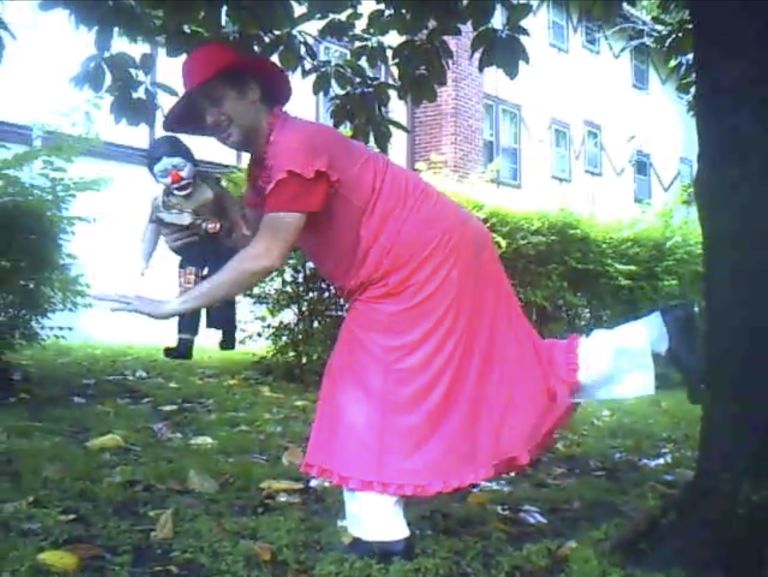
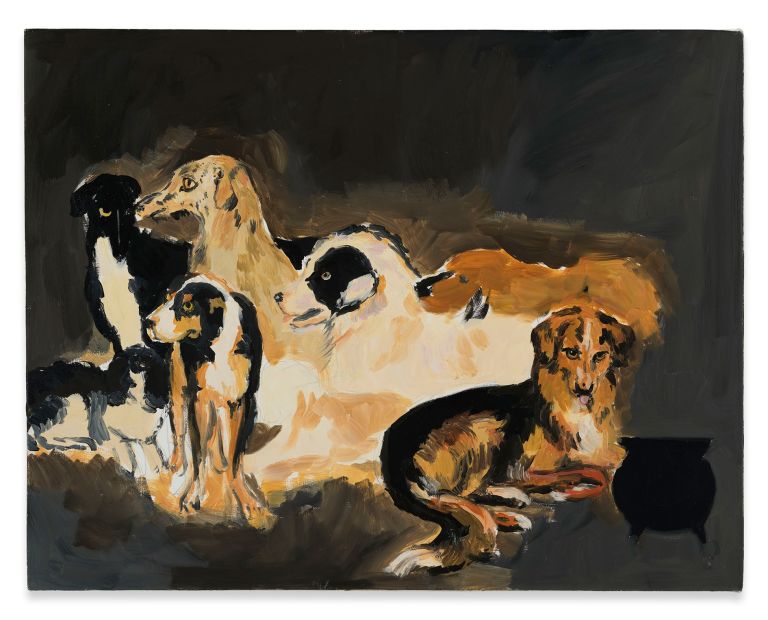
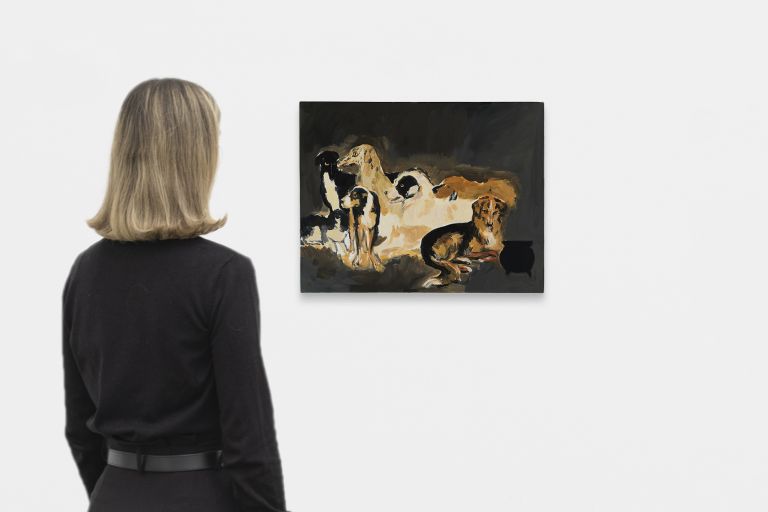
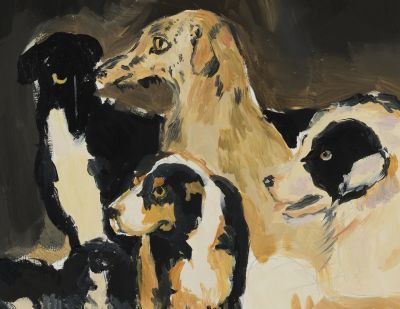
While the initial reaction is one of repulsion, the journey from revulsion to recognition—realizing that the source of the terror is the human condition itself—catalyzes understanding. From the psychologically charged paintings of Karen Kilimnik and Asger Jorn to the brilliant dark humor of Rosemarie Trockel, Harmony Korine, and Ottessa Moshfegh, the exhibition forces self-reflection.


Vintage color film still showing a child blowing out candles on a birthday cake surrounded by hands and figures.

Rosemarie Trockel
Manus Spleen 3, 2001
Video, color, with sound
1:46 min
Edition of 10

Person in bright pink dress and hat playing with child in grassy yard beside brick building.

Harmony Korine
Curb Dance, 2011
Video
1:57 min

image/svg+xml
Details

Rosemarie Trockel
Manus Spleen 3, 2001
Video, color, with sound
1:46 min
Edition of 10

Rosemarie Trockel
Manus Spleen 3, 2001
Video, color, with sound
1:46 min
Edition of 10

Harmony Korine
Curb Dance, 2011
Video
1:57 min

Details
icon_fullscreen
1 of 2
Painting of seven dogs in warm brown and black tones resting on dark background.

Karen Kilimnik
the witche’s familiars in the woods, 2010
Water soluble oil color on canvas
35.6 × 45.7 × 1.9 cm | 14 × 18 × 3/4 inches

More views
Oil and acrylic painting of brick manor house with blue-slate roof and manicured courtyard grounds.

Karen Kilimnik
the witche’s stables, half formed, Hampshire, 2008
Water soluble oil color and acrylic on canvas
45.7 × 61 × 3.8 cm | 18 × 24 × 1 1/2 inches

More views
image/svg+xml
Details

Karen Kilimnik
the witche’s familiars in the woods, 2010
Water soluble oil color on canvas
35.6 × 45.7 × 1.9 cm | 14 × 18 × 3/4 inches

Karen Kilimnik
the witche’s familiars in the woods, 2010
Water soluble oil color on canvas
35.6 × 45.7 × 1.9 cm | 14 × 18 × 3/4 inches

Horror – Group Exhibition – Los Angeles

Karen Kilimnik
the witche’s familiars in the woods, 2010 (detail)

Karen Kilimnik
the witche’s familiars in the woods, 2010 (detail)

Horror – Group Exhibition – Los Angeles

Karen Kilimnik
the witche’s familiars in the woods, 2010 (detail)

Karen Kilimnik
the witche’s familiars in the woods, 2010 (detail)

Horror – Group Exhibition – Los Angeles

Karen Kilimnik
the witche’s familiars in the woods, 2010

Karen Kilimnik
the witche’s familiars in the woods, 2010

Karen Kilimnik
the witche’s stables, half formed, Hampshire, 2008
Water soluble oil color and acrylic on canvas
45.7 × 61 × 3.8 cm | 18 × 24 × 1 1/2 inches

Karen Kilimnik
the witche’s stables, half formed, Hampshire, 2008
Water soluble oil color and acrylic on canvas
45.7 × 61 × 3.8 cm | 18 × 24 × 1 1/2 inches

Horror – Group Exhibition – Los Angeles

Karen Kilimnik
the witche’s stables, half formed, Hampshire, 2008

Karen Kilimnik
the witche’s stables, half formed, Hampshire, 2008

Details
icon_fullscreen
1 of 2
Gallery interior with dark walls displaying framed artwork and sketches, featuring seating area with sofas.


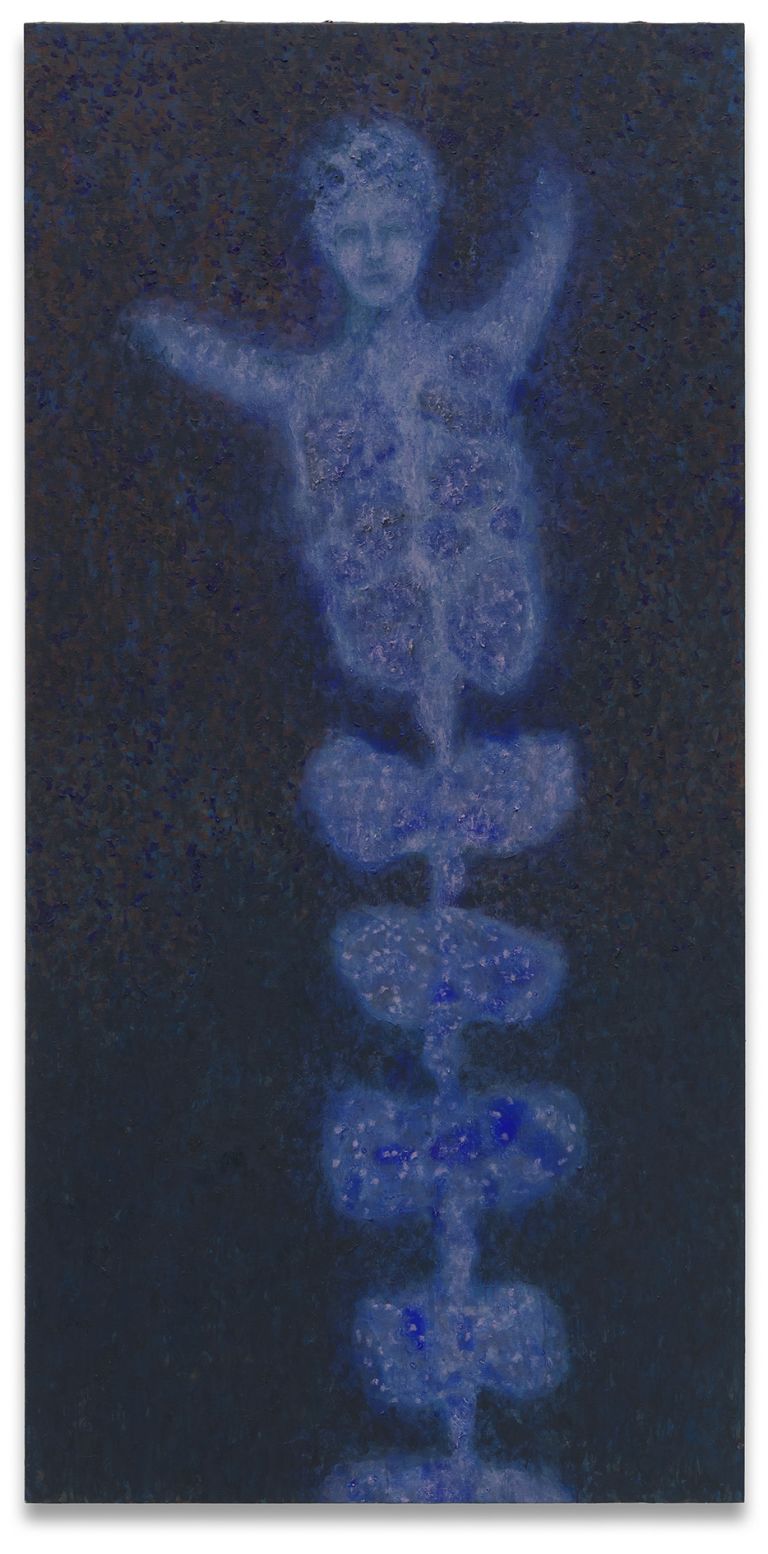
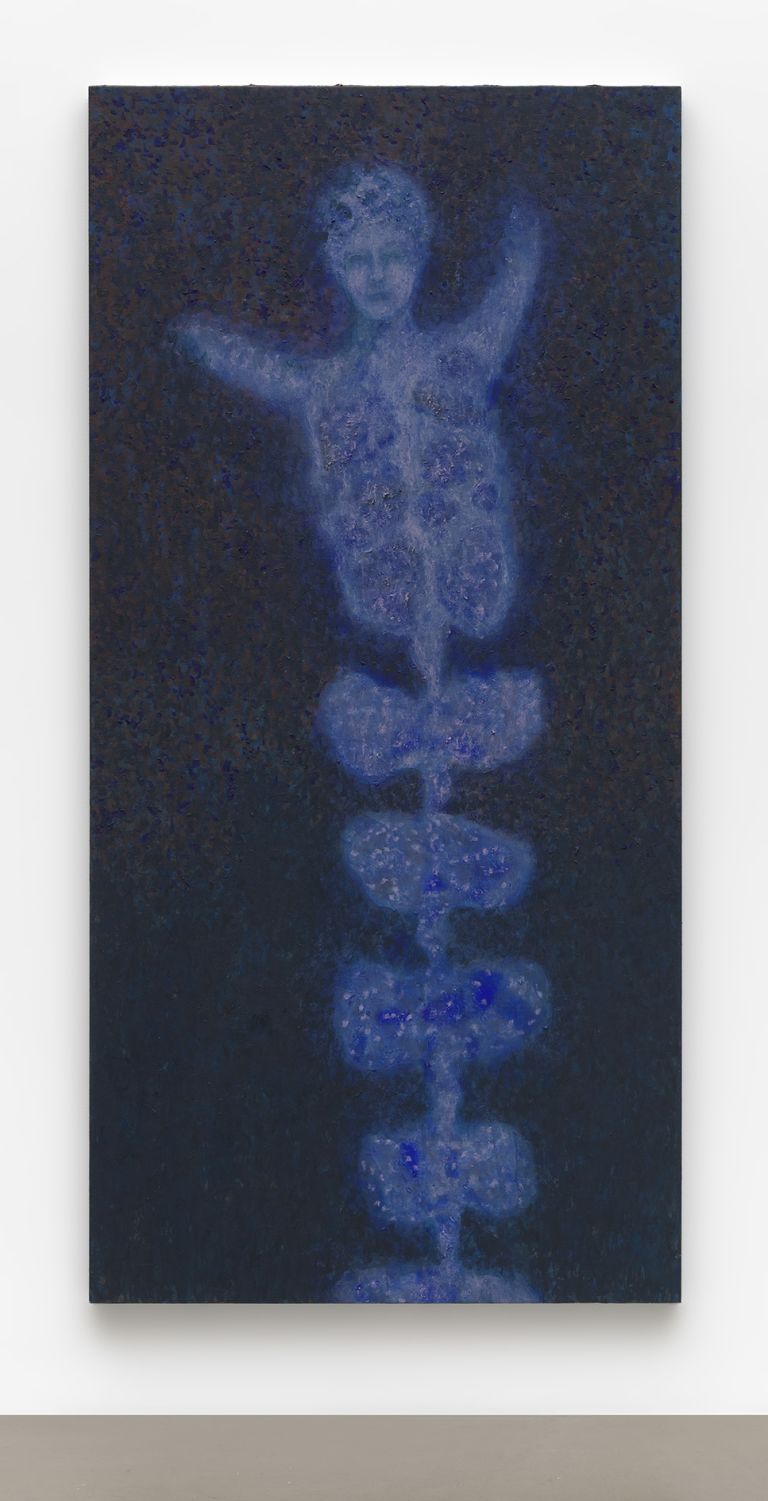
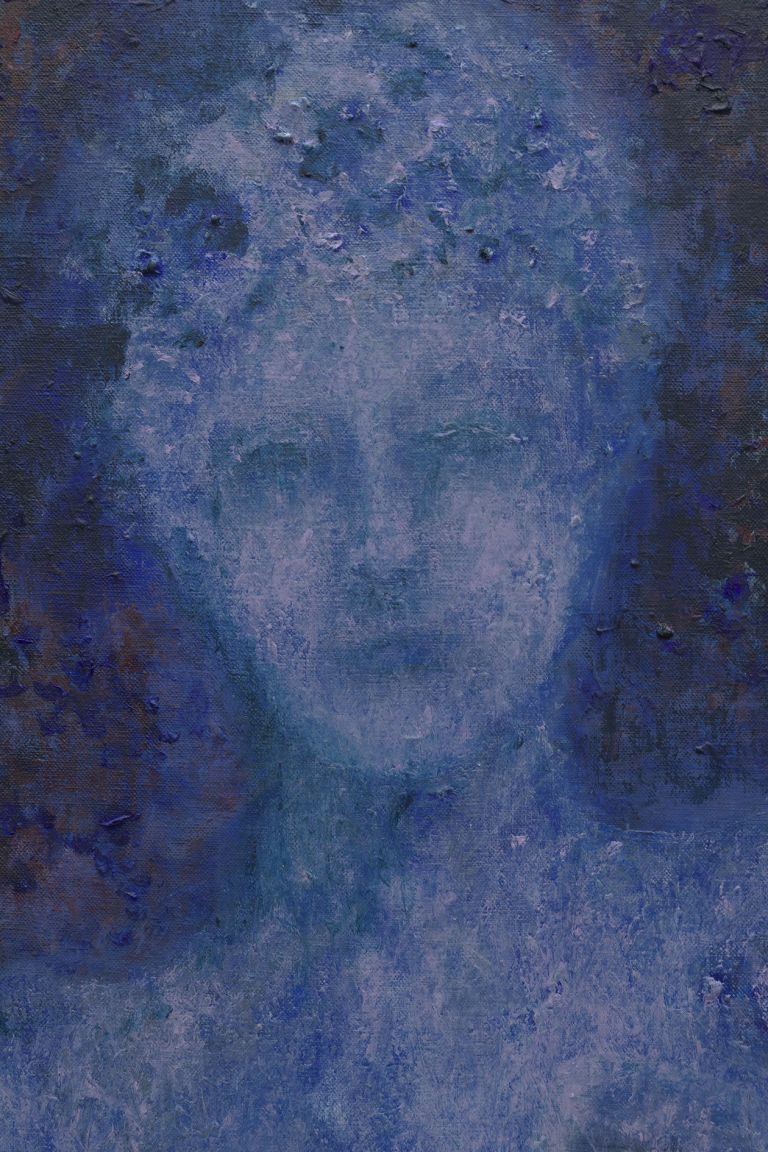
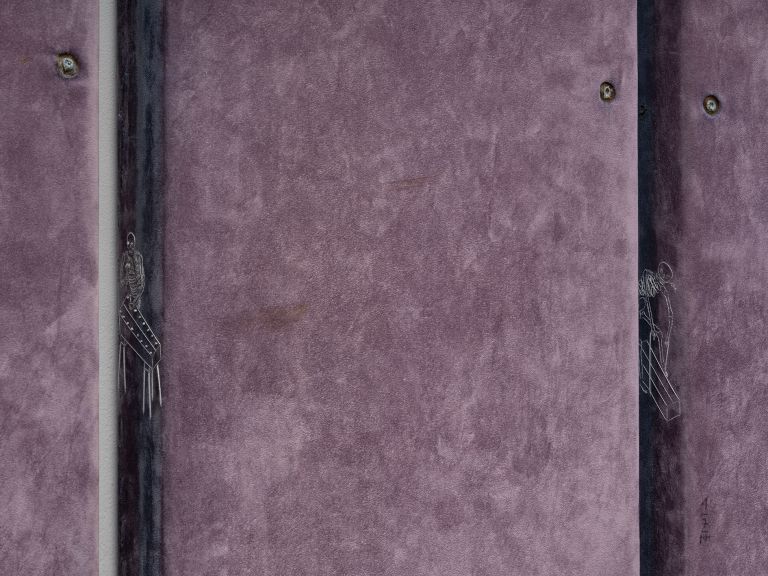
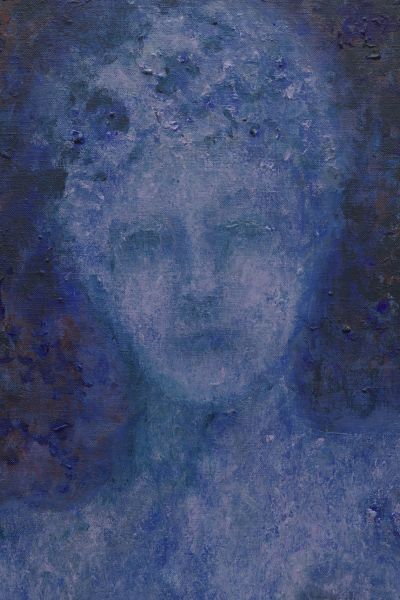
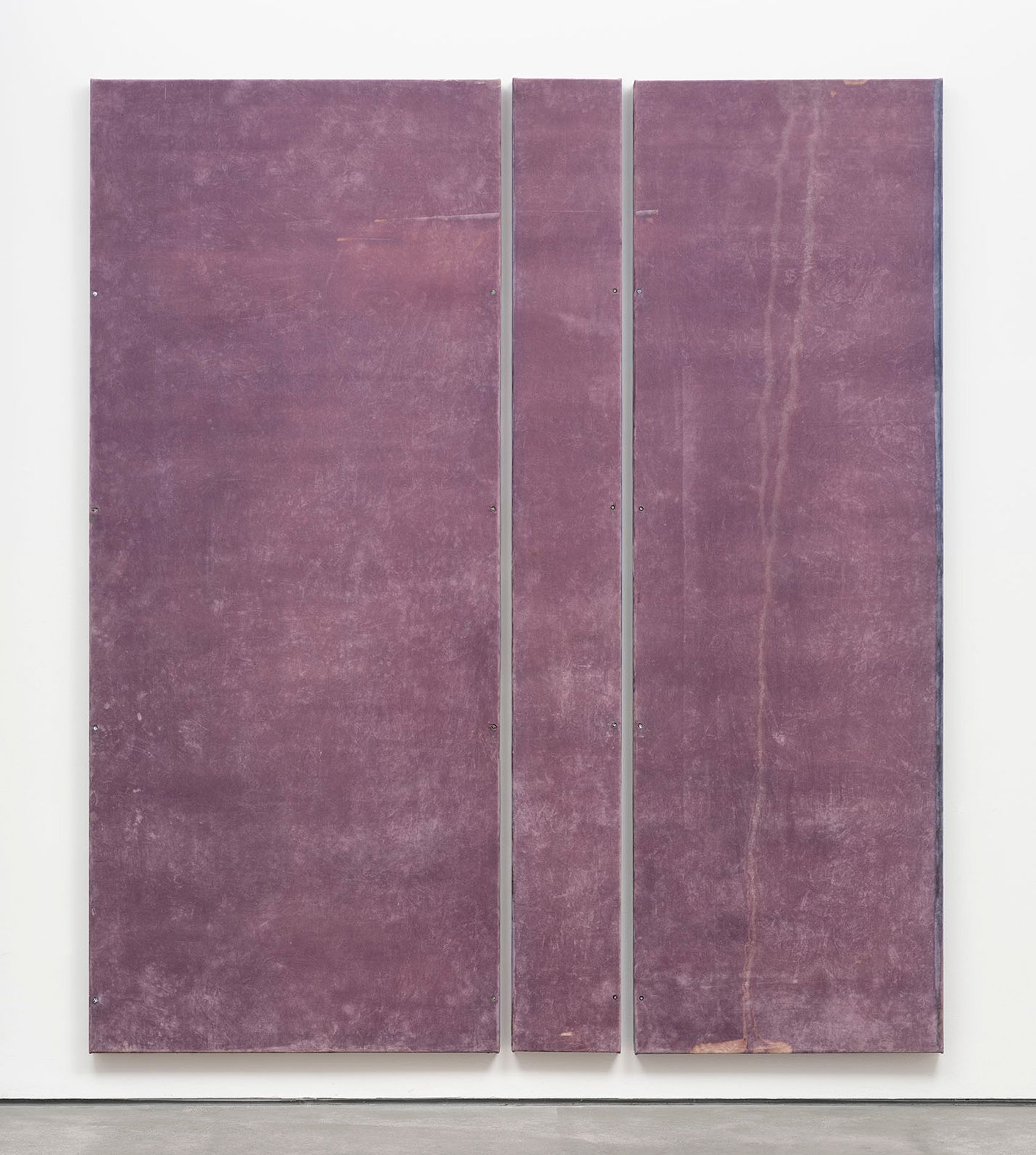
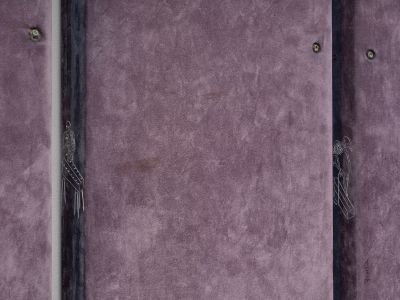
It is in this context that appears the potent idea of the ghost—the lingering, invisible presence that represents unresolved trauma and historical shadow. The spectral nature extends to the architectural haunting found in the work of Cyprien Gaillard and the figural paintings of Pol Taburet and Oliver Bak, along with the immersive soundscapes featuring the audio compositions of Mati Diop & Fatima Al Qadiri all contributing to this shift.

Abstract painting of two figures in bed with pink skin tones as a third figure enters sideways from above.

Pol Taburet
Cockroaches Melody II, 2025
Acrylic, alcohol based paint and oil pastel on canvas
250 × 250 cm | 98 3/8 × 98 3/8 inches

More views
Ethereal figure in luminous blue tones suspended vertically on dark speckled background.

Oliver Bak
Moth & the Maiden, 2025
Oil and wax on canvas
195 × 95 cm | 76 3/4 × 37 3/8 inches

More views
Three tall purple-mauve panels with vertical divisions mounted on white gallery wall.

Cyprien Gaillard
Life in the cracks (Part 2), 2025
Hand embroidery on velvet on stretcher
271 × 239 × 6.6 cm | 106 3/4 × 94 × 2 5/8 inches

More views
image/svg+xml
Details

Pol Taburet
Cockroaches Melody II, 2025
Acrylic, alcohol based paint and oil pastel on canvas
250 × 250 cm | 98 3/8 × 98 3/8 inches

Pol Taburet
Cockroaches Melody II, 2025
Acrylic, alcohol based paint and oil pastel on canvas
250 × 250 cm | 98 3/8 × 98 3/8 inches

Horror – Group Exhibition – Los Angeles

Pol Taburet
Cockroaches Melody II, 2025

Oliver Bak
Moth & the Maiden, 2025
Oil and wax on canvas
195 × 95 cm | 76 3/4 × 37 3/8 inches

Oliver Bak
Moth & the Maiden, 2025
Oil and wax on canvas
195 × 95 cm | 76 3/4 × 37 3/8 inches

Horror – Group Exhibition – Los Angeles

Oliver Bak
Moth & the Maiden, 2025

Oliver Bak
Moth & the Maiden, 2025

Horror – Group Exhibition – Los Angeles

Oliver Bak
Moth & the Maiden, 2025 (detail)

Oliver Bak
Moth & the Maiden, 2025 (detail)

Cyprien Gaillard
Life in the cracks (Part 2), 2025
Hand embroidery on velvet on stretcher
271 × 239 × 6.6 cm | 106 3/4 × 94 × 2 5/8 inches

Cyprien Gaillard
Life in the cracks (Part 2), 2025
Hand embroidery on velvet on stretcher
271 × 239 × 6.6 cm | 106 3/4 × 94 × 2 5/8 inches

Horror – Group Exhibition – Los Angeles

Cyprien Gaillard
Life in the cracks (Part 2), 2025

Cyprien Gaillard
Life in the cracks (Part 2), 2025

Horror – Group Exhibition – Los Angeles

Cyprien Gaillard
Life in the cracks (Part 2), 2025 (detail)

Cyprien Gaillard
Life in the cracks (Part 2), 2025 (detail)

Horror – Group Exhibition – Los Angeles

Cyprien Gaillard
Life in the cracks (Part 2), 2025 (detail)

Cyprien Gaillard
Life in the cracks (Part 2), 2025 (detail)

Horror – Group Exhibition – Los Angeles

Cyprien Gaillard
Life in the cracks (Part 2), 2025

Cyprien Gaillard
Life in the cracks (Part 2), 2025

Details
icon_fullscreen
1 of 3

It is in this context that appears the potent idea of the ghost—the lingering, invisible presence that represents unresolved trauma and historical shadow. The spectral nature extends to the architectural haunting found in the work of Cyprien Gaillard and the figural paintings of Pol Taburet and Oliver Bak, along with the immersive soundscapes featuring the audio compositions of Mati Diop & Fatima Al Qadiri all contributing to this shift.

By shocking us into intense self-reflection about what we fear and why, horror connects our internal landscape to the wider human narrative; it transcends chaos, becoming a tool for reflecting a profound empathy for the precariousness of the human experience.


Inquire about the full list of works included in the exhibition.


Gallery space with black walls displaying various artworks including paintings and a white pedestal.

All installation views: Robert Wedemeyer