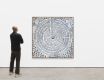
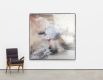
John Baldessari

John Baldessari
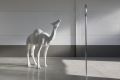
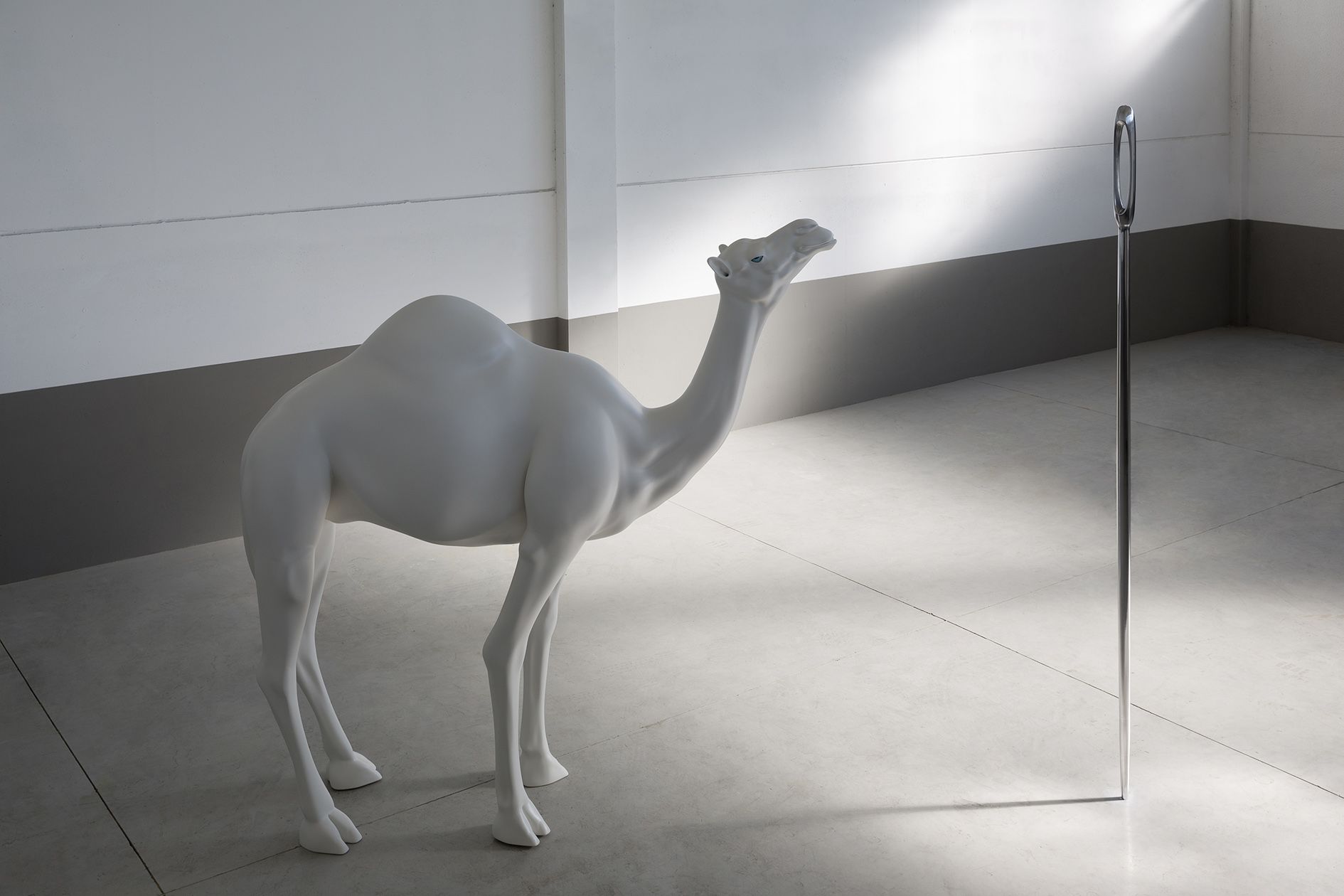
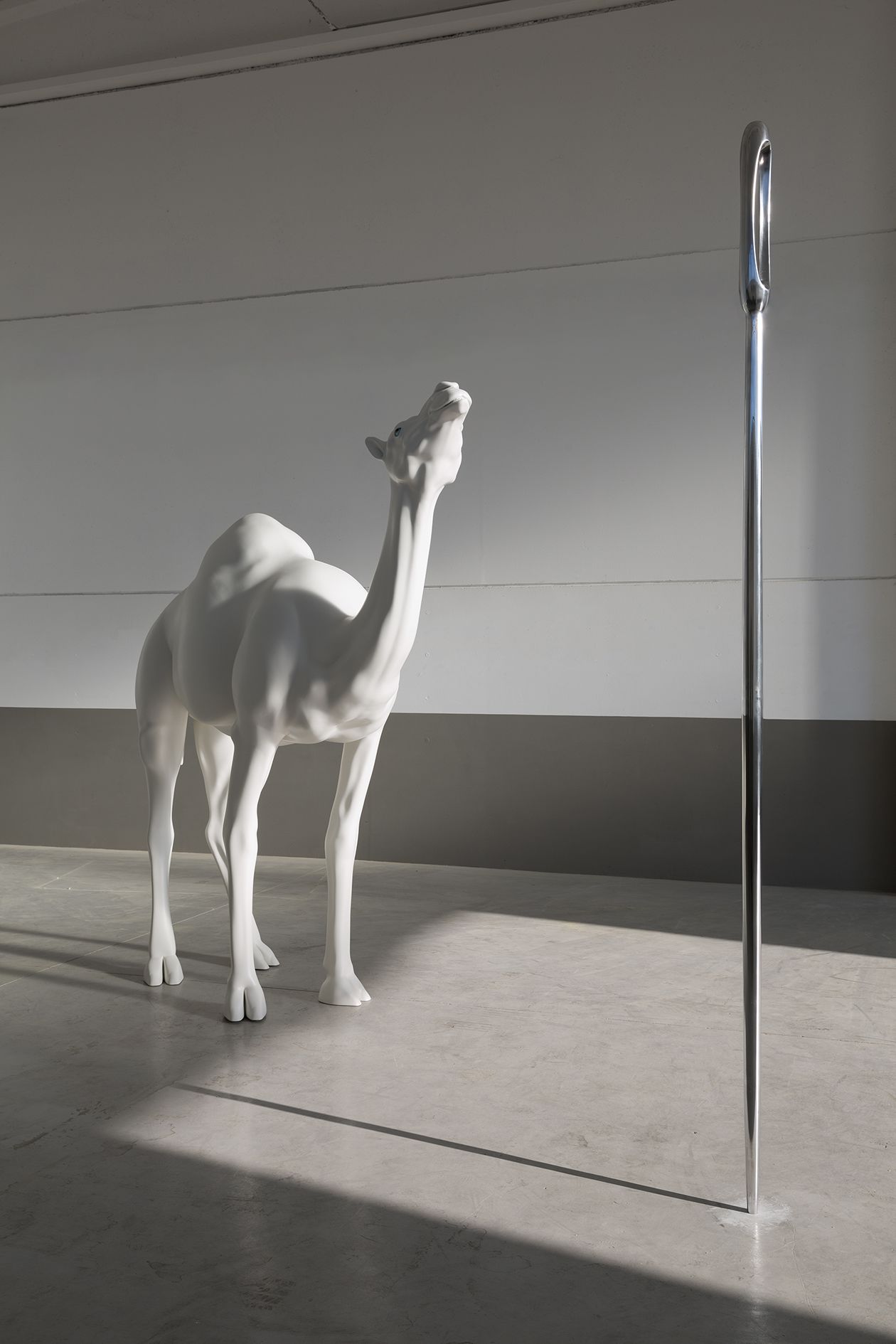
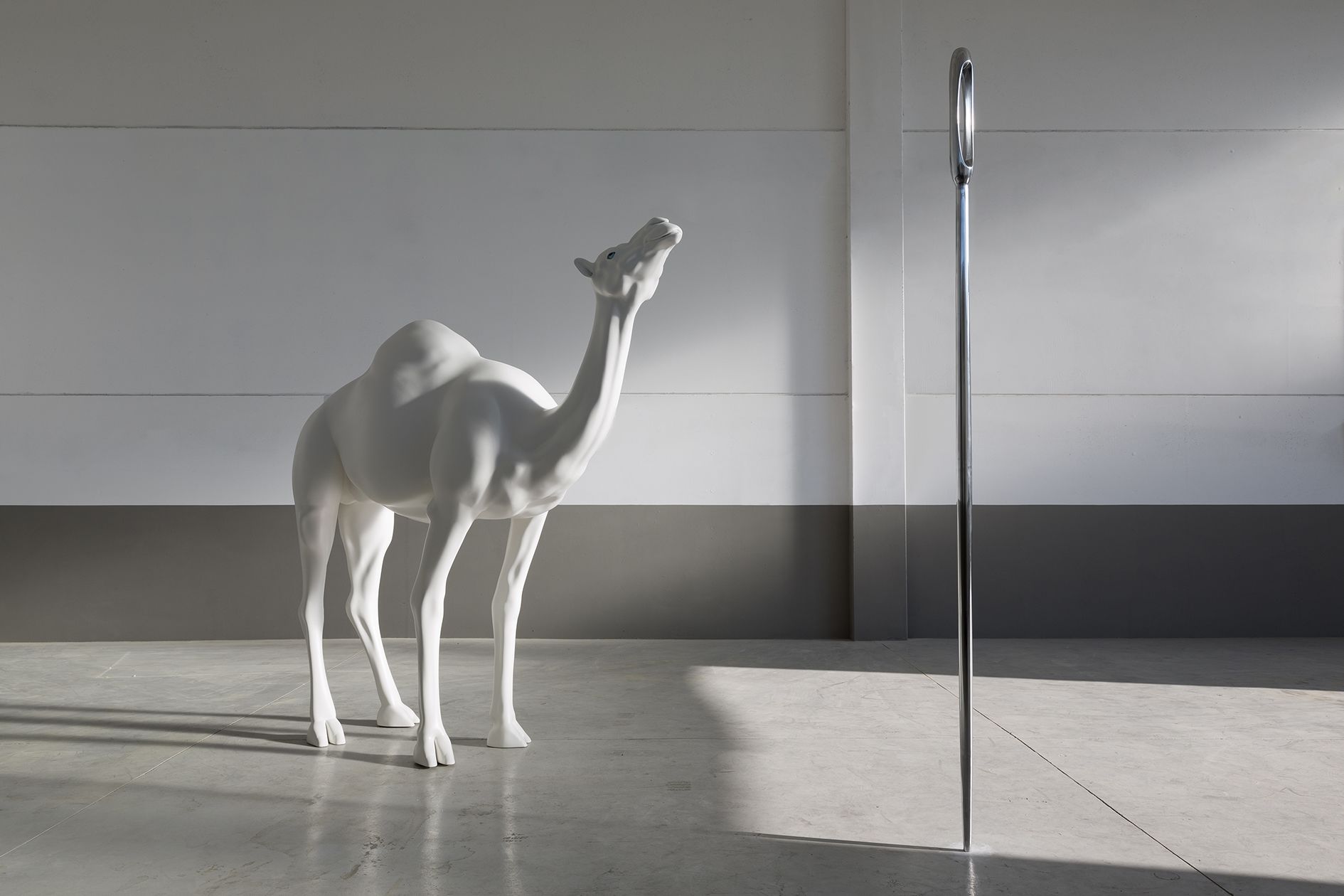
Camel (Albino) Contemplating Needle (Large), 2013

Learn more
John Baldessari

John Baldessari
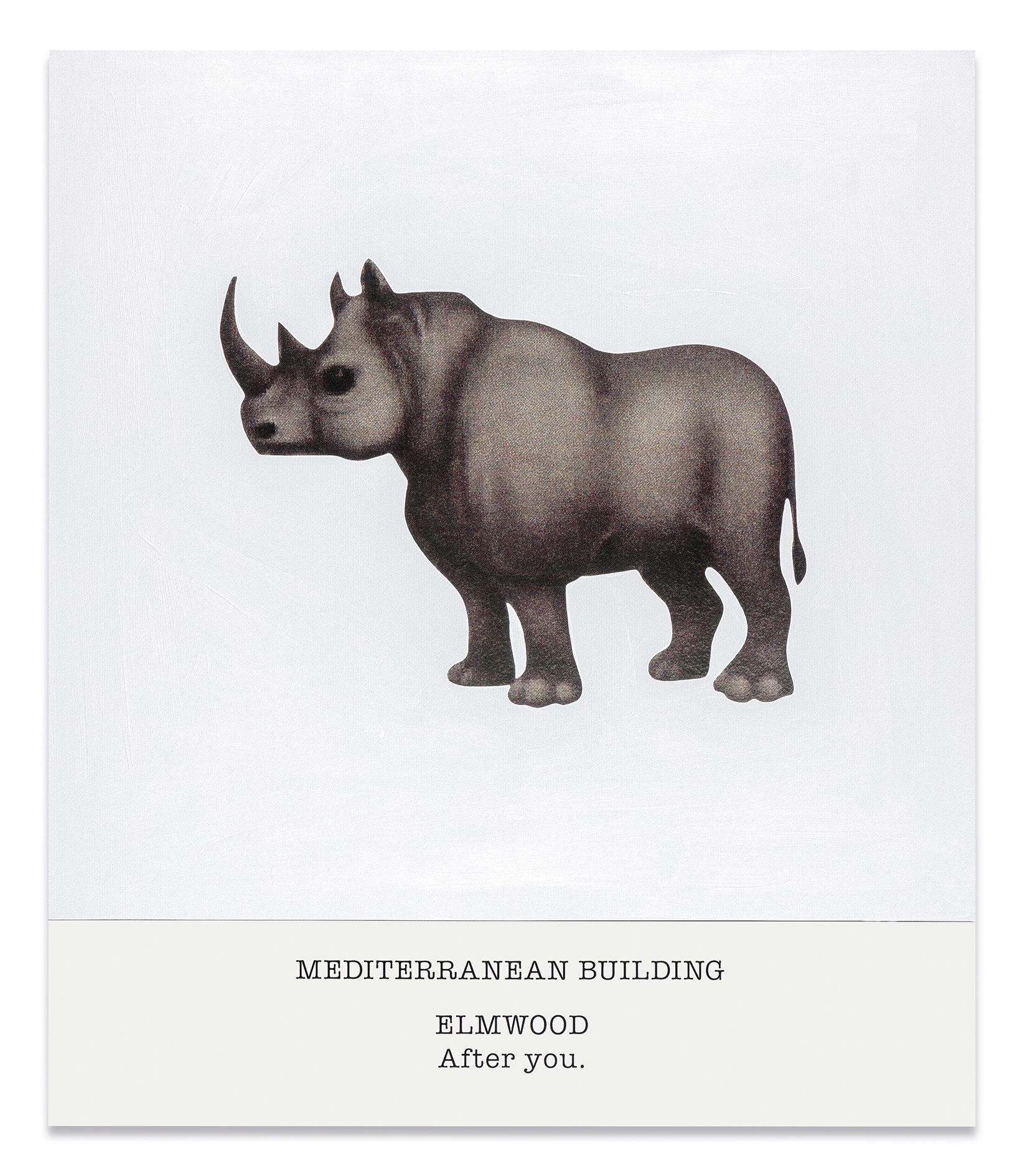
MEDITERRANEAN BUILDING ELMWOOD After you., 2017

Learn more
John Baldessari

John Baldessari
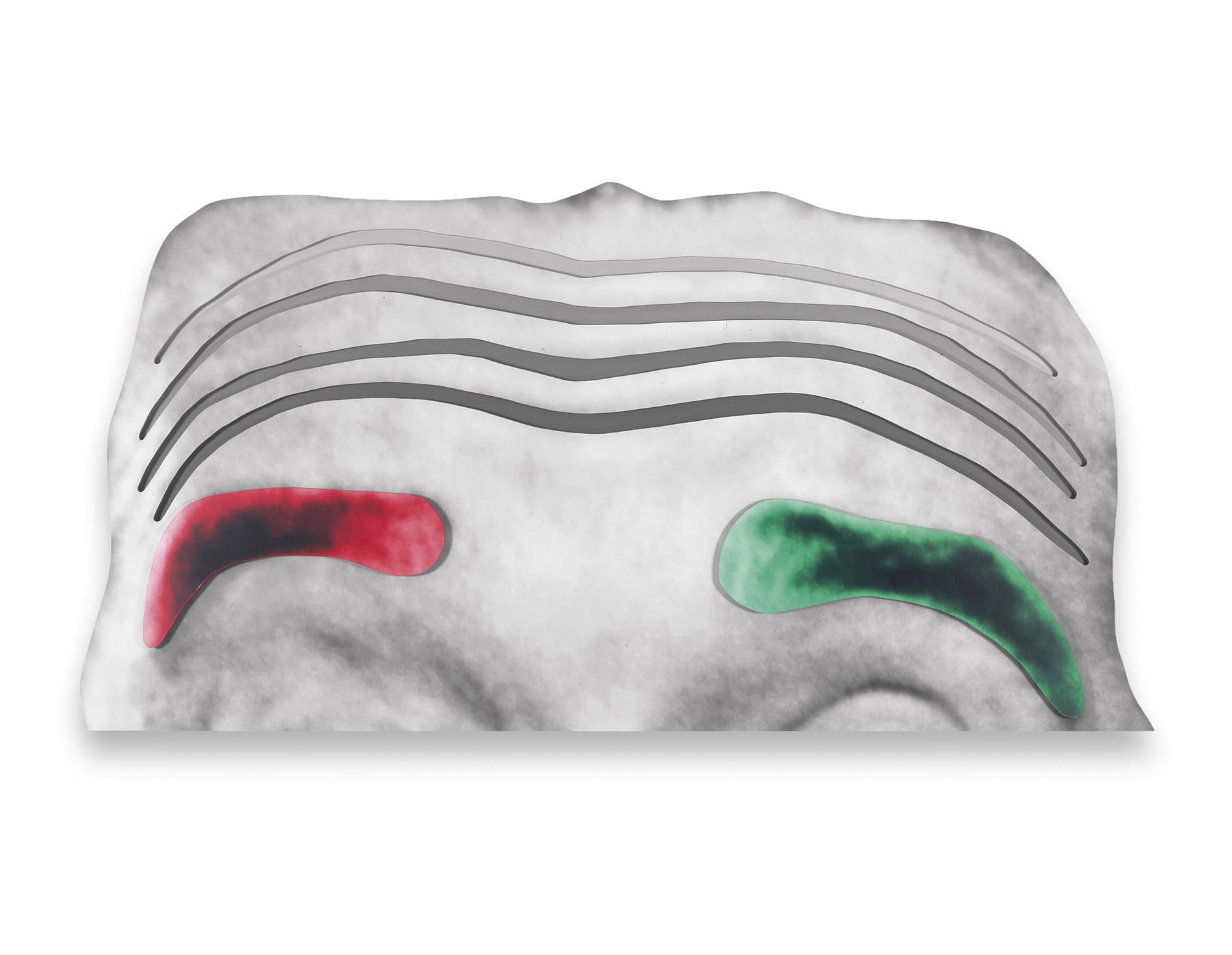
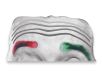
Raised Eyebrows/Furrowed Foreheads (Part One): (Red and Green Eyebrows), 2008

Learn more
Kenneth Anger

Kenneth Anger
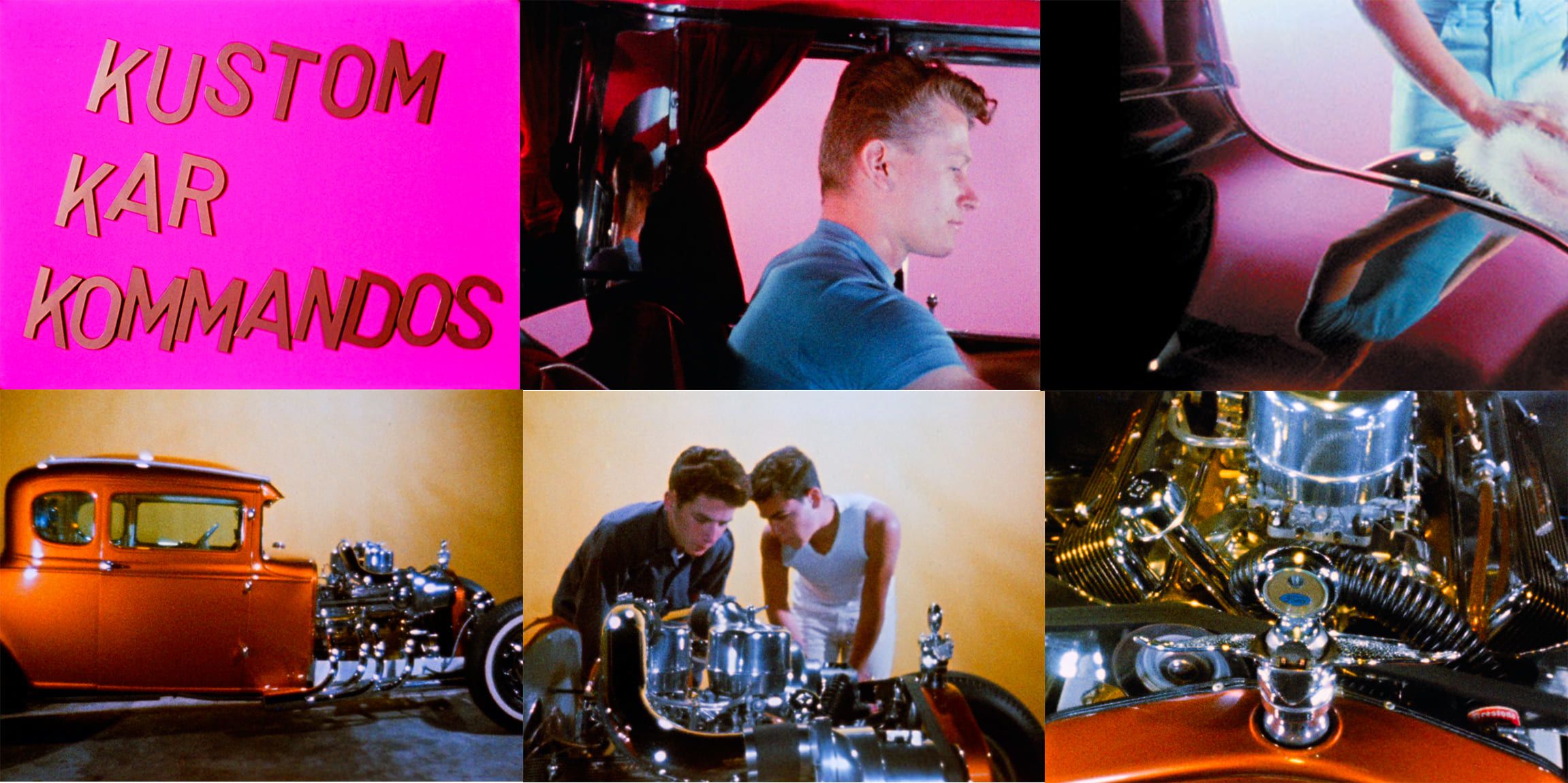
Kustom Kar Kommandos, 1965

Learn more
Kenneth Anger

Kenneth Anger
Inauguration of the Pleasure Dome, 1954–66

Learn more
George Condo

George Condo
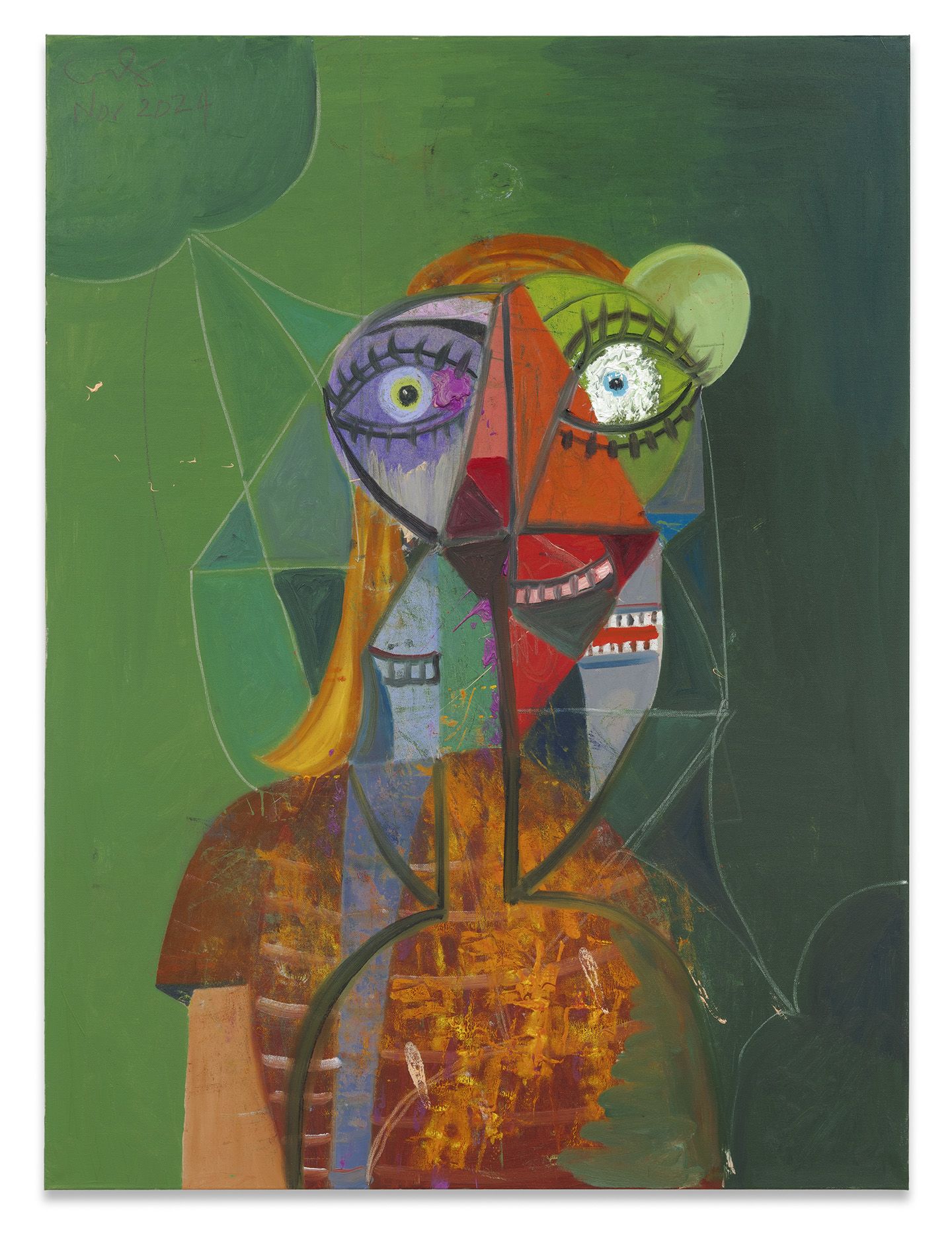
Beverly Hills Abstraction, 2024

Learn more
David Salle

David Salle
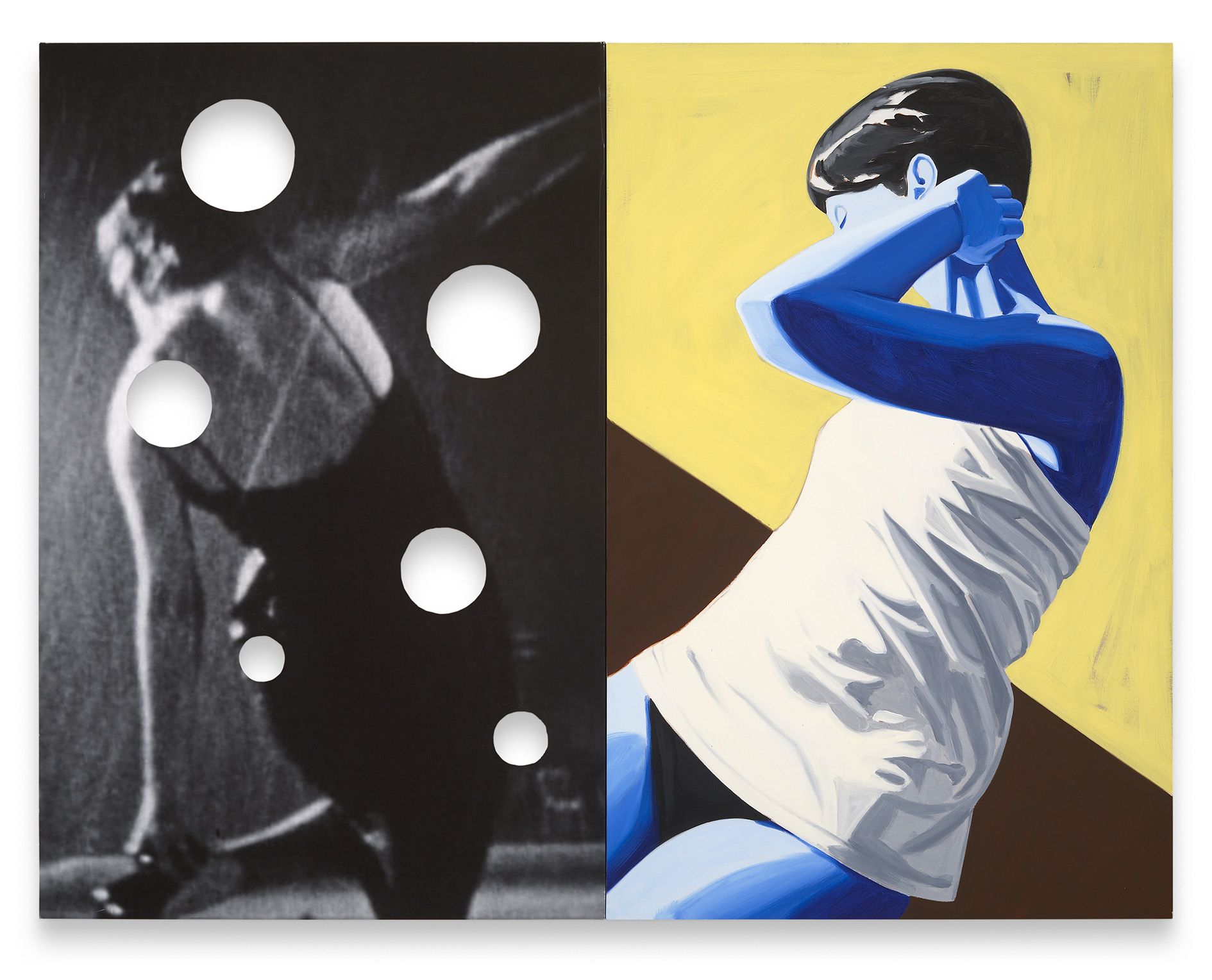
Night Shoot, 2009

Learn more
Arthur Jafa

Arthur Jafa
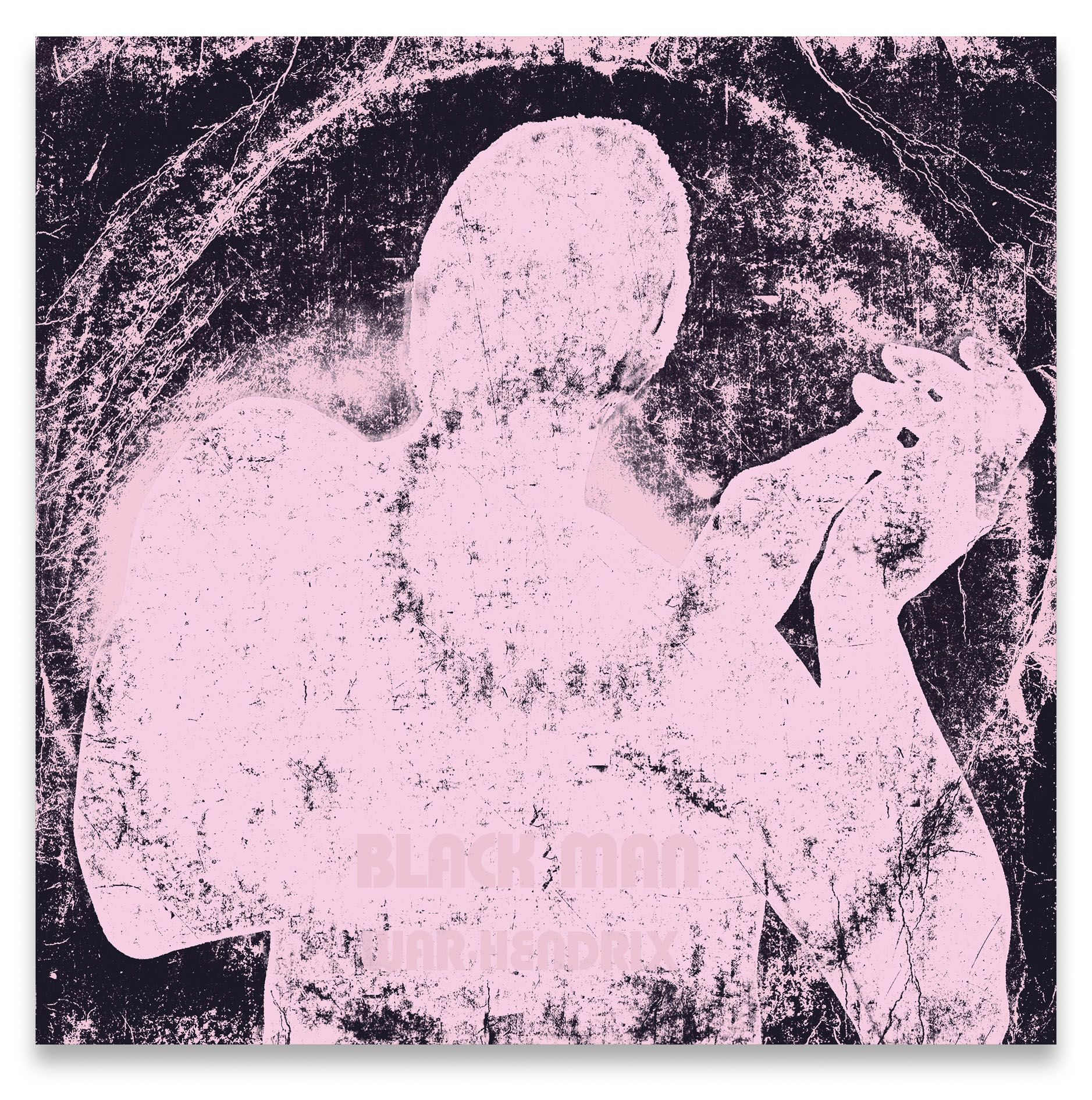
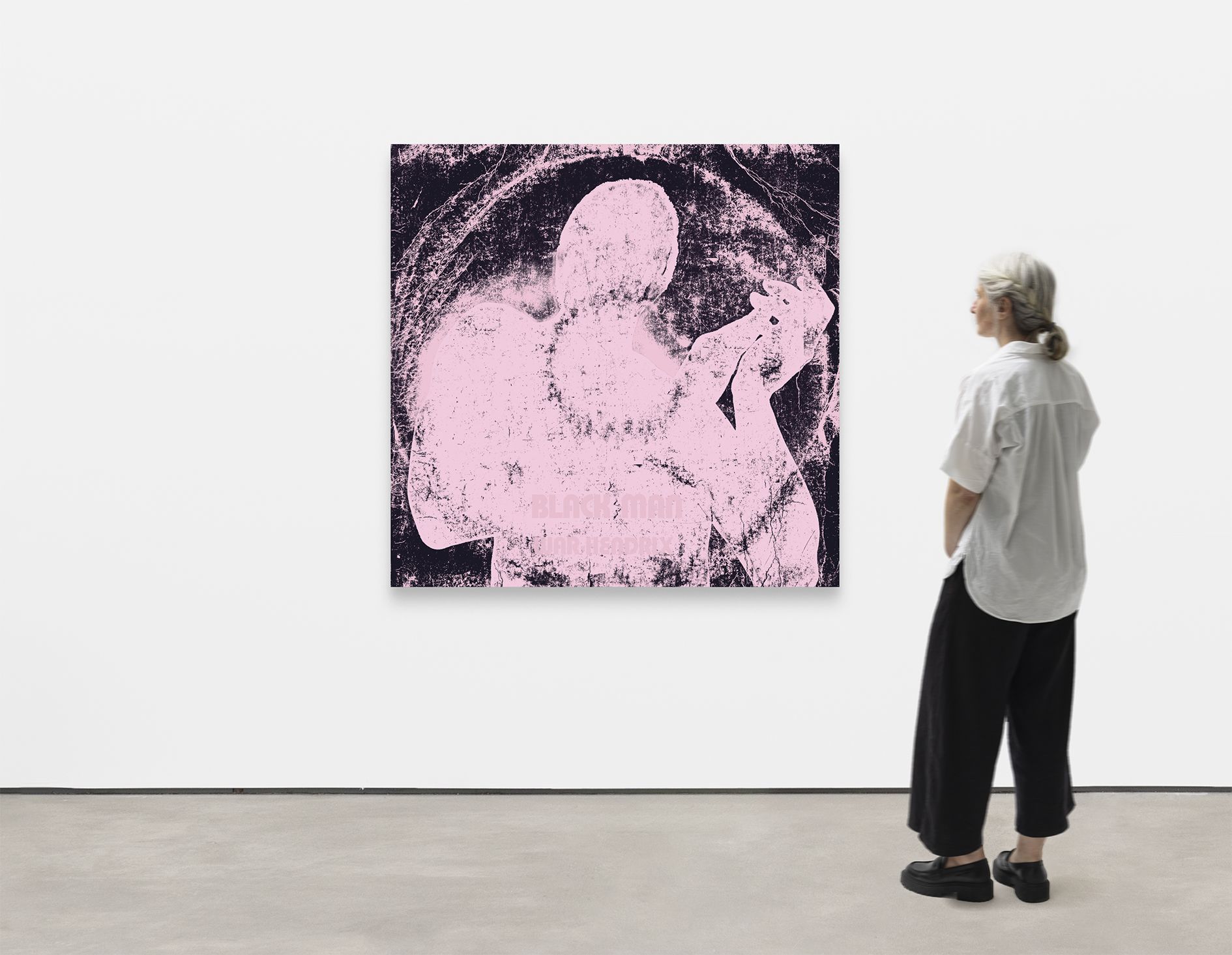
Black Man, 2025

Learn more
Martine Syms

Martine Syms
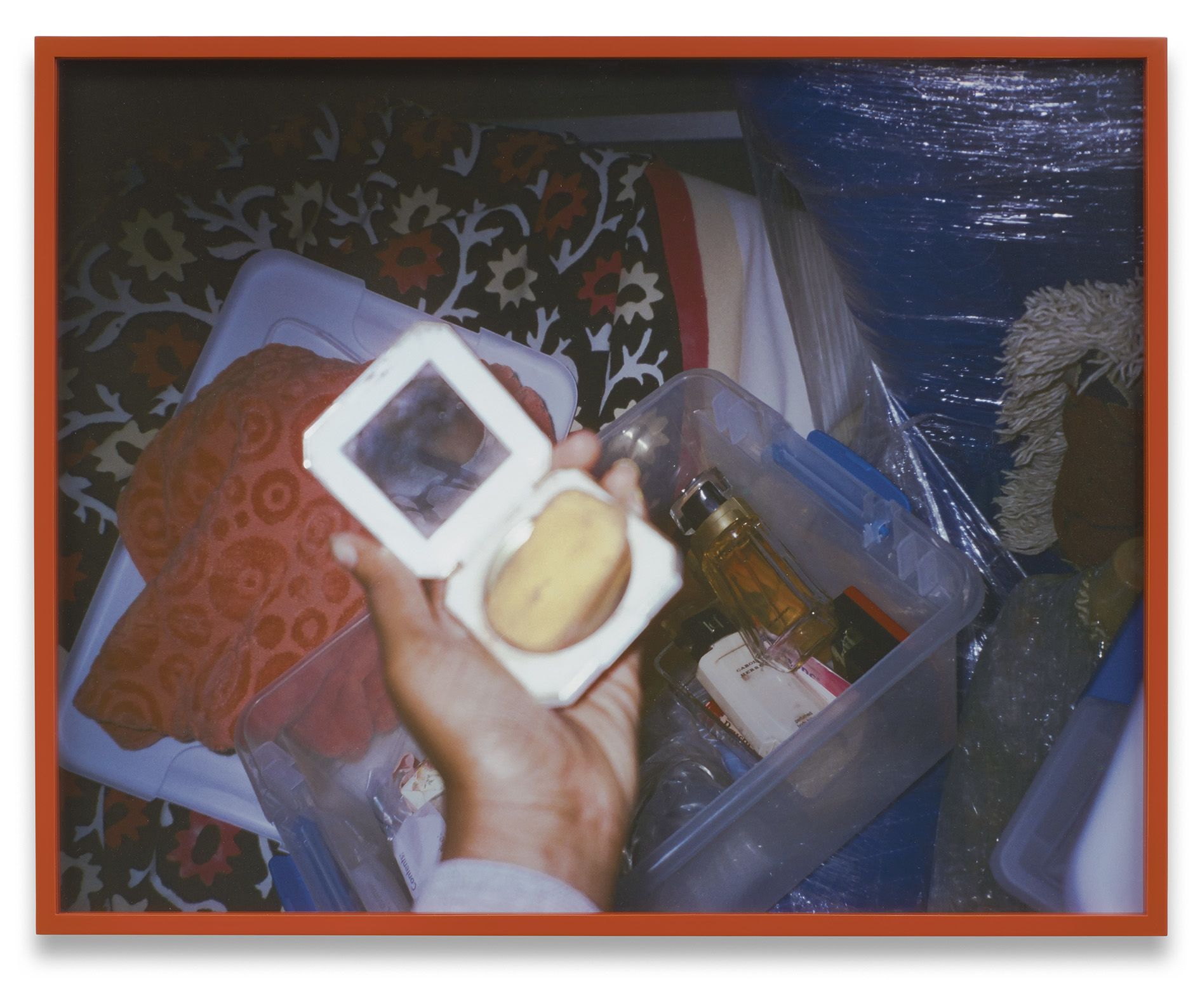
I bow to the rishis and yoginis that came before me I, 2024

Learn more
Barbara Kruger

Barbara Kruger
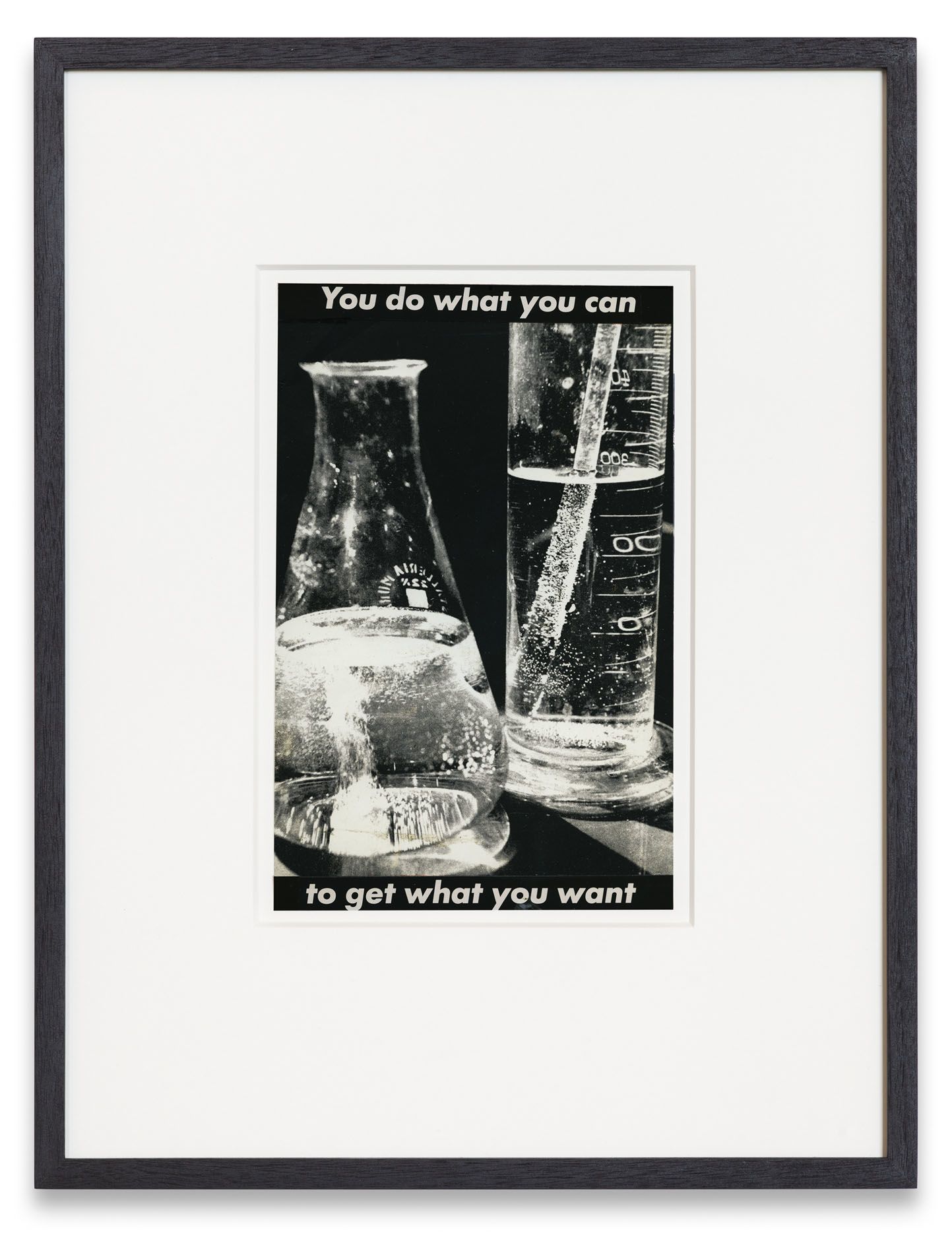
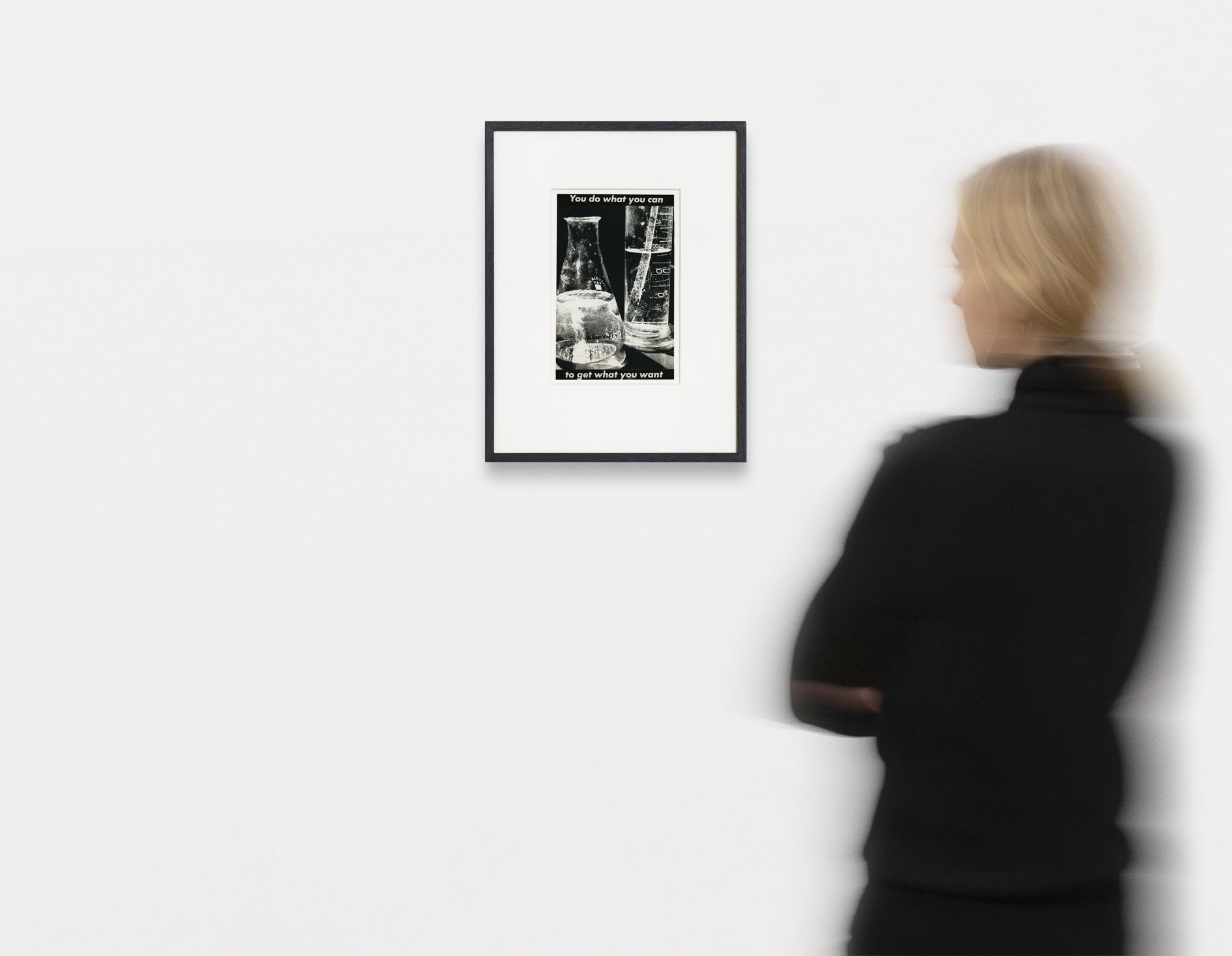
Untitled (You do what you can to get what you want), 1984

Learn more
Barbara Kruger

Barbara Kruger
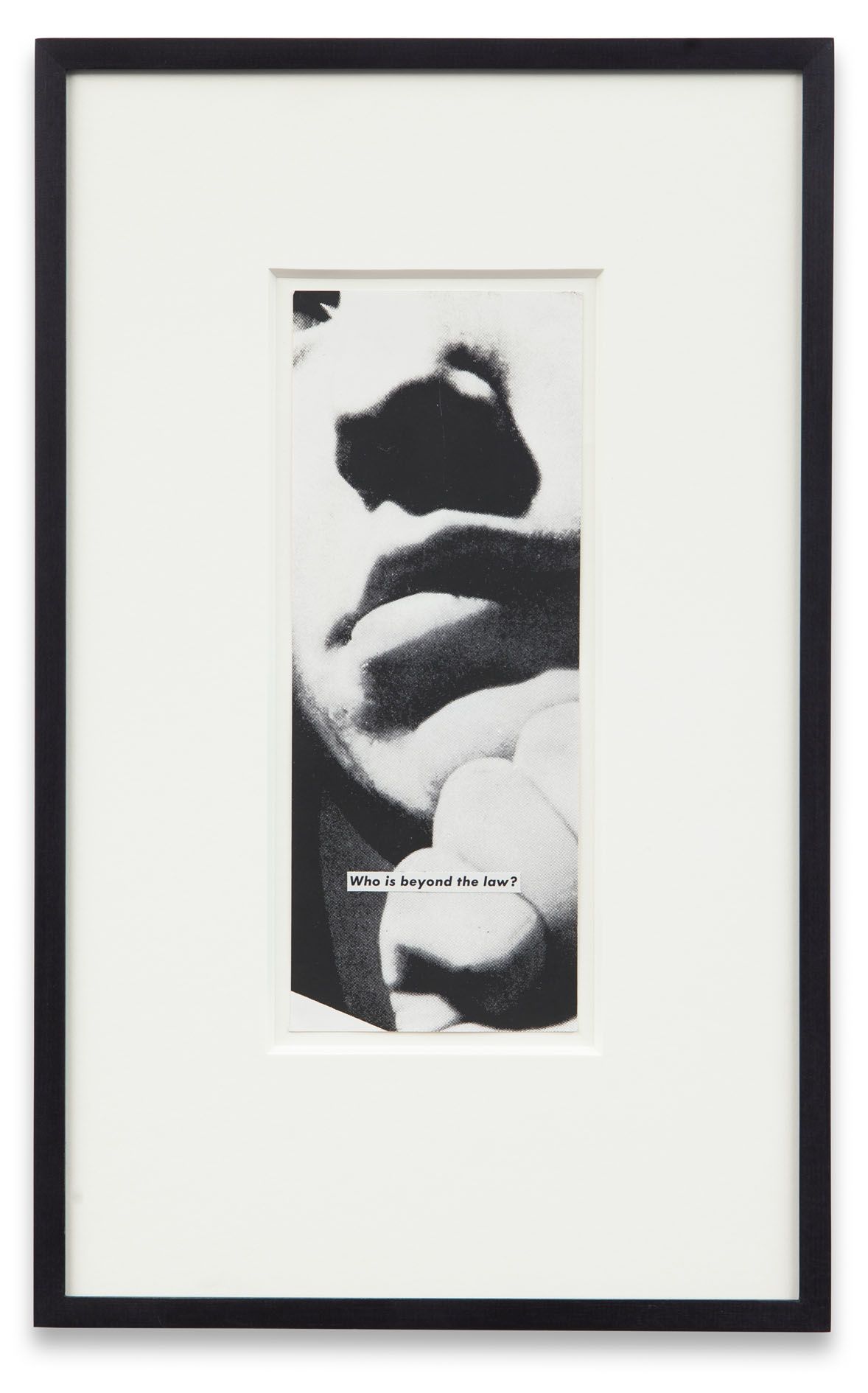
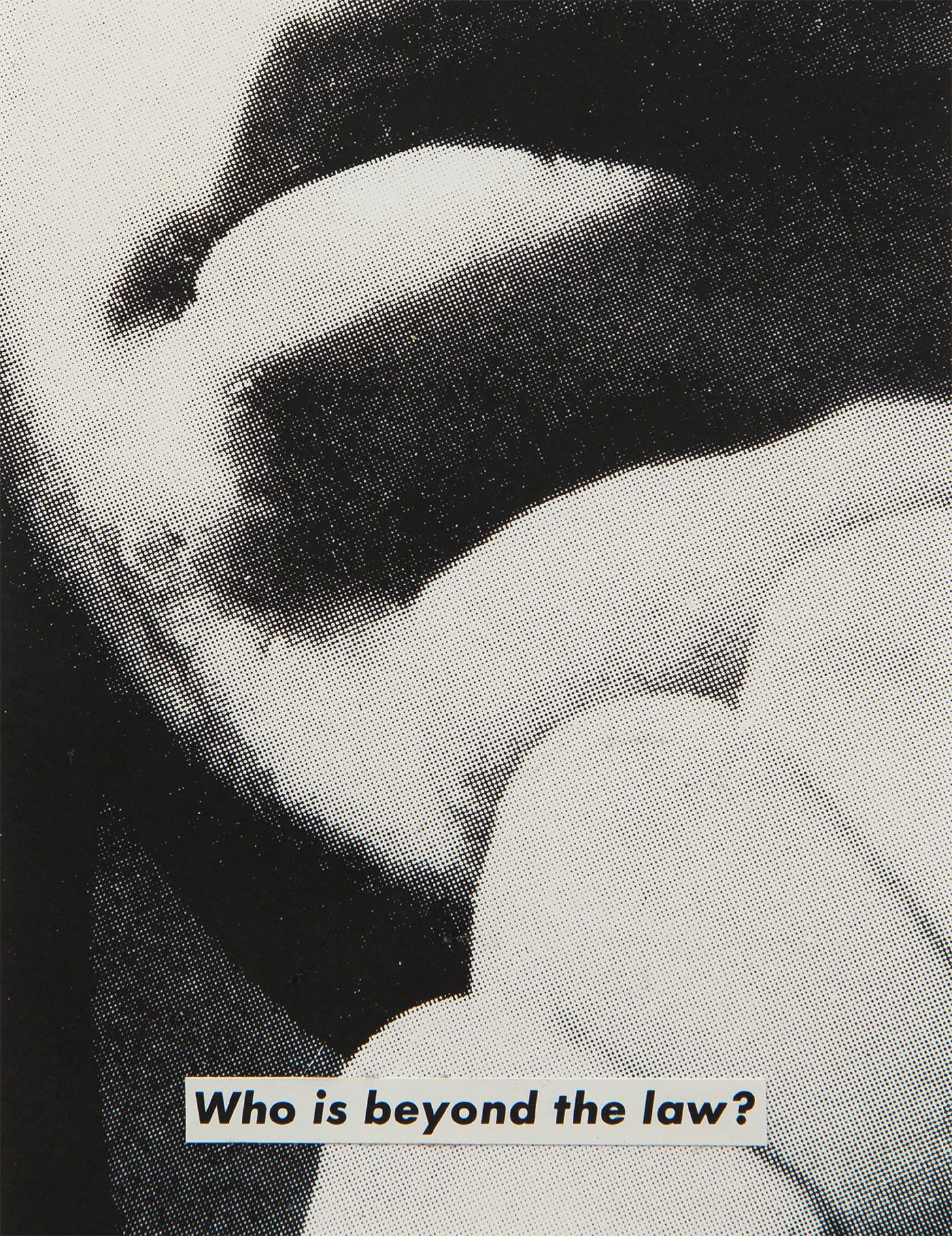
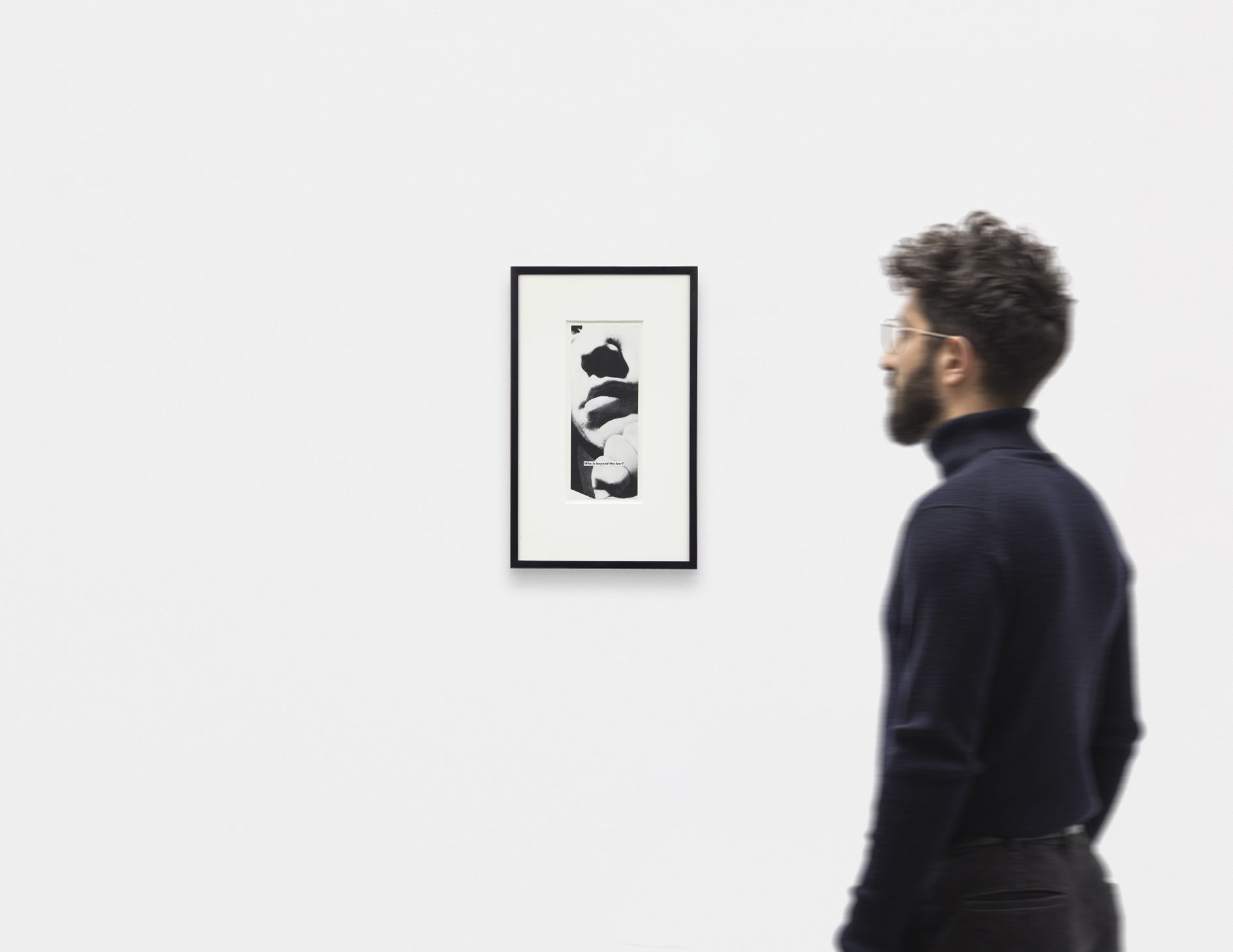
Untitled (Who is beyond the law?), 1989

Learn more
Barbara Kruger

Barbara Kruger
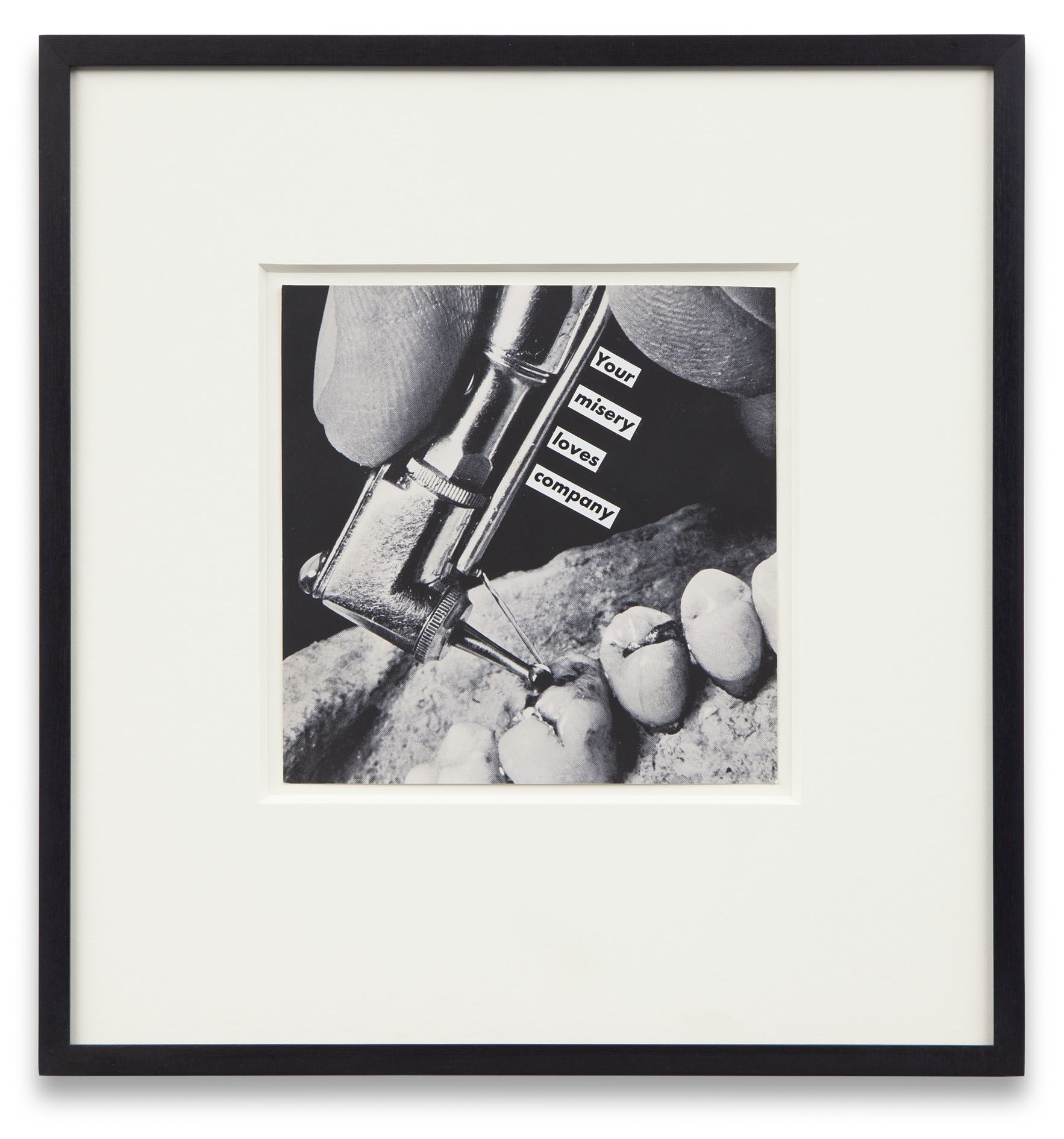
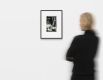
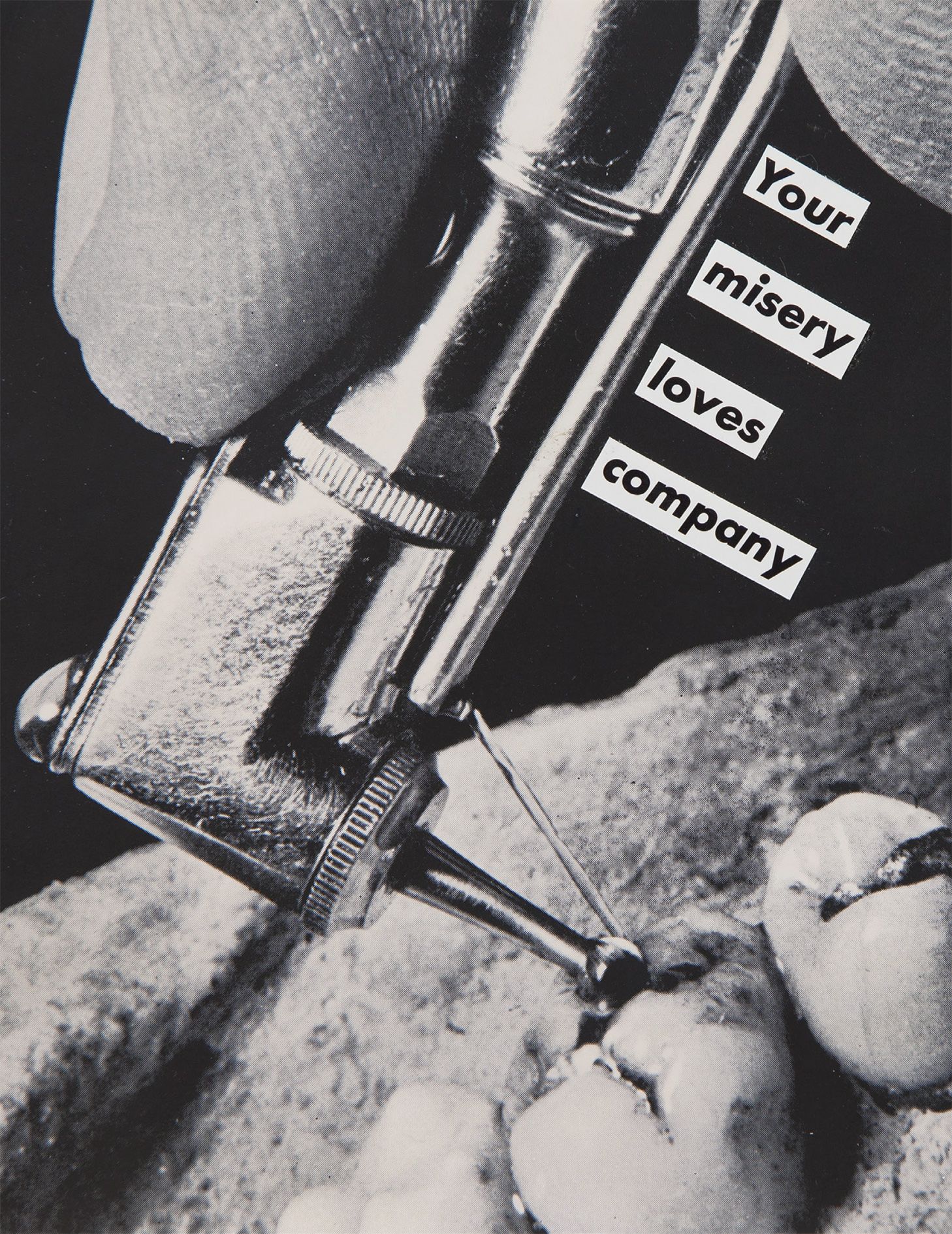
Untitled (Your misery loves company), 1985

Learn more
Nancy Holt

Nancy Holt
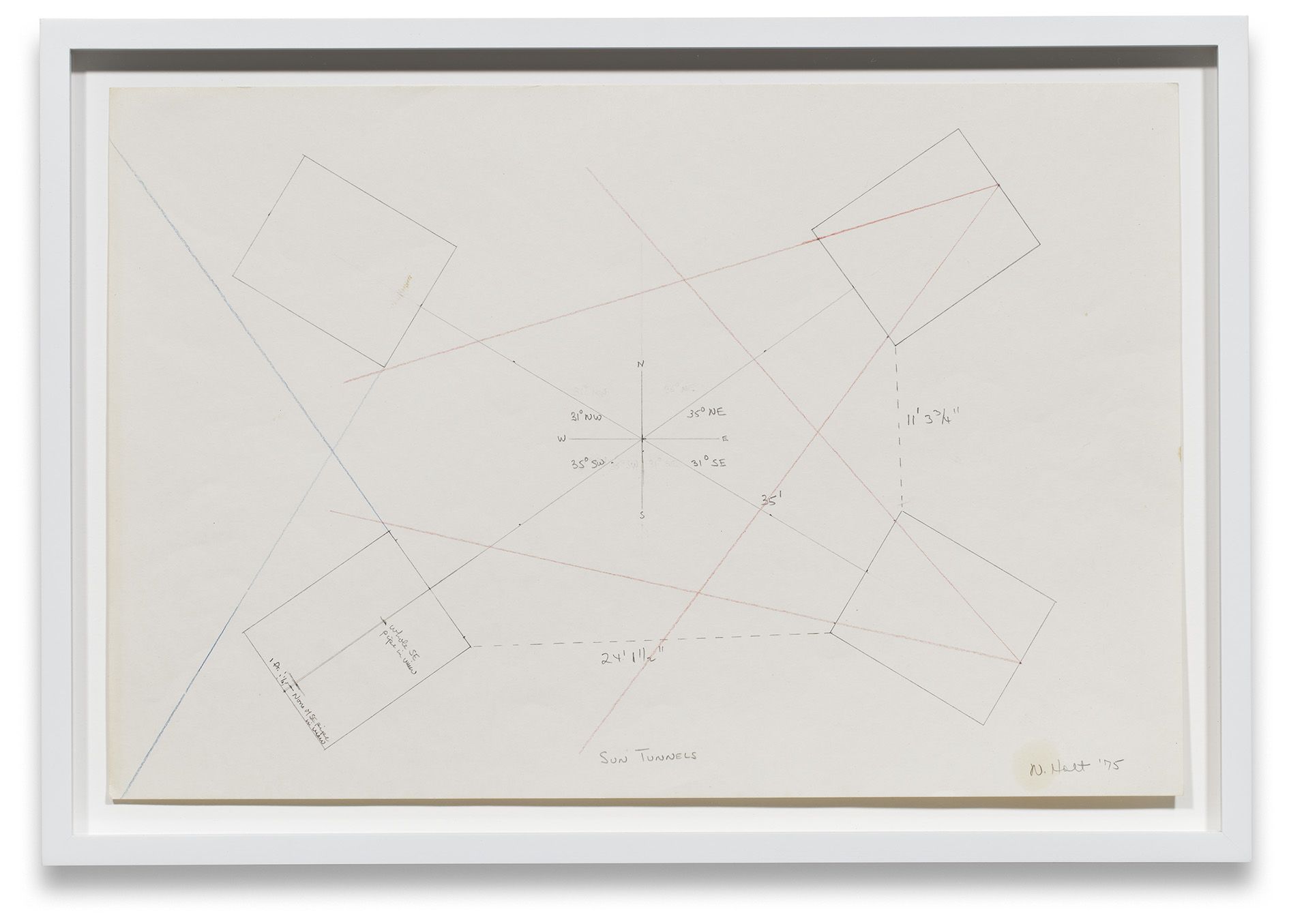
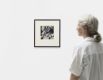
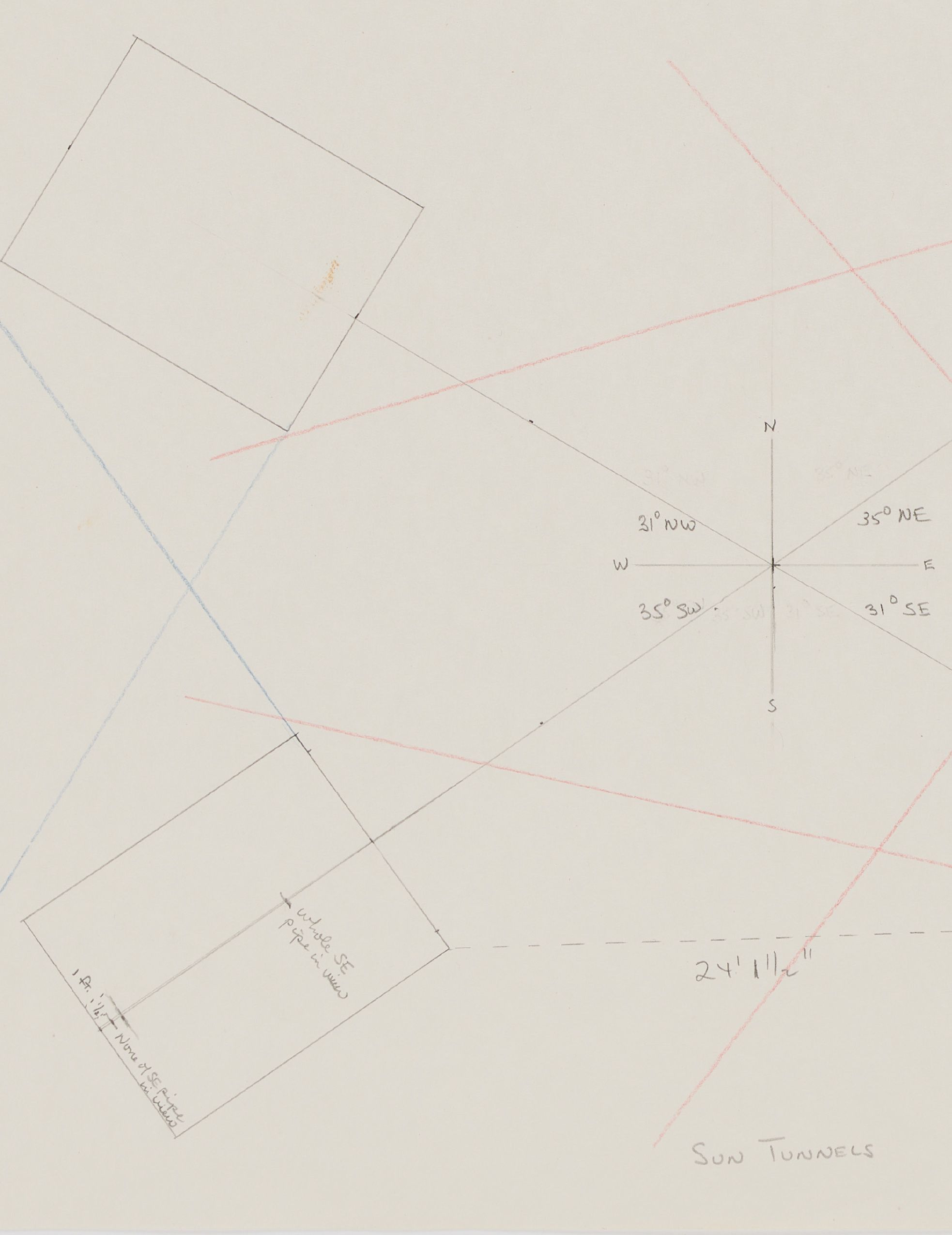
Sun Tunnels, 1975

Learn more
Nancy Holt

Nancy Holt
Concrete Poem, 1968

Learn more
Jenny Holzer

Jenny Holzer
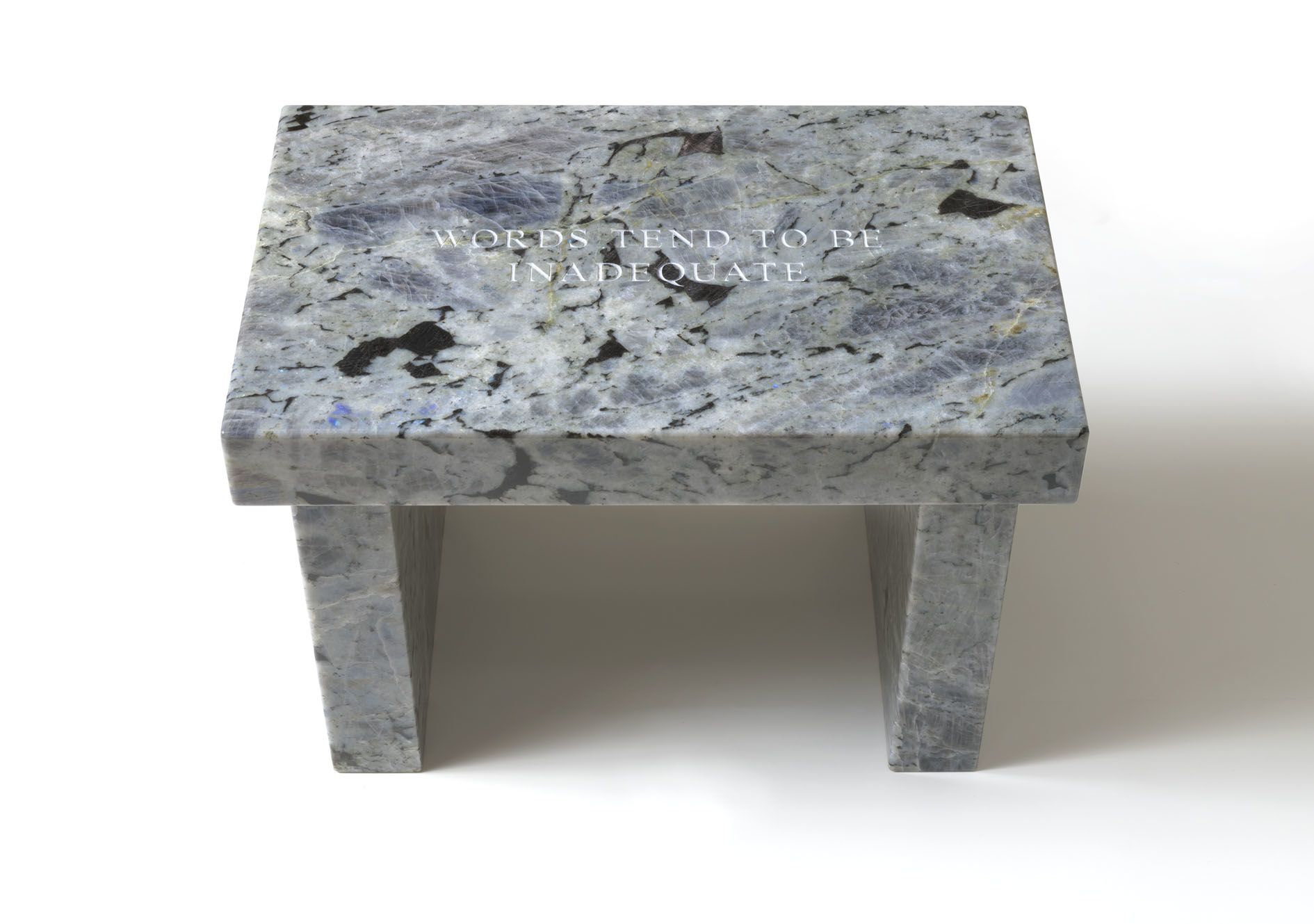
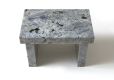
Selection from Truisms: Words tend to…, 2020

Learn more
Jenny Holzer

Jenny Holzer
Living: More people will be building hiding places…, 1989–2023

Learn more
Jenny Holzer

Jenny Holzer
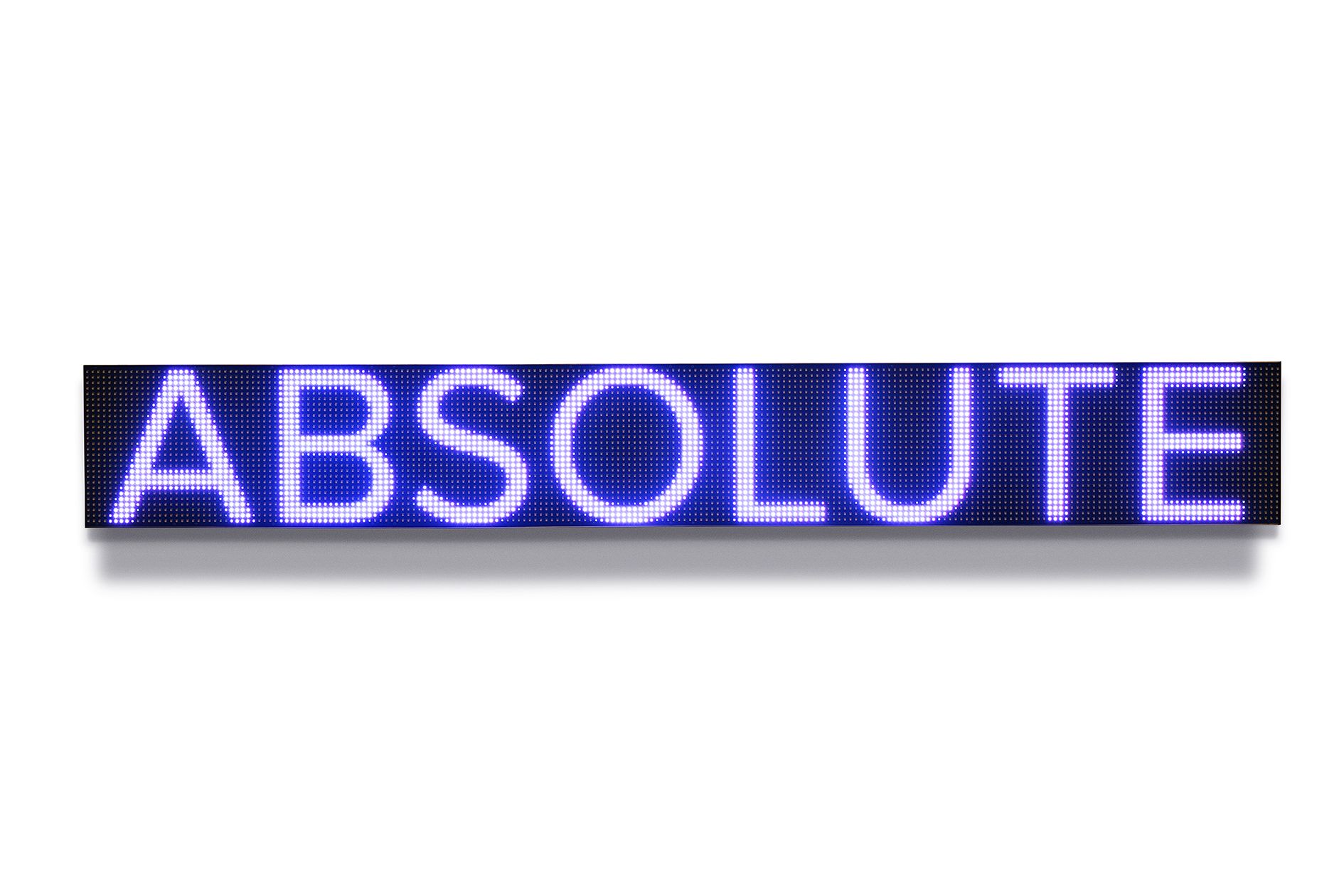
Pearl’s Truisms & Survival, 2013

Learn more
Henni Alftan

Henni Alftan
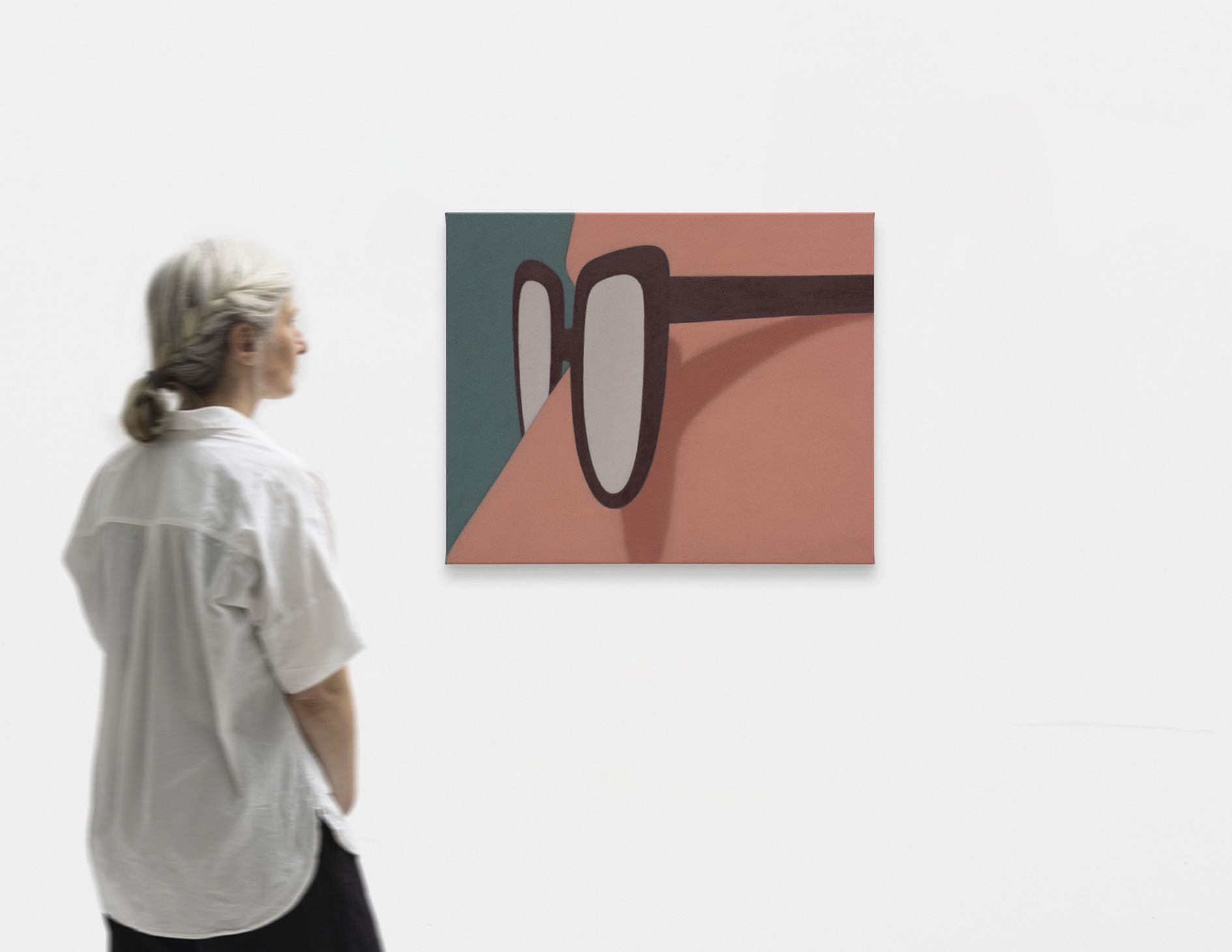
Goggles II, 2025

Learn more
Kara Walker

Kara Walker
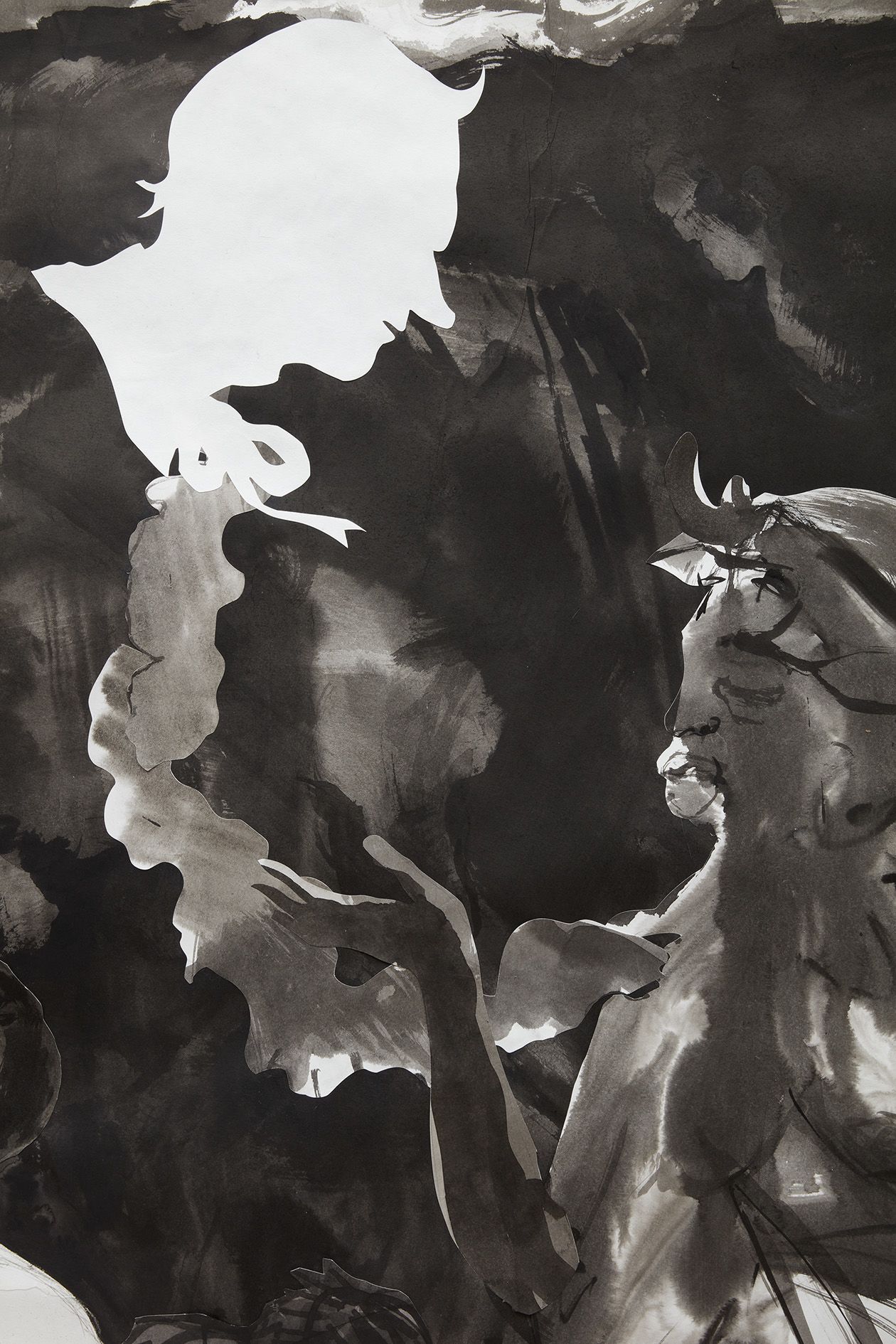
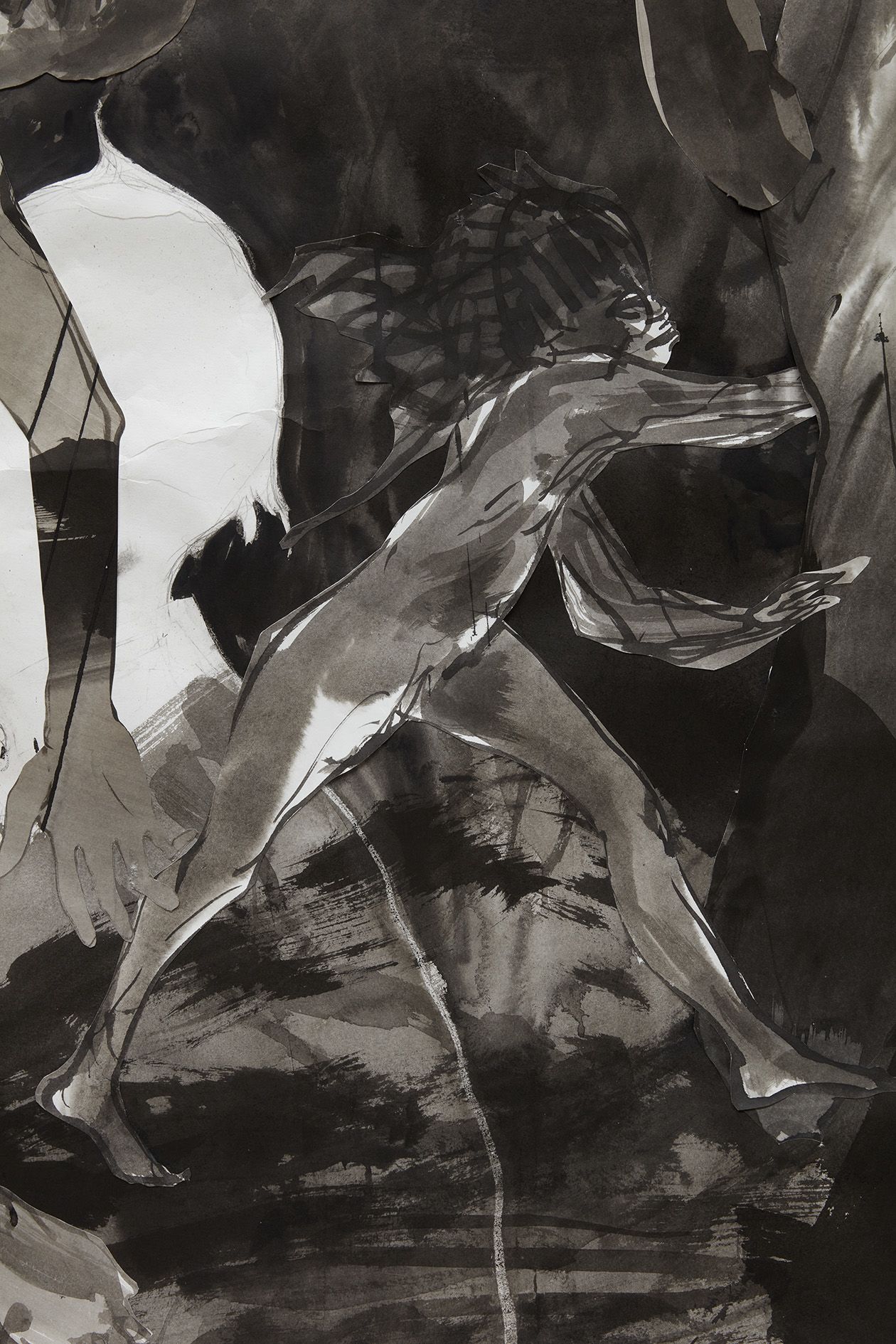
A Free Speech Exercise Whose Main Point was Lost Midway Through, 2022–23

Learn more
Kara Walker

Kara Walker
Scientific Method, 2018

Learn more
Kara Walker

Kara Walker
Magician – After the Original, 2024

Learn more
Sterling Ruby

Sterling Ruby
HENBANE (9100), 2025

Learn more
Analia Saban

Analia Saban
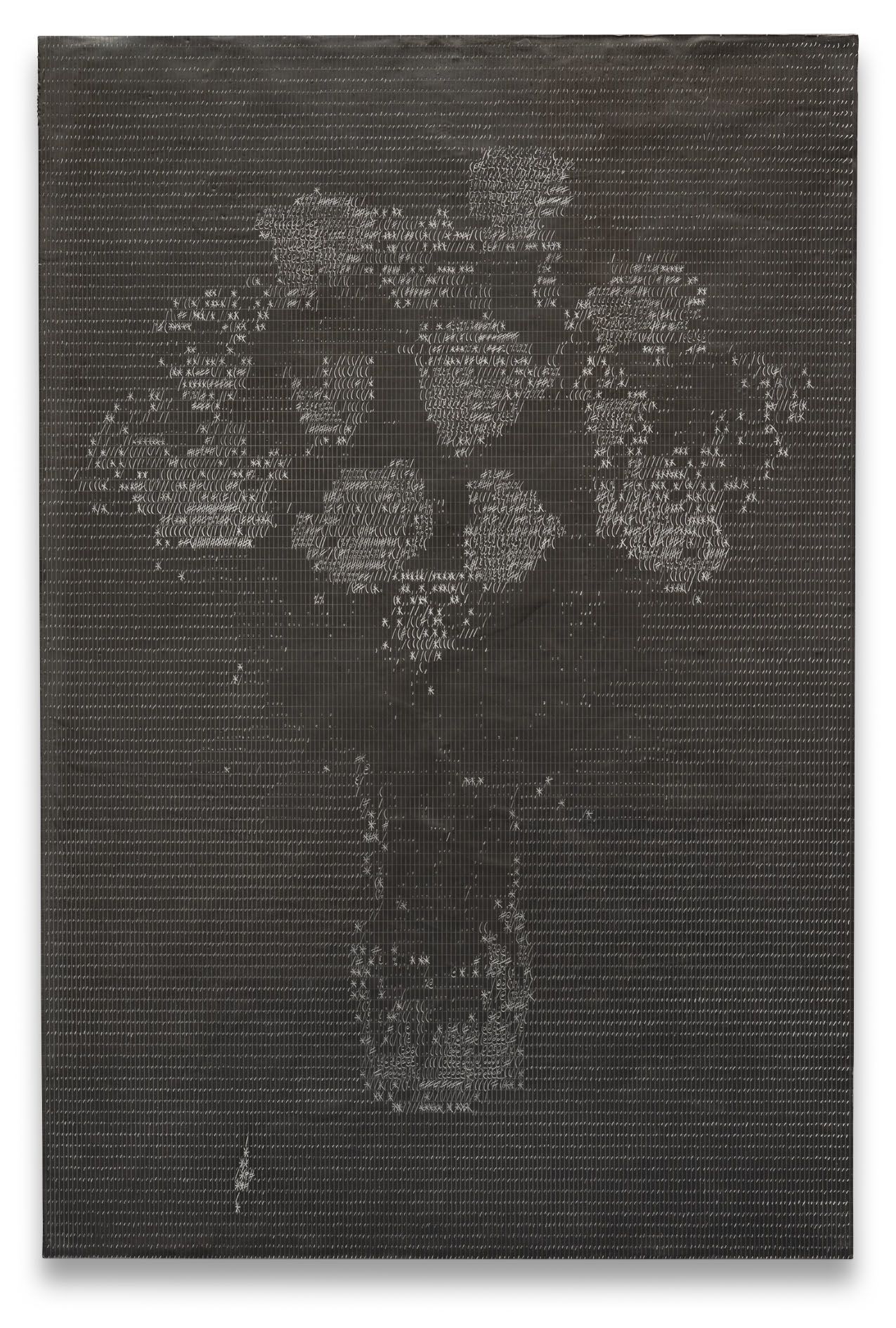
Vase of Roses: (@#&%/,.*, 2024

Learn more
Gala Porras-Kim

Gala Porras-Kim
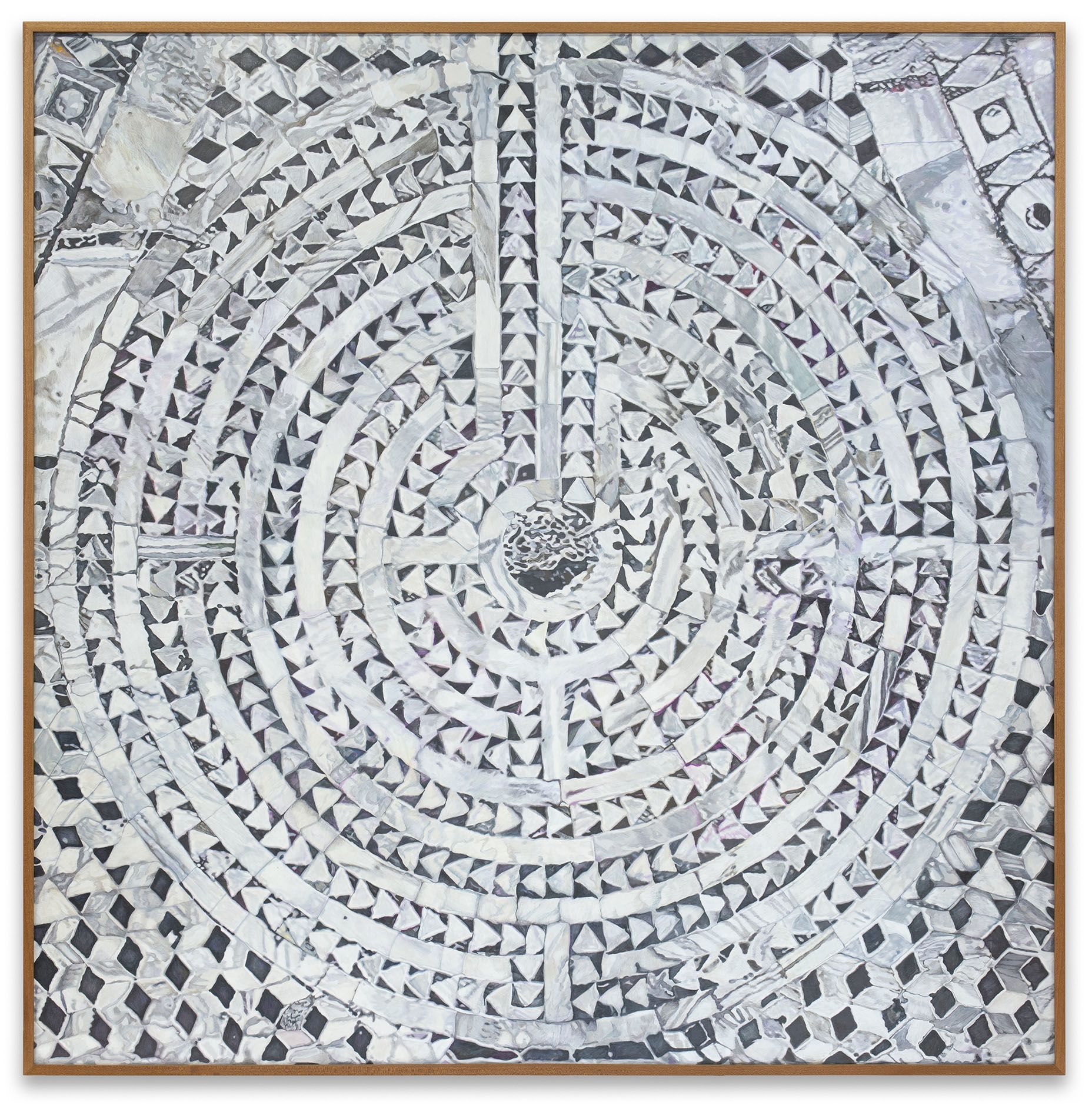
San Vitale, Ravenna, marble floor reconstruction, 2025

Learn more
Lucy Dodd

Lucy Dodd
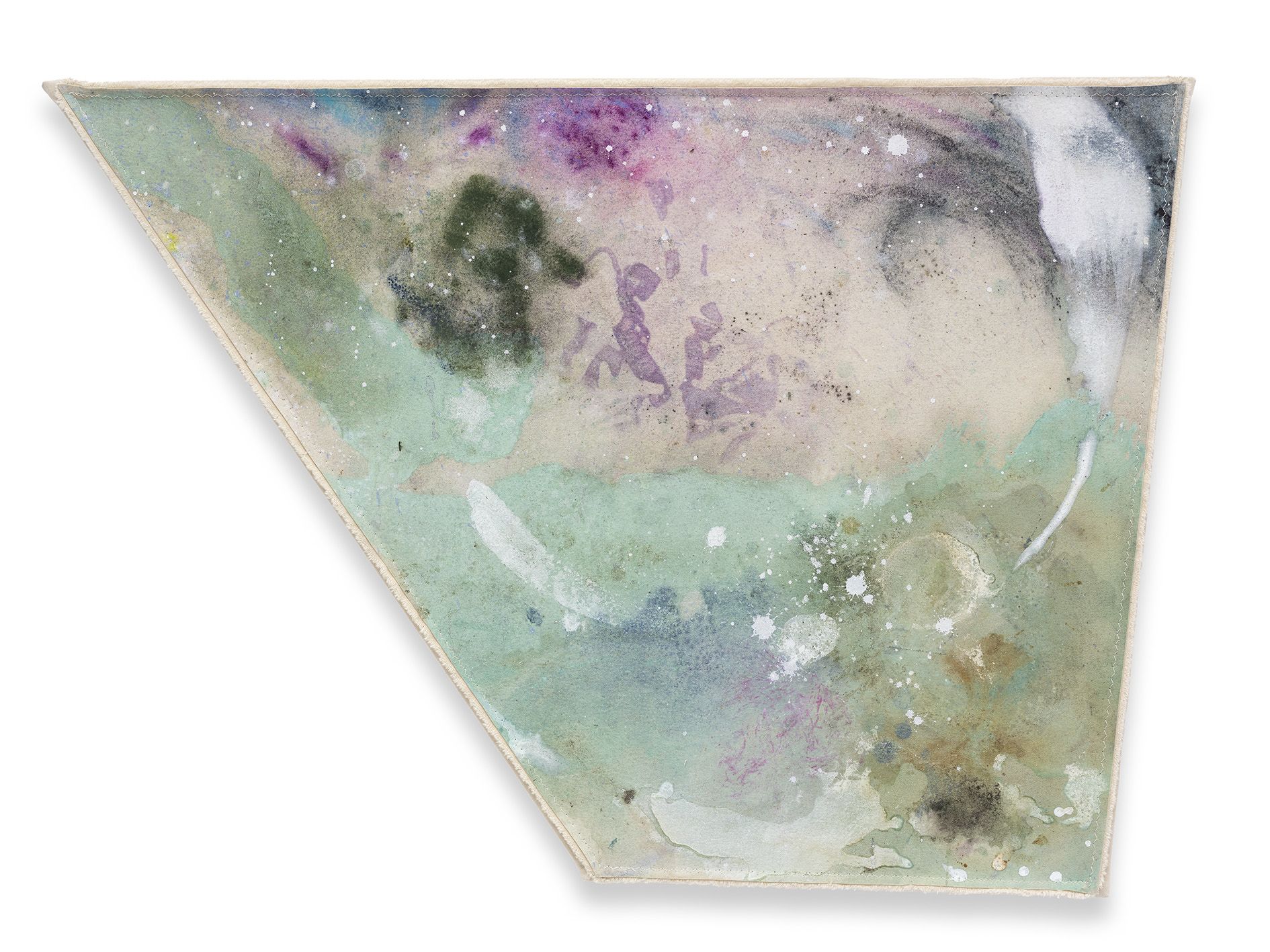
Dance of the Nereid, 2024

Learn more
Lucy Dodd

Lucy Dodd
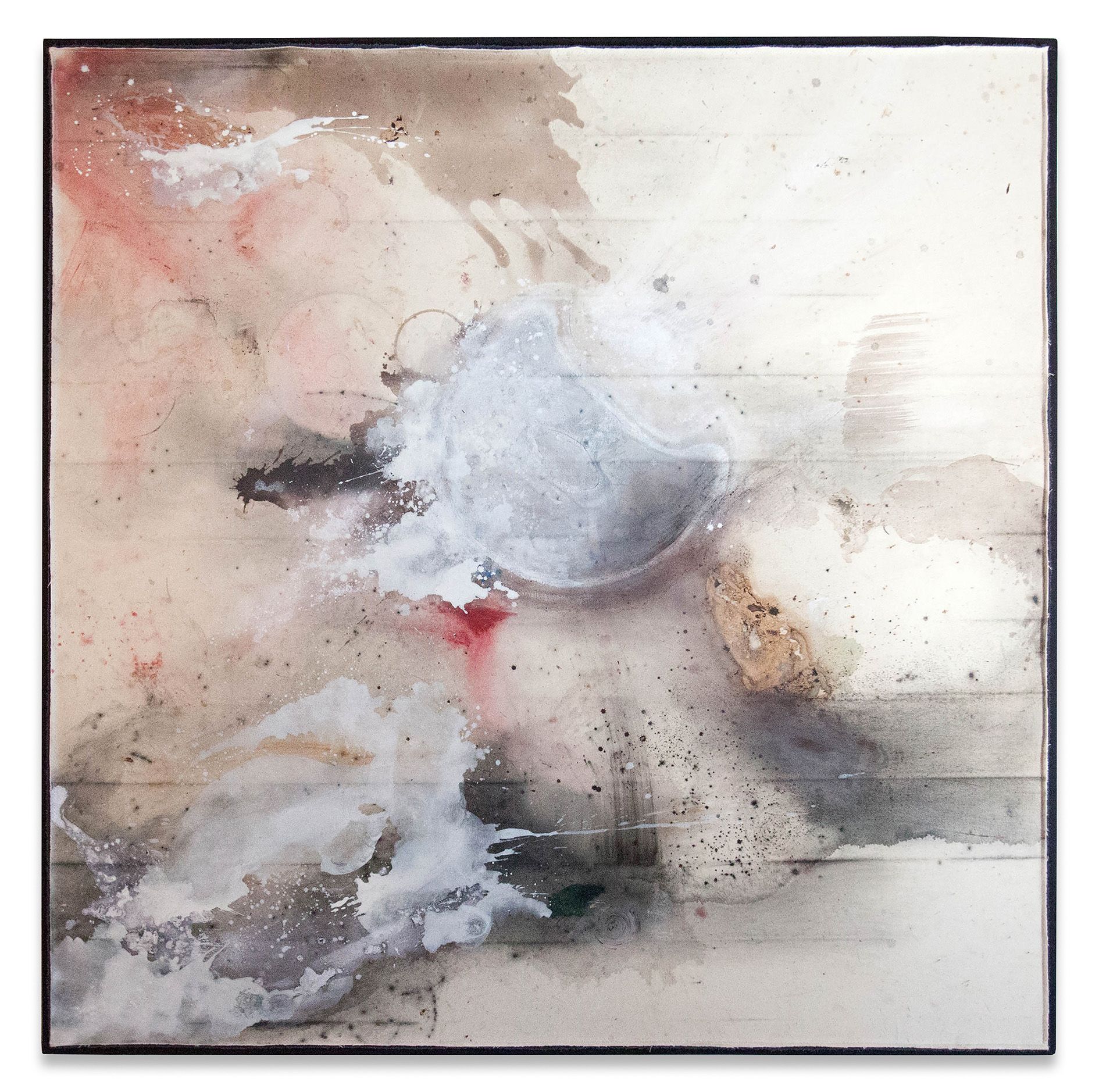
The 13th Moon, 2016

Learn more
image/svg+xml
<p><b>John Baldessari<br />
</b><i>Camel (Albino) Contemplating Needle (Large)</i>, 2013</p>
<p><b>John Baldessari<br />
</b><i>Camel (Albino) Contemplating Needle (Large)</i>, 2013<br />
Fiberglass, aluminum, stainless steel, acrylic and paint<br />
Camel: 271.7 × 81.2 × 269.2 cm | 106 × 107 × 31 1/2 inches<br />
Needle: 320 × 13 × 13 cm | 126 1/2 × 4 × 3 inches<br />
Edition of 3 + 3 AP</p>
<p><b>John Baldessari<br />
</b><i>Camel (Albino) Contemplating Needle (Large)</i>, 2013<br />
Fiberglass, aluminum, stainless steel, acrylic and paint<br />
Camel: 271.7 × 81.2 × 269.2 cm | 106 × 107 × 31 1/2 inches<br />
Needle: 320 × 13 × 13 cm | 126 1/2 × 4 × 3 inches<br />
Edition of 3 + 3 AP</p>
<p><b>John Baldessari<br />
</b><i>Camel (Albino) Contemplating Needle (Large)</i>, 2013<br />
Fiberglass, aluminum, stainless steel, acrylic and paint<br />
Camel: 271.7 × 81.2 × 269.2 cm | 106 × 107 × 31 1/2 inches<br />
Needle: 320 × 13 × 13 cm | 126 1/2 × 4 × 3 inches<br />
Edition of 3 + 3 AP</p>
<p><b>John Baldessari<br />
</b><i>Camel (Albino) Contemplating Needle (Large)</i>, 2013<br />
Fiberglass, aluminum, stainless steel, acrylic and paint<br />
Camel: 271.7 × 81.2 × 269.2 cm | 106 × 107 × 31 1/2 inches<br />
Needle: 320 × 13 × 13 cm | 126 1/2 × 4 × 3 inches<br />
Edition of 3 + 3 AP</p>
<p><b>John Baldessari<br />
</b><i>Camel (Albino) Contemplating Needle (Large)</i>, 2013<br />
Fiberglass, aluminum, stainless steel, acrylic and paint<br />
Camel: 271.7 × 81.2 × 269.2 cm | 106 × 107 × 31 1/2 inches<br />
Needle: 320 × 13 × 13 cm | 126 1/2 × 4 × 3 inches<br />
Edition of 3 + 3 AP</p>
<p><b>John Baldessari<br />
</b><i>Camel (Albino) Contemplating Needle (Large)</i>, 2013<br />
Fiberglass, aluminum, stainless steel, acrylic and paint<br />
Camel: 271.7 × 81.2 × 269.2 cm | 106 × 107 × 31 1/2 inches<br />
Needle: 320 × 13 × 13 cm | 126 1/2 × 4 × 3 inches<br />
Edition of 3 + 3 AP</p>
<p><b>John Baldessari<br />
</b><i>Camel (Albino) Contemplating Needle (Large)</i>, 2013<br />
Fiberglass, aluminum, stainless steel, acrylic and paint<br />
Camel: 271.7 × 81.2 × 269.2 cm | 106 × 107 × 31 1/2 inches<br />
Needle: 320 × 13 × 13 cm | 126 1/2 × 4 × 3 inches<br />
Edition of 3 + 3 AP</p>

John Baldessari
Camel (Albino) Contemplating Needle (Large), 2013
Fiberglass, aluminum, stainless steel, acrylic and paint
Camel: 271.7 × 81.2 × 269.2 cm | 106 × 107 × 31 1/2 inches
Needle: 320 × 13 × 13 cm | 126 1/2 × 4 × 3 inches
Edition of 3 + 3 AP

John Baldessari
Camel (Albino) Contemplating Needle (Large), 2013
Fiberglass, aluminum, stainless steel, acrylic and paint


Camel: 271.7 × 81.2 × 269.2 cm | 106 × 107 × 31 1/2 inches
Needle: 320 × 13 × 13 cm | 126 1/2 × 4 × 3 inches
Edition of 3 + 3 AP

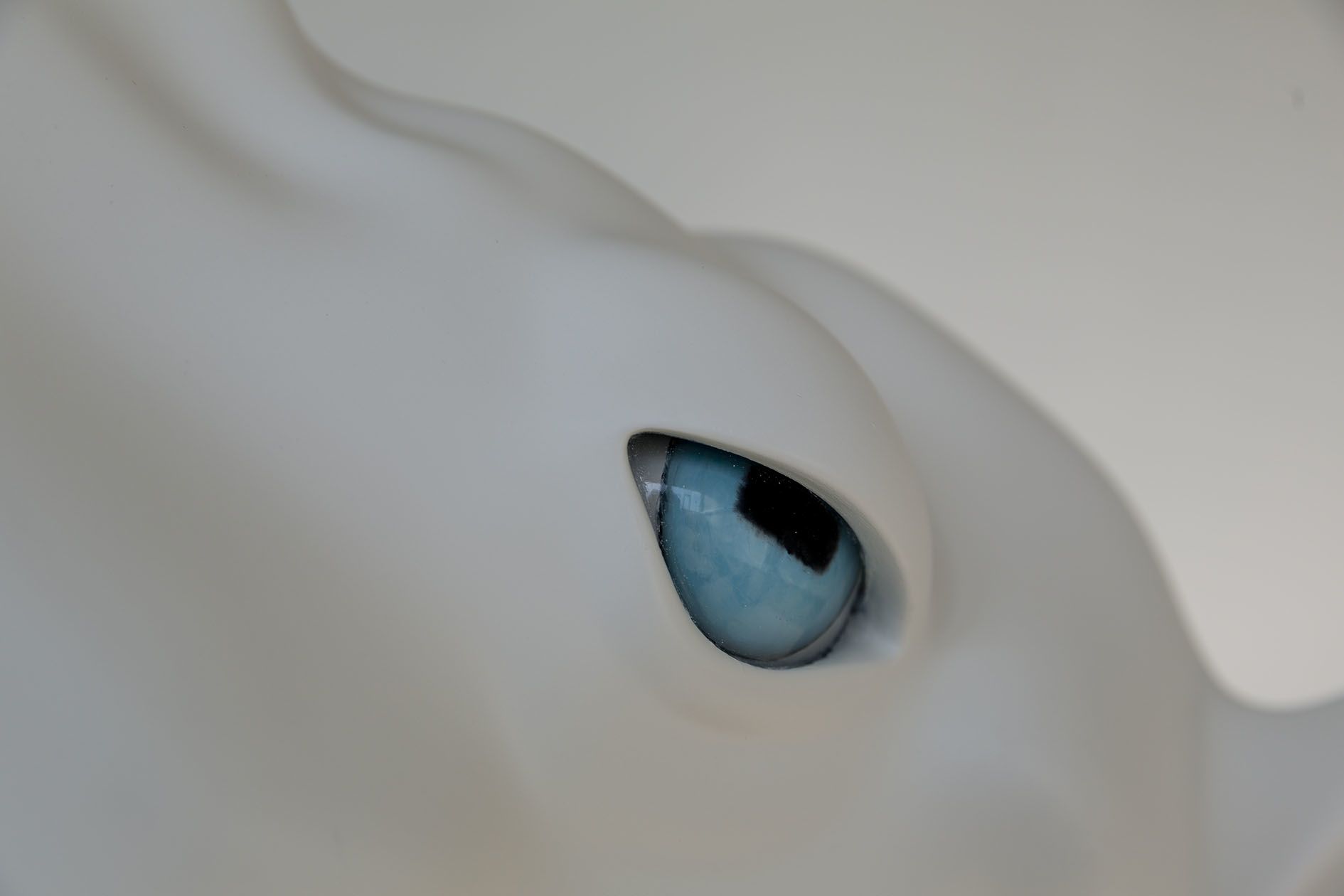
John Baldessari’s name is synonymous with the art scene in his native West Coast and the history of conceptual art internationally. His career as an influential artist and venerated teacher spanned over sixty years and comprised a diverse oeuvre of painting, photography, sculpture and video. Though best known for his two-dimensional works, Baldessari worked extensively in three dimensions, creating numerous sculptures and installations that played with space and scale to dramatic effect. Camel (Albino) Contemplating Needle (Large) (2013) features a life-size camel staring intently at a decidedly oversized needle that balances impossibly on its point. The camel’s white fiberglass skin, its piercing blue eyes, and the sheen of the needle’s metallic surface offer rich visual and textural contrasts, while the subject matter represents a mixture of religious beliefs from the Bible to the Quran to the Midrash—specifically the phrase “It is easier for a camel to go through the eye of a needle than for a rich man to enter the kingdom of God.”
Read more

Spoken by Jesus, the metaphor is used to illustrate the humility required for salvation. Beautiful, but also tongue-in-cheek, Baldessari’s camel demonstrates his singular mix of irreverence and sincerity.

John Baldessari (1931–2020) lived and worked in Venice, California. Selected solo exhibitions include Bozar Centre for Fine Arts, Brussels (2025–26), Fondazione Querini Stampalia, Venice, Italy (2025), Museo de Arte Latinoamericano de Buenos Aires (2024), Moderna Museet, Stockholm (2020), Laguna Art Museum, Laguna Beach (2019), Museo Jumex, Mexico City (2017), Städel Museum, Frankfurt (2015), Garage Center for Contemporary Culture, Moscow (2013), Fondazione Prada, Milan (2010), Stedelijk Museum, Amsterdam (2011), Tate Modern, London (2009), Museum of Contemporary Art, Barcelona (2010), Los Angeles County Museum of Art (2010), and Metropolitan Museum of Art, New York (2010–11). Selected group exhibitions include the 53rd La Biennale di Venezia (2009), at which he was honored with the Golden Lion for Lifetime Achievement, Whitney Biennial (2009, 1983), Documenta V and VII (1972, 1982), and the Carnegie International (1985–86).

<p><b>John Baldessari<br />
</b><i>MEDITERRANEAN BUILDING ELMWOOD After you.</i>, 2017</p>
<p><b>John Baldessari<br />
</b><i>MEDITERRANEAN BUILDING ELMWOOD After you.</i>, 2017<br />
Inkjet print and acrylic paint on canvas<br />
158.8 × 137.2 × 3.8 cm | 62 1/2 × 54 × 1 1/2 inches</p>
<p><b>John Baldessari<br />
</b><i>MEDITERRANEAN BUILDING ELMWOOD After you.</i>, 2017<br />
Inkjet print and acrylic paint on canvas<br />
158.8 × 137.2 × 3.8 cm | 62 1/2 × 54 × 1 1/2 inches</p>
<p><b>John Baldessari<br />
</b><i>MEDITERRANEAN BUILDING ELMWOOD After you.</i>, 2017<br />
Inkjet print and acrylic paint on canvas<br />
158.8 × 137.2 × 3.8 cm | 62 1/2 × 54 × 1 1/2 inches</p>
<p><b>John Baldessari<br />
</b><i>MEDITERRANEAN BUILDING ELMWOOD After you.</i>, 2017<br />
Inkjet print and acrylic paint on canvas<br />
158.8 × 137.2 × 3.8 cm | 62 1/2 × 54 × 1 1/2 inches</p>
<p><b>John Baldessari<br />
</b><i>MEDITERRANEAN BUILDING ELMWOOD After you.</i>, 2017<br />
Inkjet print and acrylic paint on canvas<br />
158.8 × 137.2 × 3.8 cm | 62 1/2 × 54 × 1 1/2 inches</p>

John Baldessari
MEDITERRANEAN BUILDING ELMWOOD After you., 2017
Inkjet print and acrylic paint on canvas
158.8 × 137.2 × 3.8 cm | 62 1/2 × 54 × 1 1/2 inches

John Baldessari
MEDITERRANEAN BUILDING ELMWOOD After you., 2017
Inkjet print and acrylic paint on canvas


158.8 × 137.2 × 3.8 cm | 62 1/2 × 54 × 1 1/2 inches

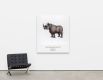
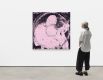
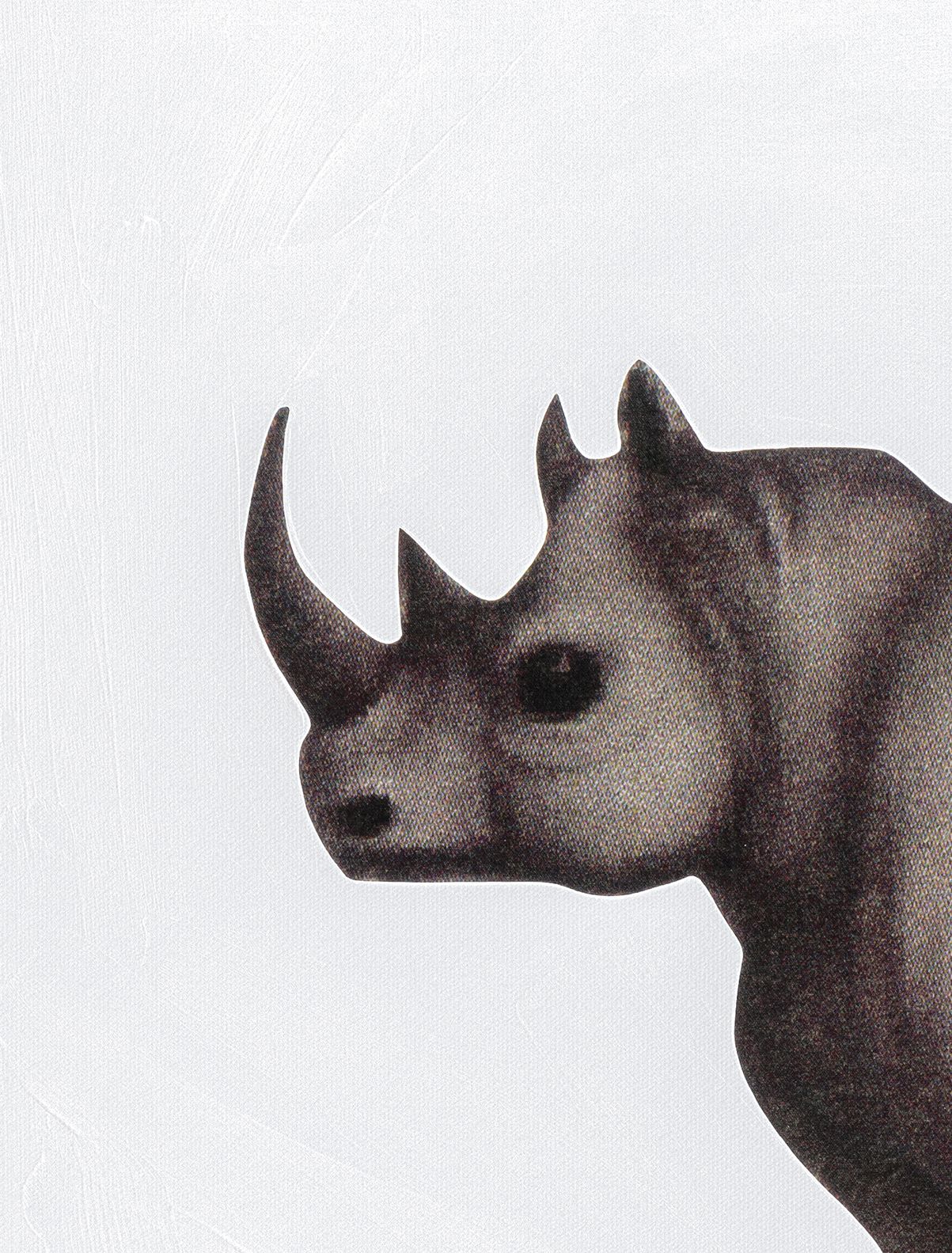
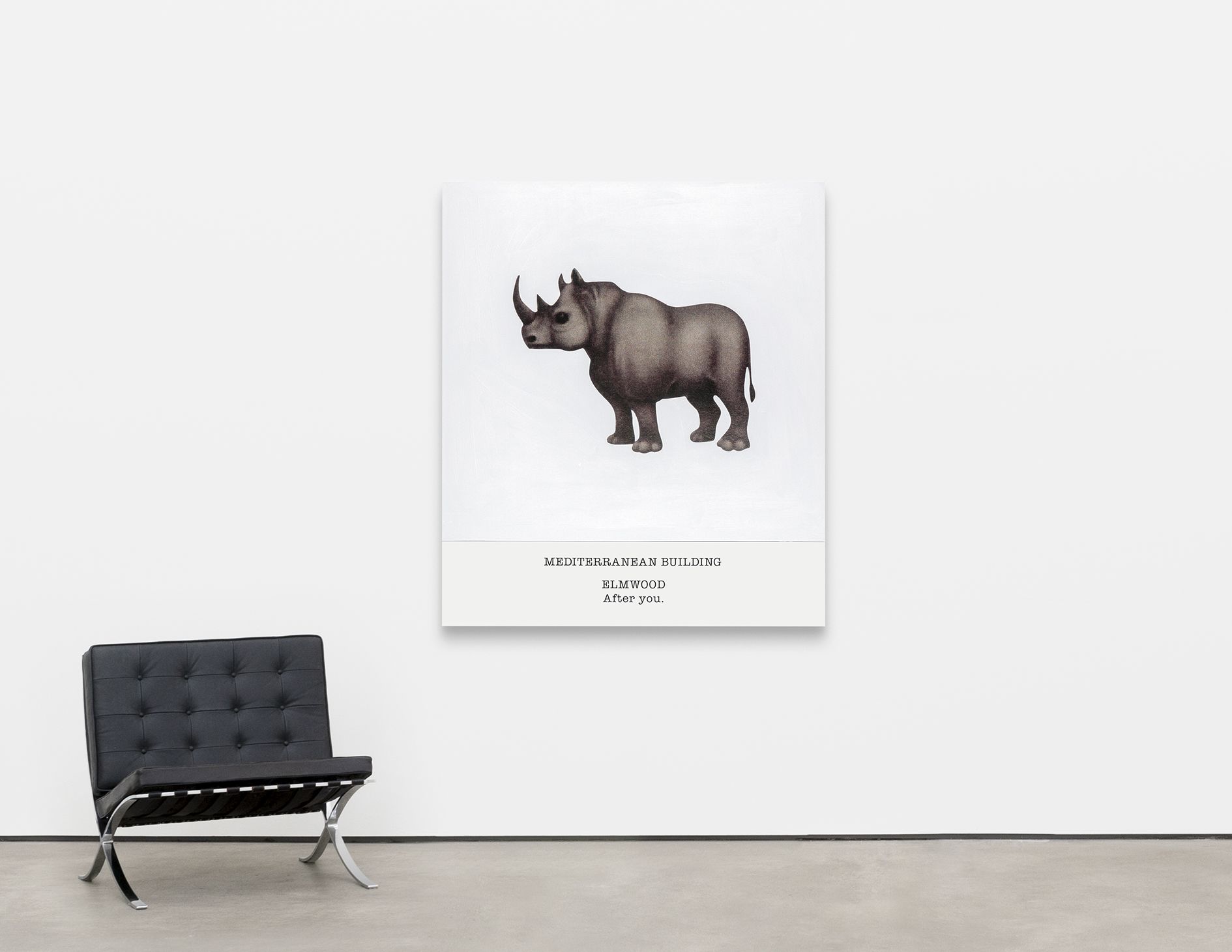
From his earliest text paintings in the late 1960s to 2020, Baldessari reveled in the playful dislocation between text and image, expanded here in one of his last bodies of work, the Emoji paintings. The Emoji icons, by definition ambiguous and dependent on context, have become a new form of language in and of themselves, making them a natural subject for Baldessari. Inkjet prints of realistic animal Emojis dominate large canvases, whose surrounding white expanses are painted in acrylic. Below each picture, typed film-script snippets appear to caption the icons, although it is difficult to find any connection between them. Here, a rhinoceros appears above a scene description (“MEDITERRANEAN BUILDING”) where a character, “ELMWOOD,” says “After you.” Is this the rhinoceros speaking? The disjunctive composition activates a wry combination of visual and written language that allows alternative narratives and interpretations to flourish in the viewers’ imagination, illustrating Baldessari’s keen ability to explore complex structural linguistics using accessible methods and references.

Read more

John Baldessari (1931–2020) lived and worked in Venice, California. Selected solo exhibitions include Bozar Centre for Fine Arts, Brussels (2025–26), Fondazione Querini Stampalia, Venice, Italy (2025), Museo de Arte Latinoamericano de Buenos Aires (2024), Moderna Museet, Stockholm (2020), Laguna Art Museum, Laguna Beach (2019), Museo Jumex, Mexico City (2017), Städel Museum, Frankfurt (2015), Garage Center for Contemporary Culture, Moscow (2013), Fondazione Prada, Milan (2010), Stedelijk Museum, Amsterdam (2011), Tate Modern, London (2009), Museum of Contemporary Art, Barcelona (2010), Los Angeles County Museum of Art (2010), and Metropolitan Museum of Art, New York (2010–11). Selected group exhibitions include the 53rd La Biennale di Venezia (2009), at which he was honored with the Golden Lion for Lifetime Achievement, Whitney Biennial (2009, 1983), Documenta V and VII (1972, 1982), and the Carnegie International (1985–86).

<p><b>John Baldessari<br />
</b><i>Raised Eyebrows/Furrowed Foreheads (Part One): (Red and Green Eyebrows)</i>, 2008</p>
<p><b>John Baldessari<br />
</b><i>Raised Eyebrows/Furrowed Foreheads (Part One): (Red and Green Eyebrows)</i>, 2008<br />
Inkjet prints and acrylic paint on layered and shaped foam PVC board and polystyrene board (with custom-cut raised and incised elements)<br />
145.4 × 283.8 × 17.1 cm | 57 1/4 × 111 3/4 × 6 3/4 inches</p>
<p><b>John Baldessari<br />
</b><i>Raised Eyebrows/Furrowed Foreheads (Part One): (Red and Green Eyebrows)</i>, 2008<br />
Inkjet prints and acrylic paint on layered and shaped foam PVC board and polystyrene board (with custom-cut raised and incised elements)<br />
145.4 × 283.8 × 17.1 cm | 57 1/4 × 111 3/4 × 6 3/4 inches</p>
<p><b>John Baldessari<br />
</b><i>Raised Eyebrows/Furrowed Foreheads (Part One): (Red and Green Eyebrows)</i>, 2008<br />
Inkjet prints and acrylic paint on layered and shaped foam PVC board and polystyrene board (with custom-cut raised and incised elements)<br />
145.4 × 283.8 × 17.1 cm | 57 1/4 × 111 3/4 × 6 3/4 inches</p>

John Baldessari
Raised Eyebrows/Furrowed Foreheads (Part One): (Red and Green Eyebrows), 2008
Inkjet prints and acrylic paint on layered and shaped foam PVC board and polystyrene board (with custom-cut raised and incised elements)
145.4 × 283.8 × 17.1 cm | 57 1/4 × 111 3/4 × 6 3/4 inches

John Baldessari
Raised Eyebrows/Furrowed Foreheads (Part One): (Red and Green Eyebrows), 2008
Inkjet prints and acrylic paint on layered and shaped foam PVC board and polystyrene board (with custom-cut raised and incised elements)


145.4 × 283.8 × 17.1 cm | 57 1/4 × 111 3/4 × 6 3/4 inches

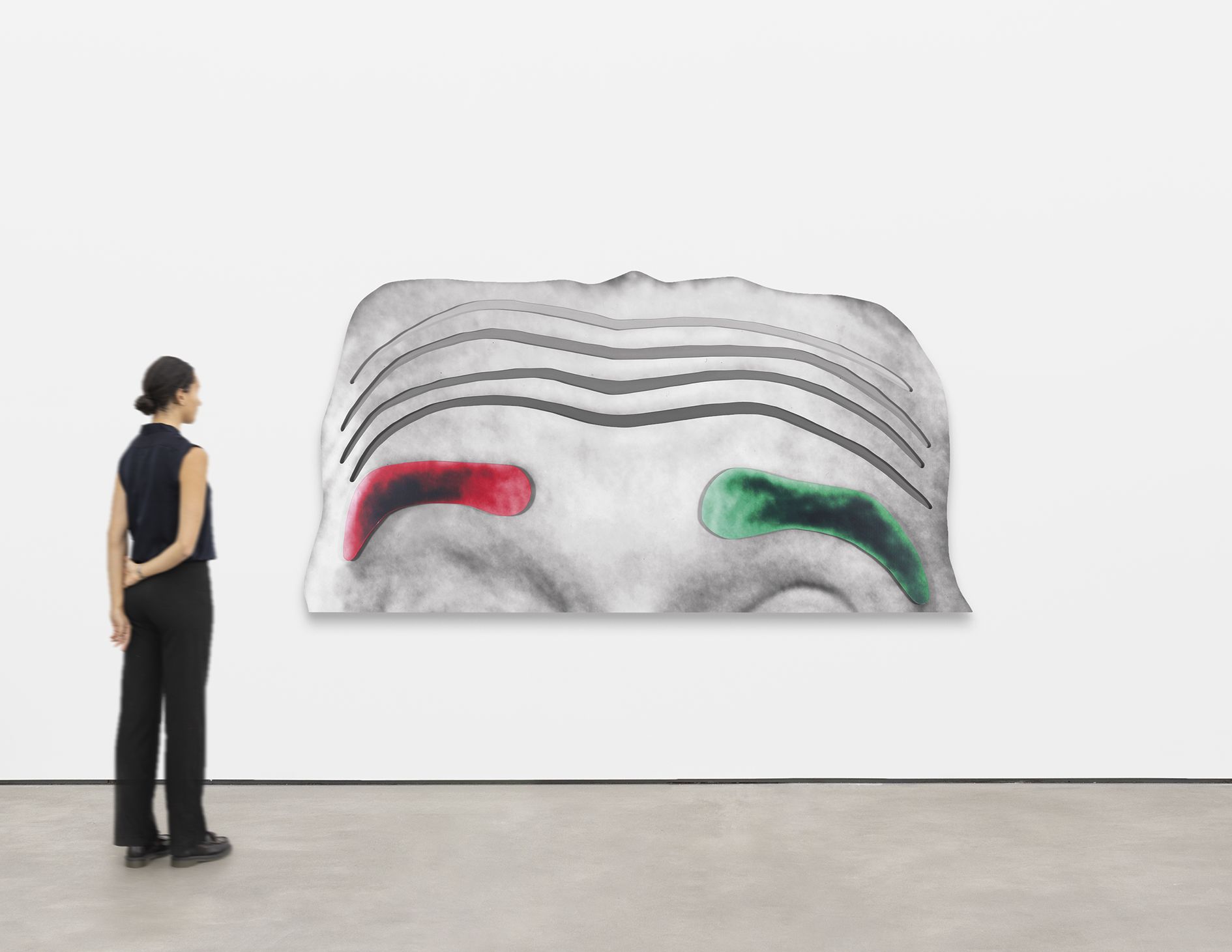
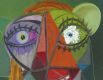
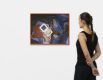
In his 2008 series Raised Eyebrows/Furrowed Foreheads, Baldessari used fragmentation, as well as the interplay of flatness and depth, to explore the complexities of human gestures, emotions, and identity. The red and green eyebrows in this work are raised compared to the rest of the face, while the forehead’s furrows are recessed. Speaking about this series to Art21 in 2008, the artist explained, “One of the underlying themes of my work over the years is trying to figure out, in my mind, what is the difference between a part and a whole. And I never quite get it right, because a part can become a whole, and a whole can become a part, and back and forth.” Here, the visible body parts suggest expressions of surprise or anxiety; yet because the face is fragmented and only partially visible, viewers must fill in the blanks—balancing the parts and the whole—regarding what this character might be feeling and experiencing.
Read more

John Baldessari (1931–2020) lived and worked in Venice, California. Selected solo exhibitions include Bozar Centre for Fine Arts, Brussels (2025–26), Fondazione Querini Stampalia, Venice, Italy (2025), Museo de Arte Latinoamericano de Buenos Aires (2024), Moderna Museet, Stockholm (2020), Laguna Art Museum, Laguna Beach (2019), Museo Jumex, Mexico City (2017), Städel Museum, Frankfurt (2015), Garage Center for Contemporary Culture, Moscow (2013), Fondazione Prada, Milan (2010), Stedelijk Museum, Amsterdam (2011), Tate Modern, London (2009), Museum of Contemporary Art, Barcelona (2010), Los Angeles County Museum of Art (2010), and Metropolitan Museum of Art, New York (2010–11). Selected group exhibitions include the 53rd La Biennale di Venezia (2009), at which he was honored with the Golden Lion for Lifetime Achievement, Whitney Biennial (2009, 1983), Documenta V and VII (1972, 1982), and the Carnegie International (1985–86).
<p><b>Kenneth Anger<br />
</b><i>Kustom Kar Kommandos</i>, 1965</p>
<p><b>Kenneth Anger<br />
</b><i>Kustom Kar Kommandos</i>, 1965<br />
16mm film, color<br />
3 min<br />
Edition of 5 + 1 AP</p>
<p><b>Kenneth Anger<br />
</b><i>Kustom Kar Kommandos</i>, 1965<br />
16mm film, color<br />
3 min<br />
Edition of 5 + 1 AP</p>
<p><b>Kenneth Anger<br />
</b><i>Kustom Kar Kommandos</i>, 1965<br />
16mm film, color<br />
3 min<br />
Edition of 5 + 1 AP</p>
<p><b>Kenneth Anger<br />
</b><i>Kustom Kar Kommandos</i>, 1965<br />
16mm film, color<br />
3 min<br />
Edition of 5 + 1 AP</p>
<p><b>Kenneth Anger<br />
</b><i>Kustom Kar Kommandos</i>, 1965<br />
16mm film, color<br />
3 min<br />
Edition of 5 + 1 AP</p>
<p><b>Kenneth Anger<br />
</b><i>Kustom Kar Kommandos</i>, 1965<br />
16mm film, color<br />
3 min<br />
Edition of 5 + 1 AP</p>
<p><b>Kenneth Anger<br />
</b><i>Kustom Kar Kommandos</i>, 1965<br />
16mm film, color<br />
3 min<br />
Edition of 5 + 1 AP</p>
<p><b>Kenneth Anger<br />
</b><i>Kustom Kar Kommandos</i>, 1965<br />
16mm film, color<br />
3 min<br />
Edition of 5 + 1 AP</p>
<p><b>Kenneth Anger<br />
</b><i>Kustom Kar Kommandos</i>, 1965<br />
16mm film, color<br />
3 min<br />
Edition of 5 + 1 AP</p>
<p><b>Kenneth Anger<br />
</b><i>Kustom Kar Kommandos</i>, 1965<br />
16mm film, color<br />
3 min<br />
Edition of 5 + 1 AP</p>
<p><b>Kenneth Anger<br />
</b><i>Kustom Kar Kommandos</i>, 1965<br />
16mm film, color<br />
3 min<br />
Edition of 5 + 1 AP</p>
<p><b>Kenneth Anger<br />
</b><i>Kustom Kar Kommandos</i>, 1965<br />
16mm film, color<br />
3 min<br />
Edition of 5 + 1 AP</p>
<p><b>Kenneth Anger<br />
</b><i>Kustom Kar Kommandos</i>, 1965<br />
16mm film, color<br />
3 min<br />
Edition of 5 + 1 AP</p>
<p><b>Kenneth Anger<br />
</b><i>Kustom Kar Kommandos</i>, 1965<br />
16mm film, color<br />
3 min<br />
Edition of 5 + 1 AP</p>
<p><b>Kenneth Anger<br />
</b><i>Kustom Kar Kommandos</i>, 1965<br />
16mm film, color<br />
3 min<br />
Edition of 5 + 1 AP</p>

Kenneth Anger
Kustom Kar Kommandos, 1965
16mm film, color
3 min
Edition of 5 + 1 AP

Kenneth Anger
Kustom Kar Kommandos, 1965
16mm film, color


3 min
Edition of 5 + 1 AP

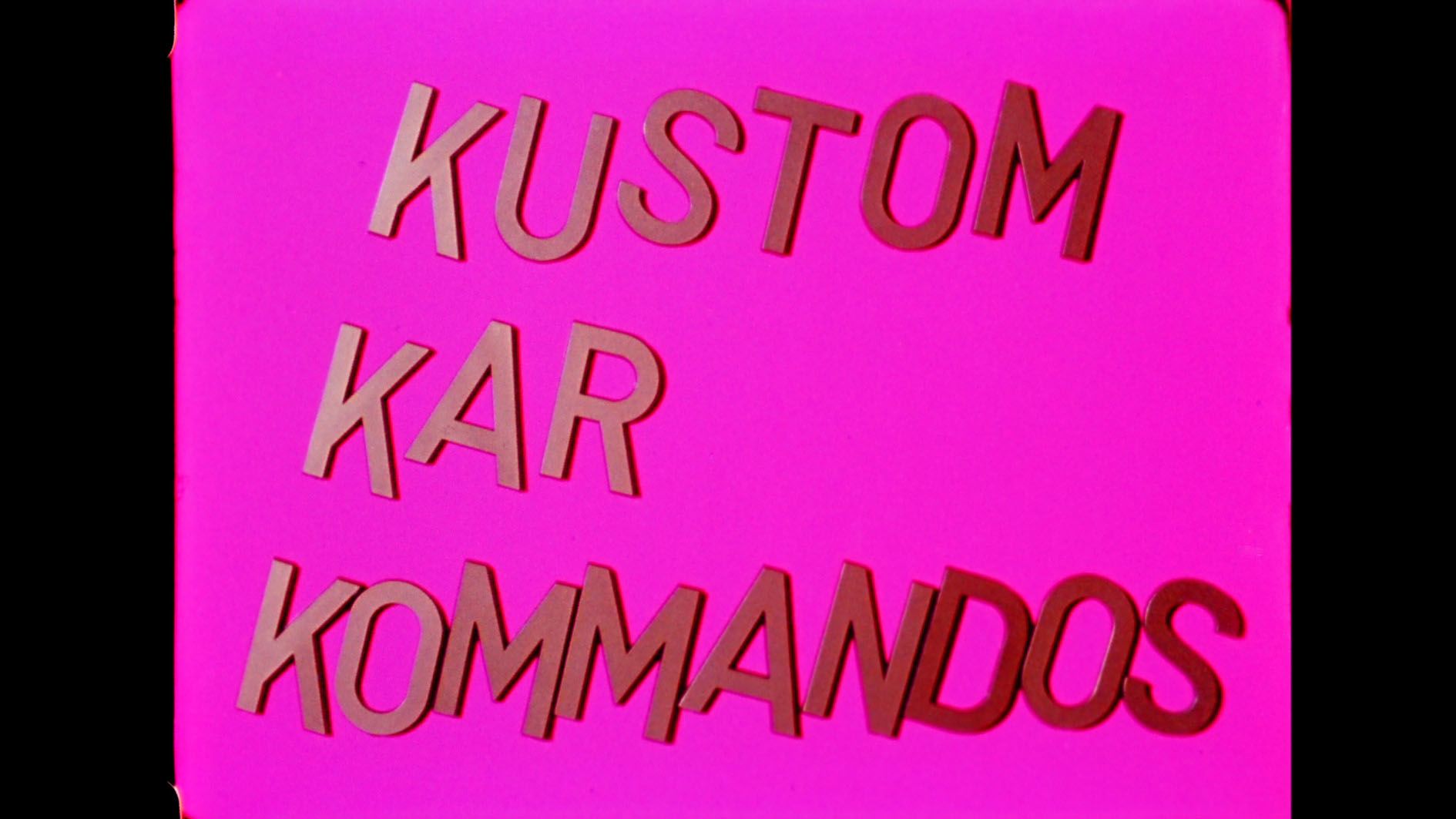
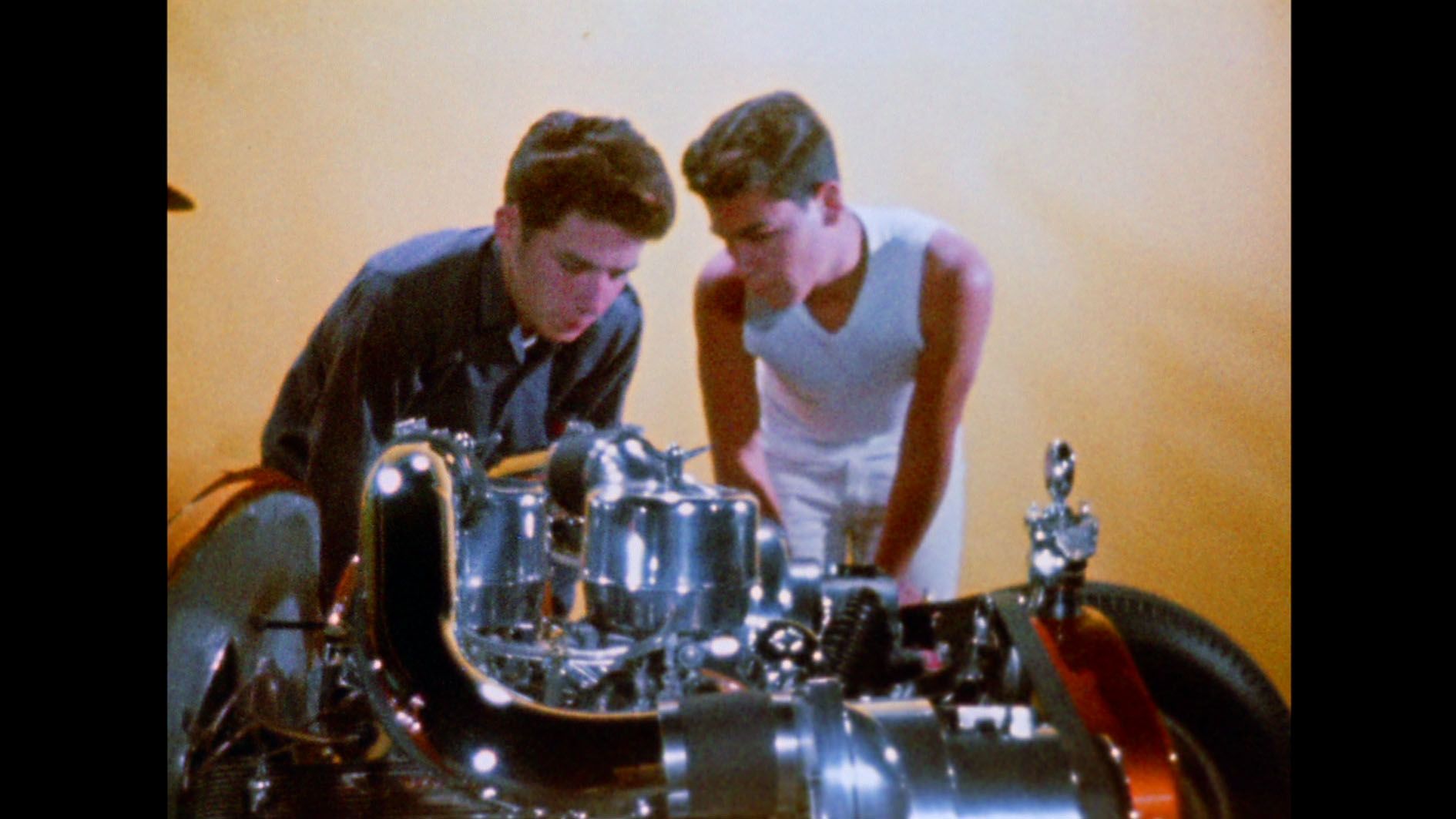
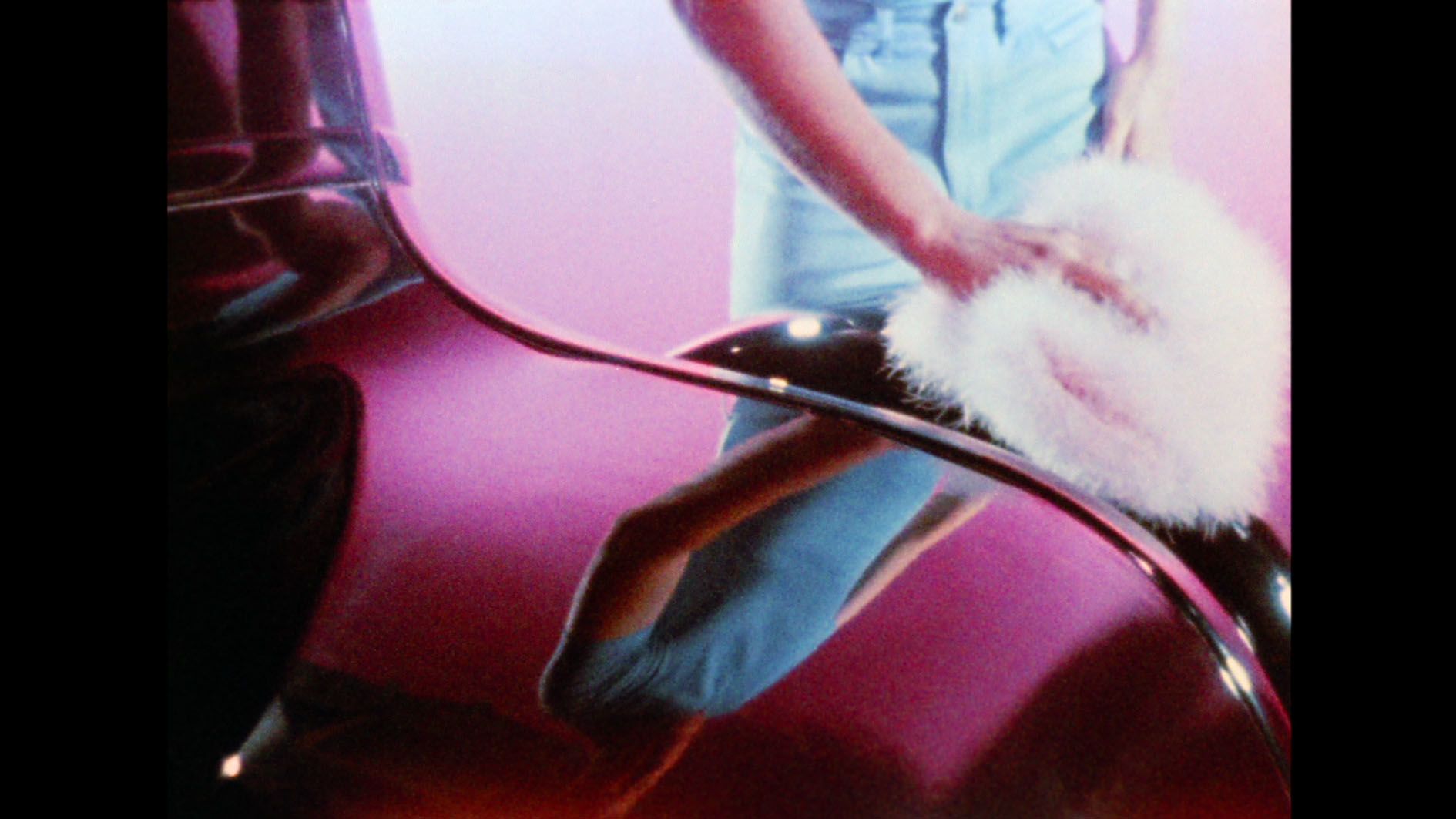
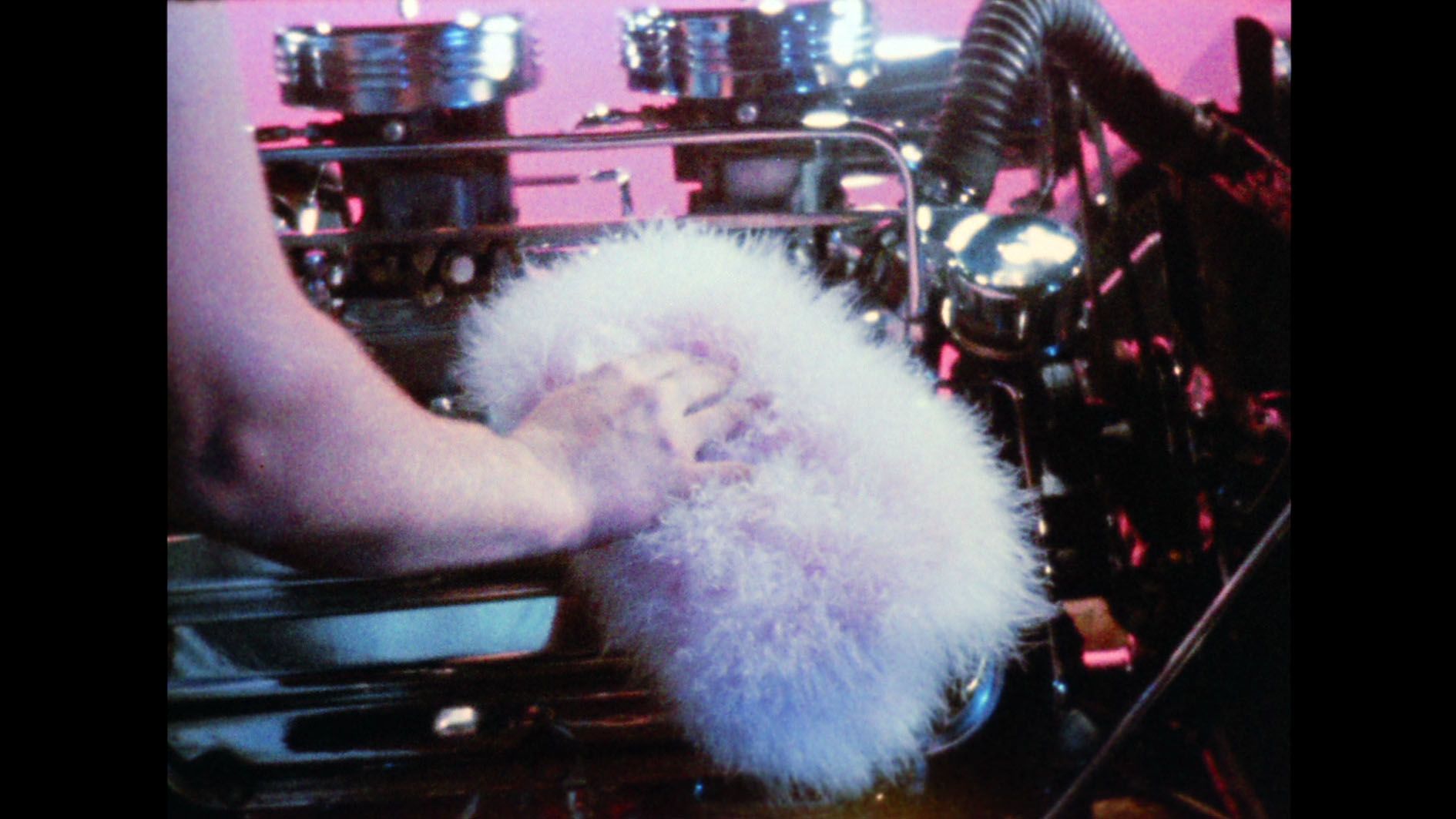
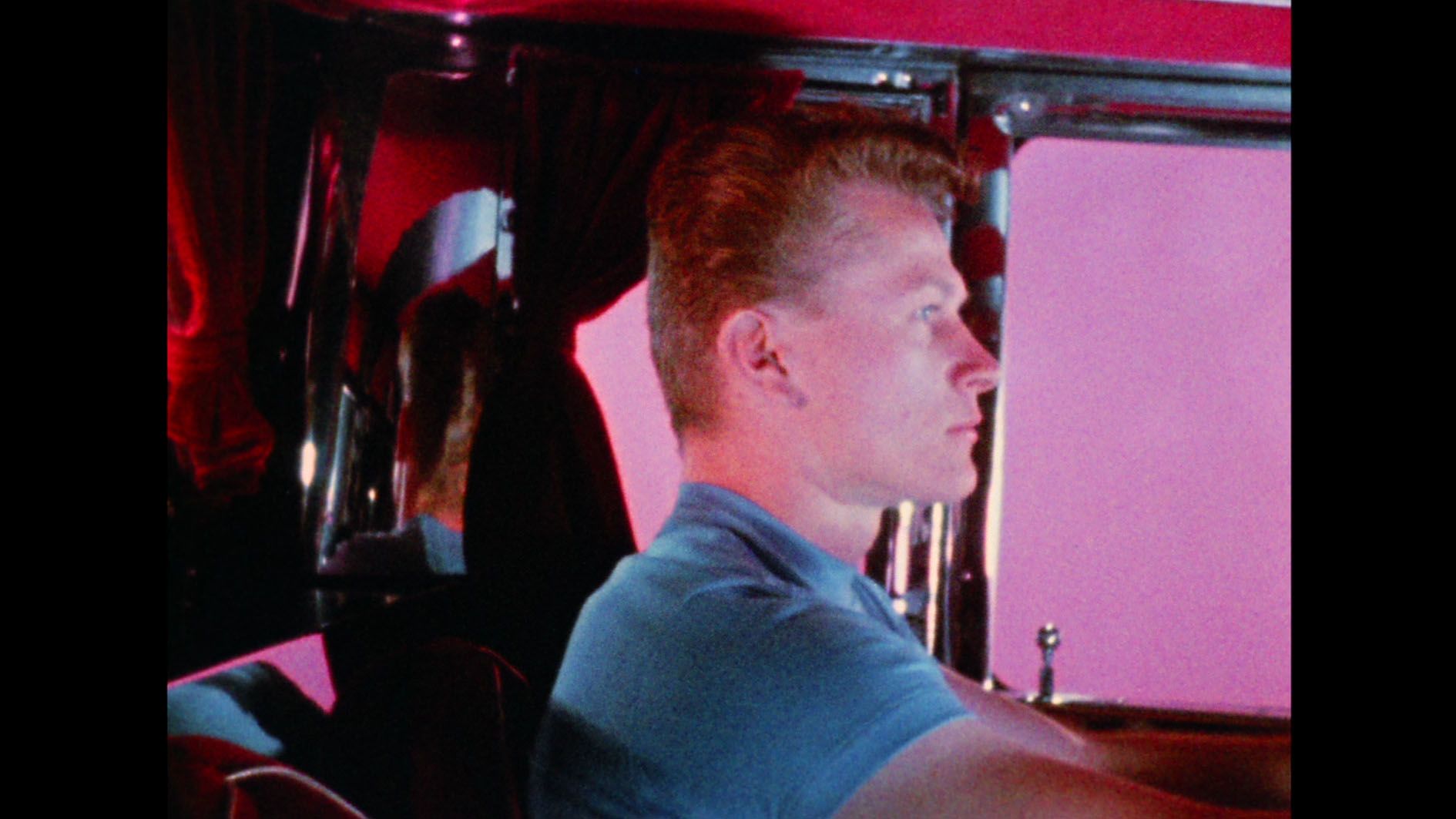
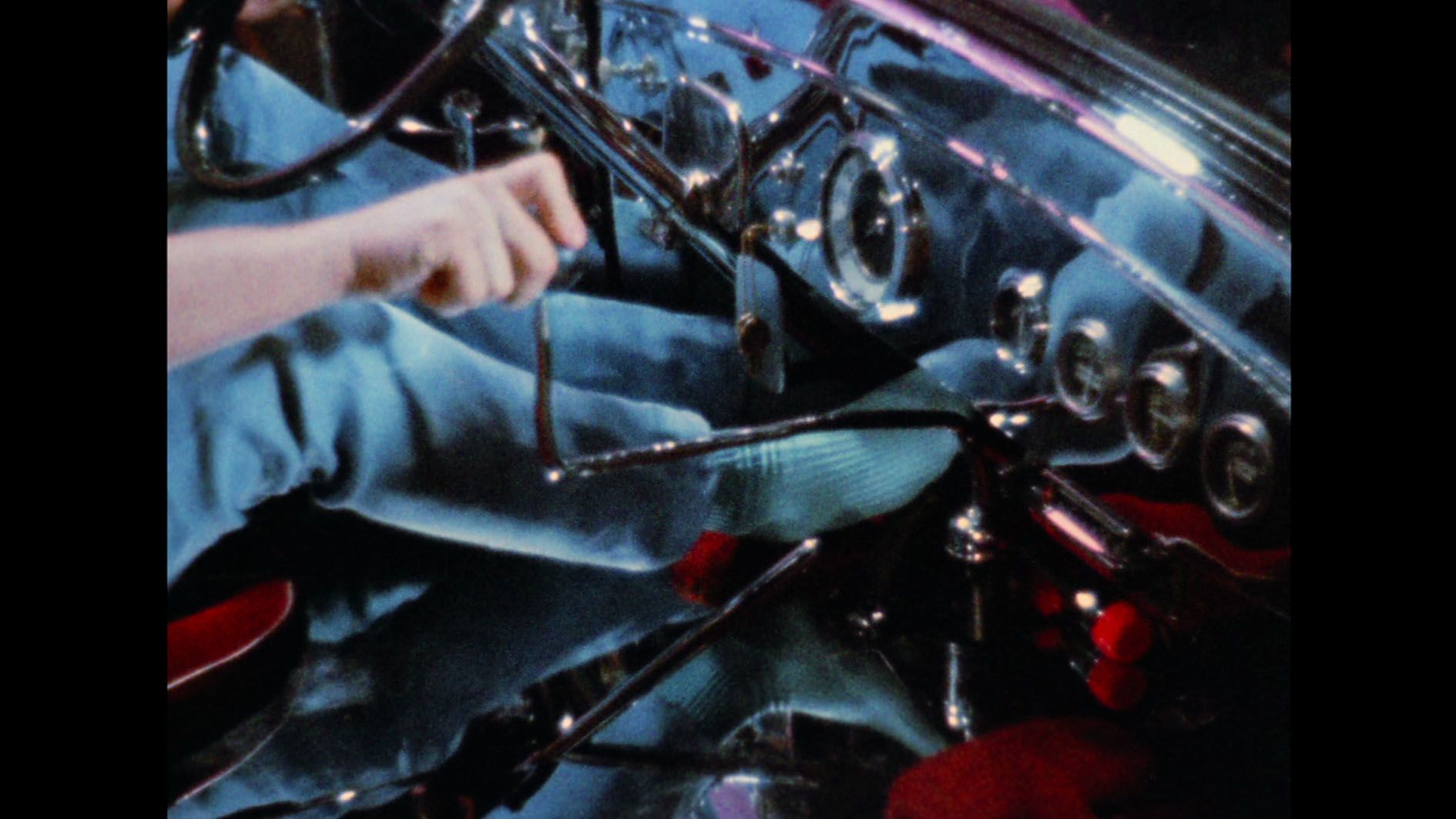
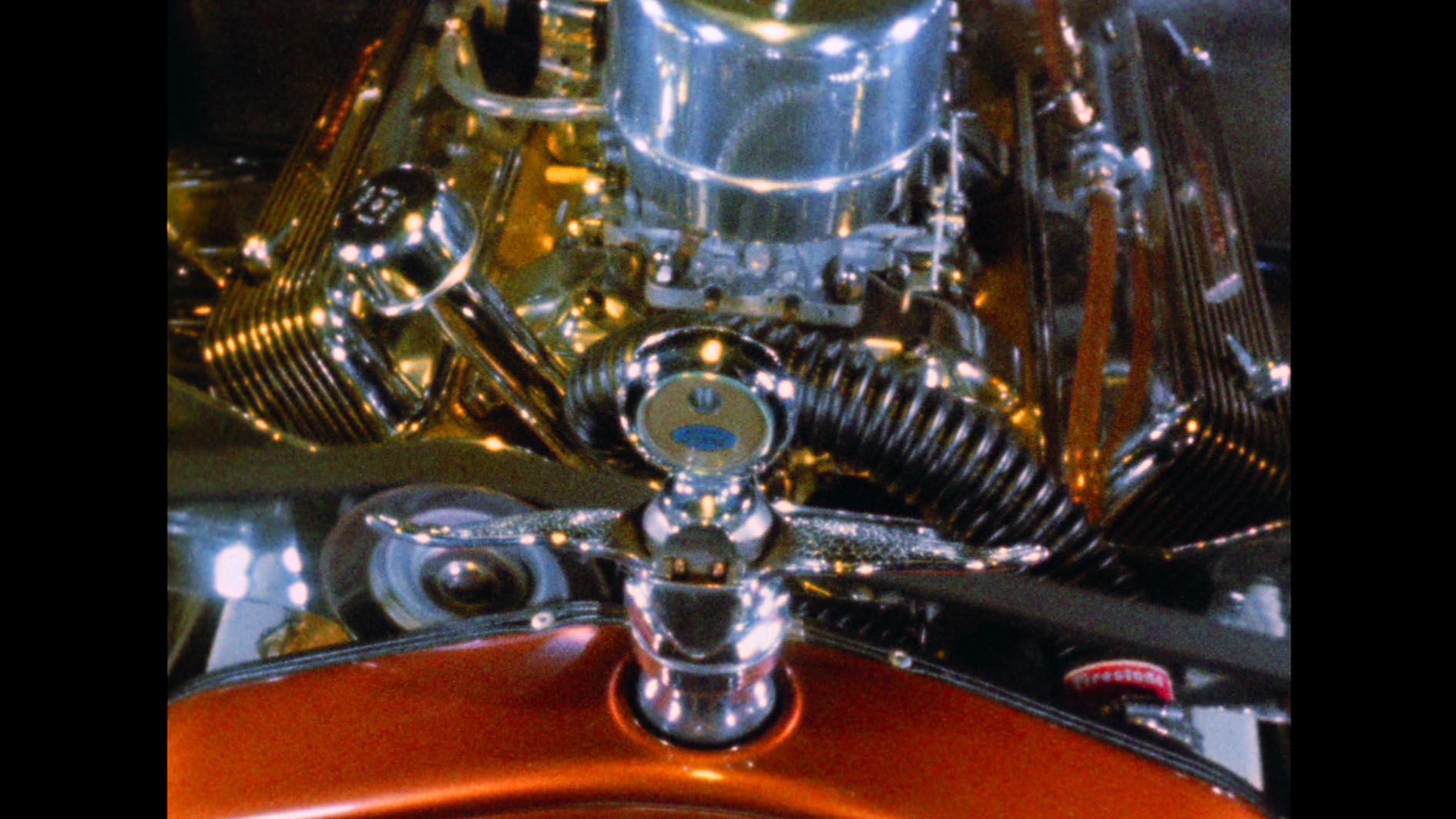
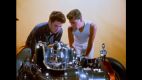
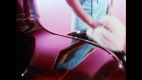
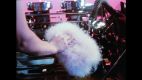
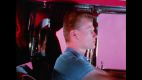
Before he died in 2023, underground filmmaker Kenneth Anger was a provocateur and transgressor with a cult following. Known for his experimental and avant-garde short films with overtly homoerotic themes, Anger’s Kustom Kar Kommandos (1965) is one of his most important works. The film follows a young, conventionally handsome man seductively servicing his car. Brimming with sexual innuendos, the star, tightly clad in blue, cleans the already sparkling car with a plume of feathers against a hot pink set to The Parris Sisters’ 1961 girlish pop cover of “Dream Lover.” In both this campy film and his acclaimed Scorpio Rising (1963), Anger queers American car fetish culture, as well as the masculinism and performative heterosexuality it engenders.

Read more

Kenneth Anger (1927–2023) lived and worked in Los Angeles. Exhibitions and screenings include Barbican Centre, London (2020), Irish Museum of Modern Art, Dublin (2017), Zeppelin Museum, Friedrichshafen (2017), Whitney Museum of American Art, New York (2015), Museum of Contemporary Art Los Angeles (2011), Institute of Contemporary Arts, London (2013), and P.S.1 Contemporary Art Center, New York (2009). Anger’s work has also been featured at the Athens Biennial (2009) and the Whitney Biennial, New York (2006).

<p><b>Kenneth Anger <br />
</b><i>Inauguration of the Pleasure Dome</i>, 1954–66</p>
<p><b>Kenneth Anger <br />
</b><i>Inauguration of the Pleasure Dome</i>, 1954–66<br />
C-print<br />
85.2 × 109.6 cm | 33 1/2 × 43 1/8 inches<br />
87.2 × 111.8 cm | 34 1/4 × 44 inches (framed)<br />
Edition of 7</p>
<p><b>Kenneth Anger <br />
</b><i>Inauguration of the Pleasure Dome</i>, 1954–66<br />
C-print<br />
85.2 × 109.6 cm | 33 1/2 × 43 1/8 inches<br />
87.2 × 111.8 cm | 34 1/4 × 44 inches (framed)<br />
Edition of 7</p>
<p><b>Kenneth Anger <br />
</b><i>Inauguration of the Pleasure Dome</i>, 1954–66<br />
C-print<br />
85.2 × 109.6 cm | 33 1/2 × 43 1/8 inches<br />
87.2 × 111.8 cm | 34 1/4 × 44 inches (framed)<br />
Edition of 7</p>
<p><b>Kenneth Anger <br />
</b><i>Inauguration of the Pleasure Dome</i>, 1954–66<br />
C-print<br />
85.2 × 109.6 cm | 33 1/2 × 43 1/8 inches<br />
87.2 × 111.8 cm | 34 1/4 × 44 inches (framed)<br />
Edition of 7</p>
<p><b>Kenneth Anger <br />
</b><i>Inauguration of the Pleasure Dome</i>, 1954–66<br />
C-print<br />
85.2 × 109.6 cm | 33 1/2 × 43 1/8 inches<br />
87.2 × 111.8 cm | 34 1/4 × 44 inches (framed)<br />
Edition of 7</p>

Kenneth Anger
Inauguration of the Pleasure Dome, 1954–66
C-print
85.2 × 109.6 cm | 33 1/2 × 43 1/8 inches
87.2 × 111.8 cm | 34 1/4 × 44 inches (framed)
Edition of 7

Kenneth Anger
Inauguration of the Pleasure Dome, 1954–66
C-print


85.2 × 109.6 cm | 33 1/2 × 43 1/8 inches
87.2 × 111.8 cm | 34 1/4 × 44 inches (framed)
Edition of 7

Kenneth Anger was a provocateur and transgressor, known for his experimental and avant-garde short films with overtly homoerotic themes. His 38-minute film Inauguration of the Pleasure Dome (1954) is a Technicolor visual feast of superimposed imagery, an orgiastic mixture of ecstasy and the occult, featuring a medley of biblical and mythological characters. In this printed film still, the character of Lilith, a wicked woman from Jewish folklore, played by Viennese artist Renate Druks, is vertically mirrored. In silhouette with outstretched arms, welcoming the viewer into Anger’s pleasure dome, Lilith appears less as a human and more like a Kabbalistic pattern of fiery reds, umbers, and pinks.

Read more

Kenneth Anger (1927–2023) lived and worked in Los Angeles. Exhibitions and screenings include Barbican Centre, London (2020), Irish Museum of Modern Art, Dublin (2017), Zeppelin Museum, Friedrichshafen (2017), Whitney Museum of American Art, New York (2015), Museum of Contemporary Art Los Angeles (2011), Institute of Contemporary Arts, London (2013), and P.S.1 Contemporary Art Center, New York (2009). Anger’s work has also been featured at the Athens Biennial (2009) and the Whitney Biennial, New York (2006).

<p><b>George Condo<br />
</b><i>Beverly Hills Abstraction</i>, 2024</p>
<p><b>George Condo<br />
</b><i>Beverly Hills Abstraction</i>, 2024<br />
Oil and crayon on canvas<br />
121.9 × 91.4 cm | 48 × 36 inches</p>
<p><b>George Condo<br />
</b><i>Beverly Hills Abstraction</i>, 2024<br />
Oil and crayon on canvas<br />
121.9 × 91.4 cm | 48 × 36 inches</p>
<p><b>George Condo<br />
</b><i>Beverly Hills Abstraction</i>, 2024<br />
Oil and crayon on canvas<br />
121.9 × 91.4 cm | 48 × 36 inches</p>
<p><b>George Condo<br />
</b><i>Beverly Hills Abstraction</i>, 2024<br />
Oil and crayon on canvas<br />
121.9 × 91.4 cm | 48 × 36 inches</p>
<p><b>George Condo<br />
</b><i>Beverly Hills Abstraction</i>, 2024<br />
Oil and crayon on canvas<br />
121.9 × 91.4 cm | 48 × 36 inches</p>
<p><b>George Condo<br />
</b><i>Beverly Hills Abstraction</i>, 2024<br />
Oil and crayon on canvas<br />
121.9 × 91.4 cm | 48 × 36 inches</p>
<p><b>George Condo<br />
</b><i>Beverly Hills Abstraction</i>, 2024<br />
Oil and crayon on canvas<br />
121.9 × 91.4 cm | 48 × 36 inches</p>

George Condo
Beverly Hills Abstraction, 2024
Oil and crayon on canvas
121.9 × 91.4 cm | 48 × 36 inches

George Condo
Beverly Hills Abstraction, 2024
Oil and crayon on canvas


121.9 × 91.4 cm | 48 × 36 inches

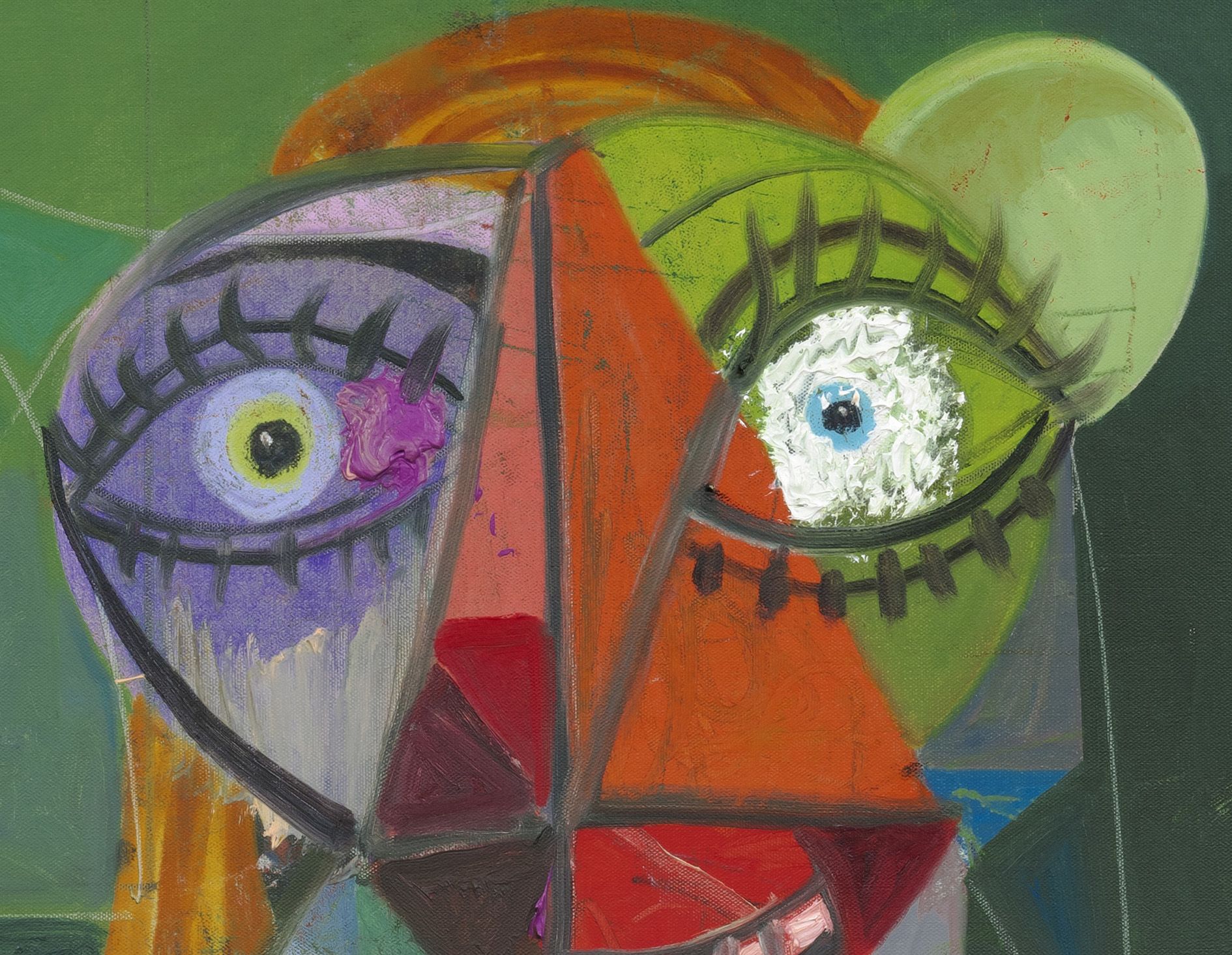
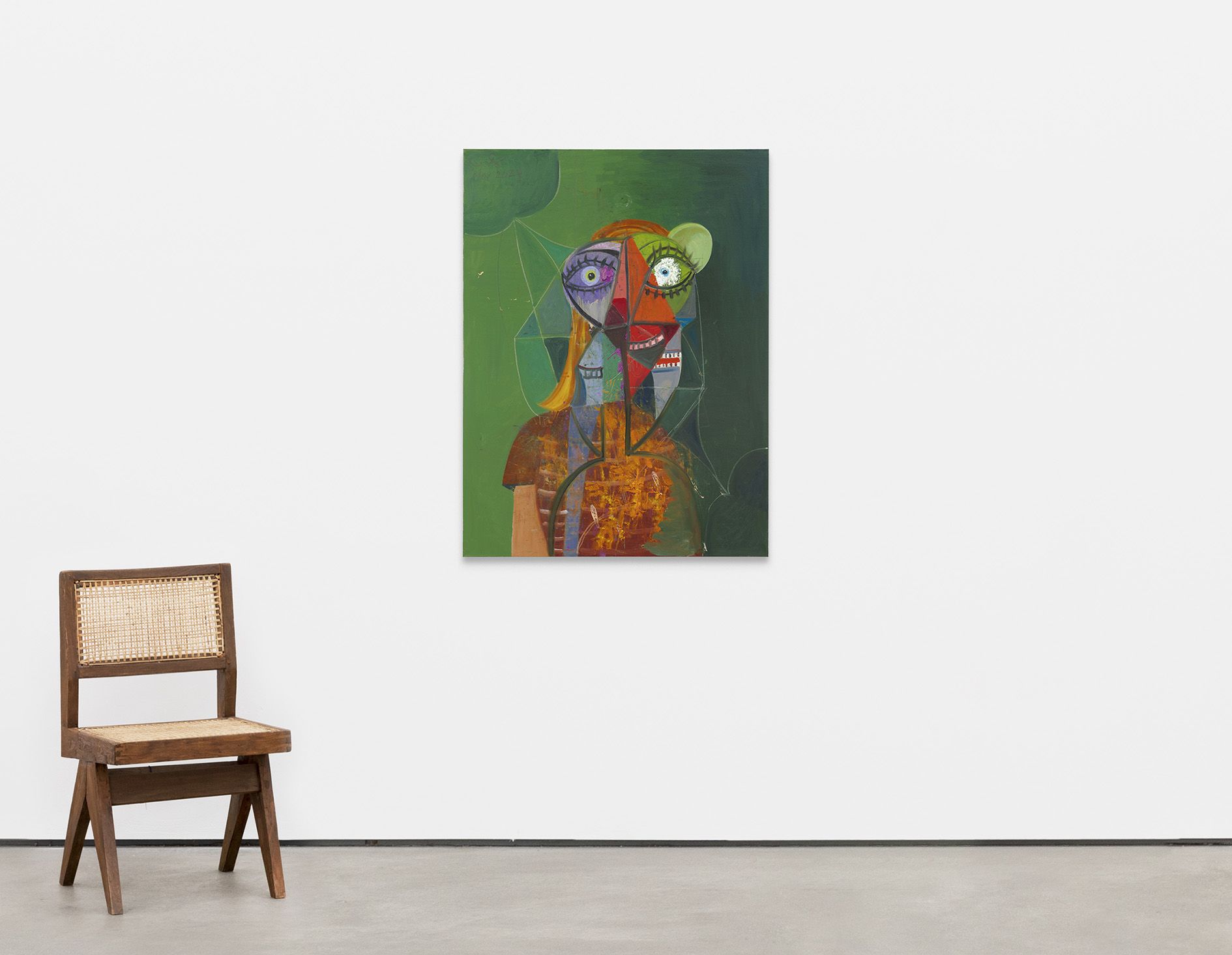
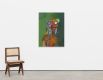
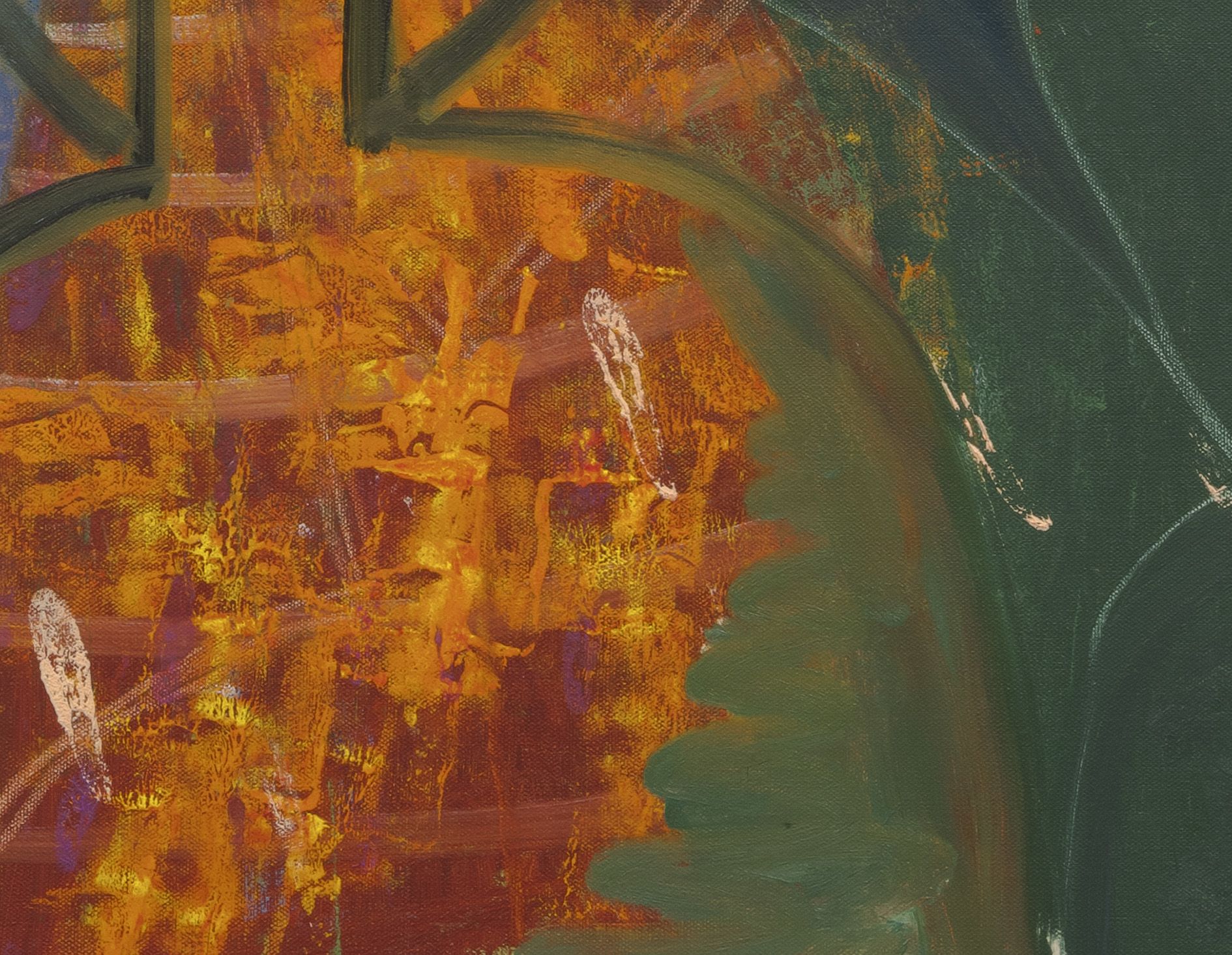
An icon of contemporary American painting, George Condo reimagines the imagery and practices of Western art history, particularly modernism and abstraction, with vitality and dynamism. Beverly Hills Abstraction (2024) exemplifies Condo’s unique pictorial language: thick, bold lines compose a multicolored fragmented portrait against a deep green backdrop. With the figure’s distorted smile and wide, asymmetrical eyes, which eagerly stare back at the viewer, Condo evokes a plurality of simultaneous emotional states that the artist refers to as “Psychological Cubism.” Through such emotive fragmentation, Condo concurrently portrays the complexity of our interior lives and questions the logic of our exterior world.

Read more

George Condo (*1957, Concord, NH) lives in New York. Selected solo exhibitions include Musée d’Art Moderne de Paris (2025–26), DESTE Foundation for Contemporary Art, Hydra, Greece (2024), Nouveau Musée National de Monaco – Villa Paloma, The Morgan Library & Museum, New York (both 2023), Long Museum, Shanghai (2021), Cycladic Art Museum, Athens and Maritime Museum, Hong Kong (both 2018), Phillips Collection, Washington, DC (2017), traveled to Louisiana Museum of Modern Art, Humlebæk, Denmark (2017), Museum Berggruen, Berlin (2016), New Museum, New York (2010), traveled to Hayward Gallery, London, Boijmans Van Beuningen, Rotterdam (both 2011), Schirn Kunsthalle, Frankfurt (2012) and Kunstmuseum Luzern (2008). Selected group exhibitions include Biennale di Venezia (2019, 2013), 13th Biennale de Lyon (2015), 10th Gwangju Biennale (2014), Whitney Biennial (2010, 1987), and the 48th Corcoran Biennial, Washington DC (2005).
<p><b>David Salle<br />
</b><i>Night Shoot</i>, 2009</p>
<p><b>David Salle<br />
</b><i>Night Shoot</i>, 2009<br />
Oil on linen and inkjet on canvas<br />
167.6 × 223.5 cm | 66 × 88 inches</p>
<p><b>David Salle<br />
</b><i>Night Shoot</i>, 2009<br />
Oil on linen and inkjet on canvas<br />
167.6 × 223.5 cm | 66 × 88 inches</p>
<p><b>David Salle<br />
</b><i>Night Shoot</i>, 2009<br />
Oil on linen and inkjet on canvas<br />
167.6 × 223.5 cm | 66 × 88 inches</p>
<p><b>David Salle<br />
</b><i>Night Shoot</i>, 2009<br />
Oil on linen and inkjet on canvas<br />
167.6 × 223.5 cm | 66 × 88 inches</p>
<p><b>David Salle<br />
</b><i>Night Shoot</i>, 2009<br />
Oil on linen and inkjet on canvas<br />
167.6 × 223.5 cm | 66 × 88 inches</p>

David Salle
Night Shoot, 2009
Oil on linen and inkjet on canvas
167.6 × 223.5 cm | 66 × 88 inches

David Salle
Night Shoot, 2009
Oil on linen and inkjet on canvas


167.6 × 223.5 cm | 66 × 88 inches

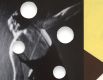
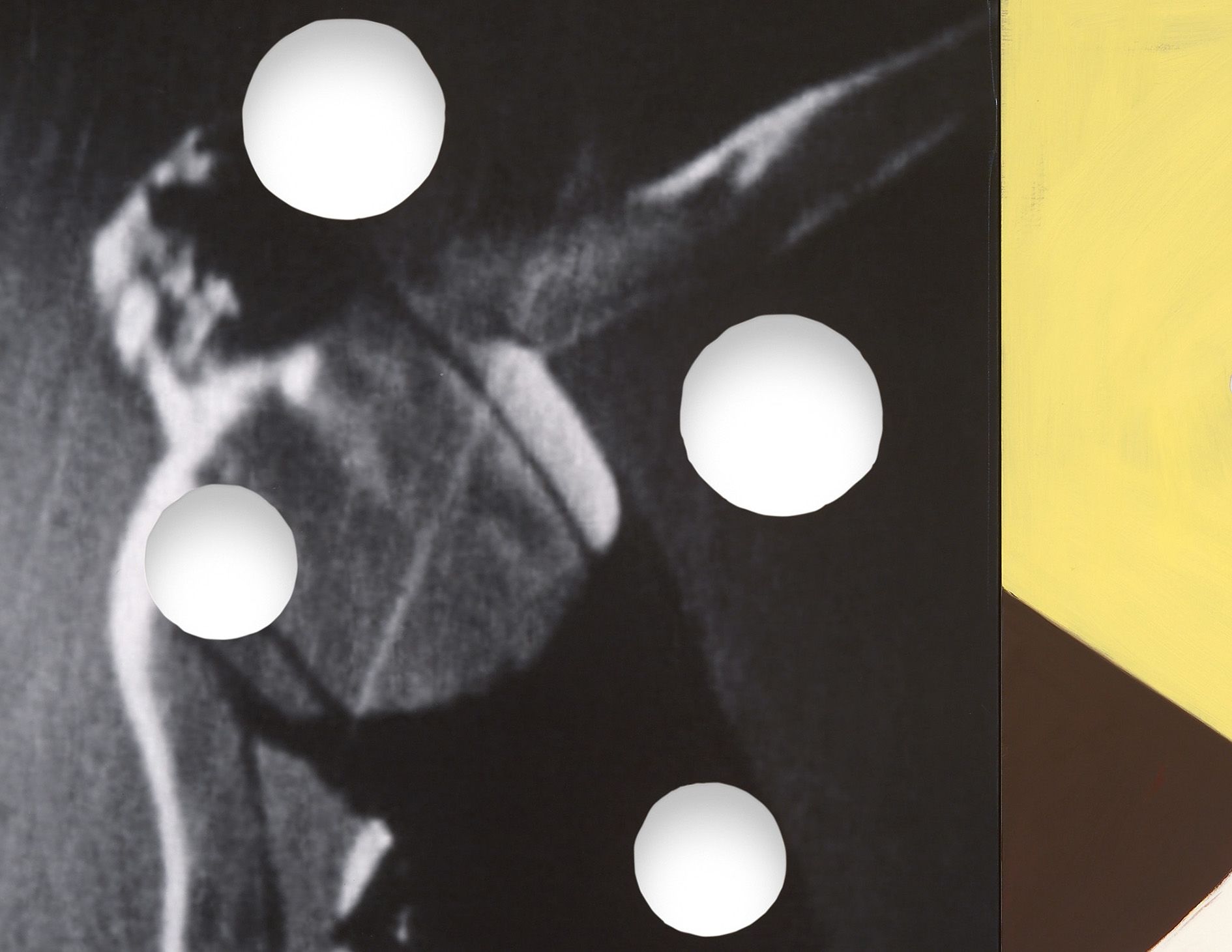
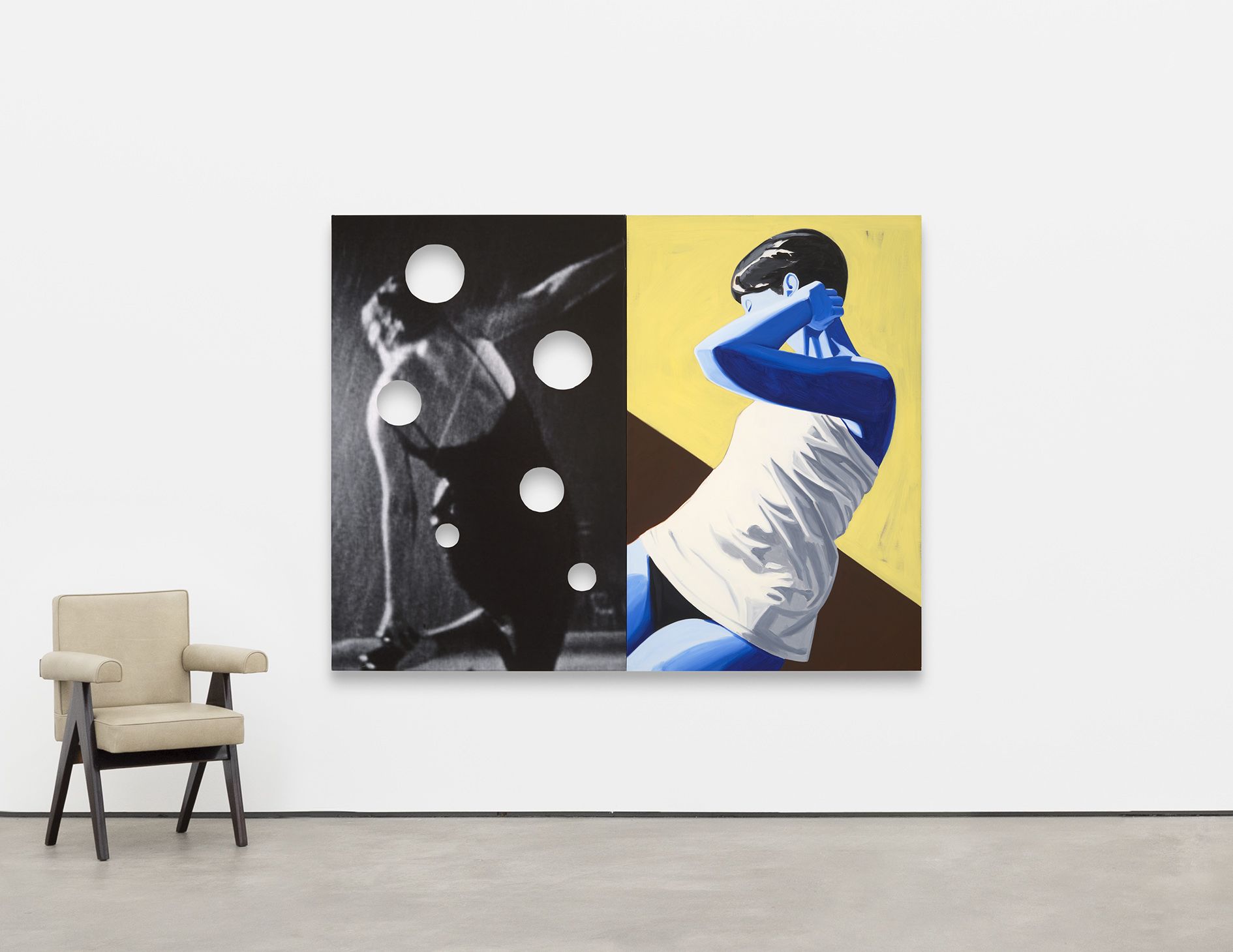
David Salle came to prominence in the 1980s as a leading figure of the Pictures Generation. His distinctive paintings are created by combining disparate visual fragments drawn from cartoon imagery, advertisement, graffiti, and art history into layered compositions that speak to our image-saturated contemporary moment. Night Shoot (2009) juxtaposes two images of women, one printed in black and white, the other painted in vivid color. On the left, an image likely taken from a film still or photograph depicts a woman in a black cocktail dress, reaching awkwardly for her stiletto shoe in the rain. On the right, the female figure twists away from the viewer as if waking and stretching, and her angular pose echoes that of her companion to generate a complex network of movement and energy across the canvas. The striking circular cutouts to the black-and-white figure, together with the painting’s prominent primary colors, also recall the work of John Baldessari, with whom Salle studied in the 1970s at the California Institute for the Arts (CalArts).

My Frankenstein, an exhibition of new paintings by David Salle, opens at Sprüth Magers, Los Angeles on February 23, 2026.

Read more

David Salle (*1952, Norman, Oklahoma) lives and works in New York. Solo exhibitions include Edward Hopper Museum, New York (2024), Centro de Arte Contemporáneo de Málaga (2016), Museo de Arte Contemporaneo de Monterrey, Mexico (2000), Haags Gemeentemuseum, The Hague (1992), The Tel Aviv Museum of Art, Bayerische Staatsgemäldesammlungen München, Munich (both 1989), Museum of Contemporary Art, Chicago, Whitney Museum of American Art, New York (both 1987), and a major retrospective at Stedelijk Museum, Amsterdam (1999, traveled to Museum Moderner Kunst Stiftung Ludwig, Vienna; Museo d’Arte Contemporanea Castello di Rivoli, Turin; Guggenheim Museum, Bilbao). Group shows include Hill Art Foundation, New York (2023), Whitney Museum of American Art, New York (2017, 2015), Museum of Contemporary Art, Chicago (2012), Metropolitan Museum of Art, New York (2009), La Biennale di Venezia (1993, 1982), Whitney Biennial (1991, 1985, 1983), Carnegie International, Pittsburgh (1985), and Documenta 7 (1982).
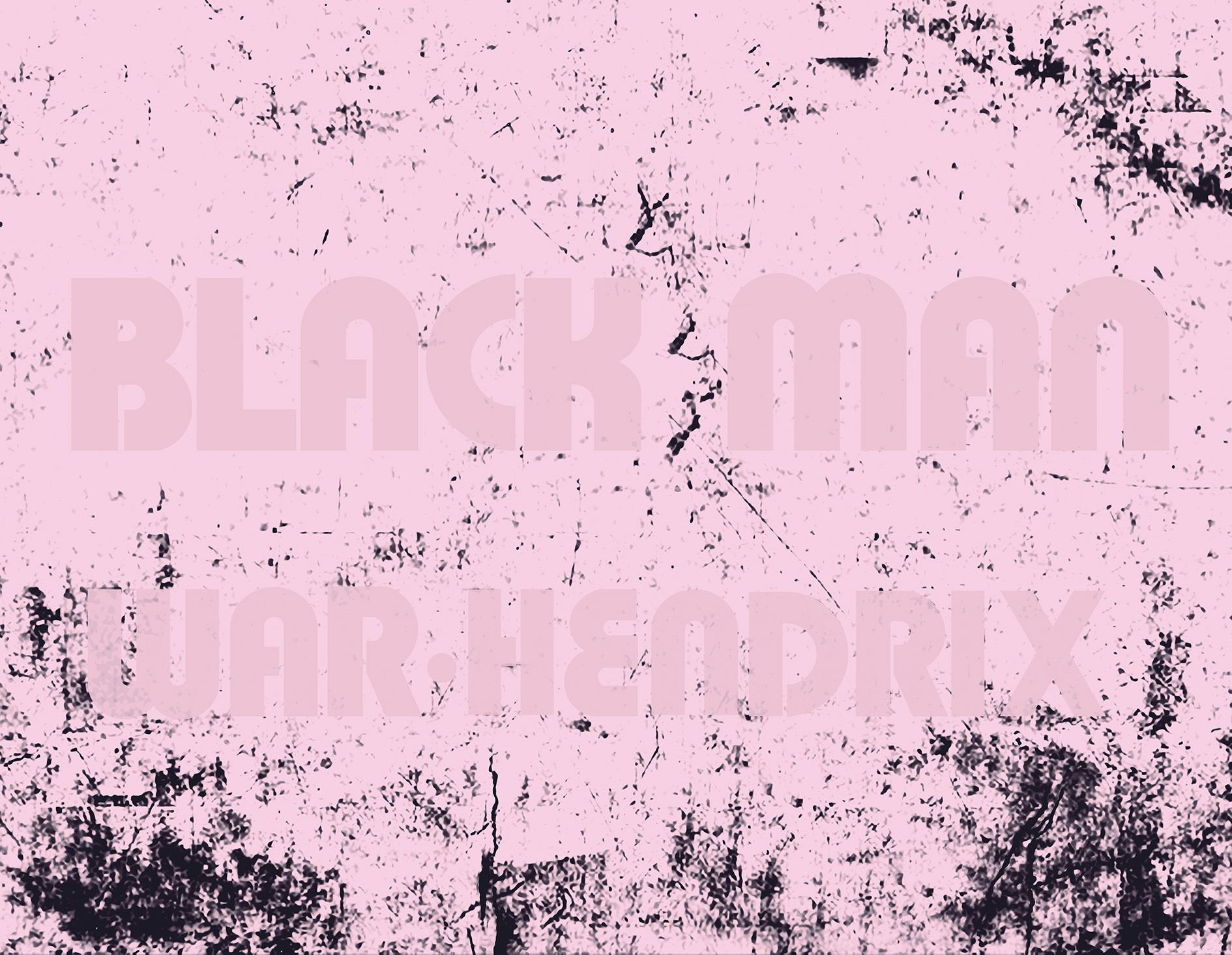
<p><b>Arthur Jafa<br />
</b><i>Black Man</i>, 2025</p>
<p><b>Arthur Jafa<br />
</b><i>Black Man</i>, 2025<br />
UV print on raw aluminum<br />
148 × 149.9 cm | 58 1/4 × 59 inches</p>
<p><b>Arthur Jafa<br />
</b><i>Black Man</i>, 2025<br />
UV print on raw aluminum<br />
148 × 149.9 cm | 58 1/4 × 59 inches</p>
<p><b>Arthur Jafa<br />
</b><i>Black Man</i>, 2025<br />
UV print on raw aluminum<br />
148 × 149.9 cm | 58 1/4 × 59 inches</p>
<p><b>Arthur Jafa<br />
</b><i>Black Man</i>, 2025<br />
UV print on raw aluminum<br />
148 × 149.9 cm | 58 1/4 × 59 inches</p>
<p><b>Arthur Jafa<br />
</b><i>Black Man</i>, 2025<br />
UV print on raw aluminum<br />
148 × 149.9 cm | 58 1/4 × 59 inches</p>
<p><b>Arthur Jafa<br />
</b><i>Black Man</i>, 2025<br />
UV print on raw aluminum<br />
148 × 149.9 cm | 58 1/4 × 59 inches</p>
<p><b>Arthur Jafa<br />
</b><i>Black Man</i>, 2025<br />
UV print on raw aluminum<br />
148 × 149.9 cm | 58 1/4 × 59 inches</p>

Arthur Jafa
Black Man, 2025
UV print on raw aluminum
148 × 149.9 cm | 58 1/4 × 59 inches

Arthur Jafa
Black Man, 2025
UV print on raw aluminum


148 × 149.9 cm | 58 1/4 × 59 inches

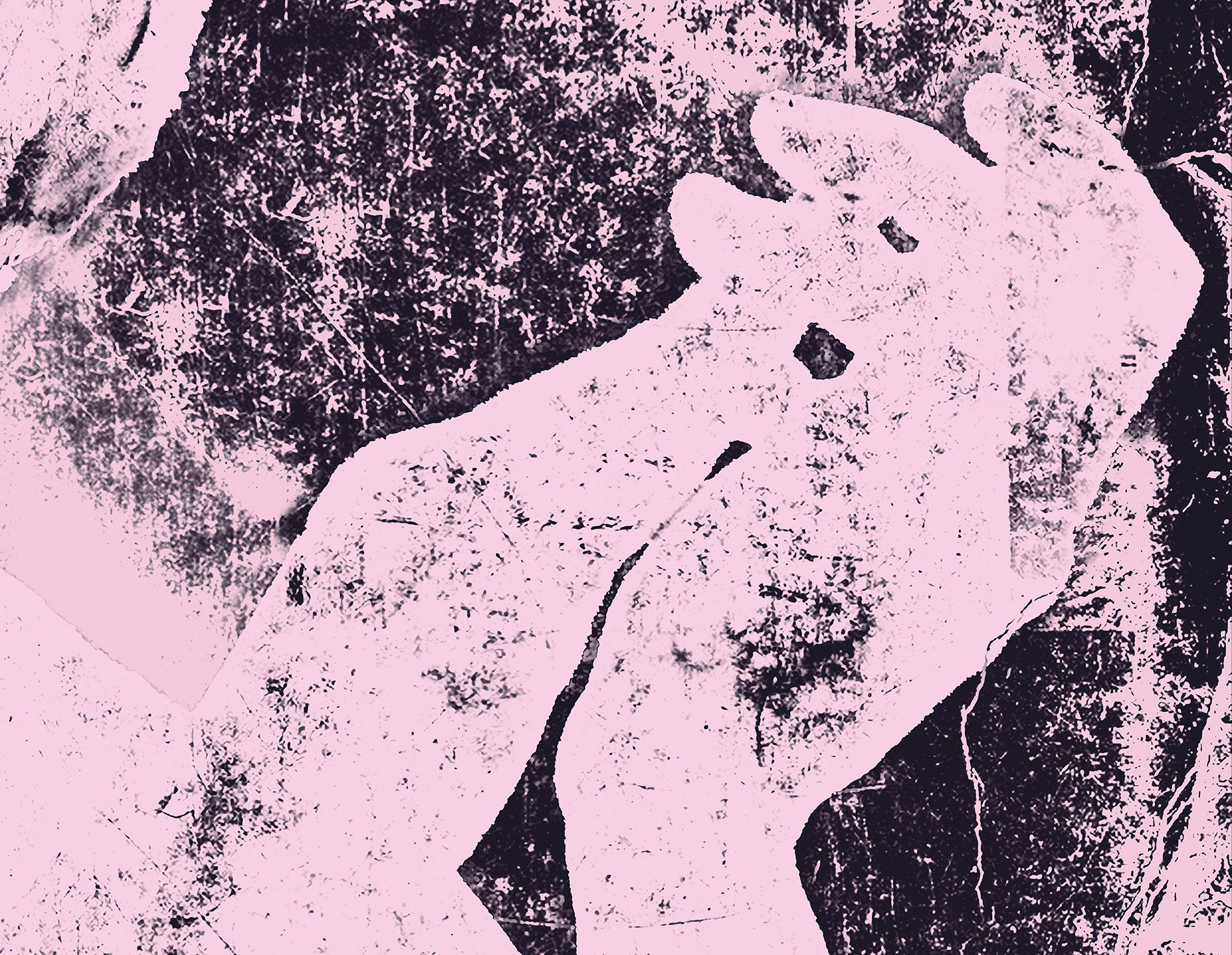
For over three decades, Arthur Jafa has produced imagery that dissects the realities, constructions, and influence of Blackness in contemporary culture. Through strategies of appropriation, his works reveal poignant gaps and connections between different sources through the power of juxtaposition. Black Man (2025) is from an ongoing series that depicts the album cover of Black Man, an imagined collaboration between the band War and guitarist Jimi Hendrix. The silhouette of a man clapping is overlaid with a halo-like circle: the edges of the record worn onto the cover image. The two musical powerhouses did in fact once play together, at the London club Ronnie’s in 1970, the day before Hendrix died. Jafa extends this moment in time, generating an alternative reality in which Hendrix lived to create more music. As Jafa has said of his work, “The aim is not necessarily to make explicit statements, but to engage with the complex dynamics of race, success, and survival, offering an experience rather than a specific message.”

Artist’s Choice: Arthur Jafa—Less Is Morbid is on view at the Museum of Modern Art, New York, through July 5, 2026.

Read more

Arthur Jafa (*1960, Tupelo, Mississippi) lives and works in Los Angeles. Recent solo exhibitions include Museum of Contemporary Art, Chicago (2024), LUMA Foundation, Arles (2023), Louisiana Museum, Humblebæk (2021), Fundação Serralves, Porto and Musée d’art contemporain de Montreal (both 2020), Moderna Museet, Stockholm (2019), Museum of Contemporary Art, Denver (2018), and Serpentine Gallery, London (2017). Recent group exhibitions include Modern Art Museum, Fort Worth and Schirn Kunsthalle, Frankfurt (both 2024), Smithsonian American Art Museum, Pinakothek der Moderne, Munich, and 14th Gwangju Biennale (all 2023), Aspen Art Museum and Bangkok Art Bienniale (both 2022), and Art Gallery of New South Wales, Sydney, Los Angeles County Museum of Art, Brooklyn Museum, New York, and Institute of Contemporary Art, Boston (all 2021). In 2019, he received the Golden Lion at the 58th La Biennale di Venezia.
<p><b>Martine Syms<br />
</b><i>I bow to the rishis and yoginis that came before me I</i>, 2024</p>
<p><b>Martine Syms<br />
</b><i>I bow to the rishis and yoginis that came before me I</i>, 2024<br />
Archival pigment print<br />
55.9 × 71.1 cm | 22 × 28 inches<br />
58.4 × 73.7 × 3.8 cm | 23 × 29 × 1 1/2 inches (framed)</p>
<p><b>Martine Syms<br />
</b><i>I bow to the rishis and yoginis that came before me I</i>, 2024<br />
Archival pigment print<br />
55.9 × 71.1 cm | 22 × 28 inches<br />
58.4 × 73.7 × 3.8 cm | 23 × 29 × 1 1/2 inches (framed)</p>
<p><b>Martine Syms<br />
</b><i>I bow to the rishis and yoginis that came before me I</i>, 2024<br />
Archival pigment print<br />
55.9 × 71.1 cm | 22 × 28 inches<br />
58.4 × 73.7 × 3.8 cm | 23 × 29 × 1 1/2 inches (framed)</p>
<p><b>Martine Syms<br />
</b><i>I bow to the rishis and yoginis that came before me I</i>, 2024<br />
Archival pigment print<br />
55.9 × 71.1 cm | 22 × 28 inches<br />
58.4 × 73.7 × 3.8 cm | 23 × 29 × 1 1/2 inches (framed)</p>
<p><b>Martine Syms<br />
</b><i>I bow to the rishis and yoginis that came before me I</i>, 2024<br />
Archival pigment print<br />
55.9 × 71.1 cm | 22 × 28 inches<br />
58.4 × 73.7 × 3.8 cm | 23 × 29 × 1 1/2 inches (framed)</p>

Martine Syms
I bow to the rishis and yoginis that came before me I, 2024
Archival pigment print
55.9 × 71.1 cm | 22 × 28 inches
58.4 × 73.7 × 3.8 cm | 23 × 29 × 1 1/2 inches (framed)

Martine Syms
I bow to the rishis and yoginis that came before me I, 2024
Archival pigment print


55.9 × 71.1 cm | 22 × 28 inches
58.4 × 73.7 × 3.8 cm | 23 × 29 × 1 1/2 inches (framed)

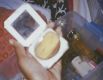
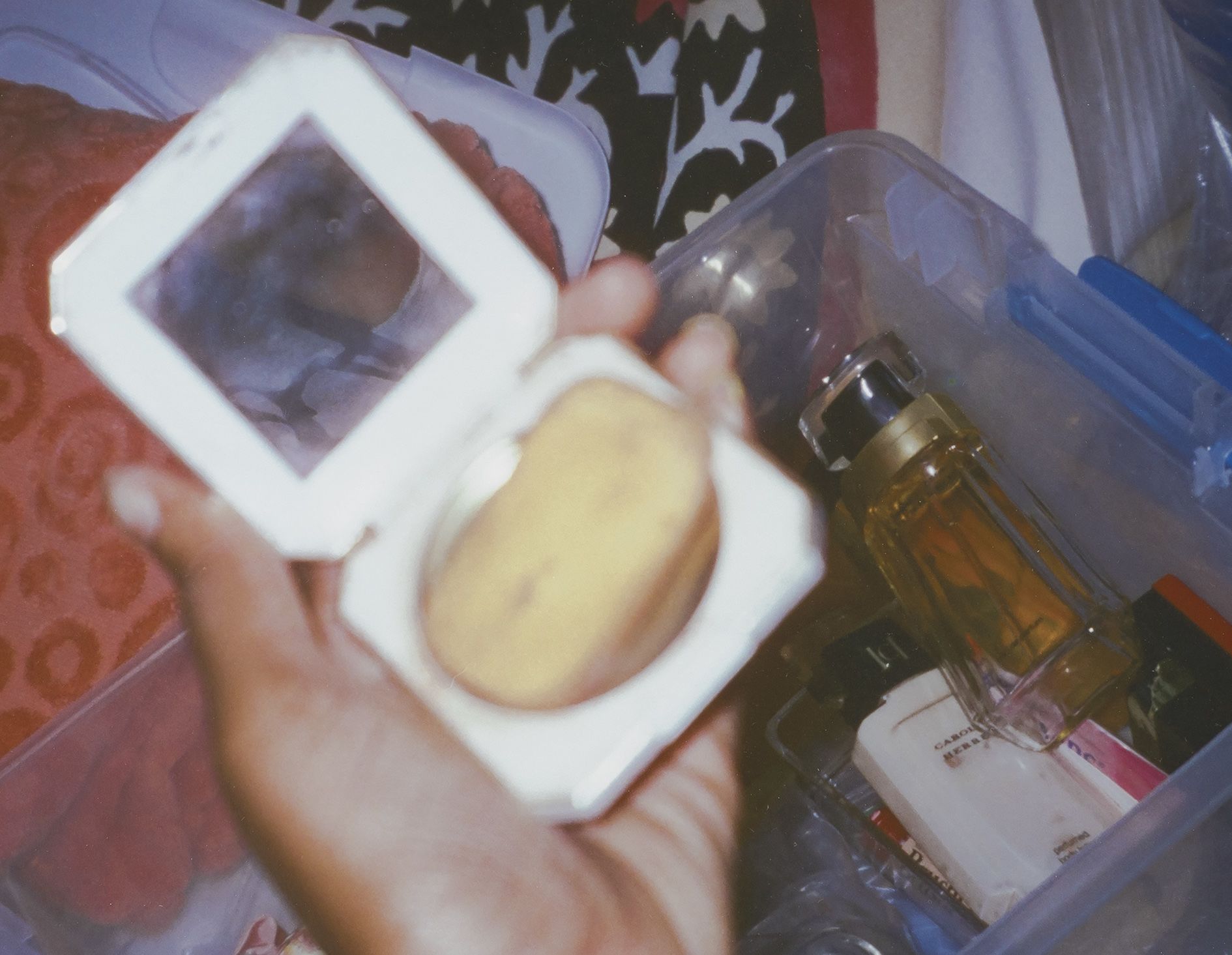
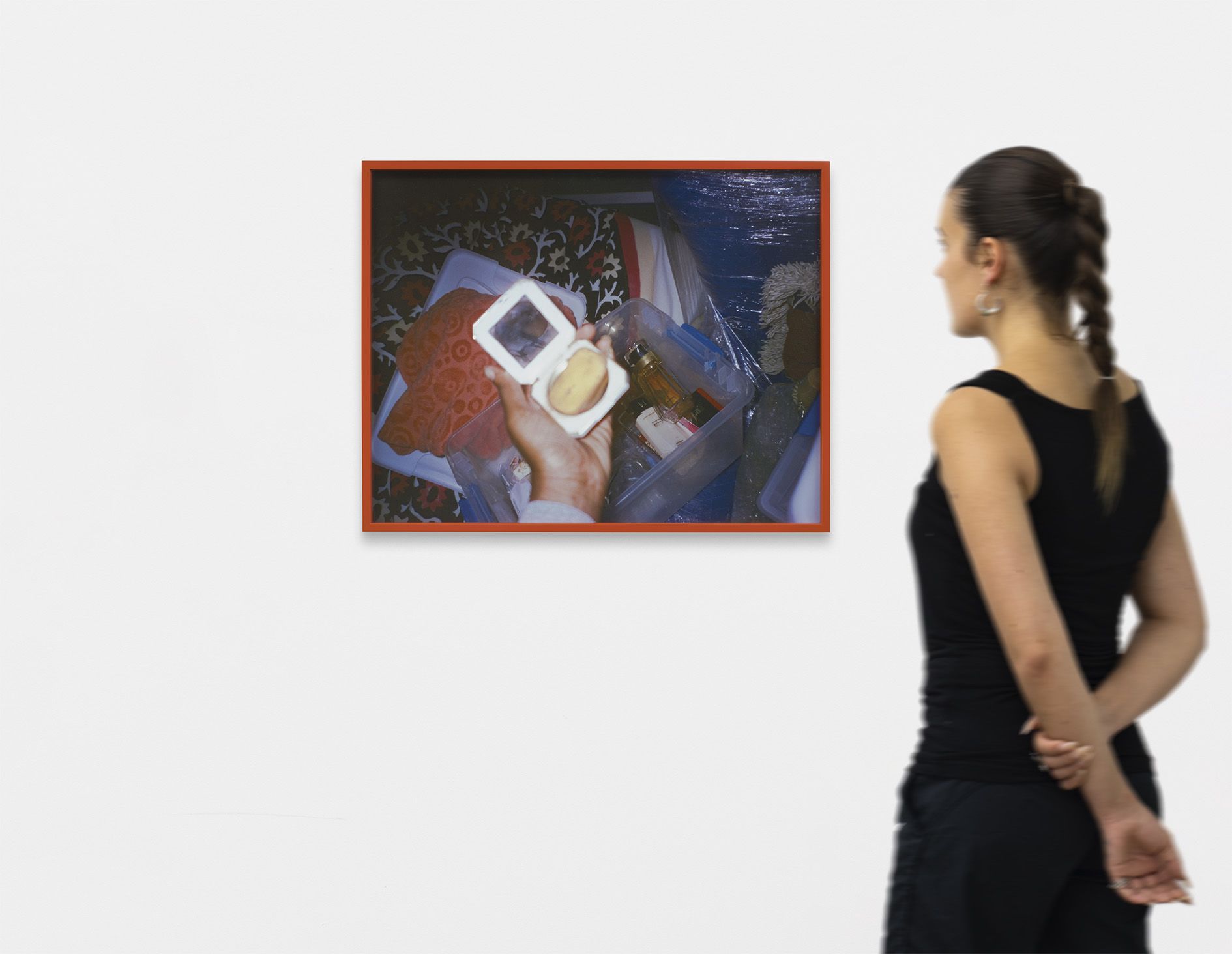
Martine Syms’ work is distinguished by its boundlessness: her subjects flow across media—publishing, moving image, photography, installation, performance and software programming—dissolving the lines between them to prodcue images that intertwine a multiplicity of cultural references. I bow to the rishis and yoginis that came before me I (2024) is part of a project commissioned by the Hammer Museum, Los Angeles, for the exhibition Alice Coltrane, Monumental Eternal, inspired by the life and legacy of the celebrated jazz musician and devotional leader. Syms gained access to Coltrane’s personal archives, saved from Coltrane’s ashram near Malibu, California, creating photographs and drawings that reflect her deep musical and spiritual influence. In this image, we see a box of beauty products and colorfully patterned textiles that offer a glimpse into Coltrane’s everyday world. The open compact mirror in the foreground emits an abstract reflection, suggesting, perhaps, the fluid, improvisational nature of identity.

Read more

Martine Syms (*1988, Los Angeles) lives and works in Los Angeles. In 2026, Syms will have solo shows of her work at the Walker Art Center, Minneapolis, and the Saint Louis Art Museum. Past solo exhibitions include Lafayette Anticipations, Paris (2024), Carré d’Art – Musée d’art contemporain, Nimes (2023), Museum of Contemporary Art Chicago (2022), Philadelphia Museum of Art (2022), Fridericianum, Kassel (2021), Secession, Vienna (2019) and Museum of Modern Art, New York (2017). Group exhibitions include Museum of Contemporary Art, Detroit (2025), Hammer Museum, Los Angeles (2025, 2019), Kunsthal Charlottenborg, Copenhagen (2022), MUDAM, Luxembourg (2021), MMK – Museum für Moderne Kunst, Frankfurt (2020), and Whitney Museum of American Art, New York (2018). Syms’ work has been recognized through multiple awards, including a Guggenheim Fellowship (2023), Herb Alpert Award (2022), Creative Capital Award (2021), United States Artists Fellowship (2020) and Future Fields Art Prize (2020).
<p><b>Barbara Kruger<br />
</b><i>Untitled (You do what you can to get what you want)</i>, 1984</p>
<p><b>Barbara Kruger<br />
</b><i>Untitled (You do what you can to get what you want)</i>, 1984<br />
Photograph and type on paper<br />
22.7 × 14.4 cm | 9 × 5 3/4 inches<br />
41.5 × 32 cm | 16 3/8 × 12 5/8 inches (framed)</p>
<p><b>Barbara Kruger<br />
</b><i>Untitled (You do what you can to get what you want)</i>, 1984<br />
Photograph and type on paper<br />
22.7 × 14.4 cm | 9 × 5 3/4 inches<br />
41.5 × 32 cm | 16 3/8 × 12 5/8 inches (framed)</p>
<p><b>Barbara Kruger<br />
</b><i>Untitled (You do what you can to get what you want)</i>, 1984<br />
Photograph and type on paper<br />
22.7 × 14.4 cm | 9 × 5 3/4 inches<br />
41.5 × 32 cm | 16 3/8 × 12 5/8 inches (framed)</p>
<p><b>Barbara Kruger<br />
</b><i>Untitled (You do what you can to get what you want)</i>, 1984<br />
Photograph and type on paper<br />
22.7 × 14.4 cm | 9 × 5 3/4 inches<br />
41.5 × 32 cm | 16 3/8 × 12 5/8 inches (framed)</p>
<p><b>Barbara Kruger<br />
</b><i>Untitled (You do what you can to get what you want)</i>, 1984<br />
Photograph and type on paper<br />
22.7 × 14.4 cm | 9 × 5 3/4 inches<br />
41.5 × 32 cm | 16 3/8 × 12 5/8 inches (framed)</p>

Barbara Kruger
Untitled (You do what you can to get what you want), 1984
Photograph and type on paper
22.7 × 14.4 cm | 9 × 5 3/4 inches
41.5 × 32 cm | 16 3/8 × 12 5/8 inches (framed)

Barbara Kruger
Untitled (You do what you can to get what you want), 1984
Photograph and type on paper


22.7 × 14.4 cm | 9 × 5 3/4 inches
41.5 × 32 cm | 16 3/8 × 12 5/8 inches (framed)

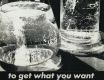
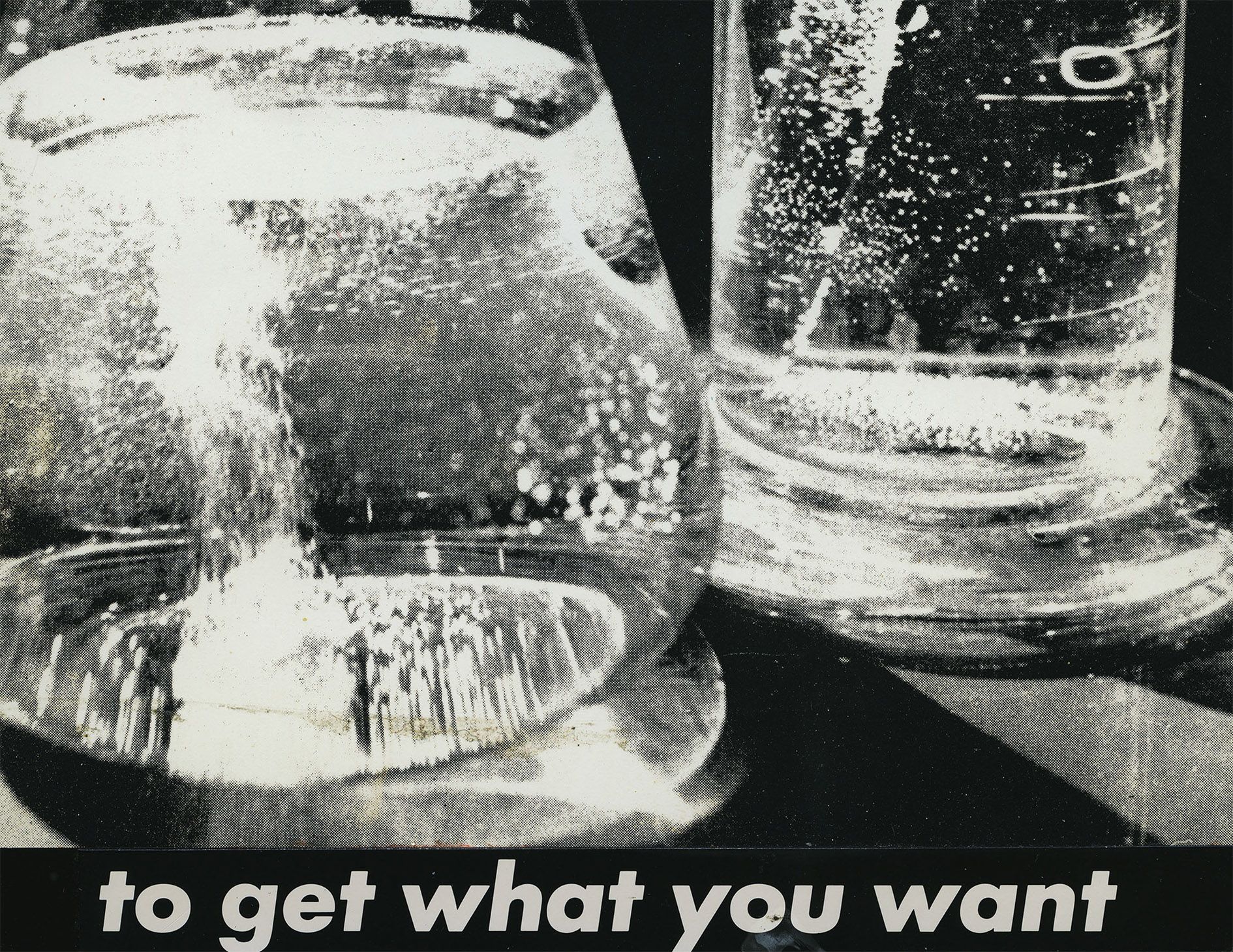
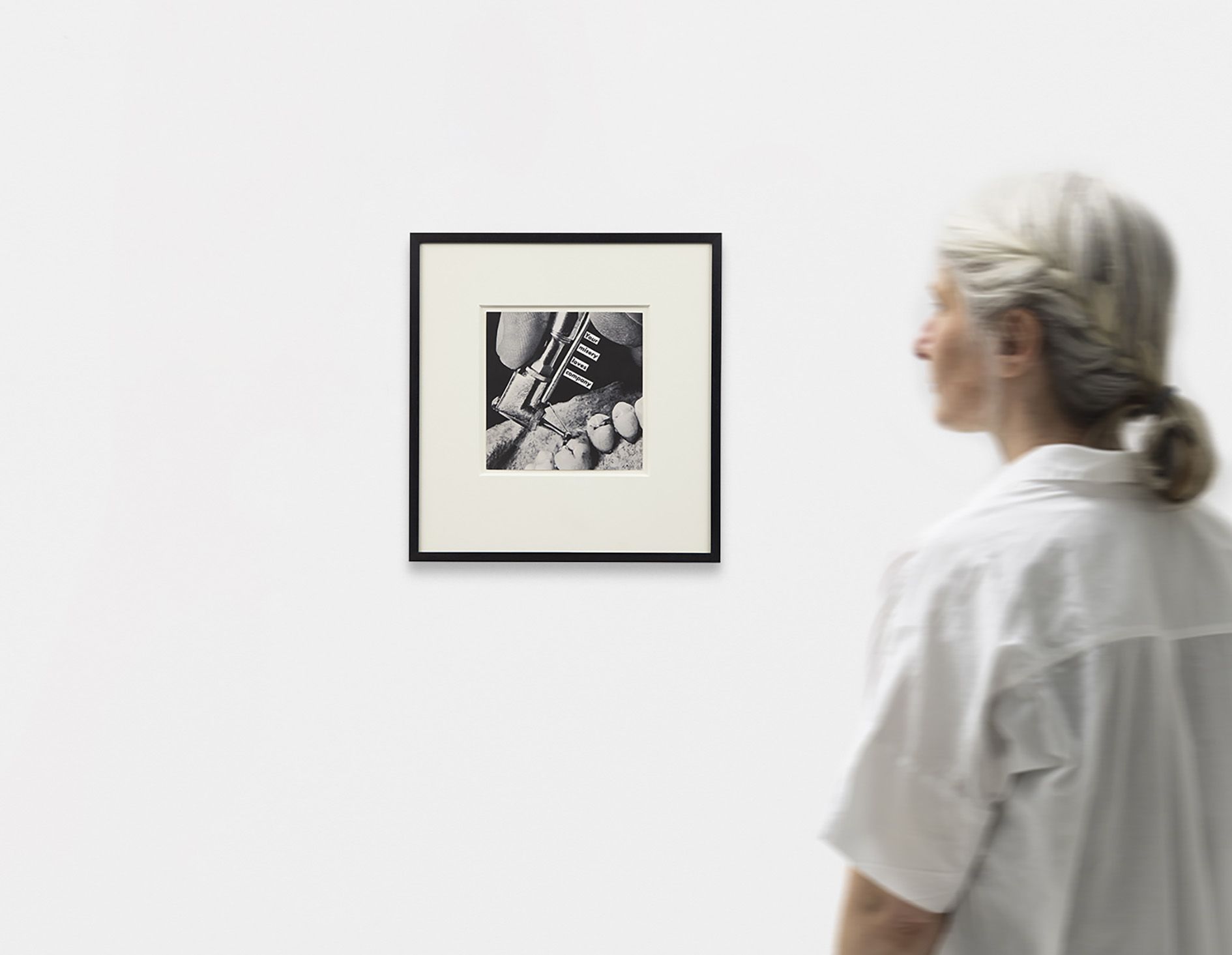
Barbara Kruger explores how image and word collaborate and clash to produce meaning, touching on the dynamics of power, consumerism, class and corruption. For over four decades, her razor-sharp wit and unmistakable aesthetic have transcended the insularity of the art world and influenced everyday visual culture. Working with the visual vocabulary of advertising (direct address, imperative statements, high-contrast images), Kruger subverts the very tools of mass persuasion to challenge viewers’ passive consumption of images and ideas. The three early paste-ups presented here—Untitled (You do what you can to get what you want) (1984), Untitled (Who is beyond the law?) (1989), and Untitled (Your misery loves company) (1985)—demonstrate this approach through the use of bold text to interrupt the flow of commercial messaging and elicit an immediate psychological response. Each work pairs its text with a black-and-white photograph cropped tightly around a moment of observation or procedure: laboratory equipment, dental examination, a close-up of a face.

Read more

These are images in which the act of looking is itself purposeful and controlled, already suggesting hierarchies before Kruger intervenes. She appropriates the urgent, authoritative visual syntax of mass media while inverting its intent. Where advertising seeks to seduce and reassure, Kruger’s works accuse, question and unsettle. The text does not complement the image but confronts it, creating a visual collision that refuses easy reconciliation. Her use of pronouns implicates the viewer directly in systems of looking and being looked at, of exercising power and being subjected to it. It is within this tension, between the scrutiny of the image and the provocation of the text, that the work operates, prompting ongoing interrogation of our assumptions and desires.

Barbara Kruger (*1945, Newark, NJ) lives and works in Los Angeles and New York. Recent solo shows include Museo Guggenheim Bilbao (2025), ARoS Art Museum, Aarhus, Serpentine Galleries, London (both 2024), Museum of Modern Art, New York, Los Angeles County Museum of Art, Neue Nationalgalerie, Berlin (all 2022), Art Institute of Chicago (2021), Amorepacific Museum of Art, Seoul (2019) and National Gallery of Art, Washington, DC (2016). Recent group exhibitions include Langen Foundation, Neuss, Germany (2025), The Broad, Los Angeles (2023), La Biennale di Venezia (2022), Isabella Stewart Gardner Museum, Boston (2021), Museum of Modern Art, Warsaw (2021), The Metropolitan Museum of Art, New York (2020), Walker Art Center, Minneapolis (2020), Nationalmuseum, Stockholm (2019) and Hamburger Bahnhof, Berlin (2018).
<p><b>Barbara Kruger<br />
</b><i>Untitled (Who is beyond the law?)</i>, 1989</p>
<p><b>Barbara Kruger<br />
</b><i>Untitled (Who is beyond the law?)</i>, 1989<br />
Photograph and type on paper<br />
25.4 × 9.9 cm | 10 × 4 inches<br />
43 × 26 cm | 17 × 10 1/4 inches (framed)</p>
<p><b>Barbara Kruger<br />
</b><i>Untitled (Who is beyond the law?)</i>, 1989<br />
Photograph and type on paper<br />
25.4 × 9.9 cm | 10 × 4 inches<br />
43 × 26 cm | 17 × 10 1/4 inches (framed)</p>
<p><b>Barbara Kruger<br />
</b><i>Untitled (Who is beyond the law?)</i>, 1989<br />
Photograph and type on paper<br />
25.4 × 9.9 cm | 10 × 4 inches<br />
43 × 26 cm | 17 × 10 1/4 inches (framed)</p>
<p><b>Barbara Kruger<br />
</b><i>Untitled (Who is beyond the law?)</i>, 1989<br />
Photograph and type on paper<br />
25.4 × 9.9 cm | 10 × 4 inches<br />
43 × 26 cm | 17 × 10 1/4 inches (framed)</p>
<p><b>Barbara Kruger<br />
</b><i>Untitled (Who is beyond the law?)</i>, 1989<br />
Photograph and type on paper<br />
25.4 × 9.9 cm | 10 × 4 inches<br />
43 × 26 cm | 17 × 10 1/4 inches (framed)</p>

Barbara Kruger
Untitled (Who is beyond the law?), 1989
Photograph and type on paper
25.4 × 9.9 cm | 10 × 4 inches
43 × 26 cm | 17 × 10 1/4 inches (framed)

Barbara Kruger
Untitled (Who is beyond the law?), 1989
Photograph and type on paper


25.4 × 9.9 cm | 10 × 4 inches
43 × 26 cm | 17 × 10 1/4 inches (framed)

Barbara Kruger explores how image and word collaborate and clash to produce meaning, touching on the dynamics of power, consumerism, class and corruption. For over four decades, her razor-sharp wit and unmistakable aesthetic have transcended the insularity of the art world and influenced everyday visual culture. Working with the visual vocabulary of advertising (direct address, imperative statements, high-contrast images), Kruger subverts the very tools of mass persuasion to challenge viewers’ passive consumption of images and ideas. The three early paste-ups presented here—Untitled (You do what you can to get what you want) (1984), Untitled (Who is beyond the law?) (1989), and Untitled (Your misery loves company) (1985)—demonstrate this approach through the use of bold text to interrupt the flow of commercial messaging and elicit an immediate psychological response. Each work pairs its text with a black-and-white photograph cropped tightly around a moment of observation or procedure: laboratory equipment, dental examination, a close-up of a face.

Read more

These are images in which the act of looking is itself purposeful and controlled, already suggesting hierarchies before Kruger intervenes. She appropriates the urgent, authoritative visual syntax of mass media while inverting its intent. Where advertising seeks to seduce and reassure, Kruger’s works accuse, question and unsettle. The text does not complement the image but confronts it, creating a visual collision that refuses easy reconciliation. Her use of pronouns implicates the viewer directly in systems of looking and being looked at, of exercising power and being subjected to it. It is within this tension, between the scrutiny of the image and the provocation of the text, that the work operates, prompting ongoing interrogation of our assumptions and desires.

Barbara Kruger (*1945, Newark, NJ) lives and works in Los Angeles and New York. Recent solo shows include Museo Guggenheim Bilbao (2025), ARoS Art Museum, Aarhus, Serpentine Galleries, London (both 2024), Museum of Modern Art, New York, Los Angeles County Museum of Art, Neue Nationalgalerie, Berlin (all 2022), Art Institute of Chicago (2021), Amorepacific Museum of Art, Seoul (2019) and National Gallery of Art, Washington, DC (2016). Recent group exhibitions include Langen Foundation, Neuss, Germany (2025), The Broad, Los Angeles (2023), La Biennale di Venezia (2022), Isabella Stewart Gardner Museum, Boston (2021), Museum of Modern Art, Warsaw (2021), The Metropolitan Museum of Art, New York (2020), Walker Art Center, Minneapolis (2020), Nationalmuseum, Stockholm (2019) and Hamburger Bahnhof, Berlin (2018).

<p><b>Barbara Kruger<br />
</b><i>Untitled (Your misery loves company)</i>, 1985</p>
<p><b>Barbara Kruger<br />
</b><i>Untitled (Your misery loves company)</i>, 1985<br />
Photograph and type on paper<br />
18 × 17.3 cm | 7 × 6 7/8 inches<br />
35 × 33.5 cm | 13 × 7/8 × 13 1/8 inches (framed)</p>
<p><b>Barbara Kruger<br />
</b><i>Untitled (Your misery loves company)</i>, 1985<br />
Photograph and type on paper<br />
18 × 17.3 cm | 7 × 6 7/8 inches<br />
35 × 33.5 cm | 13 × 7/8 × 13 1/8 inches (framed)</p>
<p><b>Barbara Kruger<br />
</b><i>Untitled (Your misery loves company)</i>, 1985<br />
Photograph and type on paper<br />
18 × 17.3 cm | 7 × 6 7/8 inches<br />
35 × 33.5 cm | 13 × 7/8 × 13 1/8 inches (framed)</p>
<p><b>Barbara Kruger<br />
</b><i>Untitled (Your misery loves company)</i>, 1985<br />
Photograph and type on paper<br />
18 × 17.3 cm | 7 × 6 7/8 inches<br />
35 × 33.5 cm | 13 × 7/8 × 13 1/8 inches (framed)</p>
<p><b>Barbara Kruger<br />
</b><i>Untitled (Your misery loves company)</i>, 1985<br />
Photograph and type on paper<br />
18 × 17.3 cm | 7 × 6 7/8 inches<br />
35 × 33.5 cm | 13 × 7/8 × 13 1/8 inches (framed)</p>

Barbara Kruger
Untitled (Your misery loves company), 1985
Photograph and type on paper
18 × 17.3 cm | 7 × 6 7/8 inches
35 × 33.5 cm | 13 × 7/8 × 13 1/8 inches (framed)

Barbara Kruger
Untitled (Your misery loves company), 1985
Photograph and type on paper


18 × 17.3 cm | 7 × 6 7/8 inches
35 × 33.5 cm | 13 × 7/8 × 13 1/8 inches (framed)

Barbara Kruger explores how image and word collaborate and clash to produce meaning, touching on the dynamics of power, consumerism, class and corruption. For over four decades, her razor-sharp wit and unmistakable aesthetic have transcended the insularity of the art world and influenced everyday visual culture. Working with the visual vocabulary of advertising (direct address, imperative statements, high-contrast images), Kruger subverts the very tools of mass persuasion to challenge viewers’ passive consumption of images and ideas. The three early paste-ups presented here—Untitled (You do what you can to get what you want) (1984), Untitled (Who is beyond the law?) (1989), and Untitled (Your misery loves company) (1985)—demonstrate this approach through the use of bold text to interrupt the flow of commercial messaging and elicit an immediate psychological response. Each work pairs its text with a black-and-white photograph cropped tightly around a moment of observation or procedure: laboratory equipment, dental examination, a close-up of a face.

Read more

These are images in which the act of looking is itself purposeful and controlled, already suggesting hierarchies before Kruger intervenes. She appropriates the urgent, authoritative visual syntax of mass media while inverting its intent. Where advertising seeks to seduce and reassure, Kruger’s works accuse, question and unsettle. The text does not complement the image but confronts it, creating a visual collision that refuses easy reconciliation. Her use of pronouns implicates the viewer directly in systems of looking and being looked at, of exercising power and being subjected to it. It is within this tension, between the scrutiny of the image and the provocation of the text, that the work operates, prompting ongoing interrogation of our assumptions and desires.

Barbara Kruger (*1945, Newark, NJ) lives and works in Los Angeles and New York. Recent solo shows include Museo Guggenheim Bilbao (2025), ARoS Art Museum, Aarhus, Serpentine Galleries, London (both 2024), Museum of Modern Art, New York, Los Angeles County Museum of Art, Neue Nationalgalerie, Berlin (all 2022), Art Institute of Chicago (2021), Amorepacific Museum of Art, Seoul (2019) and National Gallery of Art, Washington, DC (2016). Recent group exhibitions include Langen Foundation, Neuss, Germany (2025), The Broad, Los Angeles (2023), La Biennale di Venezia (2022), Isabella Stewart Gardner Museum, Boston (2021), Museum of Modern Art, Warsaw (2021), The Metropolitan Museum of Art, New York (2020), Walker Art Center, Minneapolis (2020), Nationalmuseum, Stockholm (2019) and Hamburger Bahnhof, Berlin (2018).
<p><b>Nancy Holt<br />
</b><i>Sun Tunnels</i>, 1975</p>
<p><b>Nancy Holt<br />
</b><i>Sun Tunnels</i>, 1975<br />
Graphite pencil and colored pencil on paper<br />
30.5 × 45.7 cm | 12 × 18 inches<br />
35.9 × 51.1 × 3.8 cm | 14 1/8 × 20 1/8 × 1 1/2 inches (framed)</p>
<p><b>Nancy Holt<br />
</b><i>Sun Tunnels</i>, 1975<br />
Graphite pencil and colored pencil on paper<br />
30.5 × 45.7 cm | 12 × 18 inches<br />
35.9 × 51.1 × 3.8 cm | 14 1/8 × 20 1/8 × 1 1/2 inches (framed)</p>
<p><b>Nancy Holt<br />
</b><i>Sun Tunnels</i>, 1975<br />
Graphite pencil and colored pencil on paper<br />
30.5 × 45.7 cm | 12 × 18 inches<br />
35.9 × 51.1 × 3.8 cm | 14 1/8 × 20 1/8 × 1 1/2 inches (framed)</p>
<p><b>Nancy Holt<br />
</b><i>Sun Tunnels</i>, 1975<br />
Graphite pencil and colored pencil on paper<br />
30.5 × 45.7 cm | 12 × 18 inches<br />
35.9 × 51.1 × 3.8 cm | 14 1/8 × 20 1/8 × 1 1/2 inches (framed)</p>
<p><b>Nancy Holt<br />
</b><i>Sun Tunnels</i>, 1975<br />
Graphite pencil and colored pencil on paper<br />
30.5 × 45.7 cm | 12 × 18 inches<br />
35.9 × 51.1 × 3.8 cm | 14 1/8 × 20 1/8 × 1 1/2 inches (framed)</p>

Nancy Holt
Sun Tunnels, 1975
Graphite pencil and colored pencil on paper
30.5 × 45.7 cm | 12 × 18 inches
35.9 × 51.1 × 3.8 cm | 14 1/8 × 20 1/8 × 1 1/2 inches (framed)

Nancy Holt
Sun Tunnels, 1975
Graphite pencil and colored pencil on paper


30.5 × 45.7 cm | 12 × 18 inches
35.9 × 51.1 × 3.8 cm | 14 1/8 × 20 1/8 × 1 1/2 inches (framed)

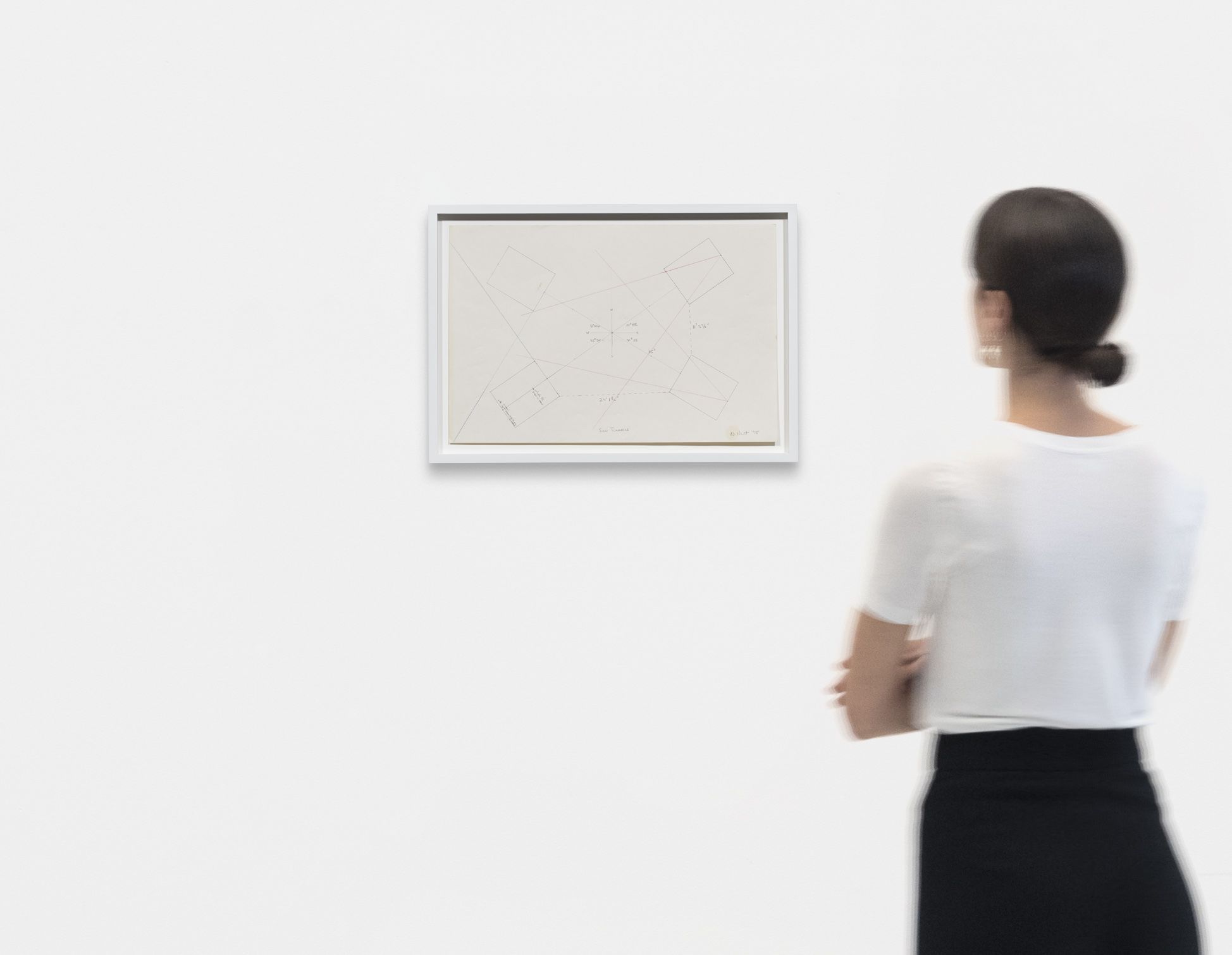
As a pioneer of the earth, land, and conceptual art movements, Nancy Holt’s varied artistic practice consistently investigated the relationship between perception and space. Her landmark earthwork Sun Tunnels (1973–76) comprises four large concrete cylinders arranged in an X-formation in a remote valley in Utah’s Great Basin Desert. The tunnels are placed precisely so as to frame the sun as it rises and sets during the summer and winter solstices. This arrangement is based on meticulous calculations, visible in Holt’s drawing Sun Tunnels (1975), an elegant hand-drawn diagram that records how the rising of the sun would cast its light through the work’s eastern-most tunnels on the longest and shortest days of the year. An artwork in its own right, this study reveals the precision of Holt’s practice as well as her affinity for plans and systems.

Nancy Holt: Light and Shadow Poetics opens at the MAK Center for Art and Architecture in Los Angeles on February 25, 2026.

Read more

Nancy Holt (1938–2014). Recent solo exhibitions include Wexner Center for the Arts, Columbus (2025); Art Institute of Chicago (2025); Martin-Gropius-Bau, Berlin (2024); Bildmuseet, Umeä, Sweden (2022), which toured to MACBA, Barcelona (2023); Western Washington University (2022); University of Massachusetts, Dartmouth (2021); and Dia Chelsea, New York (2018). An earlier important retrospective traveled from Wallach Art Gallery, Columbia University, New York (2010) to Badischer Kunstverein, Karlsruhe (2011), Graham Foundation of Advanced Studies in the Fine Arts, Chicago (2011), Tufts University Art Gallery at The Aidekman Arts Center, Boston (2012), Santa Fe Arts Institute, Santa Fe (2012) and Utah Museum of Fine Arts, University of Utah, Salt Lake City. Recent group exhibitions include presentations at Maxxi Museum, Rome (2025), Whitney Museum of American Art, New York (2024), Nasher Sculpture Center, Dallas (2023); and Ballroom Marfa (2022).
<p><b>Nancy Holt<br />
</b><i>Concrete Poem</i>, 1968</p>
<p><b>Nancy Holt<br />
</b><i>Concrete Poem</i>, 1968<br />
Inkjet print on archival rag paper from original 126 format transparency<br />
58.4 × 58.4 cm | 23 × 23 inches<br />
60.3 × 60.3 cm | 23 3/4 × 23 3/4 inches (framed)<br />
Edition of 5 + 1 AP</p>
<p><b>Nancy Holt<br />
</b><i>Concrete Poem</i>, 1968<br />
Inkjet print on archival rag paper from original 126 format transparency<br />
58.4 × 58.4 cm | 23 × 23 inches<br />
60.3 × 60.3 cm | 23 3/4 × 23 3/4 inches (framed)<br />
Edition of 5 + 1 AP</p>
<p><b>Nancy Holt<br />
</b><i>Concrete Poem</i>, 1968<br />
Inkjet print on archival rag paper from original 126 format transparency<br />
58.4 × 58.4 cm | 23 × 23 inches<br />
60.3 × 60.3 cm | 23 3/4 × 23 3/4 inches (framed)<br />
Edition of 5 + 1 AP</p>
<p><b>Nancy Holt<br />
</b><i>Concrete Poem</i>, 1968<br />
Inkjet print on archival rag paper from original 126 format transparency<br />
58.4 × 58.4 cm | 23 × 23 inches<br />
60.3 × 60.3 cm | 23 3/4 × 23 3/4 inches (framed)<br />
Edition of 5 + 1 AP</p>
<p><b>Nancy Holt<br />
</b><i>Concrete Poem</i>, 1968<br />
Inkjet print on archival rag paper from original 126 format transparency<br />
58.4 × 58.4 cm | 23 × 23 inches<br />
60.3 × 60.3 cm | 23 3/4 × 23 3/4 inches (framed)<br />
Edition of 5 + 1 AP</p>

Nancy Holt
Concrete Poem, 1968
Inkjet print on archival rag paper from original 126 format transparency
58.4 × 58.4 cm | 23 × 23 inches
60.3 × 60.3 cm | 23 3/4 × 23 3/4 inches (framed)
Edition of 5 + 1 AP

Nancy Holt
Concrete Poem, 1968
Inkjet print on archival rag paper from original 126 format transparency


58.4 × 58.4 cm | 23 × 23 inches
60.3 × 60.3 cm | 23 3/4 × 23 3/4 inches (framed)
Edition of 5 + 1 AP

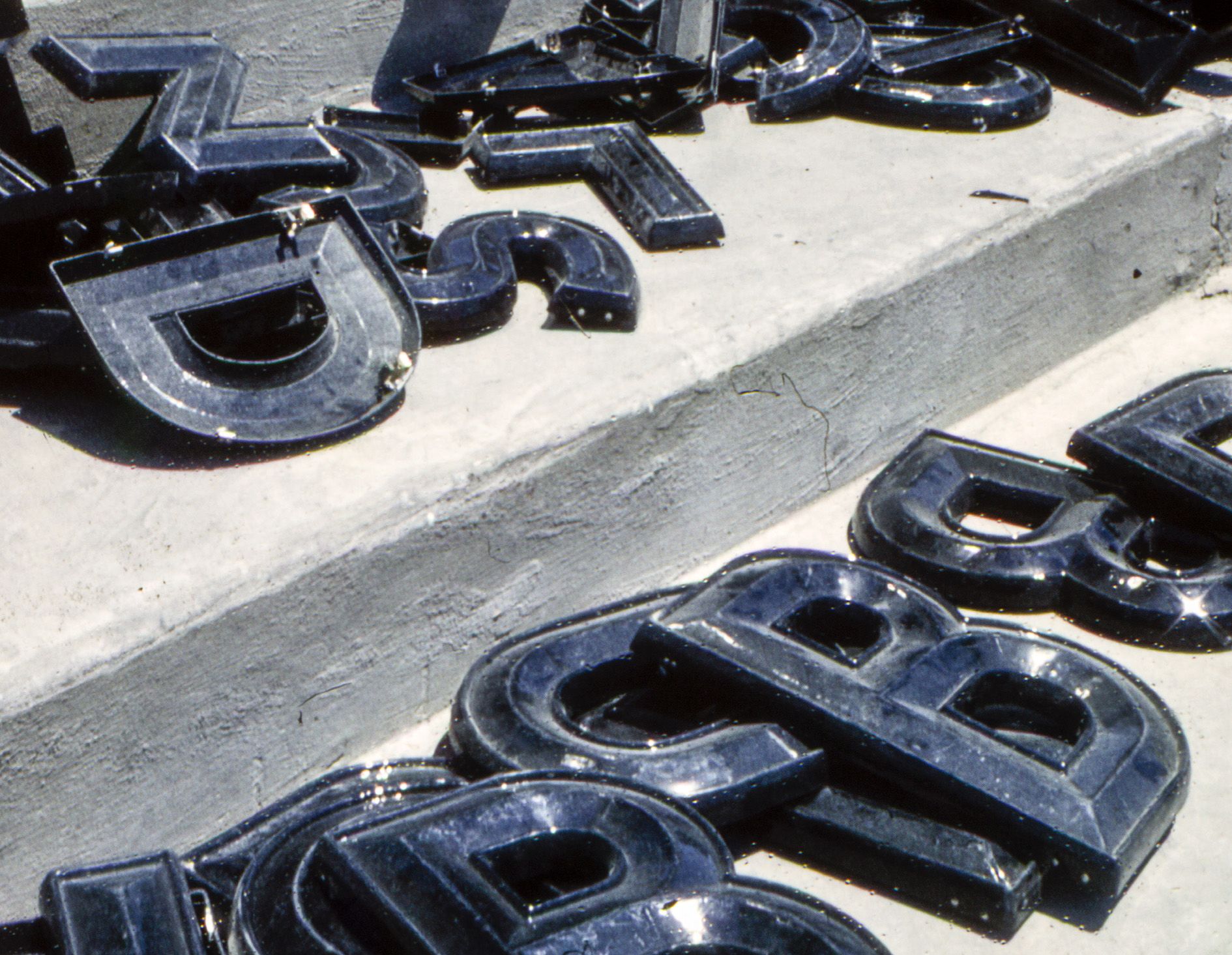
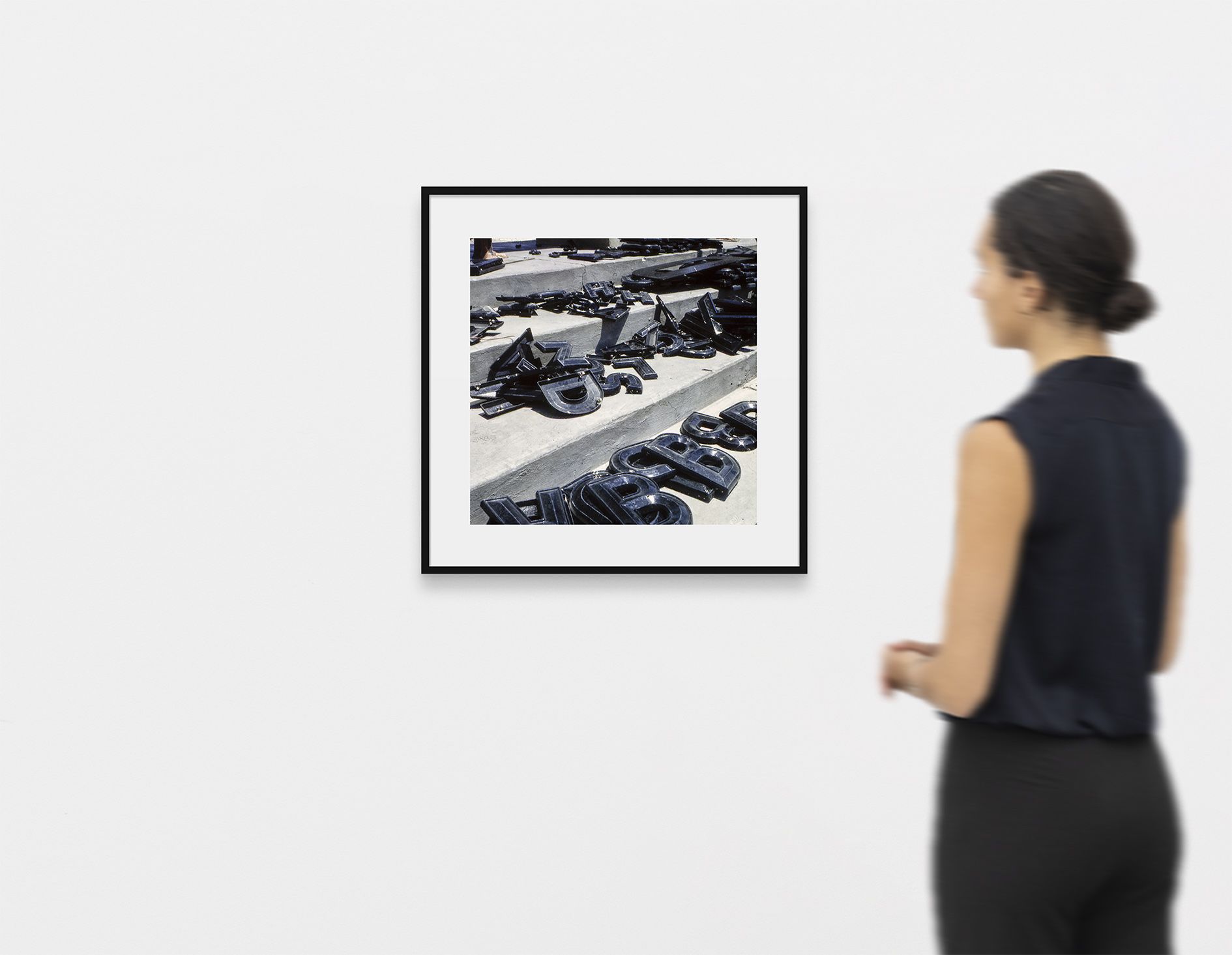
Multidisciplinary artist Nancy Holt expanded the notion of where art can be found and what art can be. Her earliest artworks, her concrete poetry, employed found language in unique spatial arrangements. In Concrete Poem (1968), an early photograph by the artist, dozens of black theater marquee letters are scattered haphazardly upon concrete steps, blazing in the bright sun. Taken in Las Vegas, Nevada, on Holt’s first trip to the American West’s desert, this photograph marks the moment in which Holt began to create visual rather than textual poems using her camera.

Nancy Holt: Light and Shadow Poetics opens at the MAK Center for Art and Architecture in Los Angeles on February 25, 2026.

Read more

Nancy Holt (1938–2014). Recent solo exhibitions include Wexner Center for the Arts, Columbus (2025); Art Institute of Chicago (2025); Martin-Gropius-Bau, Berlin (2024); Bildmuseet, Umeä, Sweden (2022), which toured to MACBA, Barcelona (2023); Western Washington University (2022); University of Massachusetts, Dartmouth (2021); and Dia Chelsea, New York (2018). An earlier important retrospective traveled from Wallach Art Gallery, Columbia University, New York (2010) to Badischer Kunstverein, Karlsruhe (2011), Graham Foundation of Advanced Studies in the Fine Arts, Chicago (2011), Tufts University Art Gallery at The Aidekman Arts Center, Boston (2012), Santa Fe Arts Institute, Santa Fe (2012) and Utah Museum of Fine Arts, University of Utah, Salt Lake City. Recent group exhibitions include presentations at Maxxi Museum, Rome (2025), Whitney Museum of American Art, New York (2024), Nasher Sculpture Center, Dallas (2023); and Ballroom Marfa (2022).
<p><b>Jenny Holzer<br />
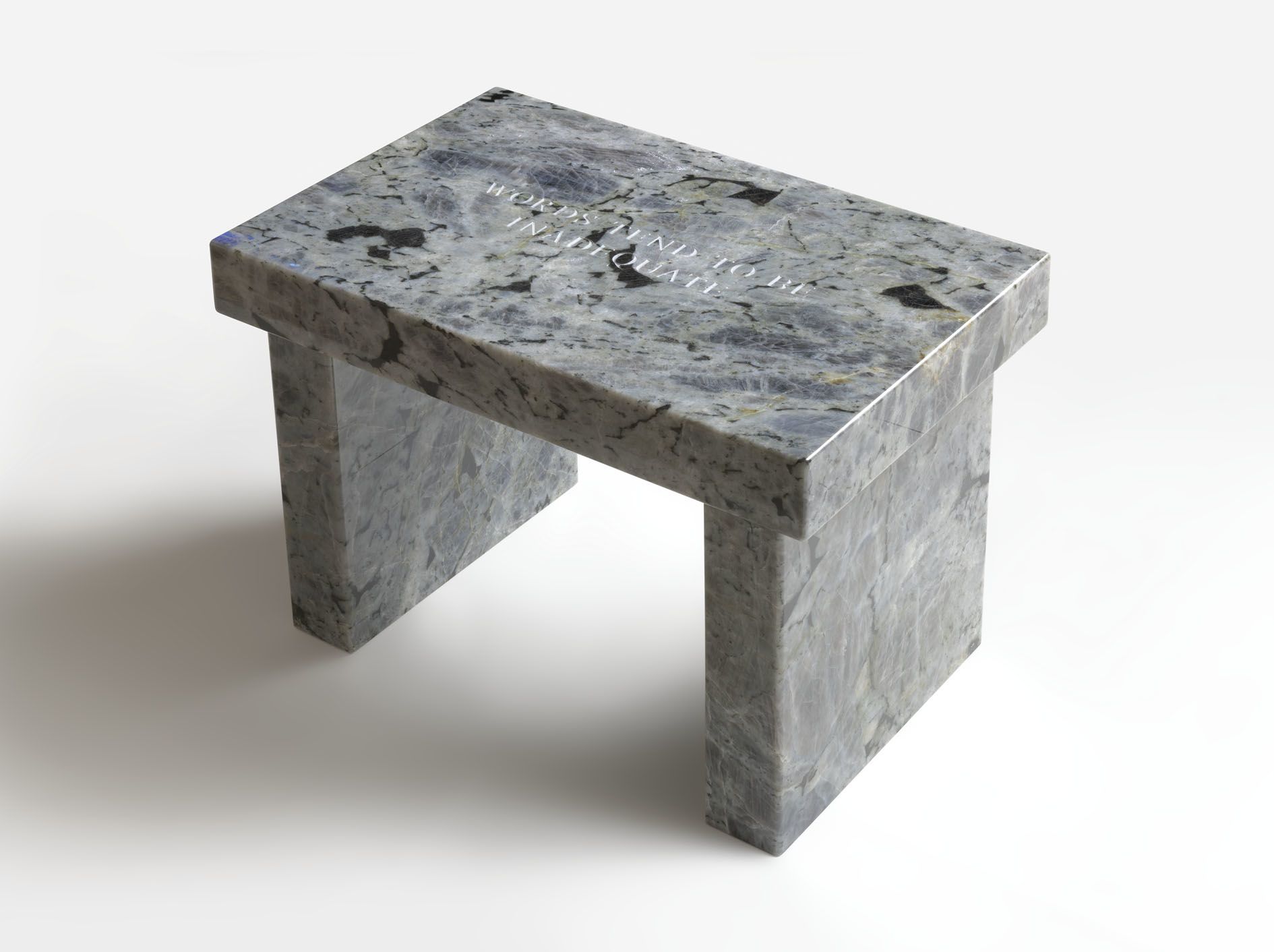
</b><i>Selection from Truisms: Words tend to…</i>, 2020</p>
<p><b>Jenny Holzer<br />
</b><i>Selection from Truisms: Words tend to…</i>, 2020<br />
Text: Truisms (1977–79)<br />
White Labradorite footstool<br />
43.2 × 63.5 × 40.6 cm | 17 × 25 × 16 inches<br />
Edition of 6</p>
<p><b>Jenny Holzer<br />
</b><i>Selection from Truisms: Words tend to…</i>, 2020<br />
Text: Truisms (1977–79)<br />
White Labradorite footstool<br />
43.2 × 63.5 × 40.6 cm | 17 × 25 × 16 inches<br />
Edition of 6</p>
<p><b>Jenny Holzer<br />
</b><i>Selection from Truisms: Words tend to…</i>, 2020<br />
Text: Truisms (1977–79)<br />
White Labradorite footstool<br />
43.2 × 63.5 × 40.6 cm | 17 × 25 × 16 inches<br />
Edition of 6</p>
<p><b>Jenny Holzer<br />
</b><i>Selection from Truisms: Words tend to…</i>, 2020<br />
Text: Truisms (1977–79)<br />
White Labradorite footstool<br />
43.2 × 63.5 × 40.6 cm | 17 × 25 × 16 inches<br />
Edition of 6</p>
<p><b>Jenny Holzer<br />
</b><i>Selection from Truisms: Words tend to…</i>, 2020<br />
Text: Truisms (1977–79)<br />
White Labradorite footstool<br />
43.2 × 63.5 × 40.6 cm | 17 × 25 × 16 inches<br />
Edition of 6</p>
<p><b>Jenny Holzer<br />
</b><i>Selection from Truisms: Words tend to…</i>, 2020<br />
Text: Truisms (1977–79)<br />
White Labradorite footstool<br />
43.2 × 63.5 × 40.6 cm | 17 × 25 × 16 inches<br />
Edition of 6</p>
<p><b>Jenny Holzer<br />
</b><i>Selection from Truisms: Words tend to…</i>, 2020<br />
Text: Truisms (1977–79)<br />
White Labradorite footstool<br />
43.2 × 63.5 × 40.6 cm | 17 × 25 × 16 inches<br />
Edition of 6</p>

Jenny Holzer
Selection from Truisms: Words tend to…, 2020
Text: Truisms (1977–79)
White Labradorite footstool
43.2 × 63.5 × 40.6 cm | 17 × 25 × 16 inches
Edition of 6

Jenny Holzer
Selection from Truisms: Words tend to…, 2020
Text: Truisms (1977–79)


White Labradorite footstool
43.2 × 63.5 × 40.6 cm | 17 × 25 × 16 inches
Edition of 6

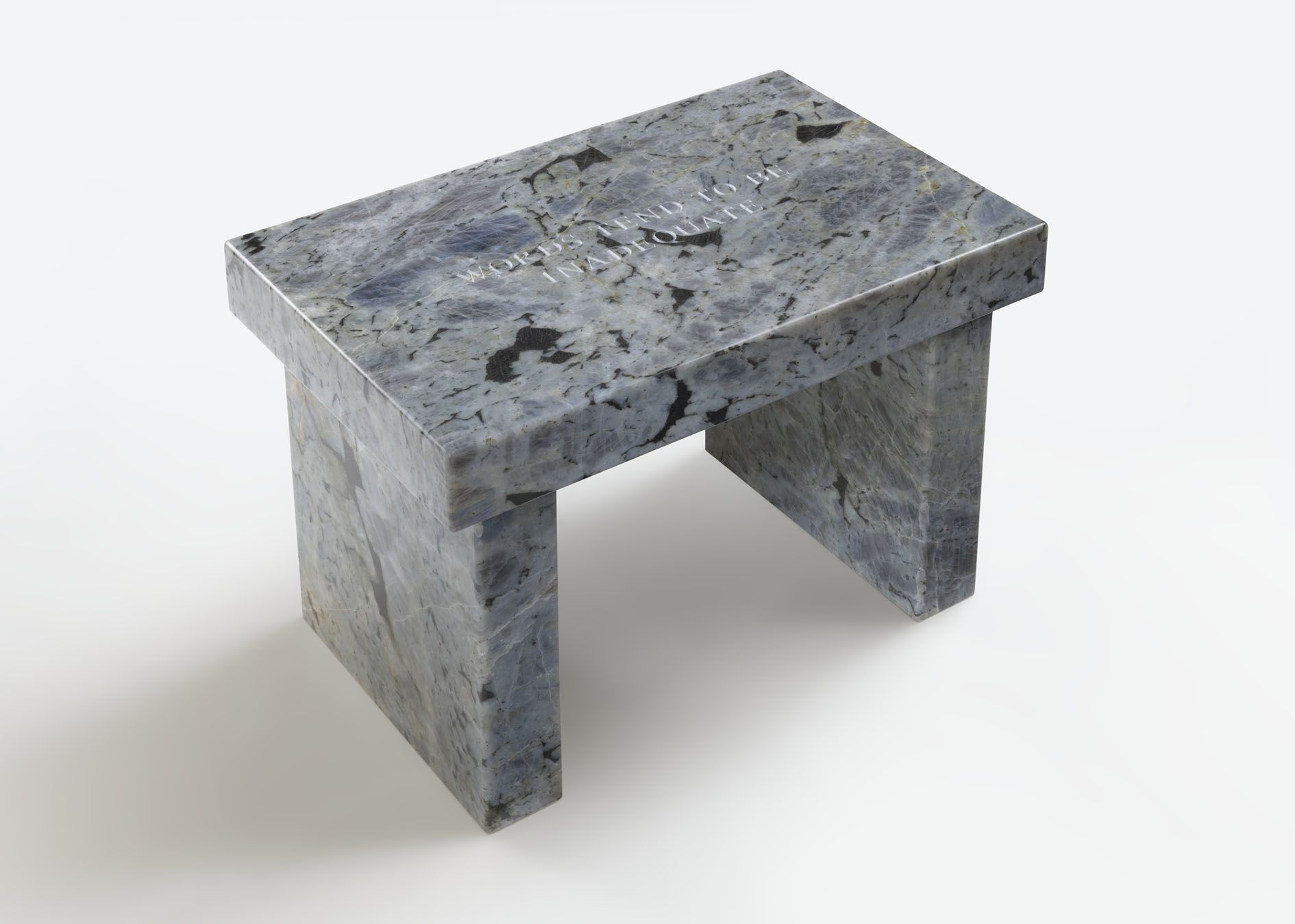
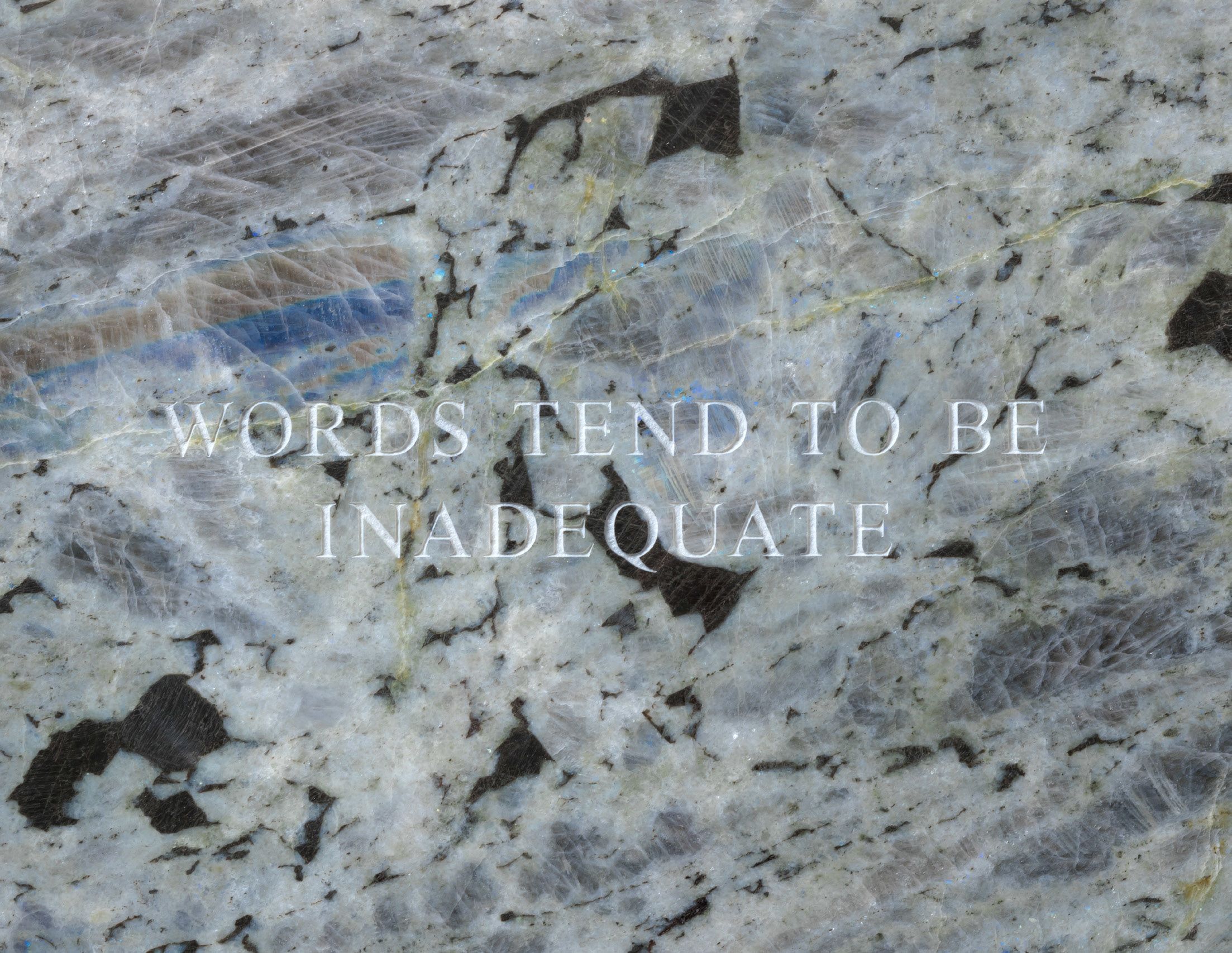
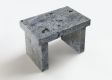
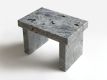
Jenny Holzer’s renowned text-based practice investigates language and meaning. From the late 1980s onwards, she has created benches and footstools as an intimate medium for this discourse, as is the case with Selection from Truisms: Words tend to… (2020), an iridescent gray bench with the phrase “WORDS TEND TO BE INADEQUATE” centrally engraved. The inscription stems from Holzer’s first major text series, Truisms, a collection of terse one-liners written between 1977 and 1979 that compile aphorisms on power, politics, and violence. In this piece, Holzer’s declarative speech is exhibited in a format that promotes contemplative and reflective engagement, requiring viewers to sit down, slow down, and consider their own relationship to the statement.

Read more

Jenny Holzer (*1950, Gallipolis, OH) lives and works in New York. Major surveys of her work were recently on view at the Guggenheim Museum, New York (2024) and Kunstsammlung Nordrhein-Westfalen, Düsseldorf (2023), and in 2022 she curated an exhibition on Louise Bourgeois’ work at Kunsthalle Basel. Other selected solo shows include Guggenheim Museum, Bilbao (2019), Tate Modern, London (2019), Massachusetts Museum of Contemporary Art, North Adams (2017–present), Blenheim Art Foundation, Woodstock (2017), Museo Correr, Venice (2015), Neue Nationalgalerie, Berlin (2011, 2001), DHC/ART Foundation for Contemporary Art, Montreal and The Baltic, Gateshead (both 2010), Fondation Beyeler, Basel and Whitney Museum of American Art, New York (both 2009), Walker Art Center, Minneapolis (1991), Hamburger Kunsthalle (2000), as well as Dia Art Foundation, New York and Guggenheim Museum, New York (both 1989).

<p><b>Jenny Holzer<br />
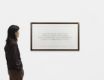
</b><i>Living: More people will be building hiding places…</i>, 1989–2023</p>
<p><b>Jenny Holzer<br />
</b><i>Living: More people will be building hiding places…</i>, 1989–2023<br />
Text: Living (1980–82)<br />
Carbon on tracing paper<br />
58.8 × 106.7 cm | 23 1/8 × 42 inches<br />
62.9 × 108 × 3.8 cm | 24 3/4 × 42 1/2 × 1 1/2 inches (framed)</p>
<p><b>Jenny Holzer<br />
</b><i>Living: More people will be building hiding places…</i>, 1989–2023<br />
Text: Living (1980–82)<br />
Carbon on tracing paper<br />
58.8 × 106.7 cm | 23 1/8 × 42 inches<br />
62.9 × 108 × 3.8 cm | 24 3/4 × 42 1/2 × 1 1/2 inches (framed)</p>
<p><b>Jenny Holzer<br />
</b><i>Living: More people will be building hiding places…</i>, 1989–2023<br />
Text: Living (1980–82)<br />
Carbon on tracing paper<br />
58.8 × 106.7 cm | 23 1/8 × 42 inches<br />
62.9 × 108 × 3.8 cm | 24 3/4 × 42 1/2 × 1 1/2 inches (framed)</p>

Jenny Holzer
Living: More people will be building hiding places…, 1989–2023
Text: Living (1980–82)
Carbon on tracing paper
58.8 × 106.7 cm | 23 1/8 × 42 inches
62.9 × 108 × 3.8 cm | 24 3/4 × 42 1/2 × 1 1/2 inches (framed)

Jenny Holzer
Living: More people will be building hiding places…, 1989–2023
Text: Living (1980–82)


Carbon on tracing paper
58.8 × 106.7 cm | 23 1/8 × 42 inches
62.9 × 108 × 3.8 cm | 24 3/4 × 42 1/2 × 1 1/2 inches (framed)

Jenny Holzer’s Living: More people will be building hiding places… (1989–2023) is a preparatory drawing for an engraved bench featuring text from her series Living (1980–82), a collection of observations and warnings on the desires, anxieties, and sociopolitical landscape of modern life. In this drawing, Holzer examines the precarity of privacy on an individual scale in a matter-of-fact tone. Her prediction is made even more disquieting as a result of the tracing paper, which records ghostly marks and smudges.

Read more

Jenny Holzer (*1950, Gallipolis, OH) lives and works in New York. Major surveys of her work were recently on view at the Guggenheim Museum, New York (2024) and Kunstsammlung Nordrhein-Westfalen, Düsseldorf (2023), and in 2022 she curated an exhibition on Louise Bourgeois’ work at Kunsthalle Basel. Other selected solo shows include Guggenheim Museum, Bilbao (2019), Tate Modern, London (2019), Massachusetts Museum of Contemporary Art, North Adams (2017–present), Blenheim Art Foundation, Woodstock (2017), Museo Correr, Venice (2015), Neue Nationalgalerie, Berlin (2011, 2001), DHC/ART Foundation for Contemporary Art, Montreal and The Baltic, Gateshead (both 2010), Fondation Beyeler, Basel and Whitney Museum of American Art, New York (both 2009), Walker Art Center, Minneapolis (1991), Hamburger Kunsthalle (2000), as well as Dia Art Foundation, New York and Guggenheim Museum, New York (both 1989).
<p><b>Jenny Holzer<br />
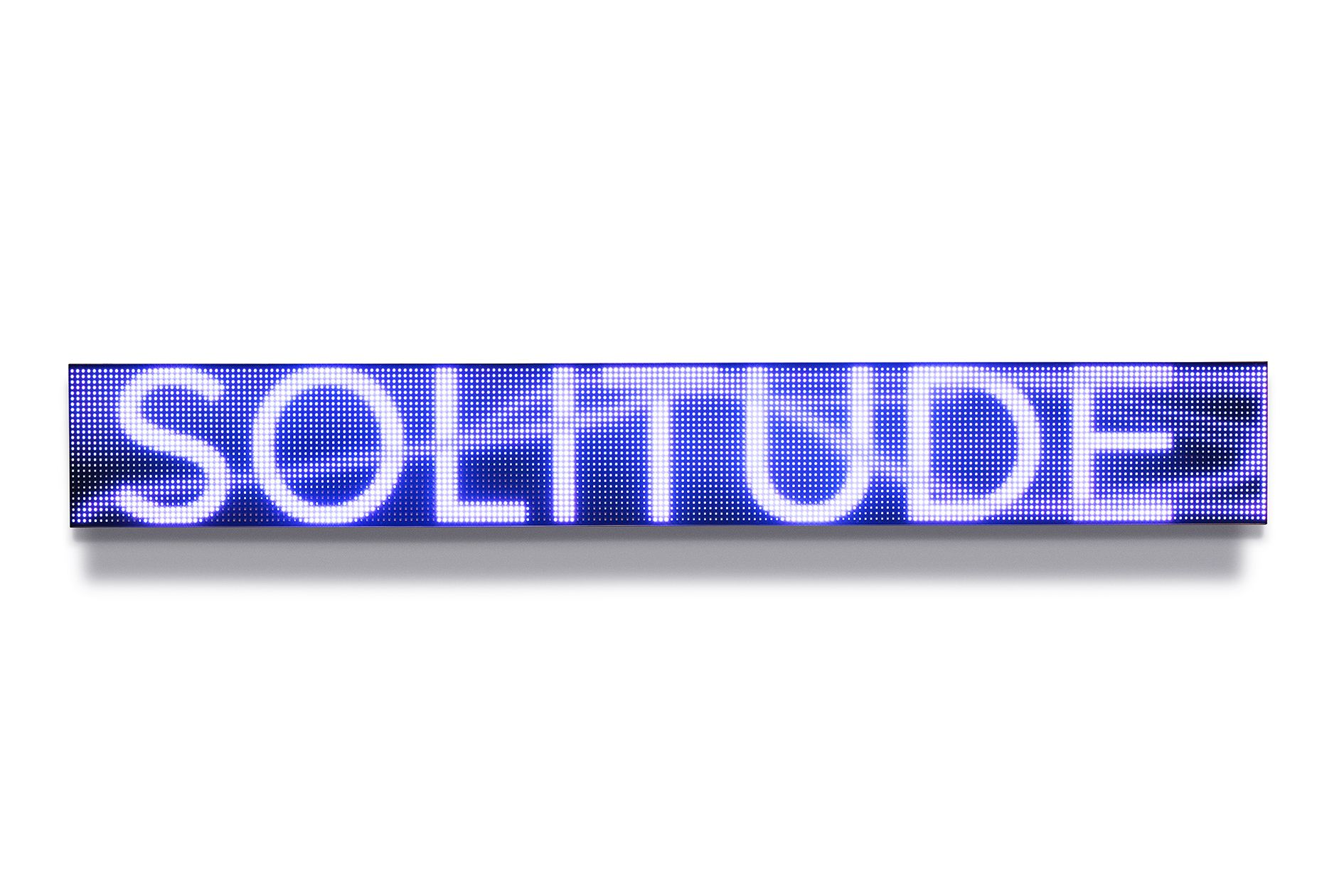
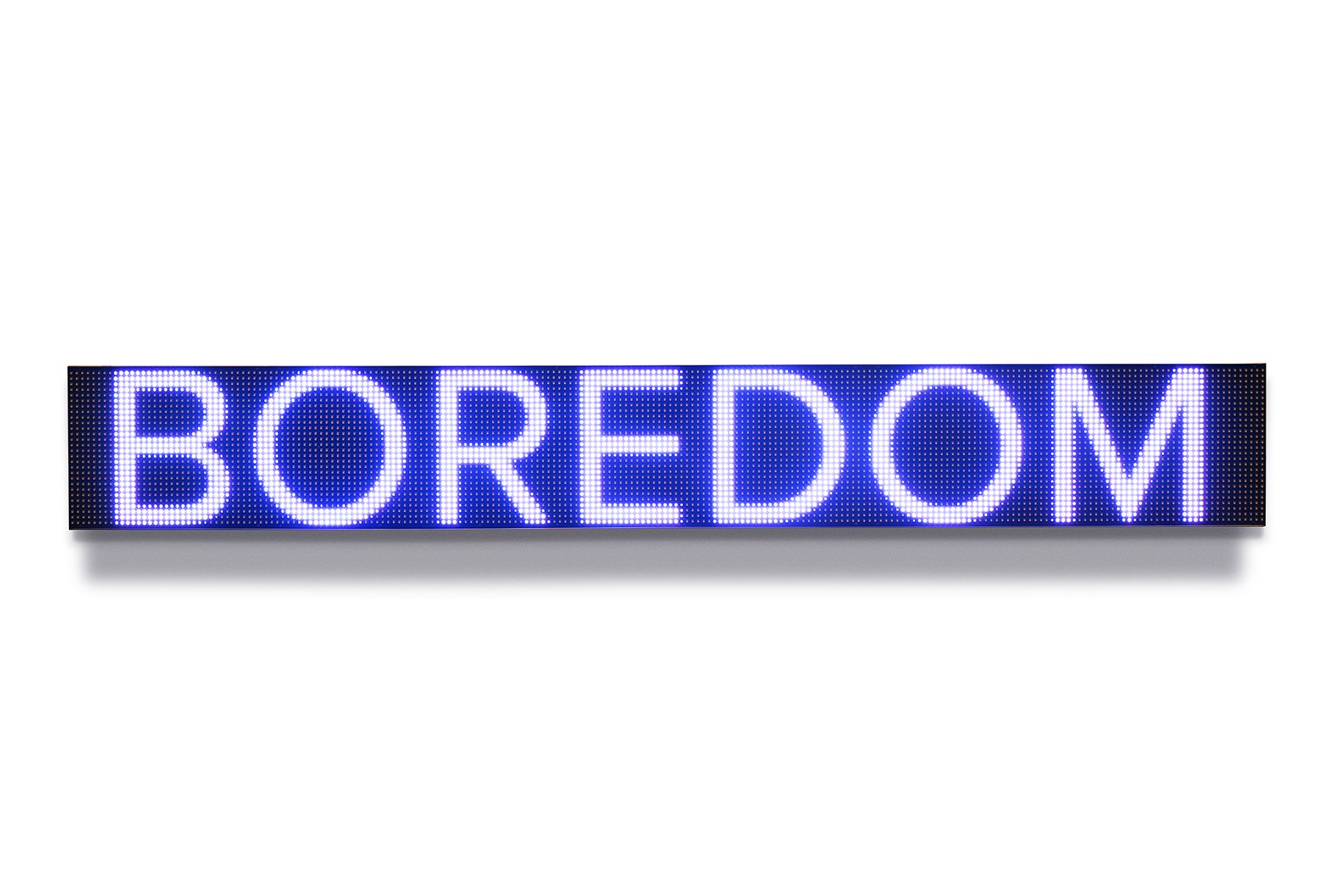
</b><i>Pearl’s Truisms & Survival</i>, 2013</p>
<p><b>Jenny Holzer<br />
</b><i>Pearl’s Truisms & Survival</i>, 2013<br />
Text: Truisms (1977–79) and Survival (1983–85)<br />
Horizontal LED sign: RGB diodes, stainless steel housing<br />
23.6 × 173 × 6.1 cm | 9 1/4 × 68 × 2 3/8 inches<br />
Edition of 6</p>
<p><b>Jenny Holzer<br />
</b><i>Pearl’s Truisms & Survival</i>, 2013<br />
Text: Truisms (1977–79) and Survival (1983–85)<br />
Horizontal LED sign: RGB diodes, stainless steel housing<br />
23.6 × 173 × 6.1 cm | 9 1/4 × 68 × 2 3/8 inches<br />
Edition of 6</p>
<p><b>Jenny Holzer<br />
</b><i>Pearl’s Truisms & Survival</i>, 2013<br />
Text: Truisms (1977–79) and Survival (1983–85)<br />
Horizontal LED sign: RGB diodes, stainless steel housing<br />
23.6 × 173 × 6.1 cm | 9 1/4 × 68 × 2 3/8 inches<br />
Edition of 6</p>
<p><b>Jenny Holzer<br />
</b><i>Pearl’s Truisms & Survival</i>, 2013<br />
Text: Truisms (1977–79) and Survival (1983–85)<br />
Horizontal LED sign: RGB diodes, stainless steel housing<br />
23.6 × 173 × 6.1 cm | 9 1/4 × 68 × 2 3/8 inches<br />
Edition of 6</p>
<p><b>Jenny Holzer<br />
</b><i>Pearl’s Truisms & Survival</i>, 2013<br />
Text: Truisms (1977–79) and Survival (1983–85)<br />
Horizontal LED sign: RGB diodes, stainless steel housing<br />
23.6 × 173 × 6.1 cm | 9 1/4 × 68 × 2 3/8 inches<br />
Edition of 6</p>
<p><b>Jenny Holzer<br />
</b><i>Pearl’s Truisms & Survival</i>, 2013<br />
Text: Truisms (1977–79) and Survival (1983–85)<br />
Horizontal LED sign: RGB diodes, stainless steel housing<br />
23.6 × 173 × 6.1 cm | 9 1/4 × 68 × 2 3/8 inches<br />
Edition of 6</p>
<p><b>Jenny Holzer<br />
</b><i>Pearl’s Truisms & Survival</i>, 2013<br />
Text: Truisms (1977–79) and Survival (1983–85)<br />
Horizontal LED sign: RGB diodes, stainless steel housing<br />
23.6 × 173 × 6.1 cm | 9 1/4 × 68 × 2 3/8 inches<br />
Edition of 6</p>
<p><b>Jenny Holzer<br />
</b><i>Pearl’s Truisms & Survival</i>, 2013<br />
Text: Truisms (1977–79) and Survival (1983–85)<br />
Horizontal LED sign: RGB diodes, stainless steel housing<br />
23.6 × 173 × 6.1 cm | 9 1/4 × 68 × 2 3/8 inches<br />
Edition of 6</p>
<p><b>Jenny Holzer<br />
</b><i>Pearl’s Truisms & Survival</i>, 2013<br />
Text: Truisms (1977–79) and Survival (1983–85)<br />
Horizontal LED sign: RGB diodes, stainless steel housing<br />
23.6 × 173 × 6.1 cm | 9 1/4 × 68 × 2 3/8 inches<br />
Edition of 6</p>
<p><b>Jenny Holzer<br />
</b><i>Pearl’s Truisms & Survival</i>, 2013<br />
Text: Truisms (1977–79) and Survival (1983–85)<br />
Horizontal LED sign: RGB diodes, stainless steel housing<br />
23.6 × 173 × 6.1 cm | 9 1/4 × 68 × 2 3/8 inches<br />
Edition of 6</p>
<p><b>Jenny Holzer<br />
</b><i>Pearl’s Truisms & Survival</i>, 2013<br />
Text: Truisms (1977–79) and Survival (1983–85)<br />
Horizontal LED sign: RGB diodes, stainless steel housing<br />
23.6 × 173 × 6.1 cm | 9 1/4 × 68 × 2 3/8 inches<br />
Edition of 6</p>
<p><b>Jenny Holzer<br />
</b><i>Pearl’s Truisms & Survival</i>, 2013<br />
Text: Truisms (1977–79) and Survival (1983–85)<br />
Horizontal LED sign: RGB diodes, stainless steel housing<br />
23.6 × 173 × 6.1 cm | 9 1/4 × 68 × 2 3/8 inches<br />
Edition of 6</p>
<p><b>Jenny Holzer<br />
</b><i>Pearl’s Truisms & Survival</i>, 2013<br />
Text: Truisms (1977–79) and Survival (1983–85)<br />
Horizontal LED sign: RGB diodes, stainless steel housing<br />
23.6 × 173 × 6.1 cm | 9 1/4 × 68 × 2 3/8 inches<br />
Edition of 6</p>
<p><b>Jenny Holzer<br />
</b><i>Pearl’s Truisms & Survival</i>, 2013<br />
Text: Truisms (1977–79) and Survival (1983–85)<br />
Horizontal LED sign: RGB diodes, stainless steel housing<br />
23.6 × 173 × 6.1 cm | 9 1/4 × 68 × 2 3/8 inches<br />
Edition of 6</p>
<p><b>Jenny Holzer<br />
</b><i>Pearl’s Truisms & Survival</i>, 2013<br />
Text: Truisms (1977–79) and Survival (1983–85)<br />
Horizontal LED sign: RGB diodes, stainless steel housing<br />
23.6 × 173 × 6.1 cm | 9 1/4 × 68 × 2 3/8 inches<br />
Edition of 6</p>
<p><b>Jenny Holzer<br />
</b><i>Pearl’s Truisms & Survival</i>, 2013<br />
Text: Truisms (1977–79) and Survival (1983–85)<br />
Horizontal LED sign: RGB diodes, stainless steel housing<br />
23.6 × 173 × 6.1 cm | 9 1/4 × 68 × 2 3/8 inches<br />
Edition of 6</p>
<p><b>Jenny Holzer<br />
</b><i>Pearl’s Truisms & Survival</i>, 2013<br />
Text: Truisms (1977–79) and Survival (1983–85)<br />
Horizontal LED sign: RGB diodes, stainless steel housing<br />
23.6 × 173 × 6.1 cm | 9 1/4 × 68 × 2 3/8 inches<br />
Edition of 6</p>

Jenny Holzer
Pearl’s Truisms & Survival, 2013
Text: Truisms (1977–79) and Survival (1983–85)
Horizontal LED sign: RGB diodes, stainless steel housing
23.6 × 173 × 6.1 cm | 9 1/4 × 68 × 2 3/8 inches
Edition of 6

Jenny Holzer
Pearl’s Truisms & Survival, 2013
Text: Truisms (1977–79) and Survival (1983–85)


Horizontal LED sign: RGB diodes, stainless steel housing
23.6 × 173 × 6.1 cm | 9 1/4 × 68 × 2 3/8 inches
Edition of 6

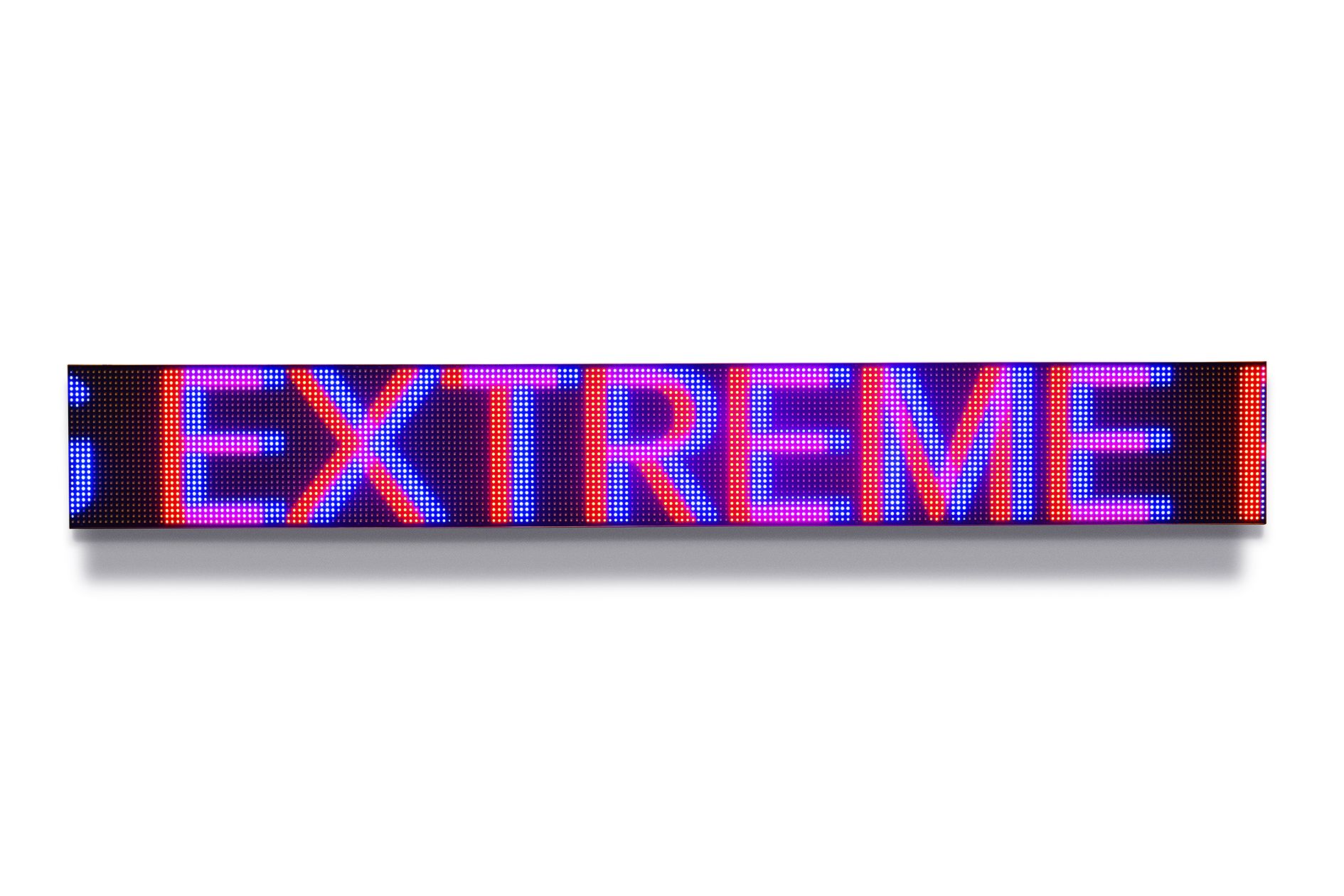
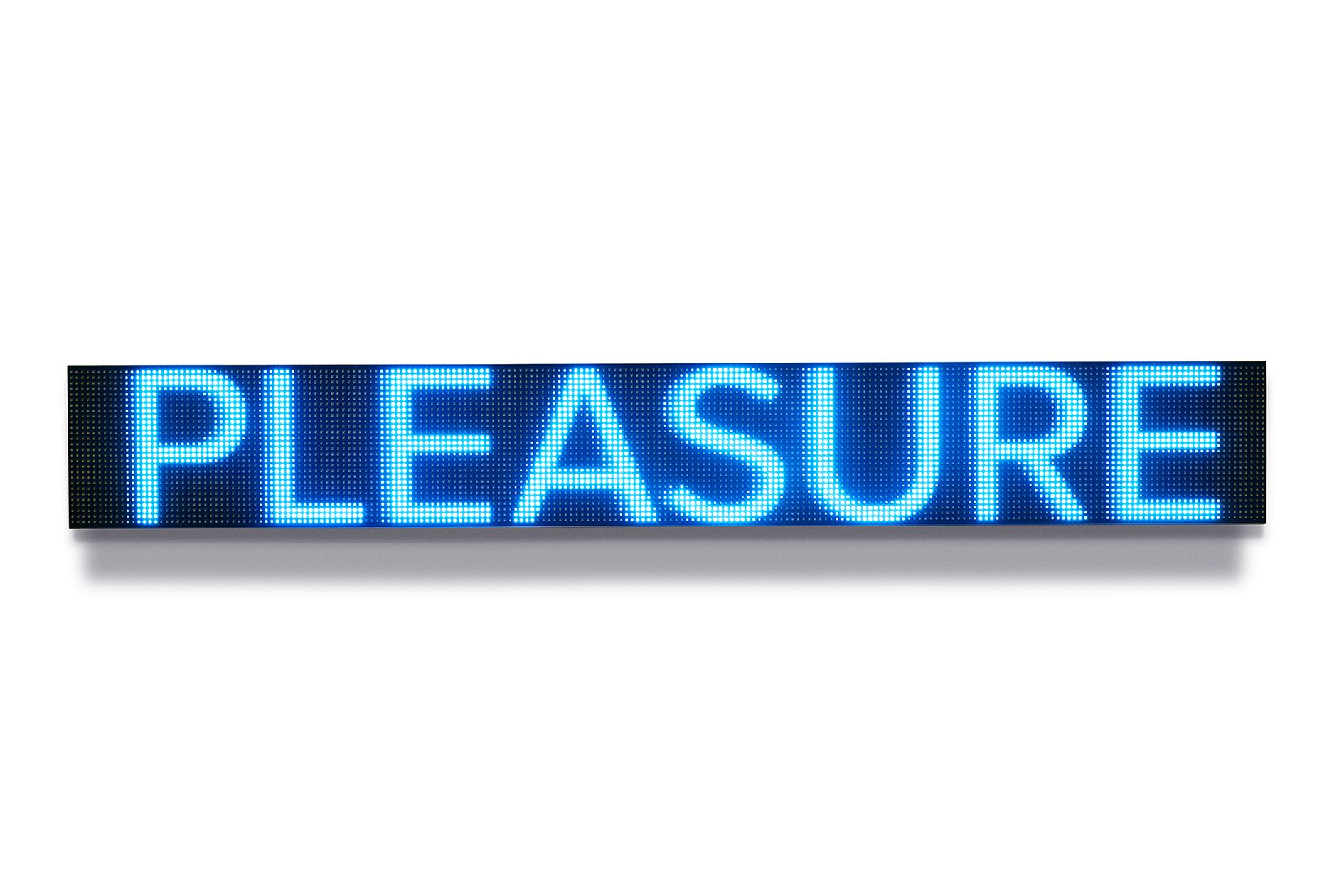
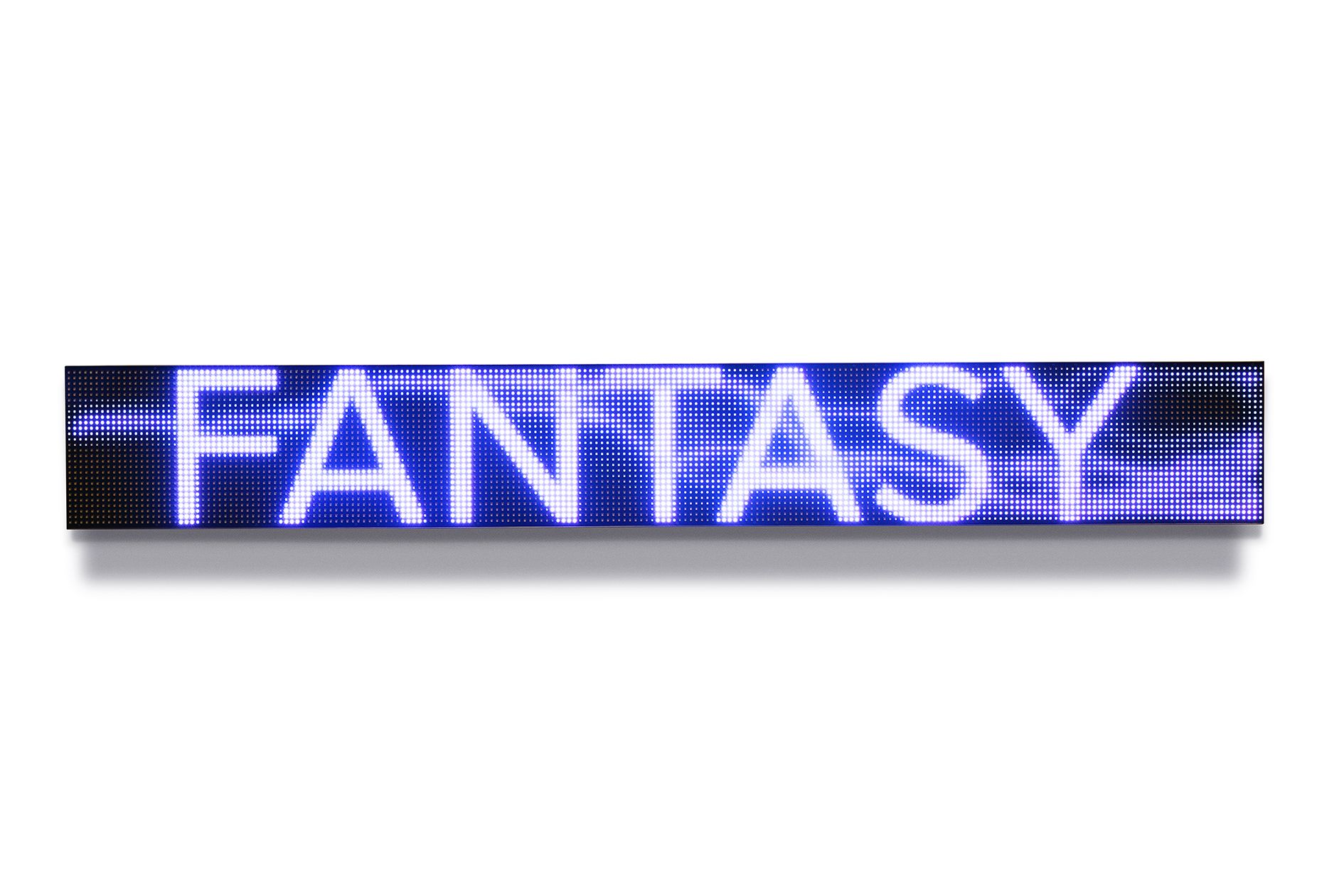
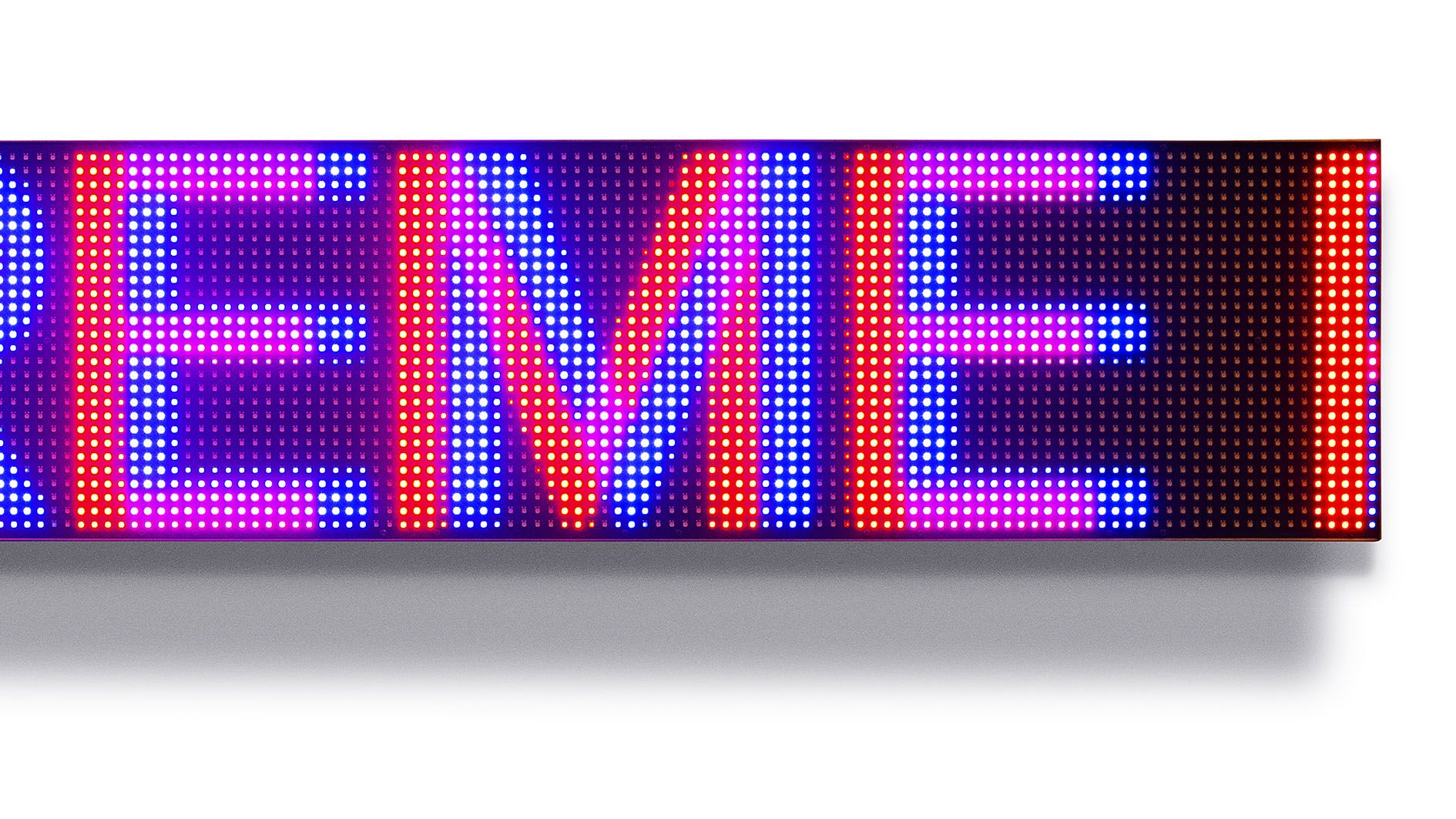
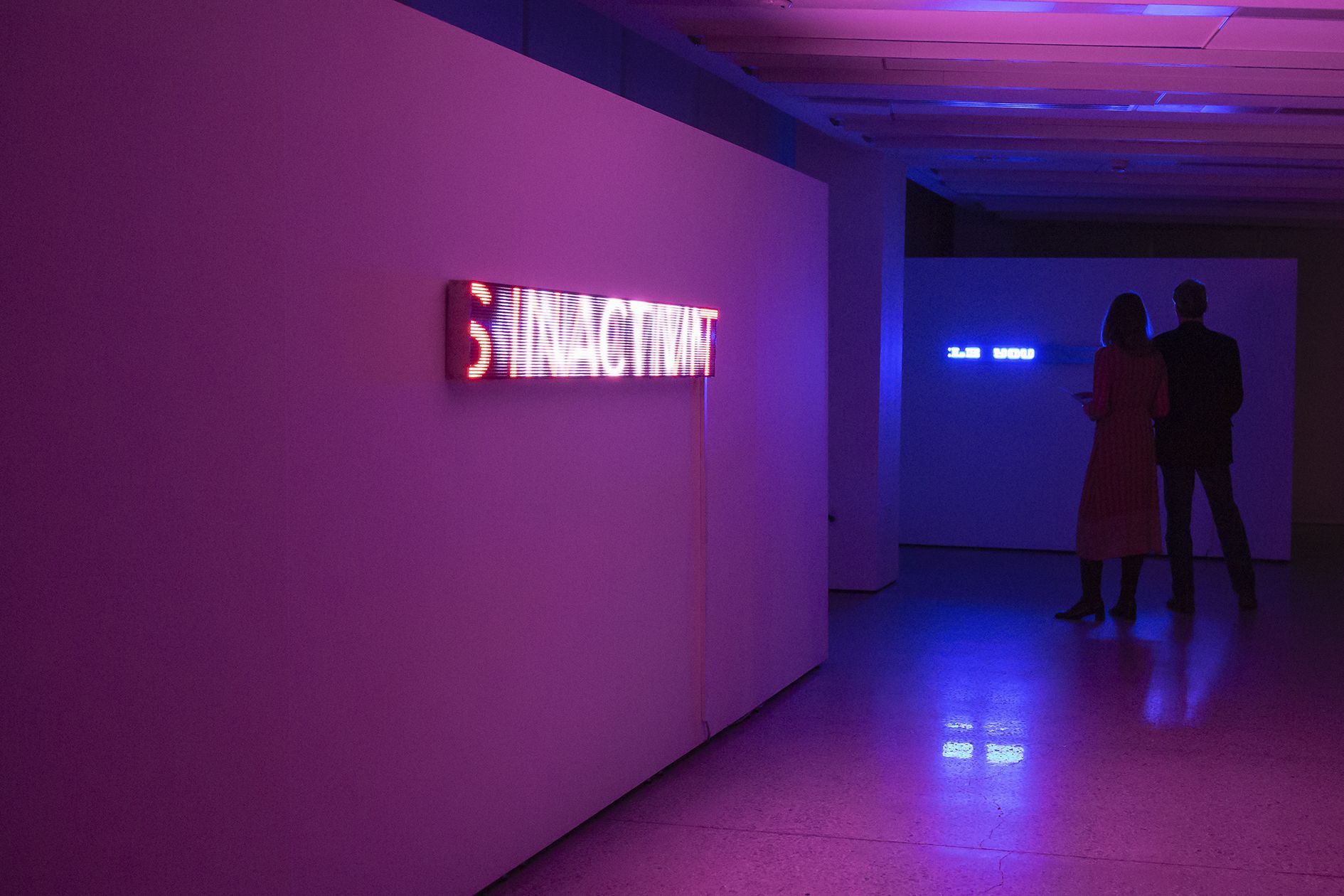
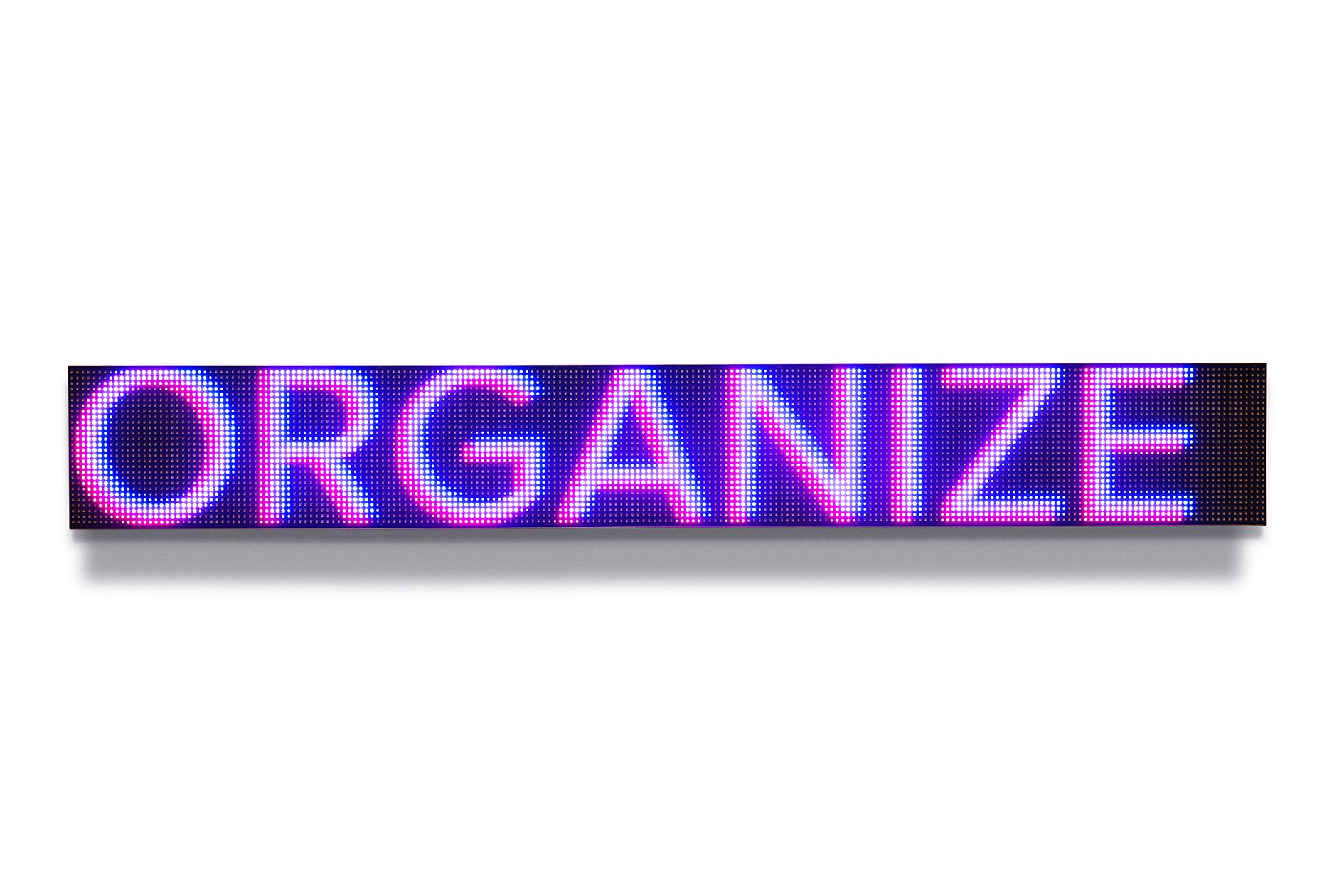
As its title suggests, Jenny Holzer’s LED sign Pearl’s Truisms & Survival (2013) presents text from both Truisms and Survival (1983–85) in brilliant blue, red, and amber light. Since the 1970s, LED signs have become integral to Holzer’s practice and her most prominent medium. Their dynamism and vivid coloration captivate attention, rendering the complexities of her sophisticated wordplay and sociohistorical more accessible. In Pearl’s Truisms & Survival and throughout Holzer’s practice, the artist reveals the power of language and the multiplicity of meaning.

Read more

Jenny Holzer (*1950, Gallipolis, OH) lives and works in New York. Major surveys of her work were recently on view at the Guggenheim Museum, New York (2024) and Kunstsammlung Nordrhein-Westfalen, Düsseldorf (2023), and in 2022 she curated an exhibition on Louise Bourgeois’ work at Kunsthalle Basel. Other selected solo shows include Guggenheim Museum, Bilbao (2019), Tate Modern, London (2019), Massachusetts Museum of Contemporary Art, North Adams (2017–present), Blenheim Art Foundation, Woodstock (2017), Museo Correr, Venice (2015), Neue Nationalgalerie, Berlin (2011, 2001), DHC/ART Foundation for Contemporary Art, Montreal and The Baltic, Gateshead (both 2010), Fondation Beyeler, Basel and Whitney Museum of American Art, New York (both 2009), Walker Art Center, Minneapolis (1991), Hamburger Kunsthalle (2000), as well as Dia Art Foundation, New York and Guggenheim Museum, New York (both 1989).
<p><b>Henni Alftan<br />
</b><i>Goggles II</i>, 2025</p>
<p><b>Henni Alftan<br />
</b><i>Goggles II</i>, 2025<br />
Oil on linen<br />
60 × 73 cm | 23 5/8 × 28 3/4 inches</p>
<p><b>Henni Alftan<br />
</b><i>Goggles II</i>, 2025<br />
Oil on linen<br />
60 × 73 cm | 23 5/8 × 28 3/4 inches</p>
<p><b>Henni Alftan<br />
</b><i>Goggles II</i>, 2025<br />
Oil on linen<br />
60 × 73 cm | 23 5/8 × 28 3/4 inches</p>

Henni Alftan
Goggles II, 2025
Oil on linen
60 × 73 cm | 23 5/8 × 28 3/4 inches

Henni Alftan
Goggles II, 2025
Oil on linen


60 × 73 cm | 23 5/8 × 28 3/4 inches

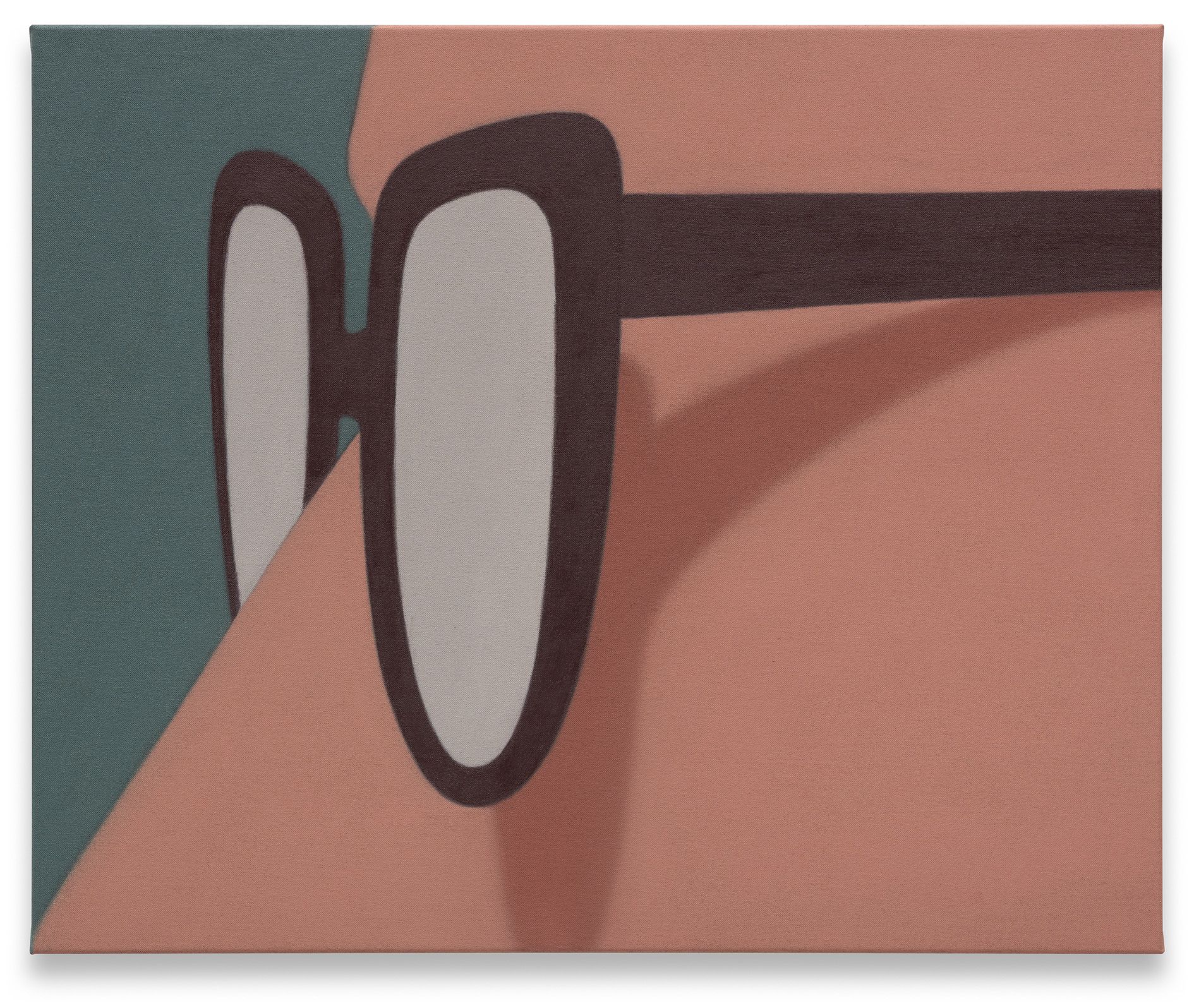
Henni Alftan’s artistic practice imagines everyday scenes of modern life that, at first, appear intimately familiar yet become increasingly elusive upon extended engagement. Such is the case with her painting Goggles II (2025), an extreme close-up of black-rimmed glasses resting upon the bridge of a nose in profile. Besides the glasses and their shadow, the painting is essentially two solid tones: a warm ochre with red undertones and dark teal, for the skin and backdrop, respectively. Alftan’s choice to omit eyes and other distinguishing features obscures the identity of the glasses-wearer, creating a dichotomy of familiarity and mystery. In Goggles II and throughout her work, Alftan thwarts the natural urge to narrativize the composition, including and omitting just enough information to encourage perpetual speculation without resolution.

Read more

Henni Alftan (*1979, Helsinki) lives and works in Paris. Institutional group exhibitions include those at Centre Pompidou-Metz, France (2025), Longlati Foundation, Shanghai (2024), Amos Rex Art Museum, Helsinki (2024), Kemper Museum of Contemporary Art, Kansas City (2024), EMMA – Espoo Museum of Modern Art, Espoo, Museum of Contemporary Art Kiasma, Finland (both 2023), LACMA, Los Angeles (2022), ENSA Limoges, École Nationale Supérieure d’Art (2020), Musée des Beaux-Arts de Brest (2017). Alftan’s works are included in the collections of the Buffalo AKG Art Museum, New York, Dallas Museum of Art, Hammer Museum, Los Angeles, Helsinki Art Museum, High Museum of Art, Atlanta, Institute of Contemporary Art, Miami, Kuntsi Museum of Modern Art, Vaasa, Finland, Los Angeles County Museum of Art and the UBS Art Collection.
<p><b>Kara Walker<br />
</b><i>A Free Speech Exercise Whose Main Point was Lost Midway Through</i>, 2022–23</p>
<p><b>Kara Walker<br />
</b><i>A Free Speech Exercise Whose Main Point was Lost Midway Through</i>, 2022–23<br />
Ink, graphite and cut paper on paper<br />
178.4 × 198.8 cm | 70 1/4 × 78 1/4 inches<br />
190.5 × 215.3 × 8.9 cm | 75 × 84 3/4 × 3 1/2 inches (framed)</p>
<p><b>Kara Walker<br />
</b><i>A Free Speech Exercise Whose Main Point was Lost Midway Through</i>, 2022–23<br />
Ink, graphite and cut paper on paper<br />
178.4 × 198.8 cm | 70 1/4 × 78 1/4 inches<br />
190.5 × 215.3 × 8.9 cm | 75 × 84 3/4 × 3 1/2 inches (framed)</p>
<p><b>Kara Walker<br />
</b><i>A Free Speech Exercise Whose Main Point was Lost Midway Through</i>, 2022–23<br />
Ink, graphite and cut paper on paper<br />
178.4 × 198.8 cm | 70 1/4 × 78 1/4 inches<br />
190.5 × 215.3 × 8.9 cm | 75 × 84 3/4 × 3 1/2 inches (framed)</p>
<p><b>Kara Walker<br />
</b><i>A Free Speech Exercise Whose Main Point was Lost Midway Through</i>, 2022–23<br />
Ink, graphite and cut paper on paper<br />
178.4 × 198.8 cm | 70 1/4 × 78 1/4 inches<br />
190.5 × 215.3 × 8.9 cm | 75 × 84 3/4 × 3 1/2 inches (framed)</p>
<p><b>Kara Walker<br />
</b><i>A Free Speech Exercise Whose Main Point was Lost Midway Through</i>, 2022–23<br />
Ink, graphite and cut paper on paper<br />
178.4 × 198.8 cm | 70 1/4 × 78 1/4 inches<br />
190.5 × 215.3 × 8.9 cm | 75 × 84 3/4 × 3 1/2 inches (framed)</p>
<p><b>Kara Walker<br />
</b><i>A Free Speech Exercise Whose Main Point was Lost Midway Through</i>, 2022–23<br />
Ink, graphite and cut paper on paper<br />
178.4 × 198.8 cm | 70 1/4 × 78 1/4 inches<br />
190.5 × 215.3 × 8.9 cm | 75 × 84 3/4 × 3 1/2 inches (framed)</p>
<p><b>Kara Walker<br />
</b><i>A Free Speech Exercise Whose Main Point was Lost Midway Through</i>, 2022–23<br />
Ink, graphite and cut paper on paper<br />
178.4 × 198.8 cm | 70 1/4 × 78 1/4 inches<br />
190.5 × 215.3 × 8.9 cm | 75 × 84 3/4 × 3 1/2 inches (framed)</p>
<p><b>Kara Walker<br />
</b><i>A Free Speech Exercise Whose Main Point was Lost Midway Through</i>, 2022–23<br />
Ink, graphite and cut paper on paper<br />
178.4 × 198.8 cm | 70 1/4 × 78 1/4 inches<br />
190.5 × 215.3 × 8.9 cm | 75 × 84 3/4 × 3 1/2 inches (framed)</p>
<p><b>Kara Walker<br />
</b><i>A Free Speech Exercise Whose Main Point was Lost Midway Through</i>, 2022–23<br />
Ink, graphite and cut paper on paper<br />
178.4 × 198.8 cm | 70 1/4 × 78 1/4 inches<br />
190.5 × 215.3 × 8.9 cm | 75 × 84 3/4 × 3 1/2 inches (framed)</p>
<p><b>Kara Walker<br />
</b><i>A Free Speech Exercise Whose Main Point was Lost Midway Through</i>, 2022–23<br />
Ink, graphite and cut paper on paper<br />
178.4 × 198.8 cm | 70 1/4 × 78 1/4 inches<br />
190.5 × 215.3 × 8.9 cm | 75 × 84 3/4 × 3 1/2 inches (framed)</p>
<p><b>Kara Walker<br />
</b><i>A Free Speech Exercise Whose Main Point was Lost Midway Through</i>, 2022–23<br />
Ink, graphite and cut paper on paper<br />
178.4 × 198.8 cm | 70 1/4 × 78 1/4 inches<br />
190.5 × 215.3 × 8.9 cm | 75 × 84 3/4 × 3 1/2 inches (framed)</p>

Kara Walker
A Free Speech Exercise Whose Main Point was Lost Midway Through, 2022–23
Ink, graphite and cut paper on paper
178.4 × 198.8 cm | 70 1/4 × 78 1/4 inches
190.5 × 215.3 × 8.9 cm | 75 × 84 3/4 × 3 1/2 inches (framed)

Kara Walker
A Free Speech Exercise Whose Main Point was Lost Midway Through, 2022–23
Ink, graphite and cut paper on paper


178.4 × 198.8 cm | 70 1/4 × 78 1/4 inches
190.5 × 215.3 × 8.9 cm | 75 × 84 3/4 × 3 1/2 inches (framed)

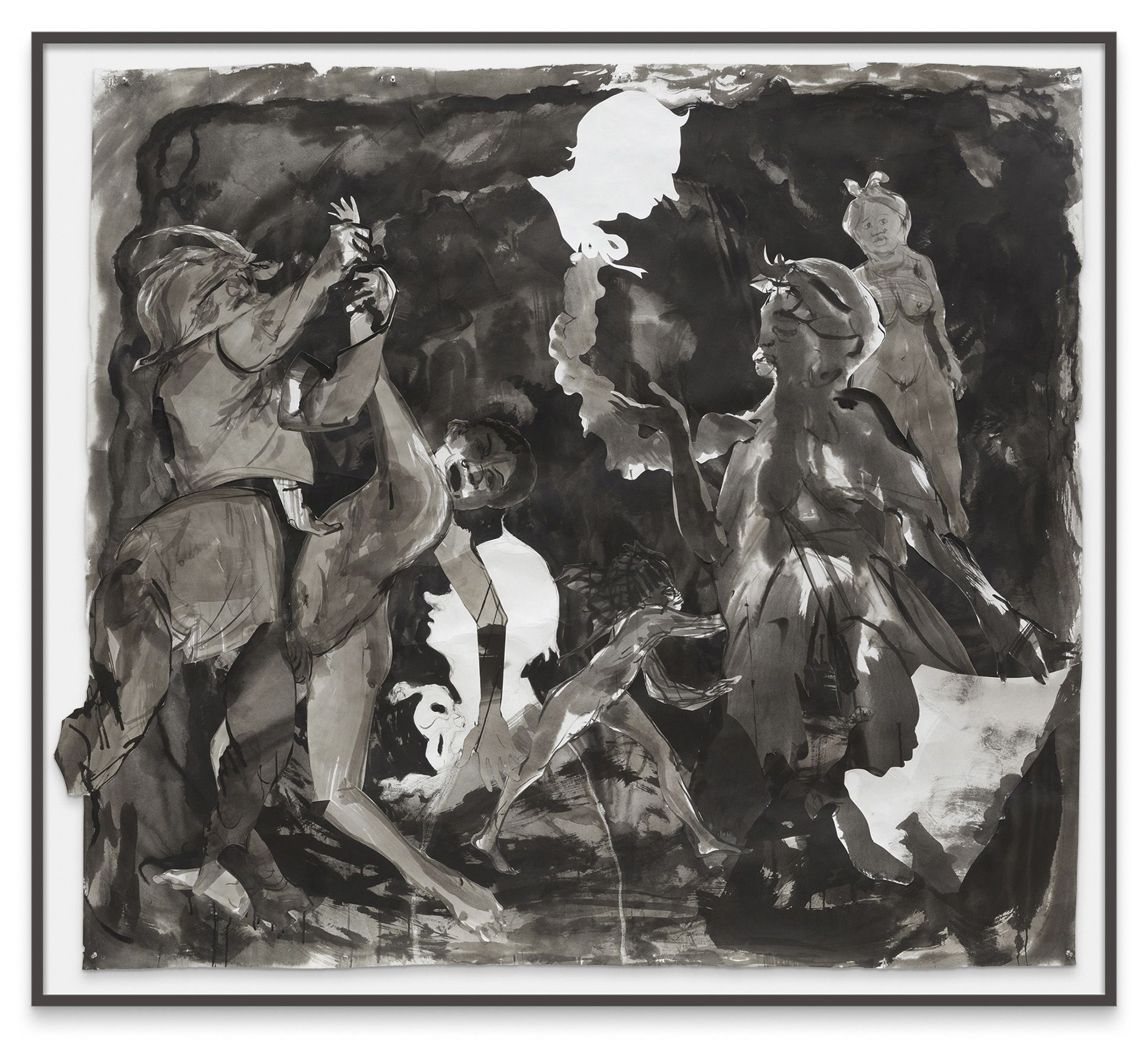
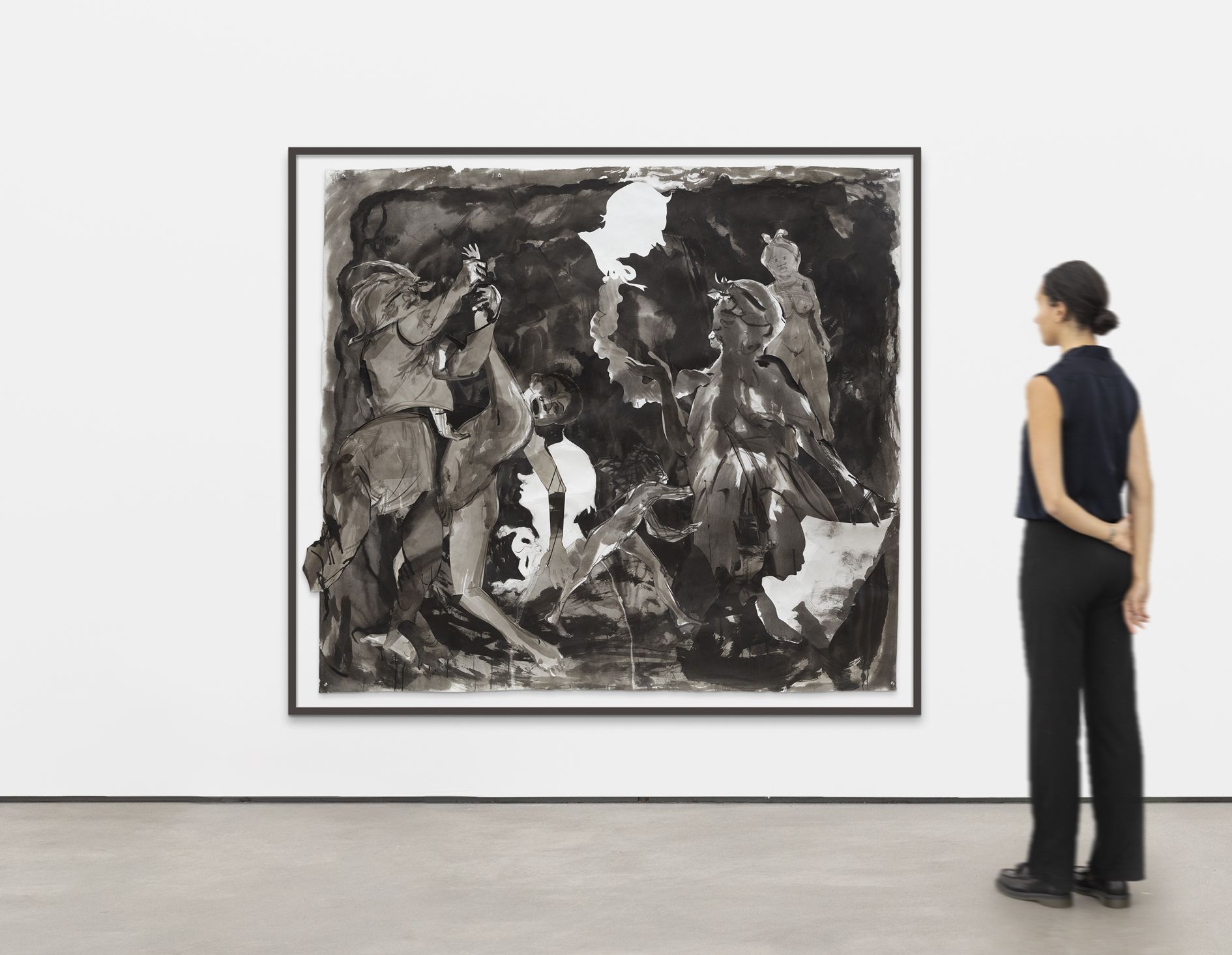
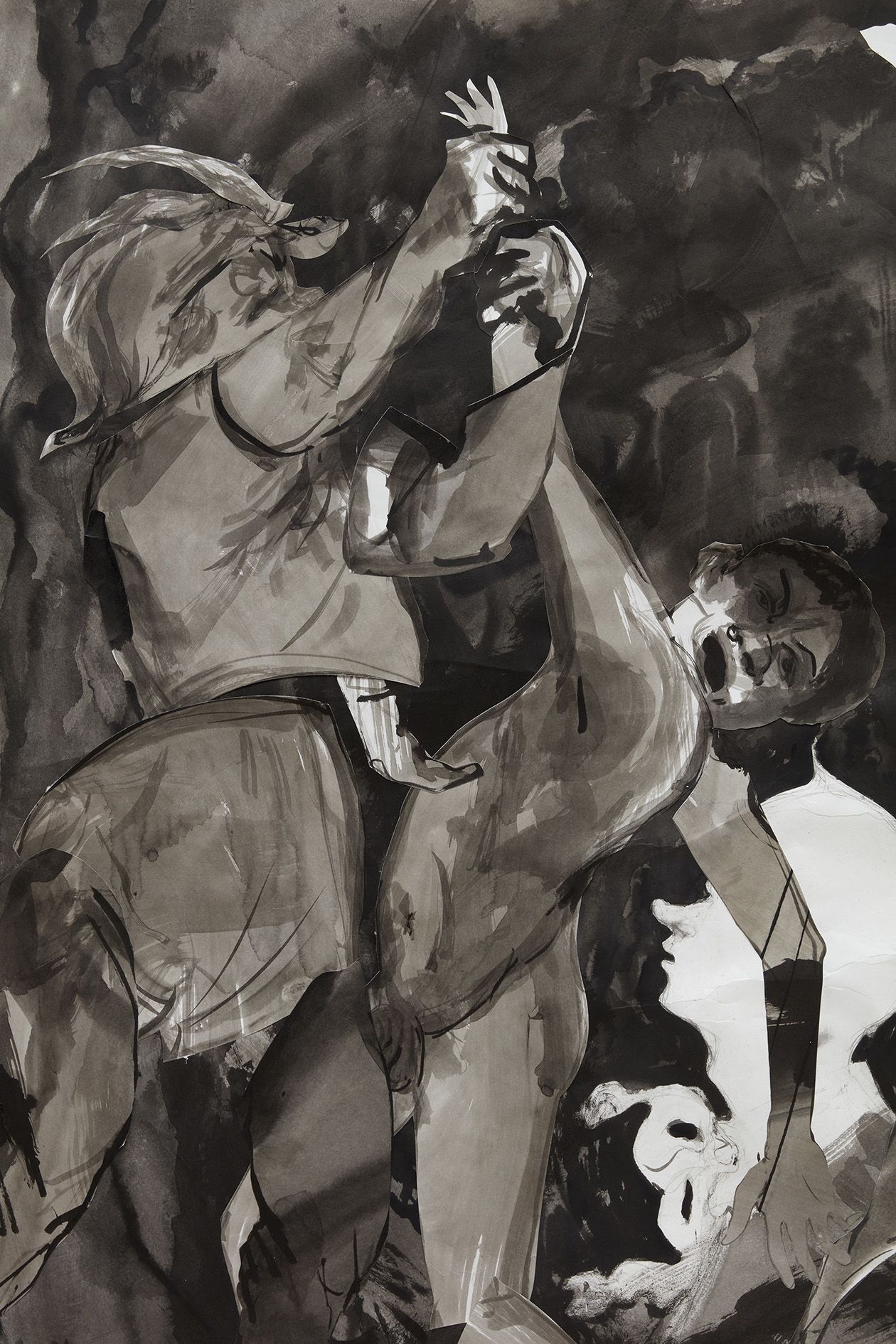
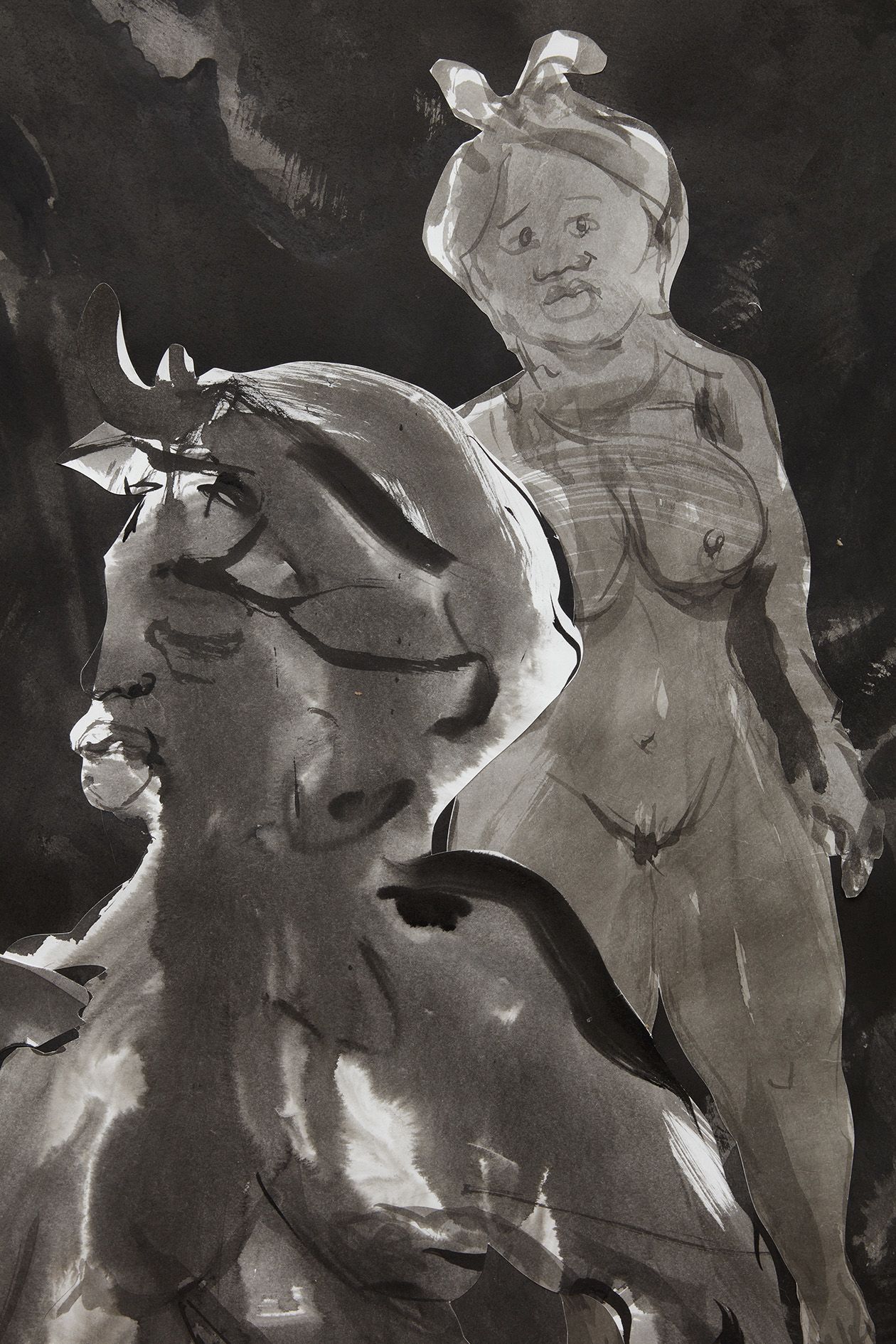
Kara Walker’s work operates at the intersection of beauty and brutality, appropriating historical visual forms to expose the violence embedded within America’s cultural and racial foundations. A Free Speech Exercise Whose Main Point was Lost Midway Through (2022–23) demonstrates this approach through narratives saturated with historical reference and complex racial archetypes that compel viewers to confront their complicity in perpetuating these structures. Combining her characteristic cut-paper silhouettes and ink-and-graphite drawing, Walker deploys imagery from antebellum slavery to illuminate how such violence persists in contemporary forms—a perpetual failure the title itself names.

An exhibition of new work by Walker is on view at Sprüth Magers in Berlin through April 4, 2026. She co-curated the major group exhibition MONUMENTS, on view through May 3, 2026, organized by The Museum of Contemporary Art and The Brick, Los Angeles.

Read more

Kara Walker (*1969, Stockton, CA) lives and works in New York. Selected solo exhibitions include Fundación PROA, Buenos Aires (2025), National Gallery of Australia, Canberra (2023), De Pont Museum, Tilburg, The Netherlands (2022), Schirn Kunsthalle, Frankfurt, Kunstmuseum Basel (both 2021), Turbine Hall, Tate Modern, London (2019), Domino Sugar Refinery, New York (2014), Camden Arts Centre, London, Art Institute of Chicago (both 2013), Center for Contemporary Art Ujazdowski Castle, Warsaw (2011), Hammer Museum, Los Angeles and Modern Art Museum Fort Worth (both 2008), Walker Art Center, Minneapolis, Whitney Museum, New York (both 2007) and The Metropolitan Museum of Art, New York (2006).
<p><b>Kara Walker<br />
</b><i>Scientific Method</i>, 2018</p>
<p><b>Kara Walker<br />
</b><i>Scientific Method</i>, 2018<br />
Graphite and ink on paper<br />
38.1 × 57.1 cm | 15 × 22 1/2 inches<br />
43.5 × 62.5 cm | 17 1/8 × 24 5/8 inches (framed)</p>
<p><b>Kara Walker<br />
</b><i>Scientific Method</i>, 2018<br />
Graphite and ink on paper<br />
38.1 × 57.1 cm | 15 × 22 1/2 inches<br />
43.5 × 62.5 cm | 17 1/8 × 24 5/8 inches (framed)</p>
<p><b>Kara Walker<br />
</b><i>Scientific Method</i>, 2018<br />
Graphite and ink on paper<br />
38.1 × 57.1 cm | 15 × 22 1/2 inches<br />
43.5 × 62.5 cm | 17 1/8 × 24 5/8 inches (framed)</p>

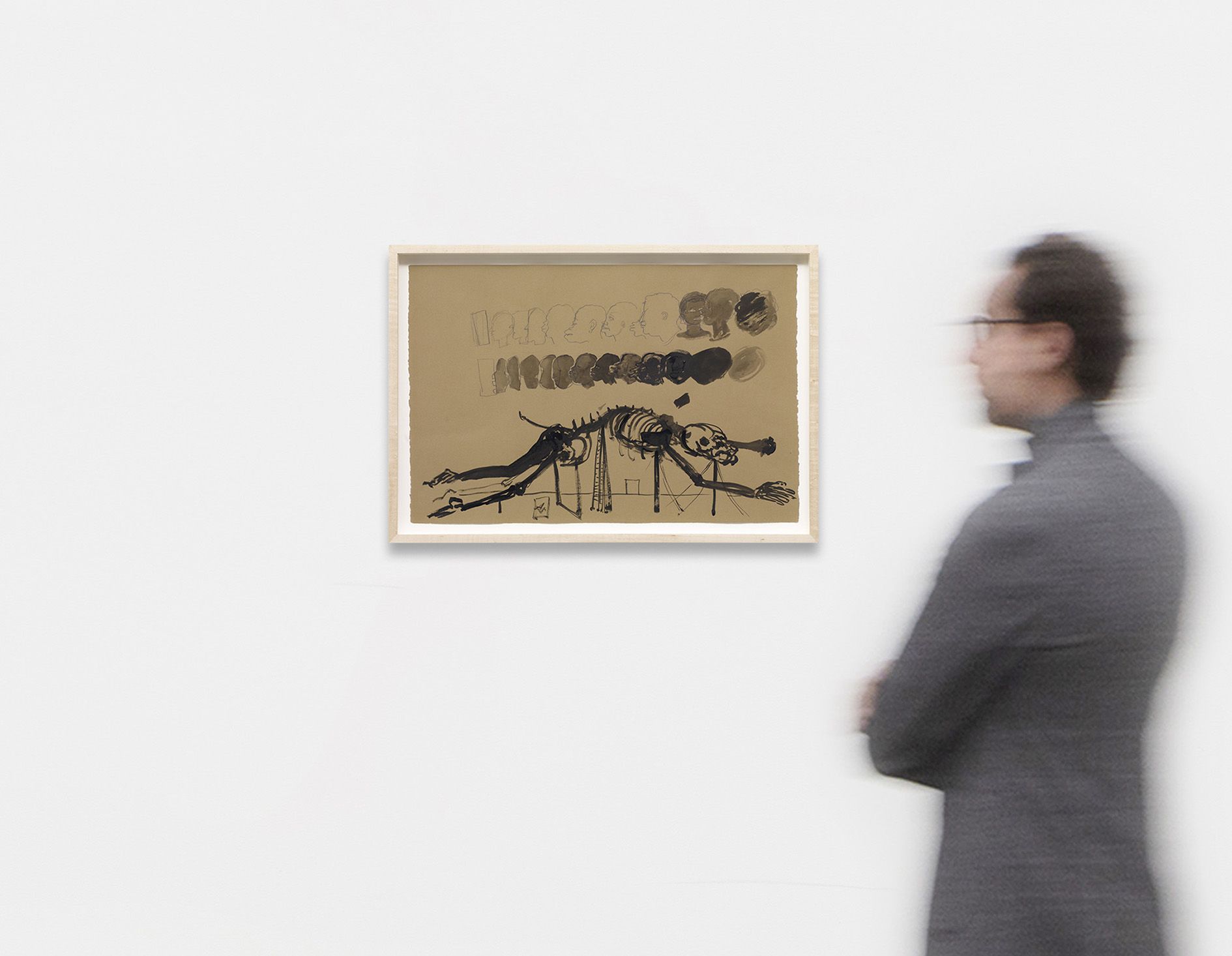
Kara Walker
Scientific Method, 2018
Graphite and ink on paper
38.1 × 57.1 cm | 15 × 22 1/2 inches
43.5 × 62.5 cm | 17 1/8 × 24 5/8 inches (framed)

Kara Walker
Scientific Method, 2018
Graphite and ink on paper


38.1 × 57.1 cm | 15 × 22 1/2 inches
43.5 × 62.5 cm | 17 1/8 × 24 5/8 inches (framed)

Kara Walker’s incisive body of work dissects America’s foundational narratives of race, sexuality and power in America, exposing how the psychic wounds of slavery and racial terror continue to shape present-day realities. Scientific Method (2018), rendered in graphite and ink on paper, confronts the legacy of scientific racism, the pseudoscientific methodologies deployed to justify racial hierarchy and violence. A giant skeletal figure merges human and animal anatomies: limbs and a tail coexist in an unsettling hybrid form, mounted like a museum specimen. This body is splayed across structures that evoke both torture devices and medical instruments, collapsing the distinction between scientific inquiry and brutality. Above, two orderly rows of heads present varied profiles and angles, directly referencing craniometry and phrenology, the racist measurement practices that claimed to quantify human difference and inferiority. The work generates a pervasive unease, forcing recognition of how institutional violence masquerades as objective knowledge, its effects shaping ongoing systems of categorization and control.

Read more

An exhibition of new work by Walker is on view at Sprüth Magers in Berlin through April 4, 2026. She co-curated the major group exhibition MONUMENTS, on view through May 3, 2026, organized by The Museum of Contemporary Art and The Brick, Los Angeles.

Kara Walker (*1969, Stockton, CA) lives and works in New York. Selected solo exhibitions include Fundación PROA, Buenos Aires (2025), National Gallery of Australia, Canberra (2023), De Pont Museum, Tilburg, The Netherlands (2022), Schirn Kunsthalle, Frankfurt, Kunstmuseum Basel (both 2021), Turbine Hall, Tate Modern, London (2019), Domino Sugar Refinery, New York (2014), Camden Arts Centre, London, Art Institute of Chicago (both 2013), Center for Contemporary Art Ujazdowski Castle, Warsaw (2011), Hammer Museum, Los Angeles and Modern Art Museum Fort Worth (both 2008), Walker Art Center, Minneapolis, Whitney Museum, New York (both 2007) and The Metropolitan Museum of Art, New York (2006).
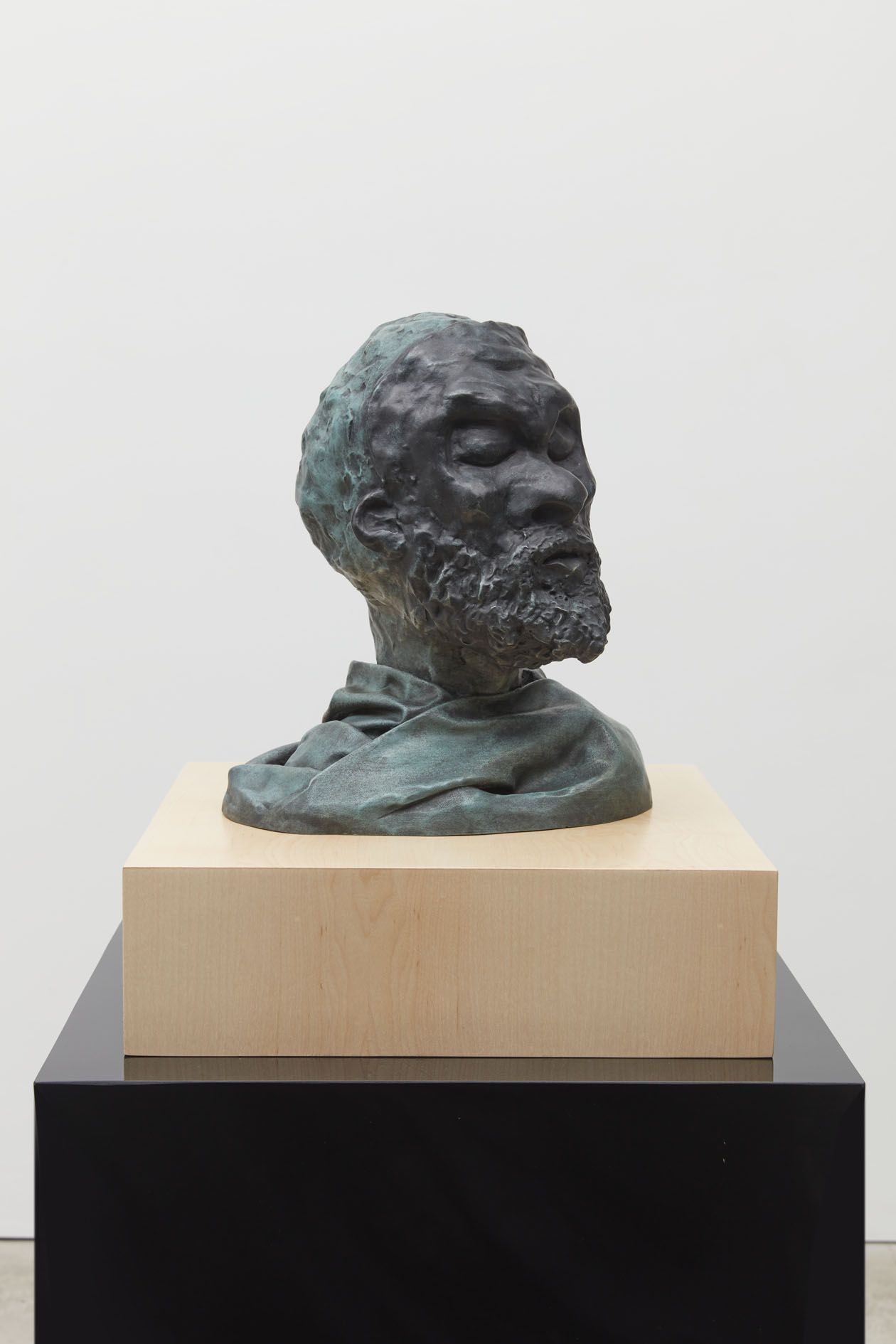
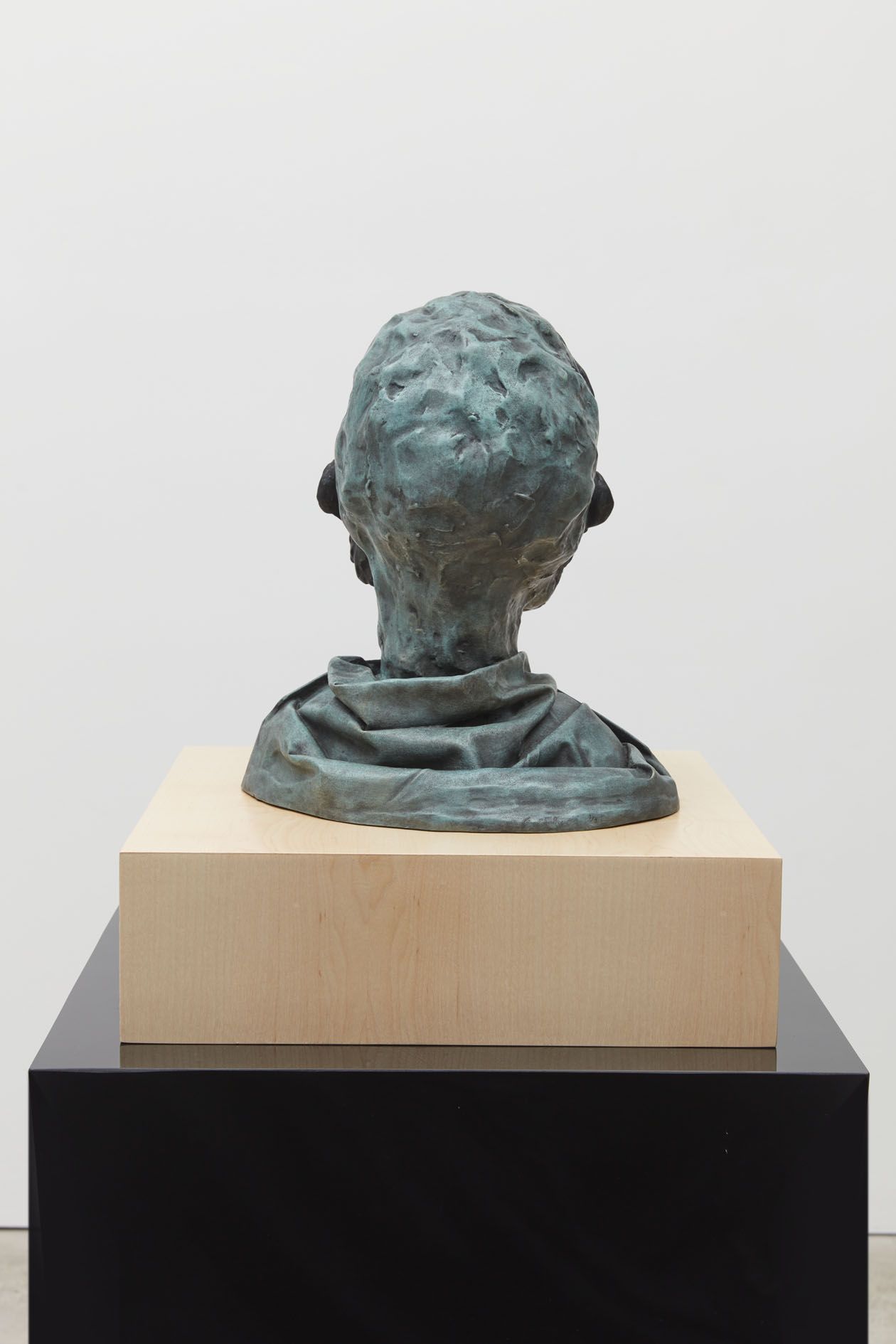
<p><b>Kara Walker<br />
</b><i>Magician – After the Original</i>, 2024</p>
<p><b>Kara Walker<br />
</b><i>Magician – After the Original</i>, 2024<br />
Patinated bronze on custom pedestal<br />
Bronze: 37.5 × 31.8 × 26.7 cm | 14 3/4 × 12 1/2 × 10 1/2 inches<br />
Overall: 141.6 × 53.3 × 53.3 cm | 55 3/4 × 21 × 21 inches<br />
Edition of 3</p>
<p><b>Kara Walker<br />
</b><i>Magician – After the Original</i>, 2024<br />
Patinated bronze on custom pedestal<br />
Bronze: 37.5 × 31.8 × 26.7 cm | 14 3/4 × 12 1/2 × 10 1/2 inches<br />
Overall: 141.6 × 53.3 × 53.3 cm | 55 3/4 × 21 × 21 inches<br />
Edition of 3</p>
<p><b>Kara Walker<br />
</b><i>Magician – After the Original</i>, 2024<br />
Patinated bronze on custom pedestal<br />
Bronze: 37.5 × 31.8 × 26.7 cm | 14 3/4 × 12 1/2 × 10 1/2 inches<br />
Overall: 141.6 × 53.3 × 53.3 cm | 55 3/4 × 21 × 21 inches<br />
Edition of 3</p>
<p><b>Kara Walker<br />
</b><i>Magician – After the Original</i>, 2024<br />
Patinated bronze on custom pedestal<br />
Bronze: 37.5 × 31.8 × 26.7 cm | 14 3/4 × 12 1/2 × 10 1/2 inches<br />
Overall: 141.6 × 53.3 × 53.3 cm | 55 3/4 × 21 × 21 inches<br />
Edition of 3</p>
<p><b>Kara Walker<br />
</b><i>Magician – After the Original</i>, 2024<br />
Patinated bronze on custom pedestal<br />
Bronze: 37.5 × 31.8 × 26.7 cm | 14 3/4 × 12 1/2 × 10 1/2 inches<br />
Overall: 141.6 × 53.3 × 53.3 cm | 55 3/4 × 21 × 21 inches<br />
Edition of 3</p>
<p><b>Kara Walker<br />
</b><i>Magician – After the Original</i>, 2024<br />
Patinated bronze on custom pedestal<br />
Bronze: 37.5 × 31.8 × 26.7 cm | 14 3/4 × 12 1/2 × 10 1/2 inches<br />
Overall: 141.6 × 53.3 × 53.3 cm | 55 3/4 × 21 × 21 inches<br />
Edition of 3</p>
<p><b>Kara Walker<br />
</b><i>Magician – After the Original</i>, 2024<br />
Patinated bronze on custom pedestal<br />
Bronze: 37.5 × 31.8 × 26.7 cm | 14 3/4 × 12 1/2 × 10 1/2 inches<br />
Overall: 141.6 × 53.3 × 53.3 cm | 55 3/4 × 21 × 21 inches<br />
Edition of 3</p>
<p><b>Kara Walker<br />
</b><i>Magician – After the Original</i>, 2024<br />
Patinated bronze on custom pedestal<br />
Bronze: 37.5 × 31.8 × 26.7 cm | 14 3/4 × 12 1/2 × 10 1/2 inches<br />
Overall: 141.6 × 53.3 × 53.3 cm | 55 3/4 × 21 × 21 inches<br />
Edition of 3</p>
<p><b>Kara Walker<br />
</b><i>Magician – After the Original</i>, 2024<br />
Patinated bronze on custom pedestal<br />
Bronze: 37.5 × 31.8 × 26.7 cm | 14 3/4 × 12 1/2 × 10 1/2 inches<br />
Overall: 141.6 × 53.3 × 53.3 cm | 55 3/4 × 21 × 21 inches<br />
Edition of 3</p>

Kara Walker
Magician – After the Original, 2024
Patinated bronze on custom pedestal
Bronze: 37.5 × 31.8 × 26.7 cm | 14 3/4 × 12 1/2 × 10 1/2 inches
Overall: 141.6 × 53.3 × 53.3 cm | 55 3/4 × 21 × 21 inches
Edition of 3

Kara Walker
Magician – After the Original, 2024
Patinated bronze on custom pedestal


Bronze: 37.5 × 31.8 × 26.7 cm | 14 3/4 × 12 1/2 × 10 1/2 inches
Overall: 141.6 × 53.3 × 53.3 cm | 55 3/4 × 21 × 21 inches
Edition of 3

Through collage, drawing, sculpture and film, Kara Walker scrutinizes the cultural and psychological implications of racism. Her signature black silhouettes have appeared in exhibitions worldwide since the 1990s and have cemented her as one of the most complex American artists of her generation. Magician – After the Original (2024) reprises a bust included in Walker’s monumental sculpture Fortuna and the Immortality Garden (Machine) (2024), currently installed at the San Francisco Museum of Modern Art. In addition to its allegorical meaning within the larger sculpture, the title recalls the recurring trope in American popular culture of the “magical negro,” who assists the main (white) protagonist using mystical insight and wisdom. Epitomizing Walker’s prowess in constructing narratives imbued with layers of references, these two works question the stories—both real histories and fabrications—we tell about Black bodies.

An exhibition of new work by Walker is on view at Sprüth Magers in Berlin through April 4, 2026. She co-curated the major group exhibition MONUMENTS, on view through May 3, 2026, organized by The Museum of Contemporary Art and The Brick, Los Angeles.

Read more

Kara Walker (*1969, Stockton, CA) lives and works in New York. Selected solo exhibitions include Fundación PROA, Buenos Aires (2025), National Gallery of Australia, Canberra (2023), De Pont Museum, Tilburg, The Netherlands (2022), Schirn Kunsthalle, Frankfurt, Kunstmuseum Basel (both 2021), Turbine Hall, Tate Modern, London (2019), Domino Sugar Refinery, New York (2014), Camden Arts Centre, London, Art Institute of Chicago (both 2013), Center for Contemporary Art Ujazdowski Castle, Warsaw (2011), Hammer Museum, Los Angeles and Modern Art Museum Fort Worth (both 2008), Walker Art Center, Minneapolis, Whitney Museum, New York (both 2007) and The Metropolitan Museum of Art, New York (2006).
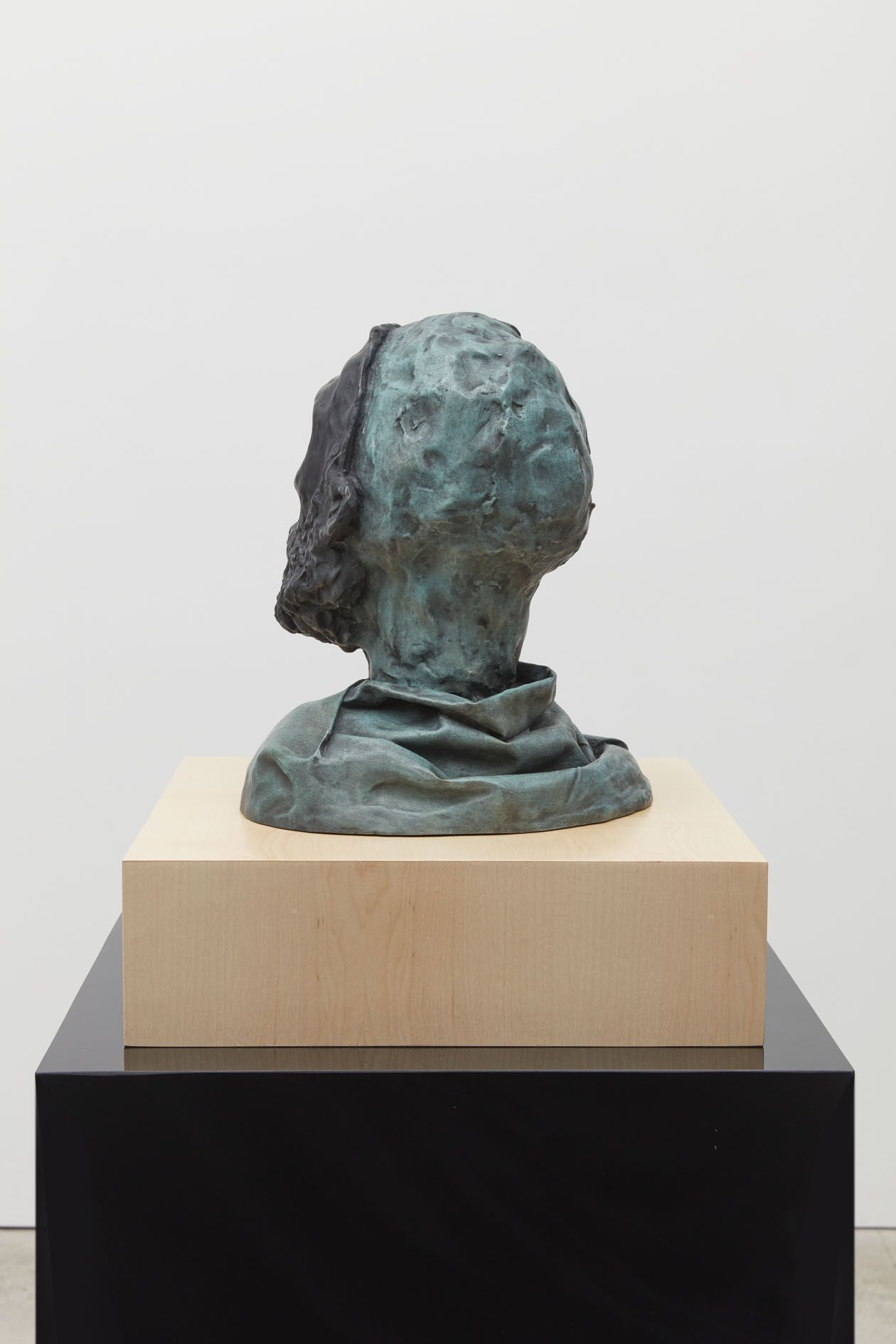
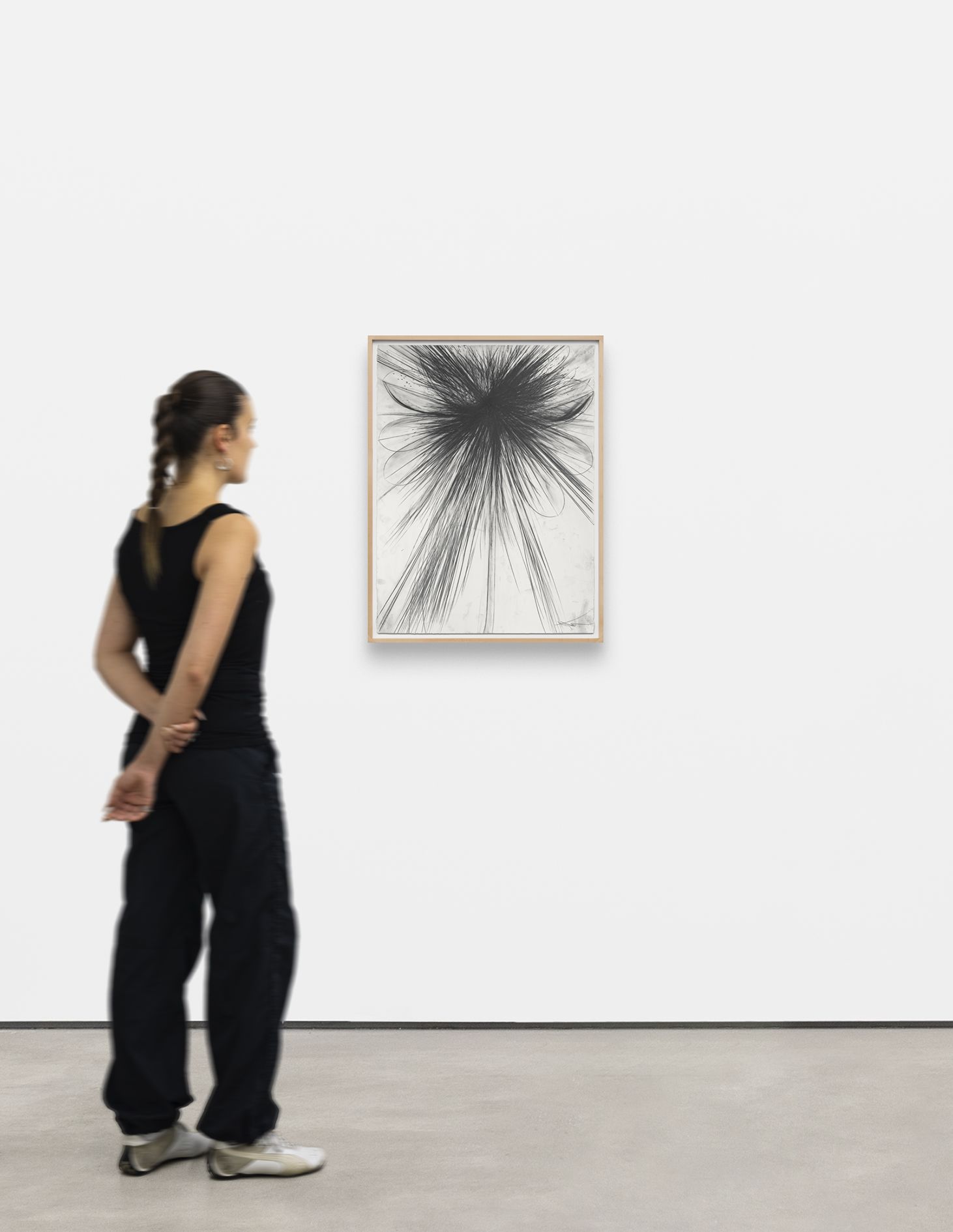
<p><b>Sterling Ruby<br />
</b><i>HENBANE (9100)</i>, 2025</p>
<p><b>Sterling Ruby<br />
</b><i>HENBANE (9100)</i>, 2025<br />
Graphite on paper<br />
76.2 × 57.1 cm | 30 × 22 1/2 inches<br />
81.9 × 63.2 × 3.8 cm | 32 1/4 × 24 7/8 × 1 1/2 inches (framed)</p>
<p><b>Sterling Ruby<br />
</b><i>HENBANE (9100)</i>, 2025<br />
Graphite on paper<br />
76.2 × 57.1 cm | 30 × 22 1/2 inches<br />
81.9 × 63.2 × 3.8 cm | 32 1/4 × 24 7/8 × 1 1/2 inches (framed)</p>
<p><b>Sterling Ruby<br />
</b><i>HENBANE (9100)</i>, 2025<br />
Graphite on paper<br />
76.2 × 57.1 cm | 30 × 22 1/2 inches<br />
81.9 × 63.2 × 3.8 cm | 32 1/4 × 24 7/8 × 1 1/2 inches (framed)</p>
<p><b>Sterling Ruby<br />
</b><i>HENBANE (9100)</i>, 2025<br />
Graphite on paper<br />
76.2 × 57.1 cm | 30 × 22 1/2 inches<br />
81.9 × 63.2 × 3.8 cm | 32 1/4 × 24 7/8 × 1 1/2 inches (framed)</p>
<p><b>Sterling Ruby<br />
</b><i>HENBANE (9100)</i>, 2025<br />
Graphite on paper<br />
76.2 × 57.1 cm | 30 × 22 1/2 inches<br />
81.9 × 63.2 × 3.8 cm | 32 1/4 × 24 7/8 × 1 1/2 inches (framed)</p>

Sterling Ruby
HENBANE (9100), 2025
Graphite on paper
76.2 × 57.1 cm | 30 × 22 1/2 inches
81.9 × 63.2 × 3.8 cm | 32 1/4 × 24 7/8 × 1 1/2 inches (framed)

Sterling Ruby
HENBANE (9100), 2025
Graphite on paper


76.2 × 57.1 cm | 30 × 22 1/2 inches
81.9 × 63.2 × 3.8 cm | 32 1/4 × 24 7/8 × 1 1/2 inches (framed)

Sterling Ruby’s multifaceted practice is defined by its sustained engagement with our chaotic present, exploring themes of violence, confinement and societal pressures through a consistent focus on material and artistic process. HENBANE (9100) (2025) is part of a new body of work engaging with the paradox that nightshade plants embody: lethally toxic yet medicinally valuable, a convergence of destruction and restoration. Executed with raw energy and painstaking labor, the graphite drawing prioritizes instinctive gesture and automatic drawing over conventional representation. Arising from dense layers of frenetic lines, erasing and smudging, rhythmic textures coalesce into botanical forms, offering fragile glimpses of nature within their turbulent surfaces.

Sterling Ruby’s solo exhibition Atropa is on view at Sprüth Magers, New York through March 28, 2026.

Read more

Sterling Ruby (*1972, American/Dutch) lives and works in Los Angeles. Solo exhibitions include MAMO – Centre d’art de la Cité Radieuse, Marseille (2025), Sogetsu Foundation, Tokyo (2023), Museum of Cycladic Art, Athens (2021), Institute of Contemporary Art, Boston (2020), Institute of Contemporary Art, Miami (2019), Nasher Sculpture Center, Dallas (2019), Museum of Art and Design, New York (2018), Des Moines Art Museum (2018), Museum of Contemporary Art, Los Angeles (2017), Winterpalais, Belvedere Museum, Vienna (2016). Ruby’s works are part of numerous museum collections, including the Museum of Modern Art in New York, Solomon R. Guggenheim Museum in New York, Centre Pompidou in Paris, Tate in London, Whitney Museum of American Art in New York, Los Angeles County Museum of Art, and Moderna Museet in Stockholm.
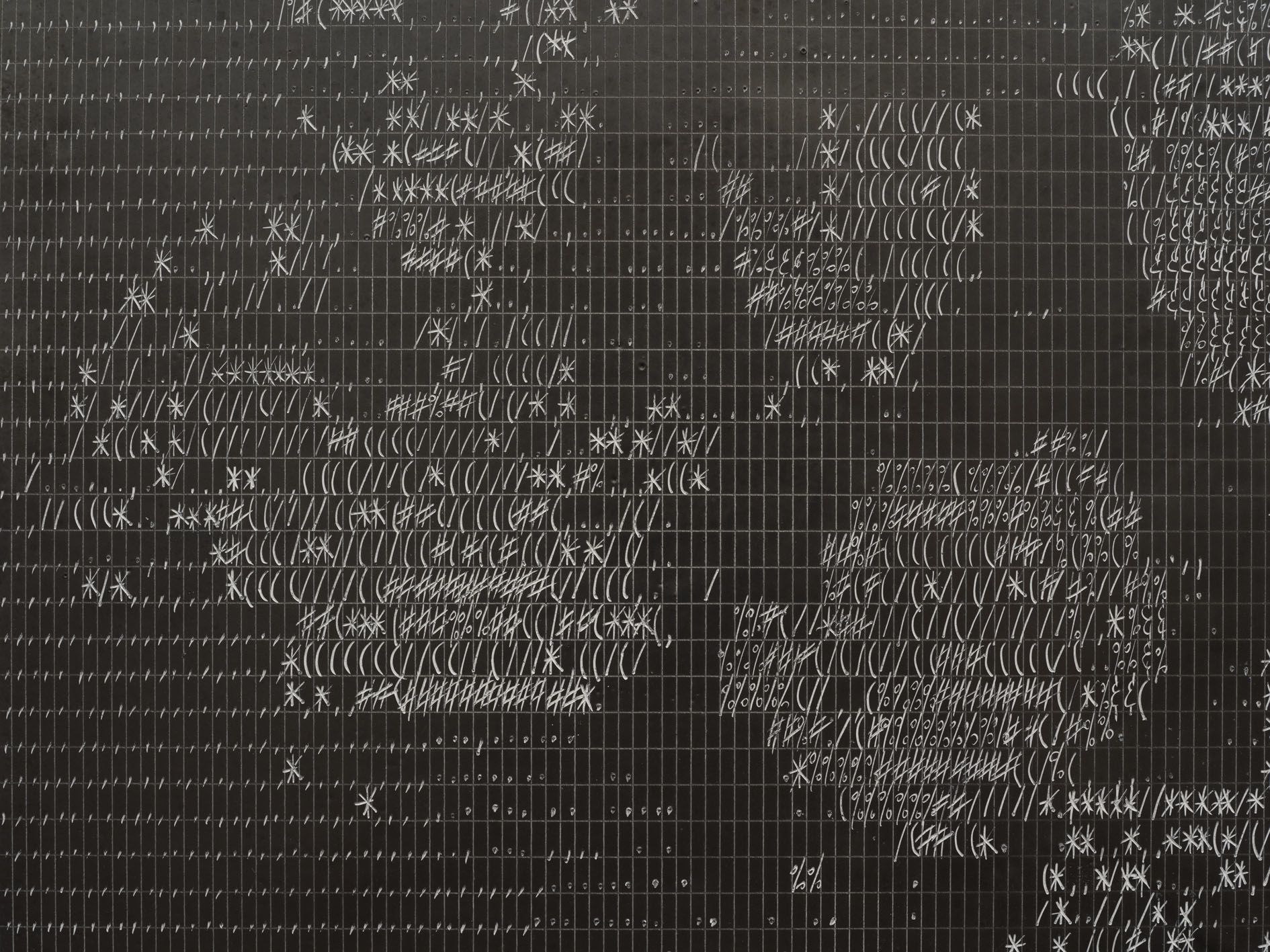
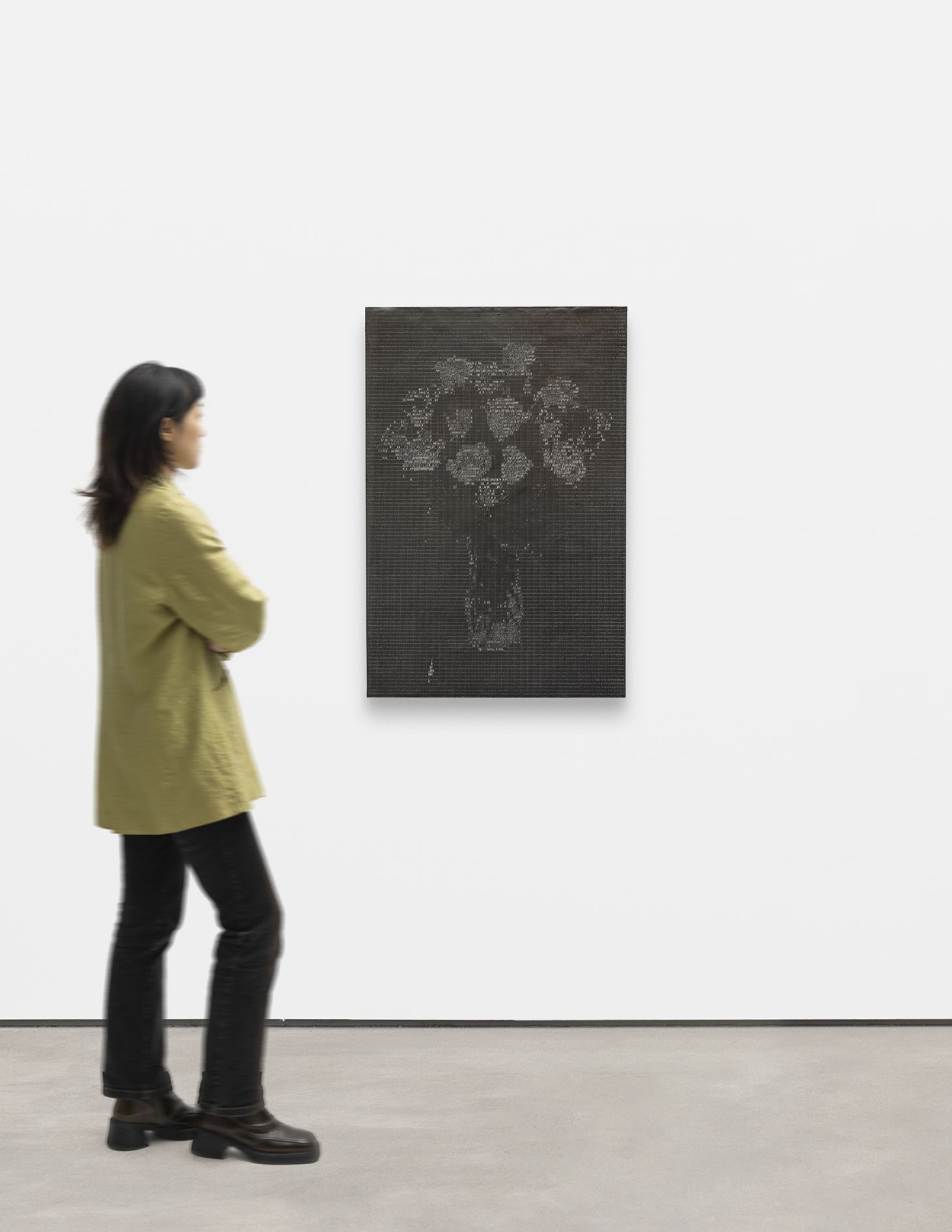
<p><b>Analia Saban<br />
</b><i>Vase of Roses: (@#&%/,.*</i>, 2024</p>
<p><b>Analia Saban<br />
</b><i>Vase of Roses: (@#&%/,.*</i>, 2024<br />
Graphite on encaustic paint on panel<br />
106.7 × 71.1 × 5.1 cm | 42 × 28 × 2 inches</p>
<p><b>Analia Saban<br />
</b><i>Vase of Roses: (@#&%/,.*</i>, 2024<br />
Graphite on encaustic paint on panel<br />
106.7 × 71.1 × 5.1 cm | 42 × 28 × 2 inches</p>
<p><b>Analia Saban<br />
</b><i>Vase of Roses: (@#&%/,.*</i>, 2024<br />
Graphite on encaustic paint on panel<br />
106.7 × 71.1 × 5.1 cm | 42 × 28 × 2 inches</p>
<p><b>Analia Saban<br />
</b><i>Vase of Roses: (@#&%/,.*</i>, 2024<br />
Graphite on encaustic paint on panel<br />
106.7 × 71.1 × 5.1 cm | 42 × 28 × 2 inches</p>
<p><b>Analia Saban<br />
</b><i>Vase of Roses: (@#&%/,.*</i>, 2024<br />
Graphite on encaustic paint on panel<br />
106.7 × 71.1 × 5.1 cm | 42 × 28 × 2 inches</p>

Analia Saban
Vase of Roses: (@#&%/,.*, 2024
Graphite on encaustic paint on panel
106.7 × 71.1 × 5.1 cm | 42 × 28 × 2 inches

Analia Saban
Vase of Roses: (@#&%/,.*, 2024
Graphite on encaustic paint on panel


106.7 × 71.1 × 5.1 cm | 42 × 28 × 2 inches

The Argentinean-born, Los Angeles-based artist Analia Saban works across a broad spectrum of mediums exploring how art objects are conceived, constructed, and understood. Though her works often take the form of paintings, they are inextricably tied to methods related to drawing, photography, sculpture, architecture, and time-based media. One of her recent bodies of work uses white encaustic—an ancient wax-based paint, also employed famously by Jasper Johns for his flag paintings—as a base layer, over which she burnishes a layer of slick, gray-black graphite. Using either a laser-cutter or her hand, she makes notations onto this prepared panel that play with the idea of picture-making, both digital and analogue. Vase of Roses: (@#&%/,.* (2024), when seen up close, reveals hundreds of subtle handmade drawings of common computer keystrokes, such as hashtags, ampersands, and slashes. From afar, however, the image resolves into a charming floral still life—one of painting’s most conventional genres, created using inventive and unconventional means.

Read more

Analia Saban (*1980, Buenos Aires) lives and works in Los Angeles. In 2027, a major survey of her work organized by the Kemper Museum of Art, University of Washington, St. Louis, will open first at the Los Angeles County Museum of Art, then travel to the Kemper. Previous solo exhibitions include Modern Art Museum Fort Worth (2019), Qiao Space, Shanghai (2017–18), Blaffer Art Museum, Houston (2016), and Armory Center for the Arts, Pasadena (2014). Recent group exhibitions include Museum of Modern Art, New York (2025, 2023), National Gallery of Art, Washington, DC (2024), Getty Research Institute, Los Angeles (2024), Los Angeles County Museum of Art (2023), Museum of Modern Art, New York (2023), Sheldon Museum of Art, Lincoln, NE (2022), The Warehouse, Dallas (2022), Clark Art Institute, Williamstown, MA (2020), Marciano Art Foundation, Los Angeles (2019) and Hammer Museum, Los Angeles (2018).
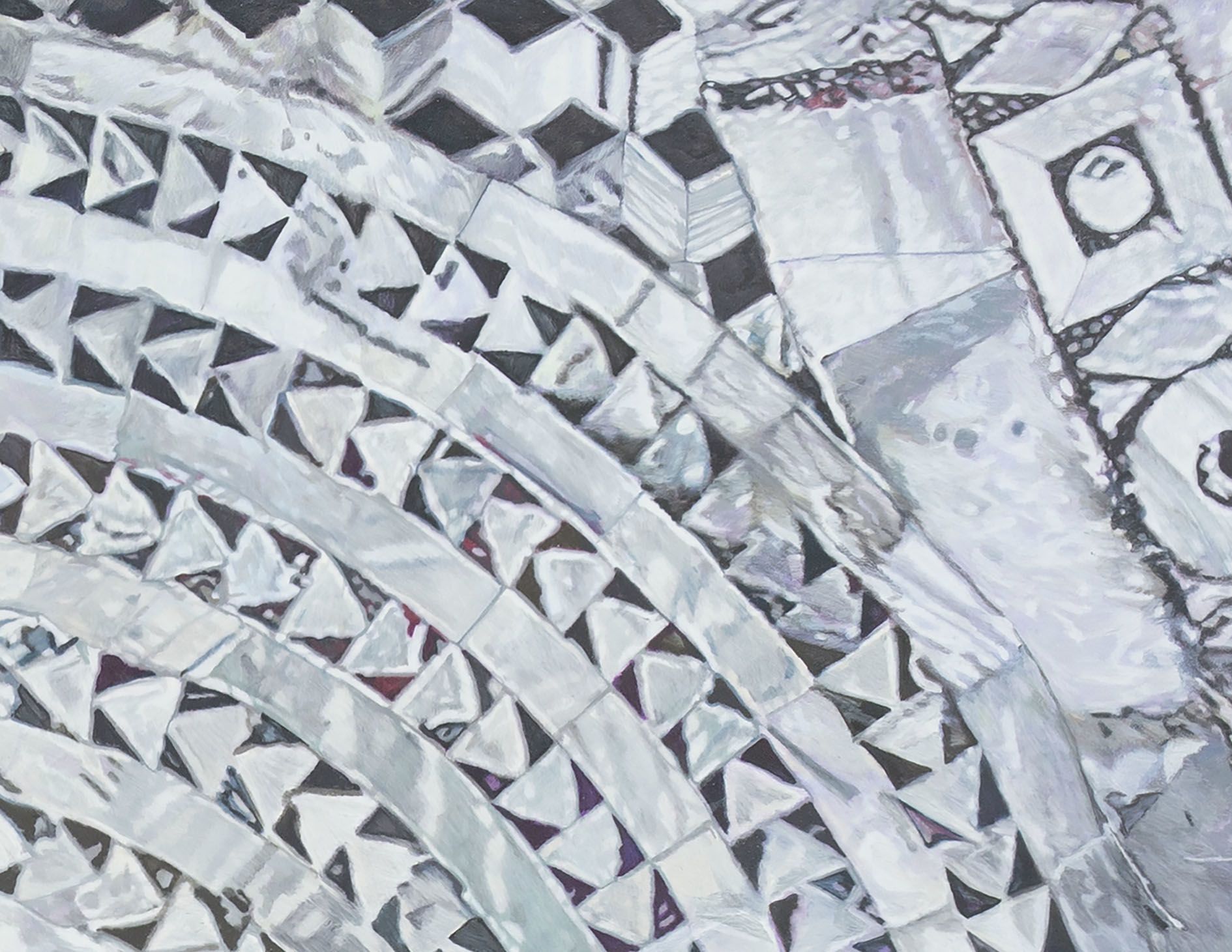
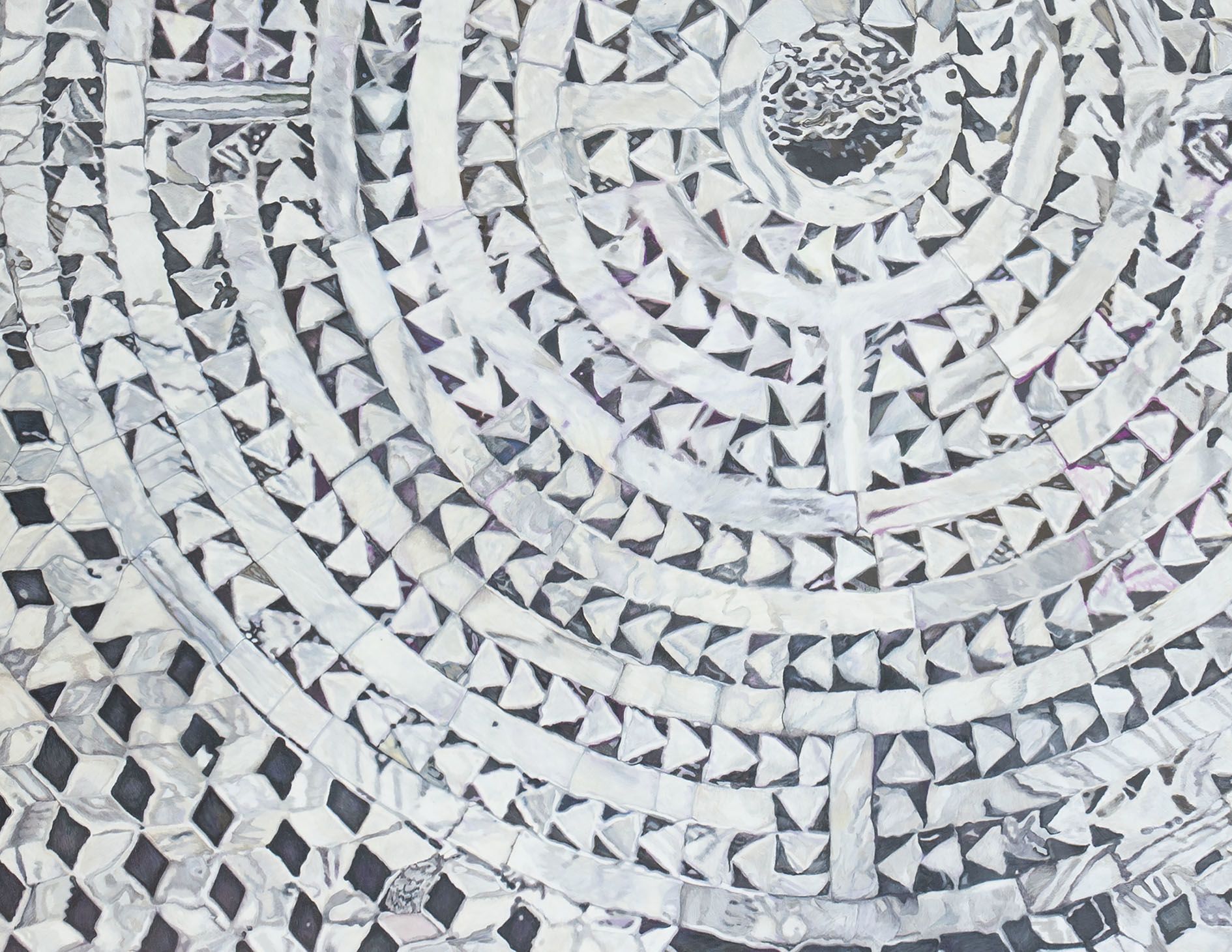
<p><b>Gala Porras-Kim<br />
</b><i>San Vitale, Ravenna, marble floor reconstruction</i>, 2025</p>
<p><b>Gala Porras-Kim<br />
</b><i>San Vitale, Ravenna, marble floor reconstruction</i>, 2025<br />
Colored pencil on paper<br />
182.9 × 182.9 cm | 72 × 72 inches<br />
186 × 186 cm | 73 1/4 × 73 1/4 inches (framed)</p>
<p><b>Gala Porras-Kim<br />
</b><i>San Vitale, Ravenna, marble floor reconstruction</i>, 2025<br />
Colored pencil on paper<br />
182.9 × 182.9 cm | 72 × 72 inches<br />
186 × 186 cm | 73 1/4 × 73 1/4 inches (framed)</p>
<p><b>Gala Porras-Kim<br />
</b><i>San Vitale, Ravenna, marble floor reconstruction</i>, 2025<br />
Colored pencil on paper<br />
182.9 × 182.9 cm | 72 × 72 inches<br />
186 × 186 cm | 73 1/4 × 73 1/4 inches (framed)</p>
<p><b>Gala Porras-Kim<br />
</b><i>San Vitale, Ravenna, marble floor reconstruction</i>, 2025<br />
Colored pencil on paper<br />
182.9 × 182.9 cm | 72 × 72 inches<br />
186 × 186 cm | 73 1/4 × 73 1/4 inches (framed)</p>
<p><b>Gala Porras-Kim<br />
</b><i>San Vitale, Ravenna, marble floor reconstruction</i>, 2025<br />
Colored pencil on paper<br />
182.9 × 182.9 cm | 72 × 72 inches<br />
186 × 186 cm | 73 1/4 × 73 1/4 inches (framed)</p>
<p><b>Gala Porras-Kim<br />
</b><i>San Vitale, Ravenna, marble floor reconstruction</i>, 2025<br />
Colored pencil on paper<br />
182.9 × 182.9 cm | 72 × 72 inches<br />
186 × 186 cm | 73 1/4 × 73 1/4 inches (framed)</p>
<p><b>Gala Porras-Kim<br />
</b><i>San Vitale, Ravenna, marble floor reconstruction</i>, 2025<br />
Colored pencil on paper<br />
182.9 × 182.9 cm | 72 × 72 inches<br />
186 × 186 cm | 73 1/4 × 73 1/4 inches (framed)</p>

Gala Porras-Kim
San Vitale, Ravenna, marble floor reconstruction, 2025
Colored pencil on paper
182.9 × 182.9 cm | 72 × 72 inches
186 × 186 cm | 73 1/4 × 73 1/4 inches (framed)

Gala Porras-Kim
San Vitale, Ravenna, marble floor reconstruction, 2025
Colored pencil on paper


182.9 × 182.9 cm | 72 × 72 inches
186 × 186 cm | 73 1/4 × 73 1/4 inches (framed)

Gala Porras-Kim’s research-driven practice examines how our understanding of cultural artifacts is shaped by the museological and modern epistemological conventions that dictate their collection, taxonomy, preservation and display. San Vitale, Ravenna, marble floor reconstruction (2025) is the latest in her series of large-scale, intricately detailed color pencil drawings depicting marble tiles in Ravenna, Italy—in this case, the church of San Vitale’s reconstructed labyrinth floor mosaic, situated in front of the altar. During the sixteenth century, the basilica’s floor was renovated not only for aesthetic reasons but also to elevate it significantly, protecting it from recurrent flooding. Performing a close reading of uncataloged histories, Porras-Kim reveals the signs of care and neglect, conservation and flawed restoration efforts embedded within the surface. Using a medium that is itself inherently subjective and resistant to mechanical reproduction, this work challenges the notion of historical accuracy. By recording the visible layers of time, the drawing emphasizes how histories are shaped by intervention, subject to inevitable decay, and perpetually open to reinterpretation.

Read more

Porras-Kim’s work is included in the Singapore Biennale, which is on view through March 29, 2026.

Gala Porras-Kim (*1984, Bogotá) lives and works in Los Angeles and London. Her work has been exhibited at Kunsthalle Bern (2025), Carnegie Museum of Art, Pittsburgh (2025), Museum of Contemporary Art Cleveland (2025), Museum of Contemporary Art Denver (2024), MoMA, New York (2023), Leeum Museum of Art, Seoul (2023), MMCA, Seoul (2023), MUAC, Mexico City (2023), Liverpool Biennial (2023), Gwangju Biennial (2021), São Paulo Art Biennial (2021), and Whitney Museum of American Art, New York (2019, 2017).
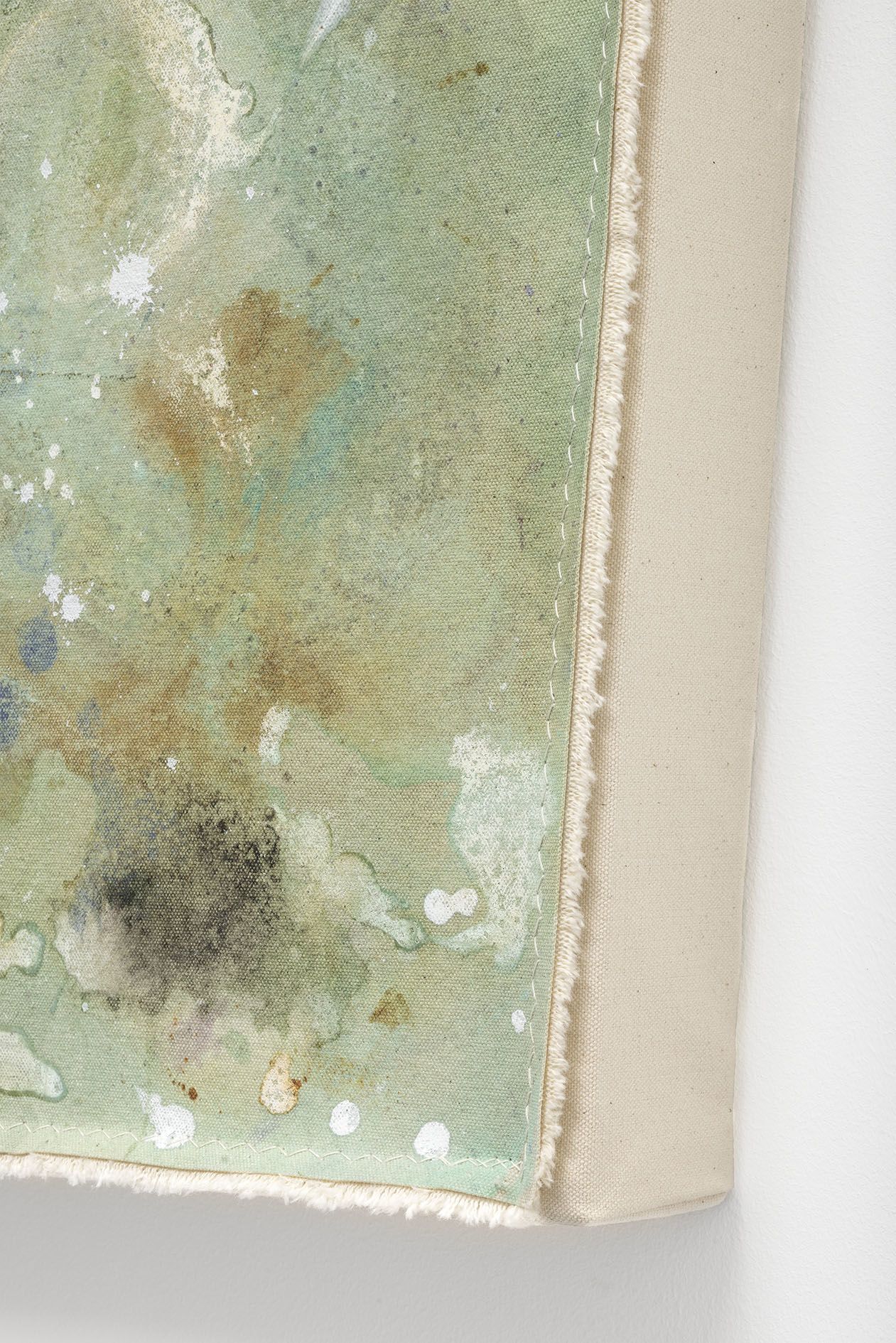
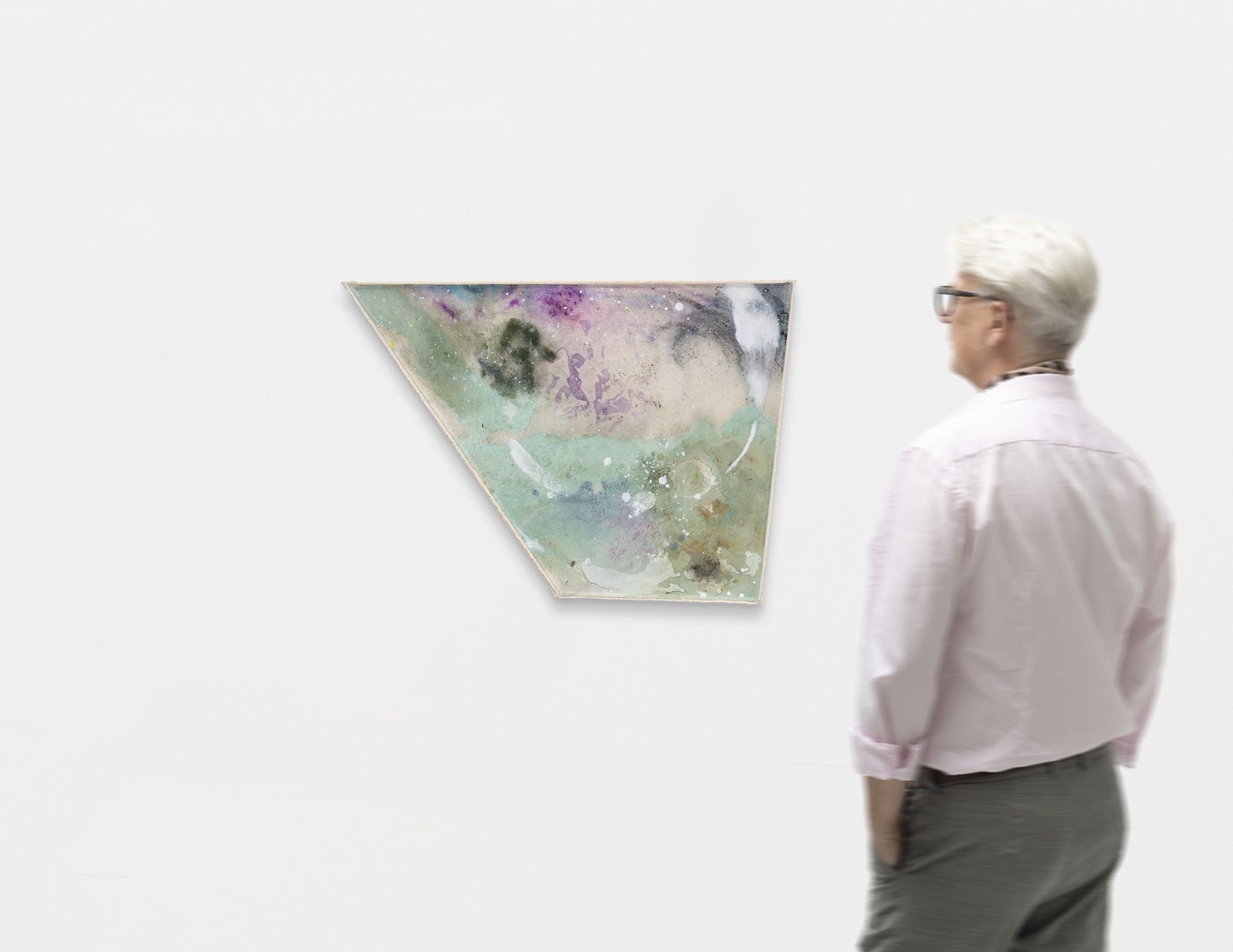
<p><b>Lucy Dodd<br />
</b><i>Dance of the Nereid</i>, 2024</p>
<p><b>Lucy Dodd<br />
</b><i>Dance of the Nereid</i>, 2024<br />
Flower essences of gorse, dandelion, lily of the valley, bluebell and forget-me-not, copper ink, iron oxide, blue and green spirulina, black and green tea, butterfly pea powder, stickyweed, seaweed, avocado, onion skins, hematite, smalt, cochineal, and acrylic pigments<br />
Clockwise from top:<br />
80 × 57 × 35 × 68 cm | 31 1/2 × 22 3/8 × 13 7/8 × 26 3/4 inches</p>
<p><b>Lucy Dodd<br />
</b><i>Dance of the Nereid</i>, 2024<br />
Flower essences of gorse, dandelion, lily of the valley, bluebell and forget-me-not, copper ink, iron oxide, blue and green spirulina, black and green tea, butterfly pea powder, stickyweed, seaweed, avocado, onion skins, hematite, smalt, cochineal, and acrylic pigments<br />
Clockwise from top:<br />
80 × 57 × 35 × 68 cm | 31 1/2 × 22 3/8 × 13 7/8 × 26 3/4 inches</p>
<p><b>Lucy Dodd<br />
</b><i>Dance of the Nereid</i>, 2024<br />
Flower essences of gorse, dandelion, lily of the valley, bluebell and forget-me-not, copper ink, iron oxide, blue and green spirulina, black and green tea, butterfly pea powder, stickyweed, seaweed, avocado, onion skins, hematite, smalt, cochineal, and acrylic pigments<br />
Clockwise from top:<br />
80 × 57 × 35 × 68 cm | 31 1/2 × 22 3/8 × 13 7/8 × 26 3/4 inches</p>
<p><b>Lucy Dodd<br />
</b><i>Dance of the Nereid</i>, 2024<br />
Flower essences of gorse, dandelion, lily of the valley, bluebell and forget-me-not, copper ink, iron oxide, blue and green spirulina, black and green tea, butterfly pea powder, stickyweed, seaweed, avocado, onion skins, hematite, smalt, cochineal, and acrylic pigments<br />
Clockwise from top:<br />
80 × 57 × 35 × 68 cm | 31 1/2 × 22 3/8 × 13 7/8 × 26 3/4 inches</p>
<p><b>Lucy Dodd<br />
</b><i>Dance of the Nereid</i>, 2024<br />
Flower essences of gorse, dandelion, lily of the valley, bluebell and forget-me-not, copper ink, iron oxide, blue and green spirulina, black and green tea, butterfly pea powder, stickyweed, seaweed, avocado, onion skins, hematite, smalt, cochineal, and acrylic pigments<br />
Clockwise from top:<br />
80 × 57 × 35 × 68 cm | 31 1/2 × 22 3/8 × 13 7/8 × 26 3/4 inches</p>

Lucy Dodd
Dance of the Nereid, 2024
Flower essences of gorse, dandelion, lily of the valley, bluebell and forget-me-not, copper ink, iron oxide, blue and green spirulina, black and green tea, butterfly pea powder, stickyweed, seaweed, avocado, onion skins, hematite, smalt, cochineal, and acrylic pigments
Clockwise from top:
80 × 57 × 35 × 68 cm | 31 1/2 × 22 3/8 × 13 7/8 × 26 3/4 inches

Lucy Dodd
Dance of the Nereid, 2024
Flower essences of gorse, dandelion, lily of the valley, bluebell and forget-me-not, copper ink, iron oxide, blue and green spirulina, black and green tea, butterfly pea powder, stickyweed, seaweed, avocado, onion skins, hematite, smalt, cochineal, and acrylic pigments


Clockwise from top:
80 × 57 × 35 × 68 cm | 31 1/2 × 22 3/8 × 13 7/8 × 26 3/4 inches

After spending much of her life in upstate New York, Lucy Dodd recently moved back to the United Kingdom, specifically the Scottish coast on the North Sea, where she created a body of work that responded to her changed surroundings. Dance of the Nereid (2024) features a vibrant composition of spills, drops, stains, and surprising chemical reactions from the biota she manipulates. Its oceanic quality, tempestuous brushwork, and blotting of aquatic colors thematically aligns with the references to Greek mythological narratives of sea nymphs in the painting’s title. By making such visual and explicit classical citations, Dodd makes connections across time, space, and historical veracity, imbuing an immensely personal body of work with the universality of classicism.

Read more

Lucy Dodd (*1981, New York) lives and works in Scotland. She completed studies at Art Center College of Design, CA (2004), and Bard College, New York (2011). Selected solo shows include Sprüth Magers, Berlin (2025), The Ranch, Montauk, New York (2024), Sprüth Magers, Los Angeles (2022), Whitney Museum of American Art, New York (2016), Power Station, Dallas (2016), Rubell Family Collection, Miami (2014) and Pro Choice, Vienna (2010). Recent group shows and performances include those at San Francisco Museum of Modern Art (2022), Museum of Fine Arts, Boston (2019), Frankfurter Kunstverein (2018), Armada, Milan (2015), The Kitchen, New York (2015) with Sergei Tcherepnin, and Church of Saint Luke and Saint Matthew, New York (2012).
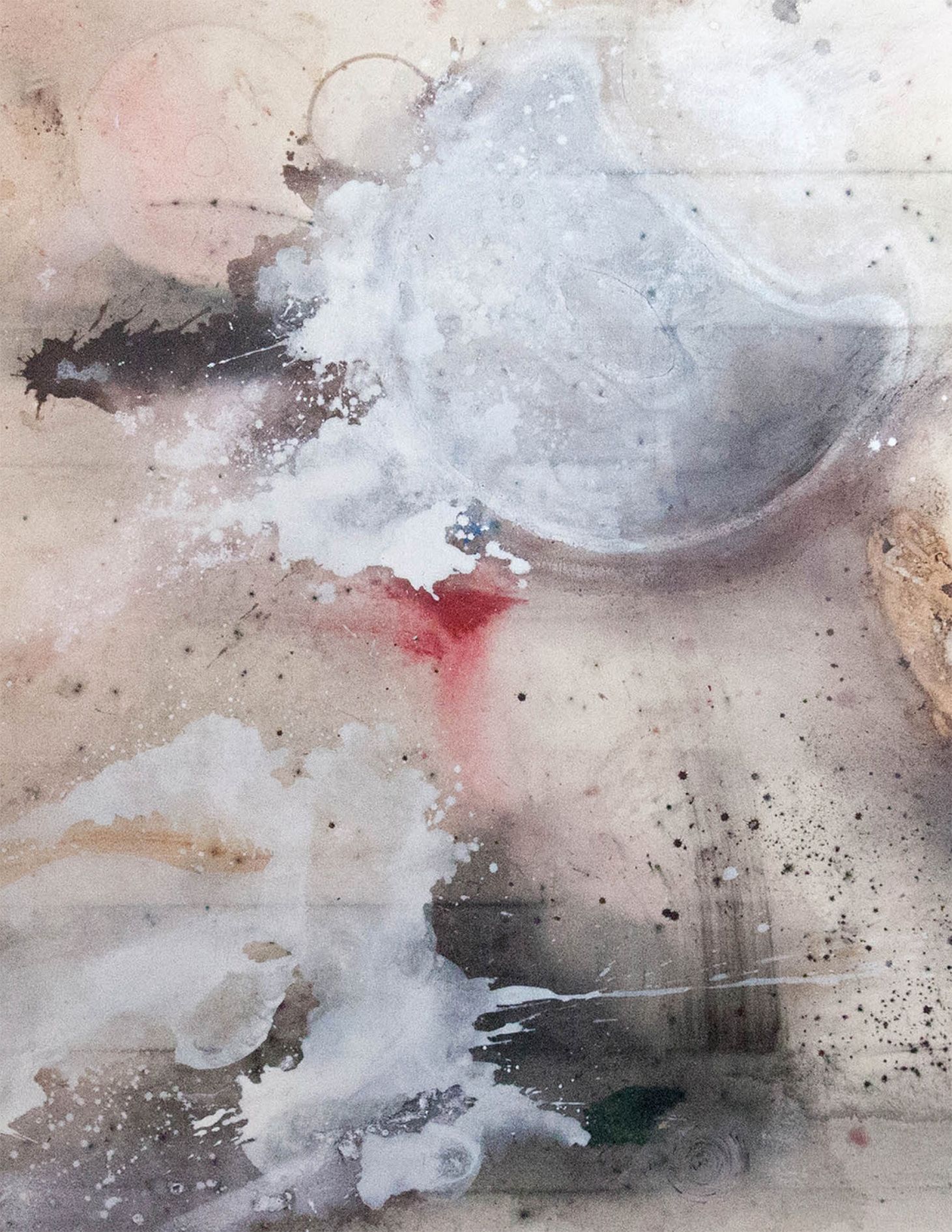
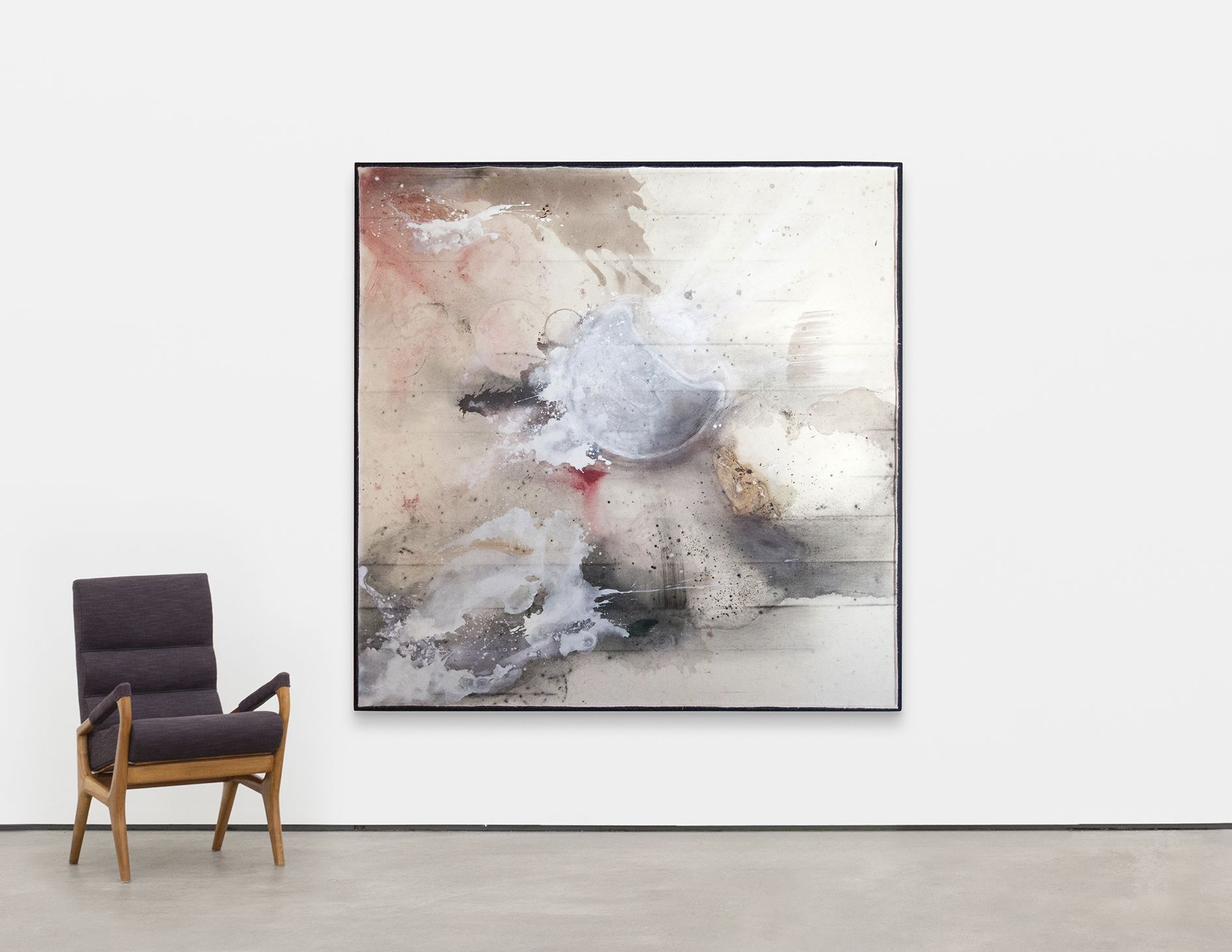
<p><b>Lucy Dodd<br />
</b><i>The 13th Moon</i>, 2016</p>
<p><b>Lucy Dodd<br />
</b><i>The 13th Moon</i>, 2016<br />
Iron glimmer, scoby, tulip pollen extract, squid link, hematite, cochineal, spirulina, graphite, tempera and mixed pigments on canvas<br />
180.7 × 180.7 cm | 71 1/8 × 71 1/8 inches</p>
<p><b>Lucy Dodd<br />
</b><i>The 13th Moon</i>, 2016<br />
Iron glimmer, scoby, tulip pollen extract, squid link, hematite, cochineal, spirulina, graphite, tempera and mixed pigments on canvas<br />
180.7 × 180.7 cm | 71 1/8 × 71 1/8 inches</p>
<p><b>Lucy Dodd<br />
</b><i>The 13th Moon</i>, 2016<br />
Iron glimmer, scoby, tulip pollen extract, squid link, hematite, cochineal, spirulina, graphite, tempera and mixed pigments on canvas<br />
180.7 × 180.7 cm | 71 1/8 × 71 1/8 inches</p>
<p><b>Lucy Dodd<br />
</b><i>The 13th Moon</i>, 2016<br />
Iron glimmer, scoby, tulip pollen extract, squid link, hematite, cochineal, spirulina, graphite, tempera and mixed pigments on canvas<br />
180.7 × 180.7 cm | 71 1/8 × 71 1/8 inches</p>
<p><b>Lucy Dodd<br />
</b><i>The 13th Moon</i>, 2016<br />
Iron glimmer, scoby, tulip pollen extract, squid link, hematite, cochineal, spirulina, graphite, tempera and mixed pigments on canvas<br />
180.7 × 180.7 cm | 71 1/8 × 71 1/8 inches</p>

Lucy Dodd
The 13th Moon, 2016
Iron glimmer, scoby, tulip pollen extract, squid link, hematite, cochineal, spirulina, graphite, tempera and mixed pigments on canvas
180.7 × 180.7 cm | 71 1/8 × 71 1/8 inches

Lucy Dodd
The 13th Moon, 2016
Iron glimmer, scoby, tulip pollen extract, squid link, hematite, cochineal, spirulina, graphite, tempera and mixed pigments on canvas


180.7 × 180.7 cm | 71 1/8 × 71 1/8 inches

Lucy Dodd’s lustrous, dynamic paintings combine personal and classical mythology, understanding the medium of painting to be both a mythical language and a site of radical symbolic theater. Her “actors” are the materials she chooses, many of which are organic and unorthodox and derive from nature around her, and her “stage” is the canvas which becomes a site of transformation. The results can be understood as a reinterpretation of lyrical abstraction and action painting. The 13th Moon (2016) is a stunning example of Dodd’s blend of chance operations—pours of paint, sprays of pigment, and orb-like forms made by containers left on the canvas while she works—together with deliberate, controlled painterly gestures across the surface of each canvas. The result is a constellation of marks that suggest celestial bodies, underwater worlds, microscopic organisms, and other environments teeming with life and symbolic intention.

Read more

Lucy Dodd (*1981, New York) lives and works in Scotland. She completed studies at Art Center College of Design, CA (2004), and Bard College, New York (2011). Selected solo shows include Sprüth Magers, Berlin (2025), The Ranch, Montauk, New York (2024), Sprüth Magers, Los Angeles (2022), Whitney Museum of American Art, New York (2016), Power Station, Dallas (2016), Rubell Family Collection, Miami (2014) and Pro Choice, Vienna (2010). Recent group shows and performances include those at San Francisco Museum of Modern Art (2022), Museum of Fine Arts, Boston (2019), Frankfurter Kunstverein (2018), Armada, Milan (2015), The Kitchen, New York (2015) with Sergei Tcherepnin, and Church of Saint Luke and Saint Matthew, New York (2012).

Frieze Los Angeles
February 27–March 1, 2026
Private View: February 26
Booth: C06