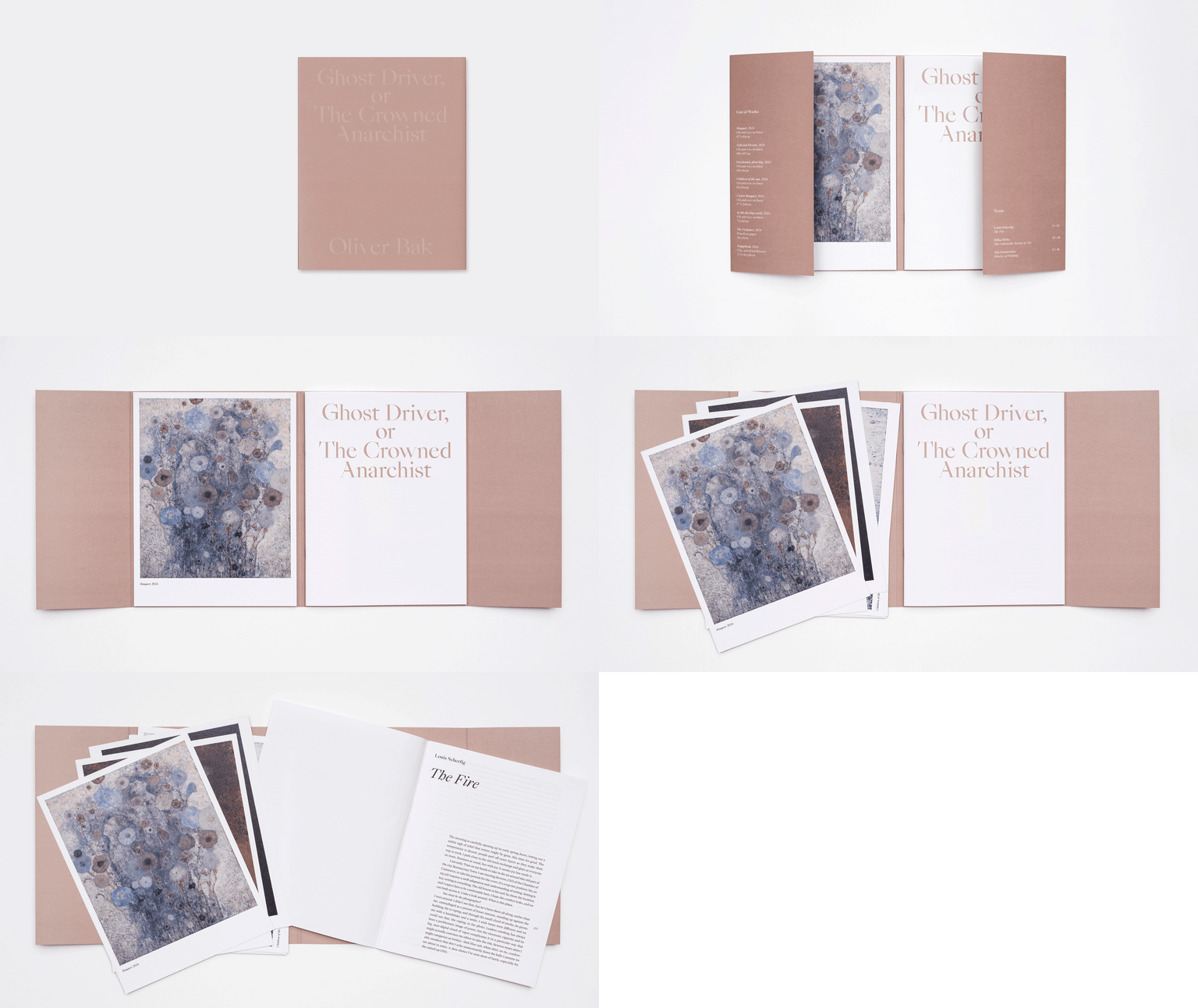
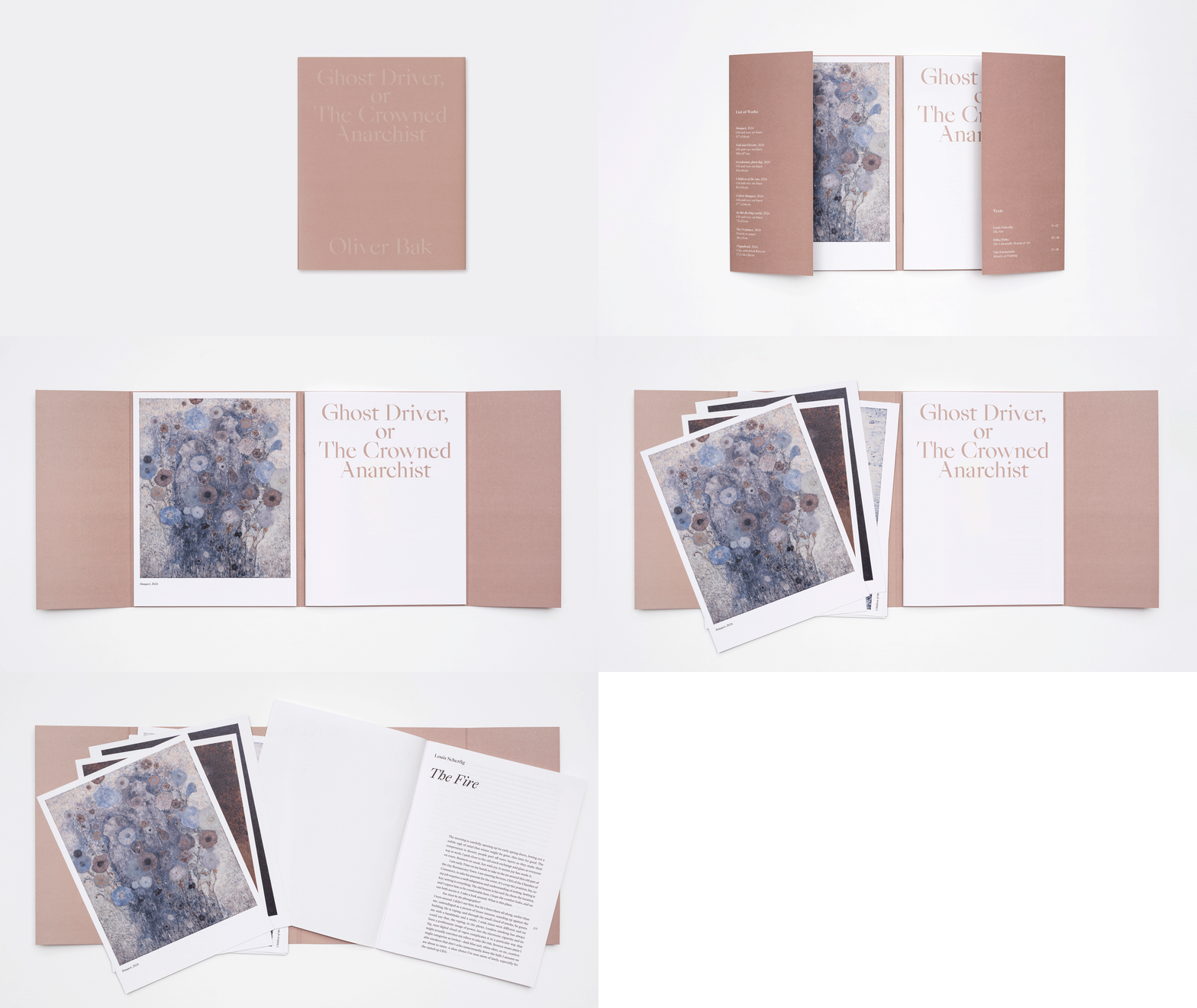
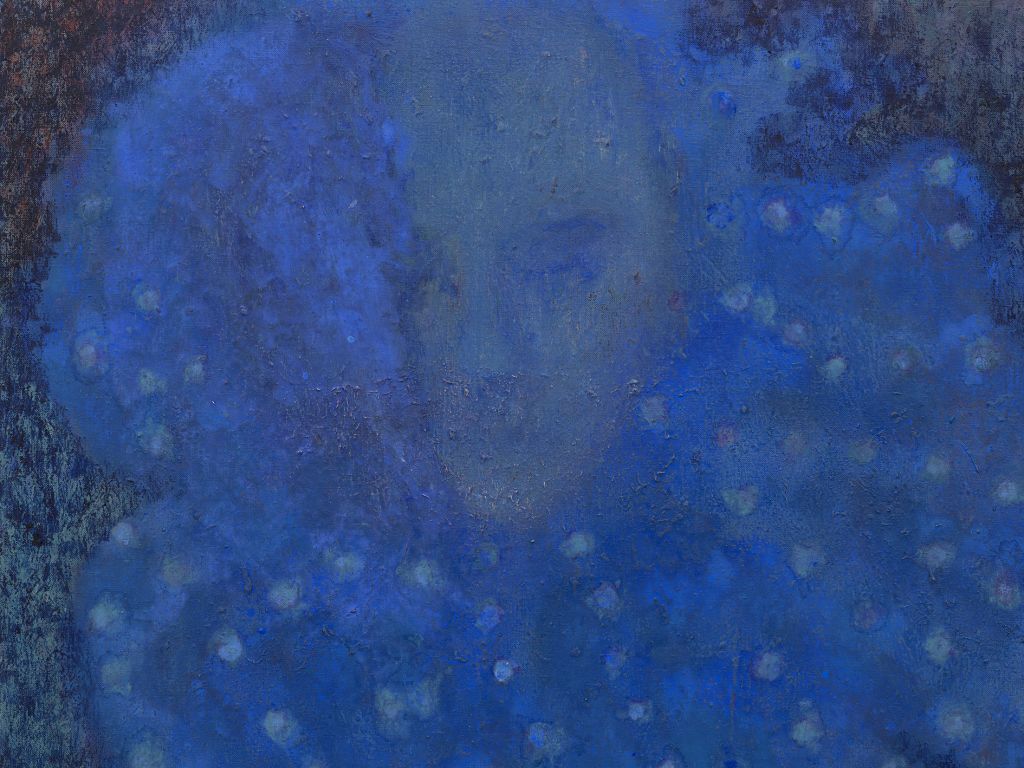
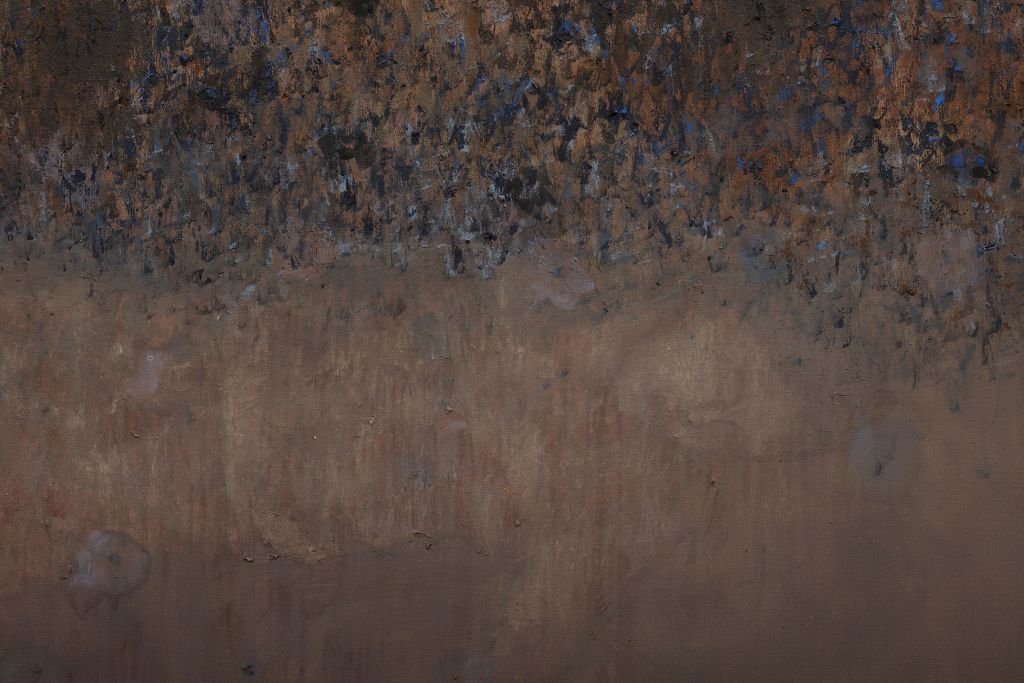
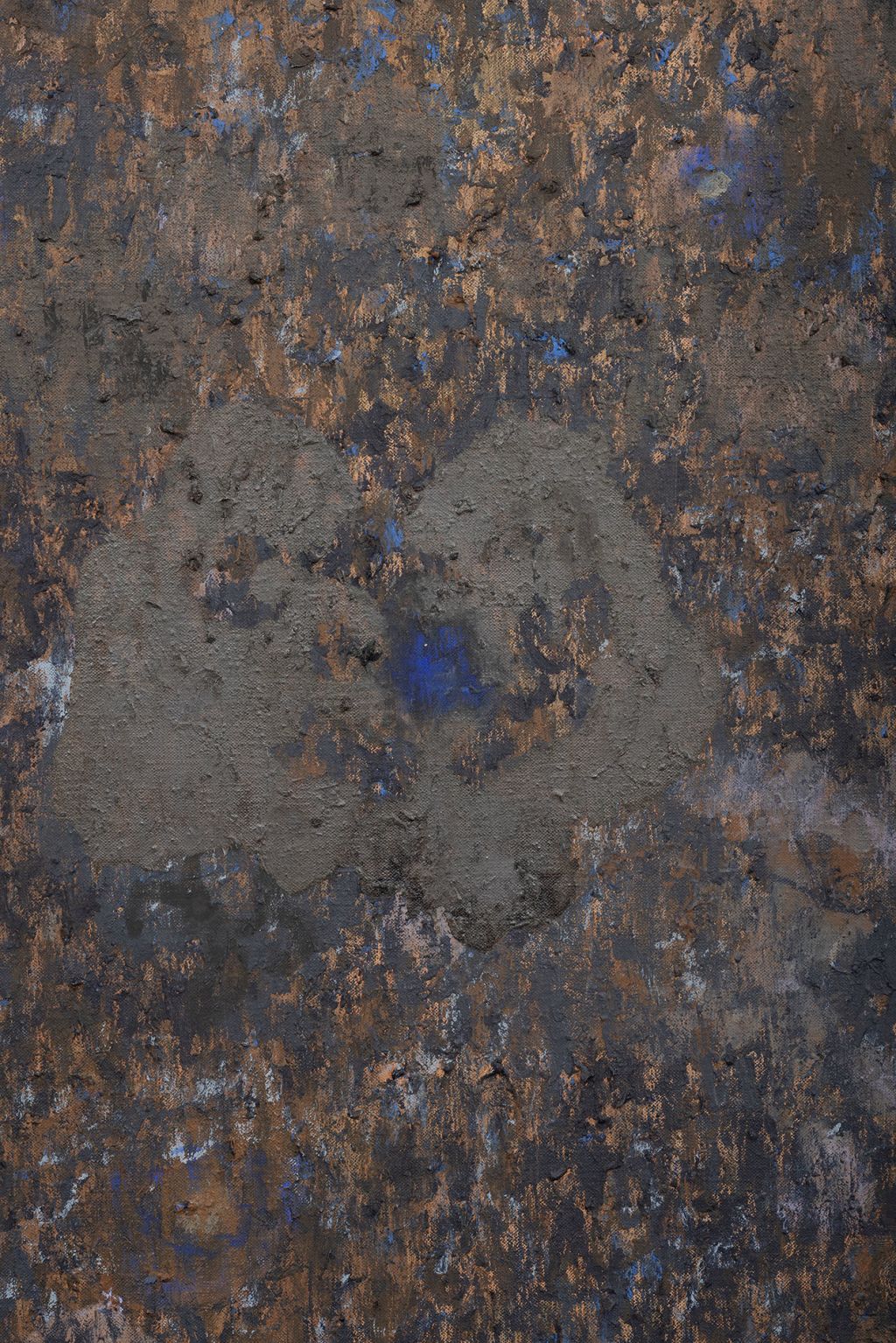
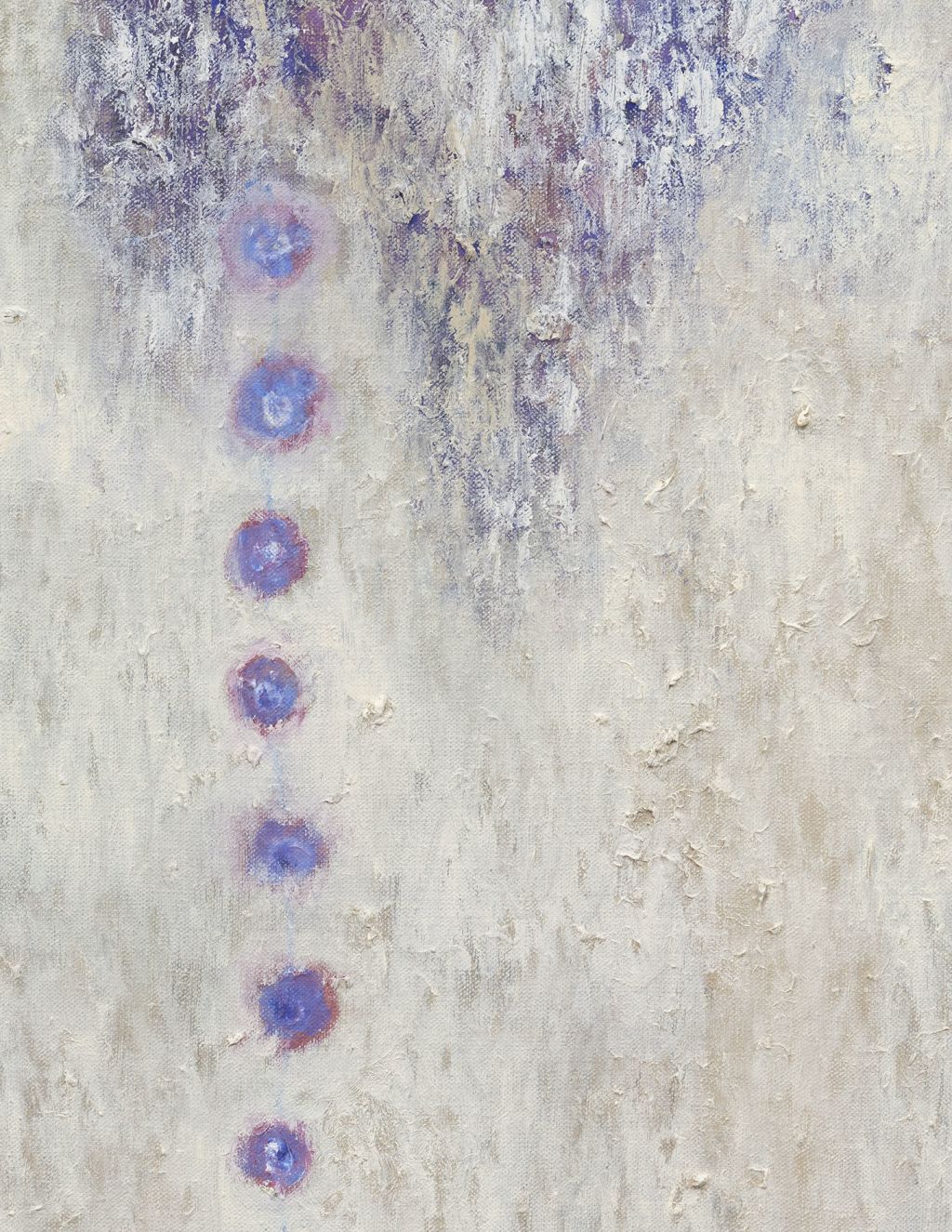
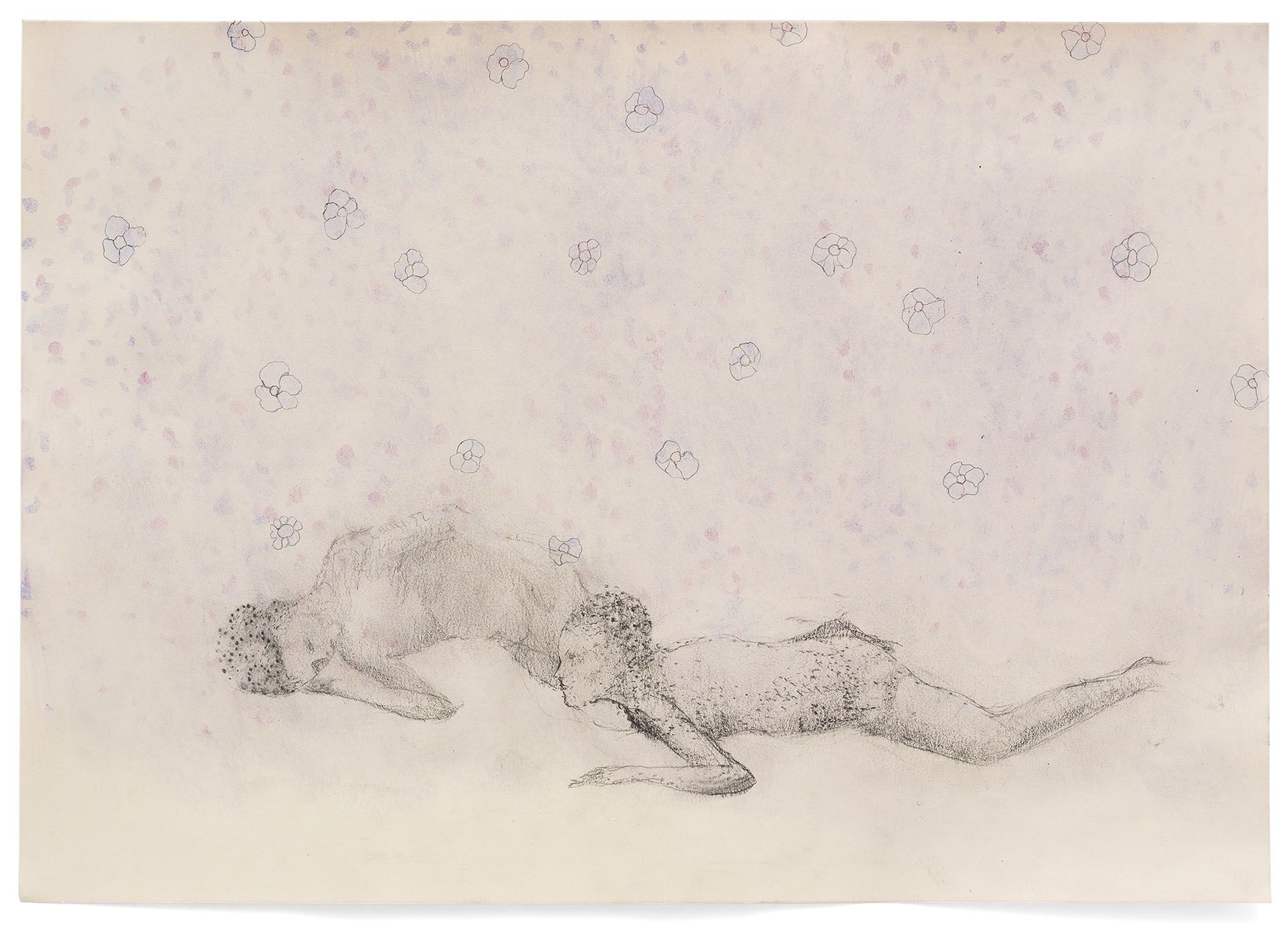
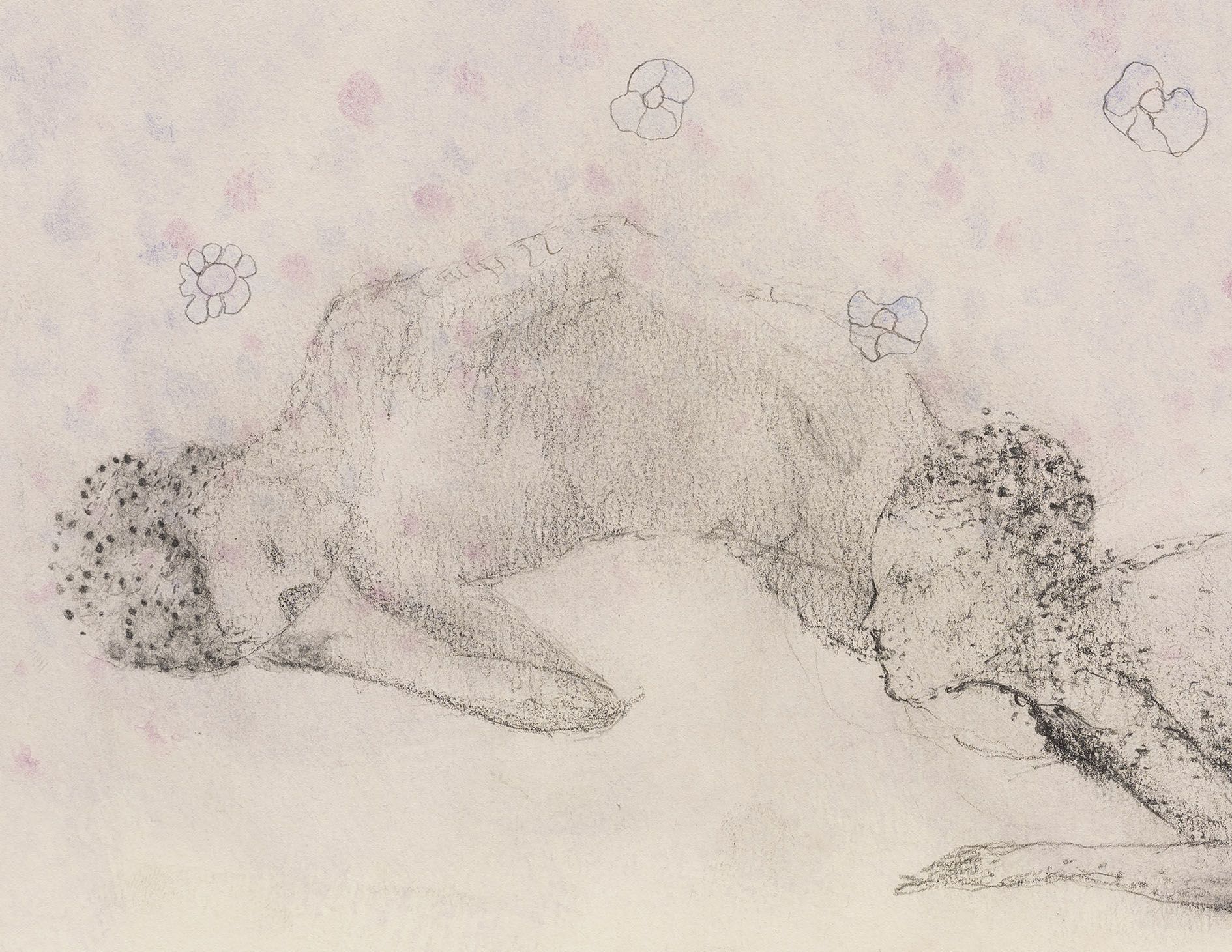
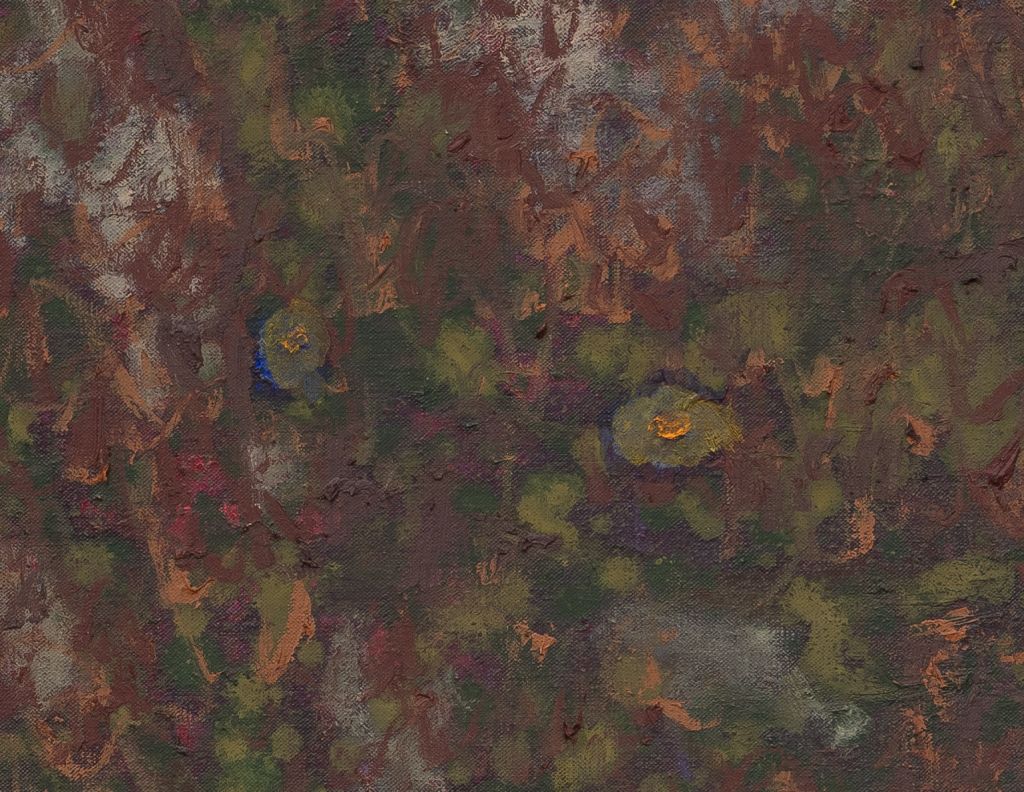
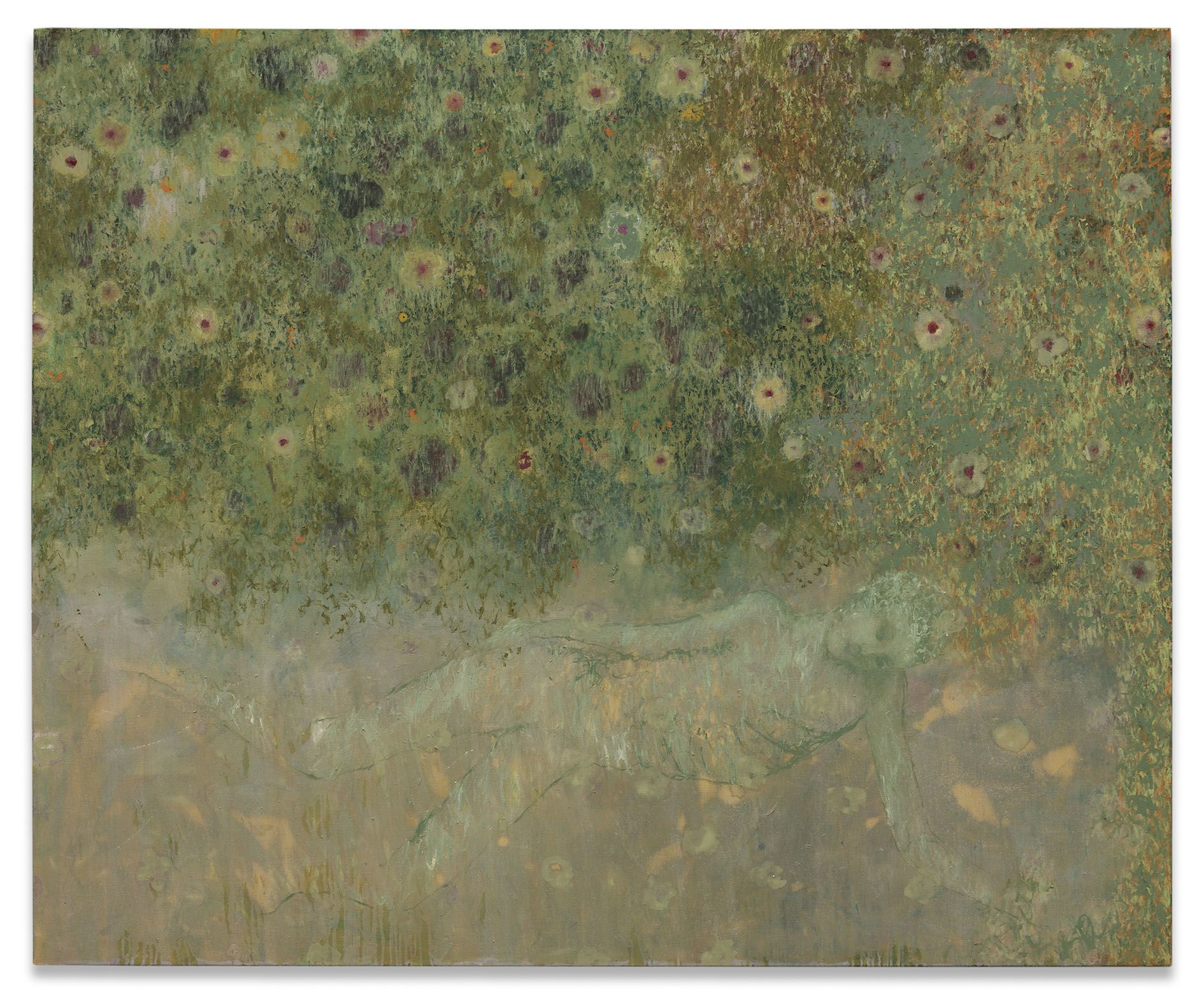
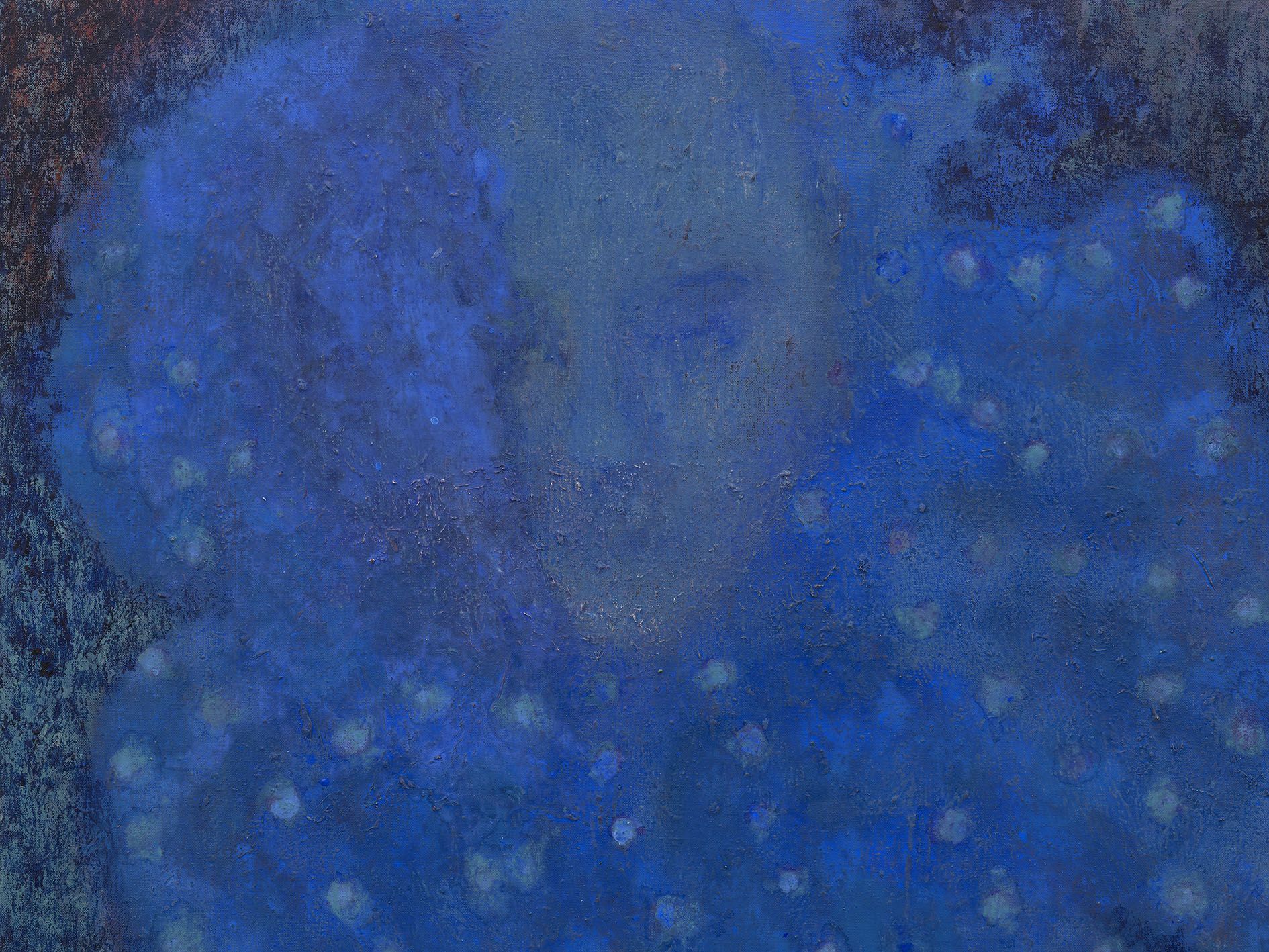
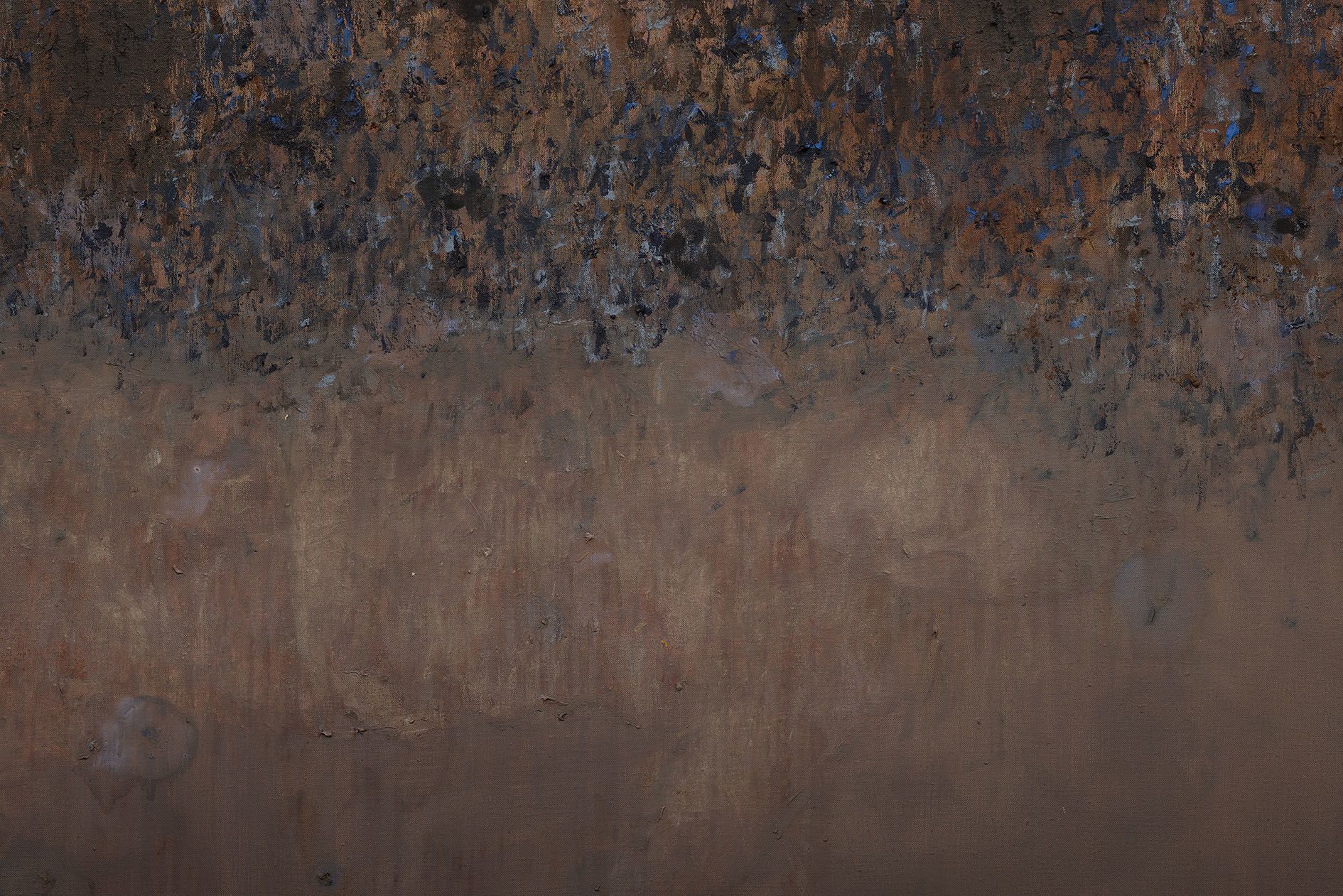
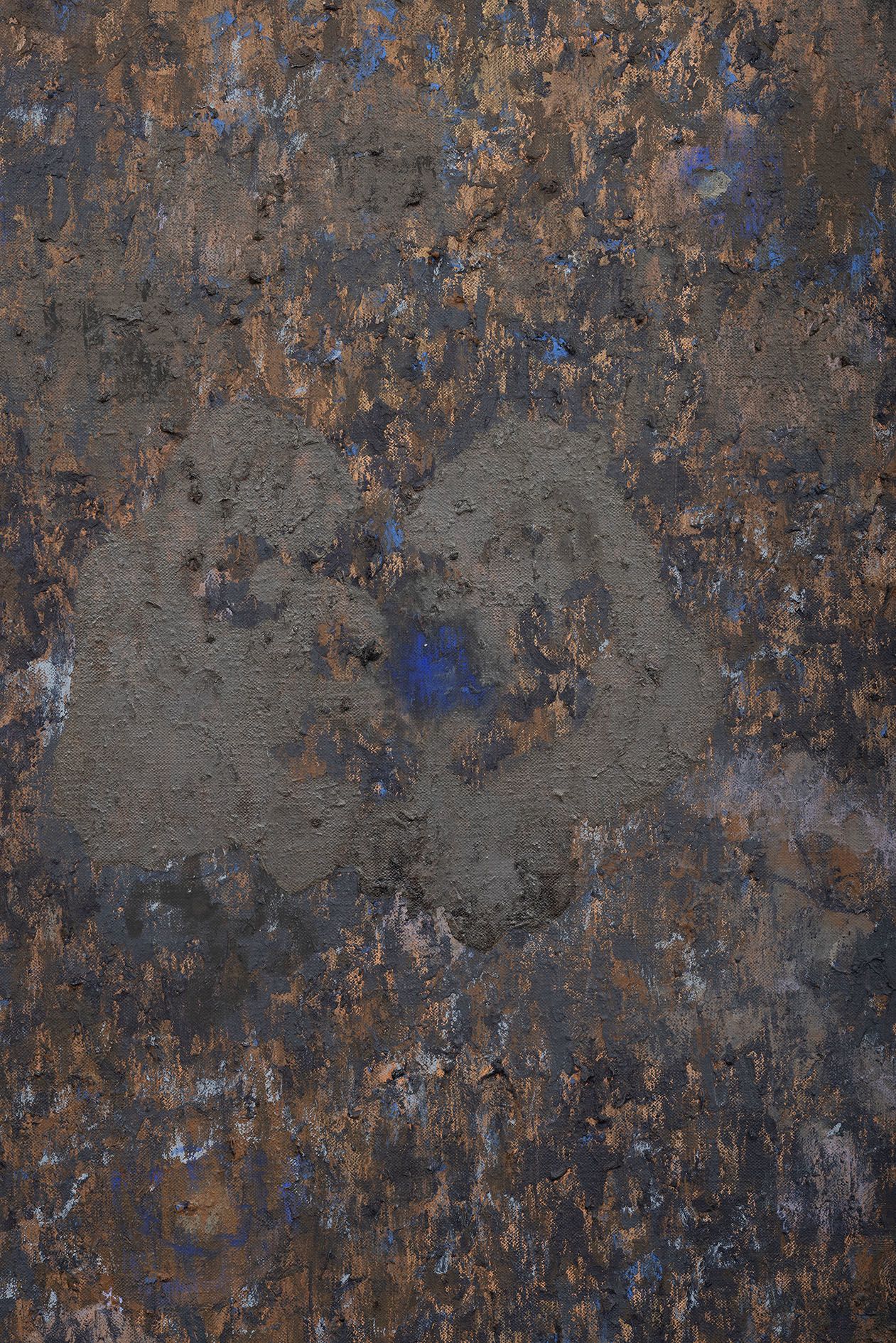
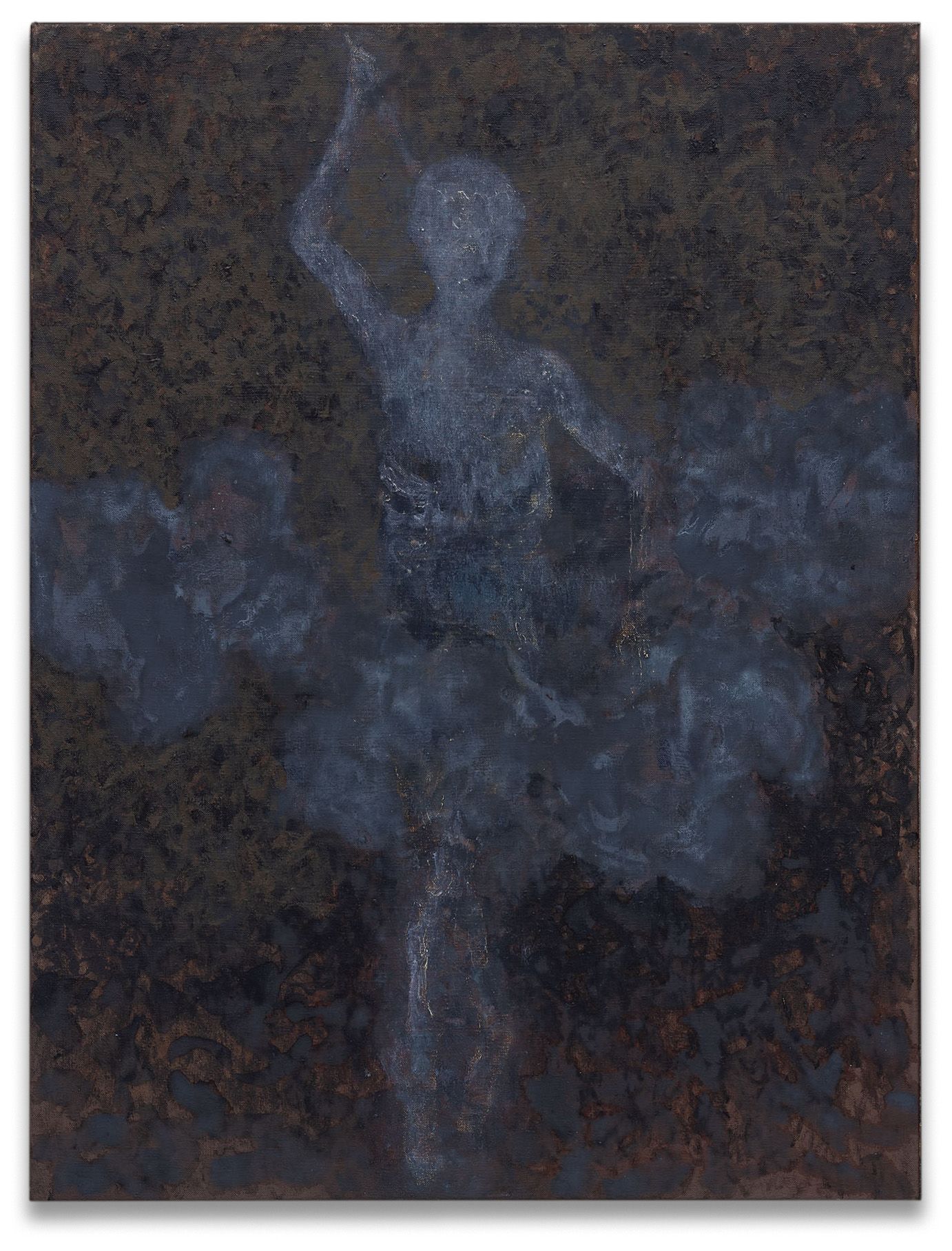
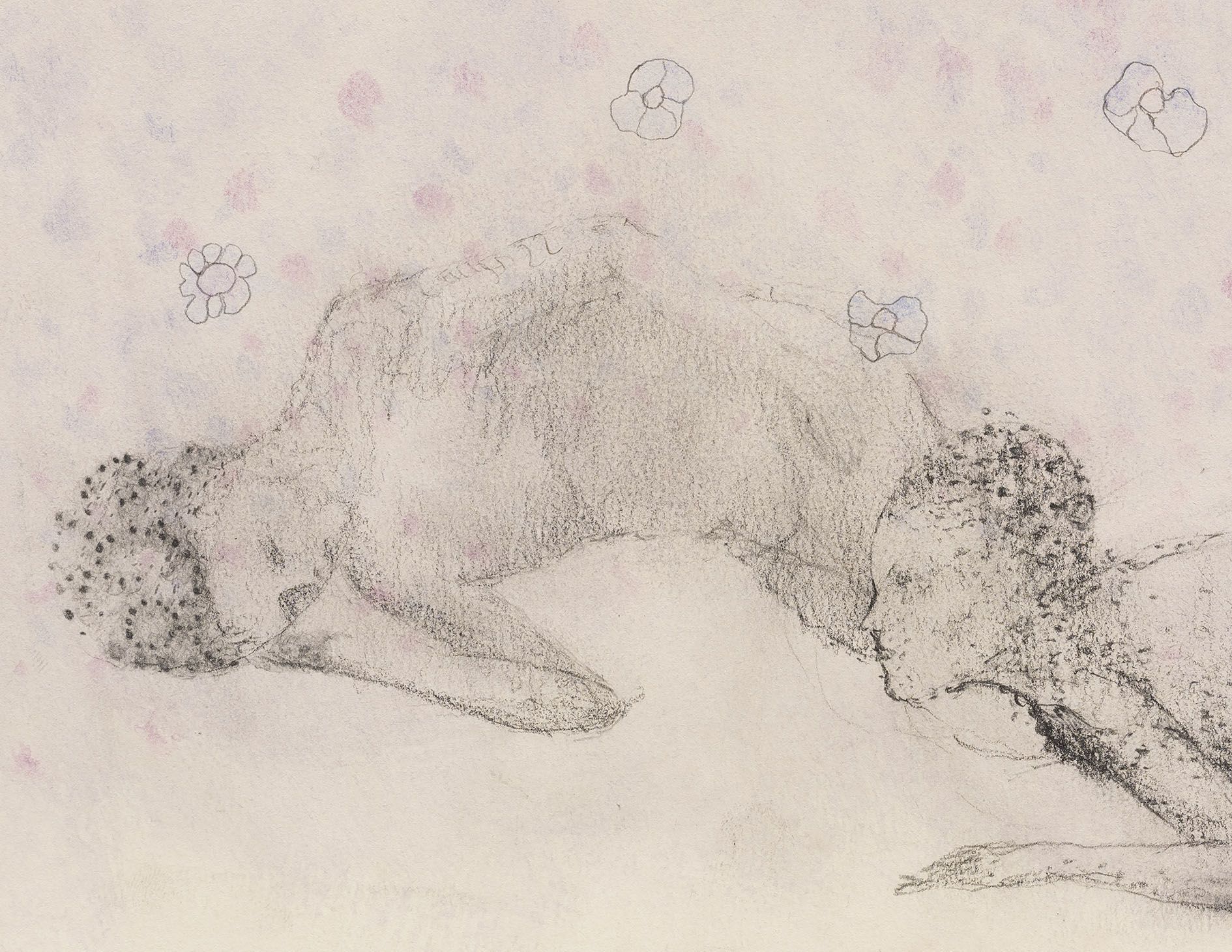
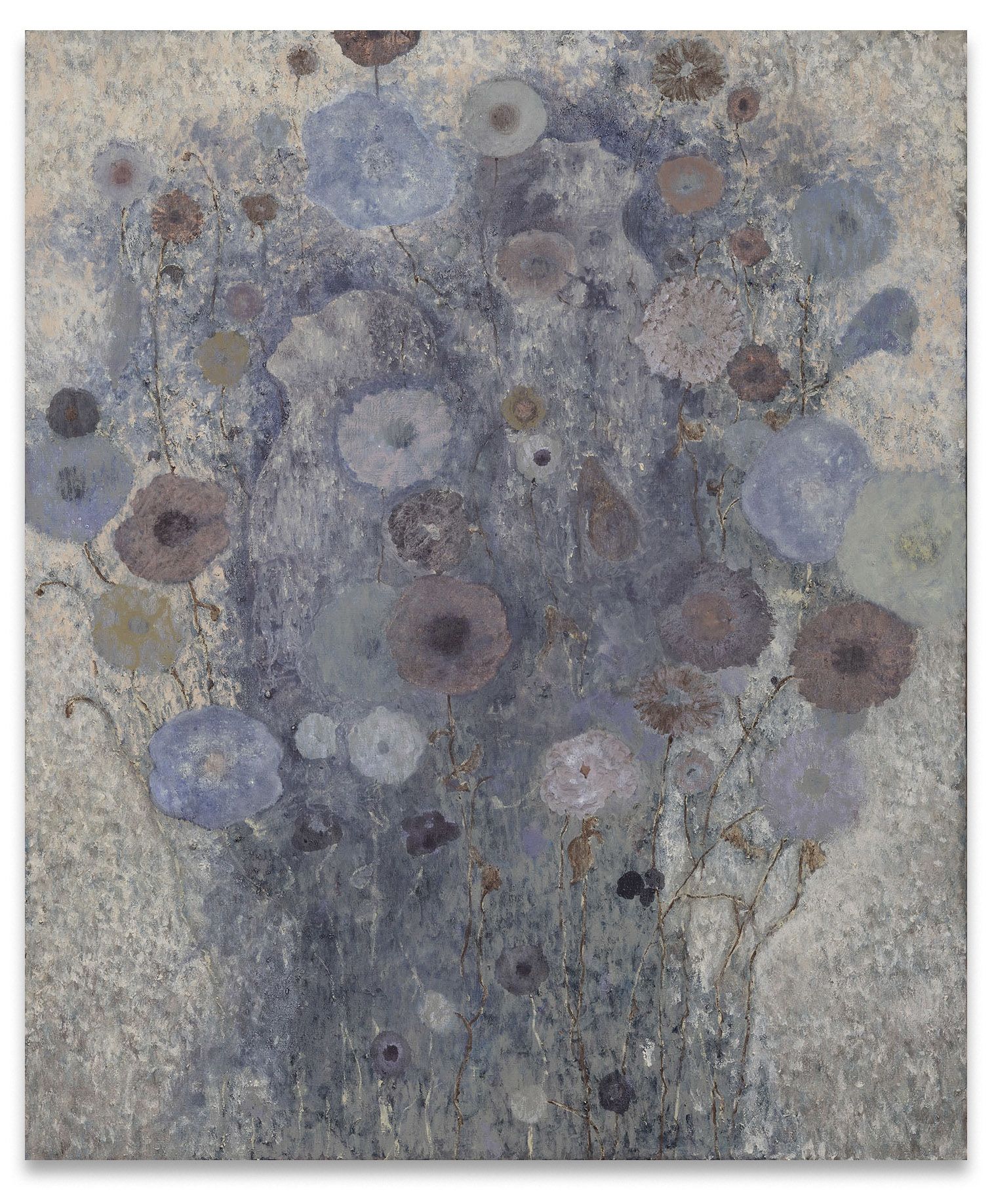
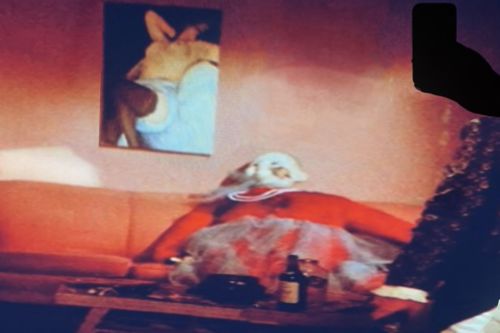
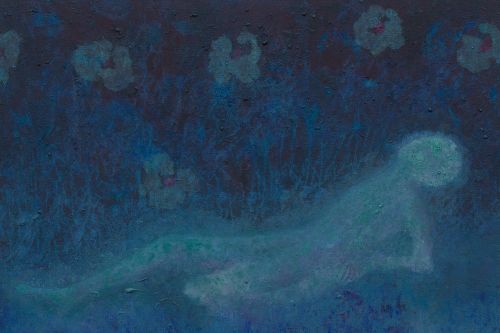
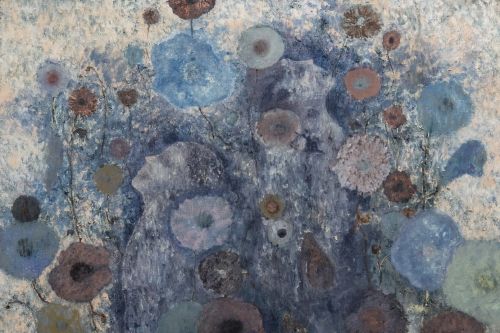
Bak’s textured surfaces evolve by applying thick coats of oil paint mixed with wax and reworking them in a prolonged process of addition and subtraction until his motifs flicker in degrees of opacity. Areas of his compositions reveal light layers of color diluted with turpentine, offering a view of forms lying beneath them that suggest we are dealing with remnants – ghostly figurations drifting in and out of vision. Most of Bak’s protagonists materialize between flowers, levitate and disappear into the ground of the painting or emerge from fields of pointillist flecks of color. Bak’s works oscillate between playful beauty and nebulous danger, addressing the tension between the visible and invisible and the eternal cycles of death and renewal. In his drawings, which are a vital part of his practice, Bak departs from his familiar method of adding and subtracting. Working on gray paper, he uses his fingers to smudge the graphite, creating depth in apparition-like images. Their subjects echo his works in paint, similarly incorporating natural imagery that navigates flourish and decay and explores inner existential conflict.
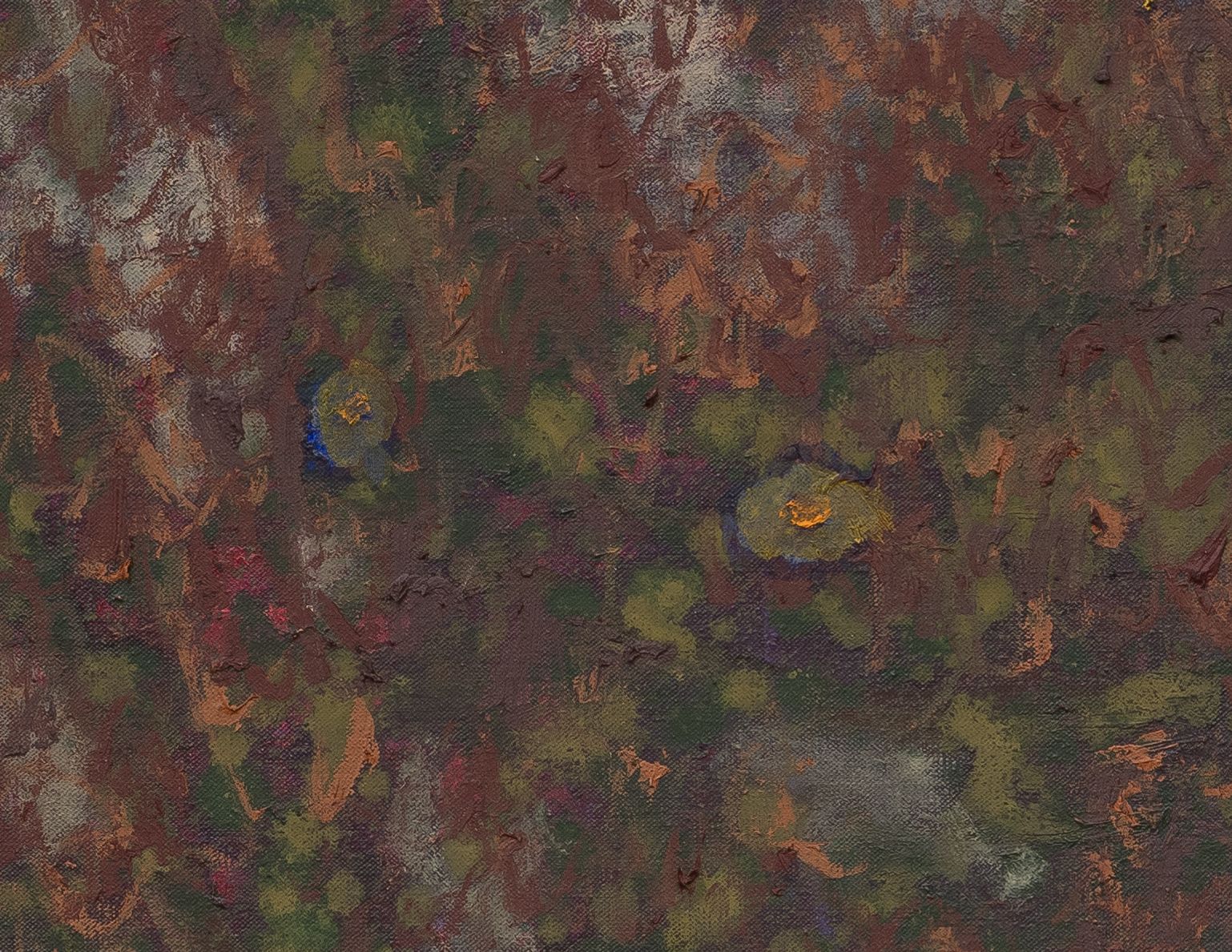
This natural pattern is represented especially well in Autumn tree (2024). A vivid exploration of color and imagination, it focuses on a lush tree that extends beyond the canvas borders and displays signs of decline as its leaves and bark become mottled. Shades of green shimmer through the browns, oranges and purples that have been reworked multiple times. Bak’s laborious technique results in a painting that makes time its business: the work decelerates the gaze and invites viewers to visualize the tall sycamore in all seasons – past and future.
The veil that separates the worlds, the real and the fictional, the living and the dead, is particularly thin in Bak’s paintings. In a synthesis of form and feeling, of reality and personal inner subjectivity, his layered works provide a space for contemplation, ultimately enabling the viewer to perceive the invisible.