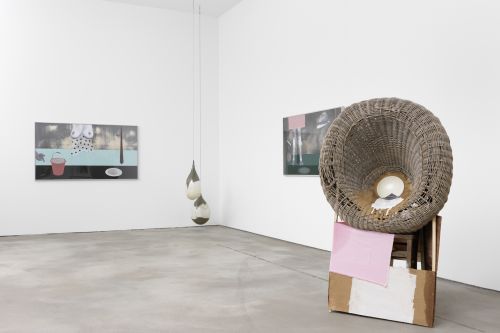
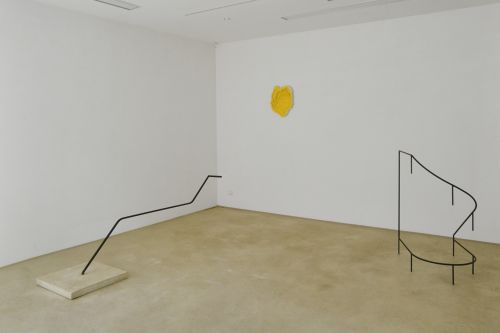
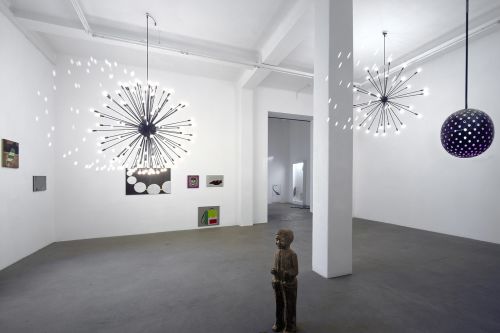
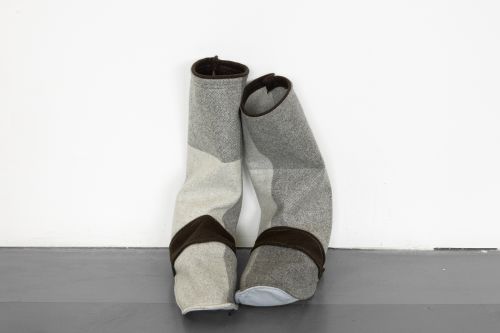
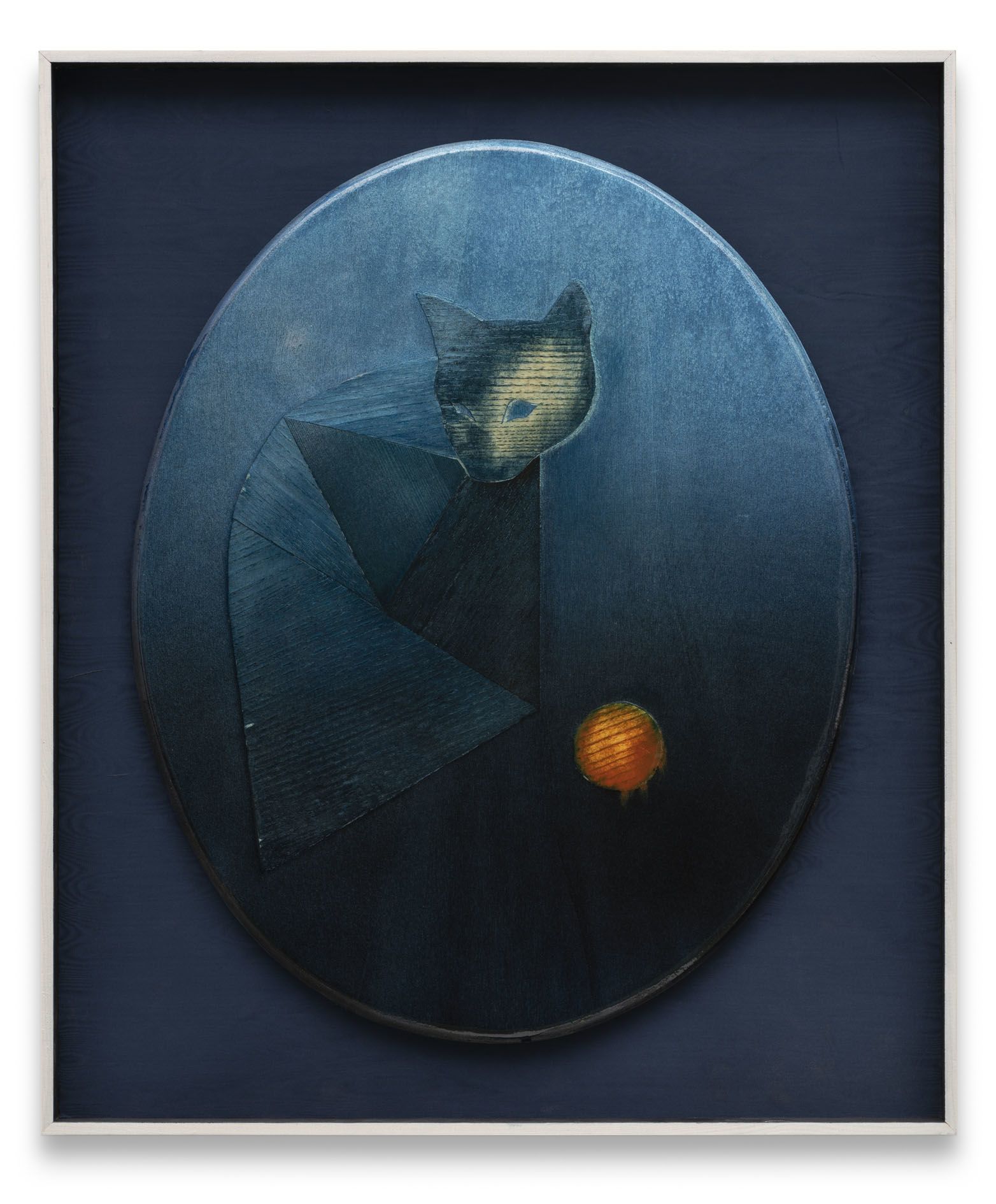
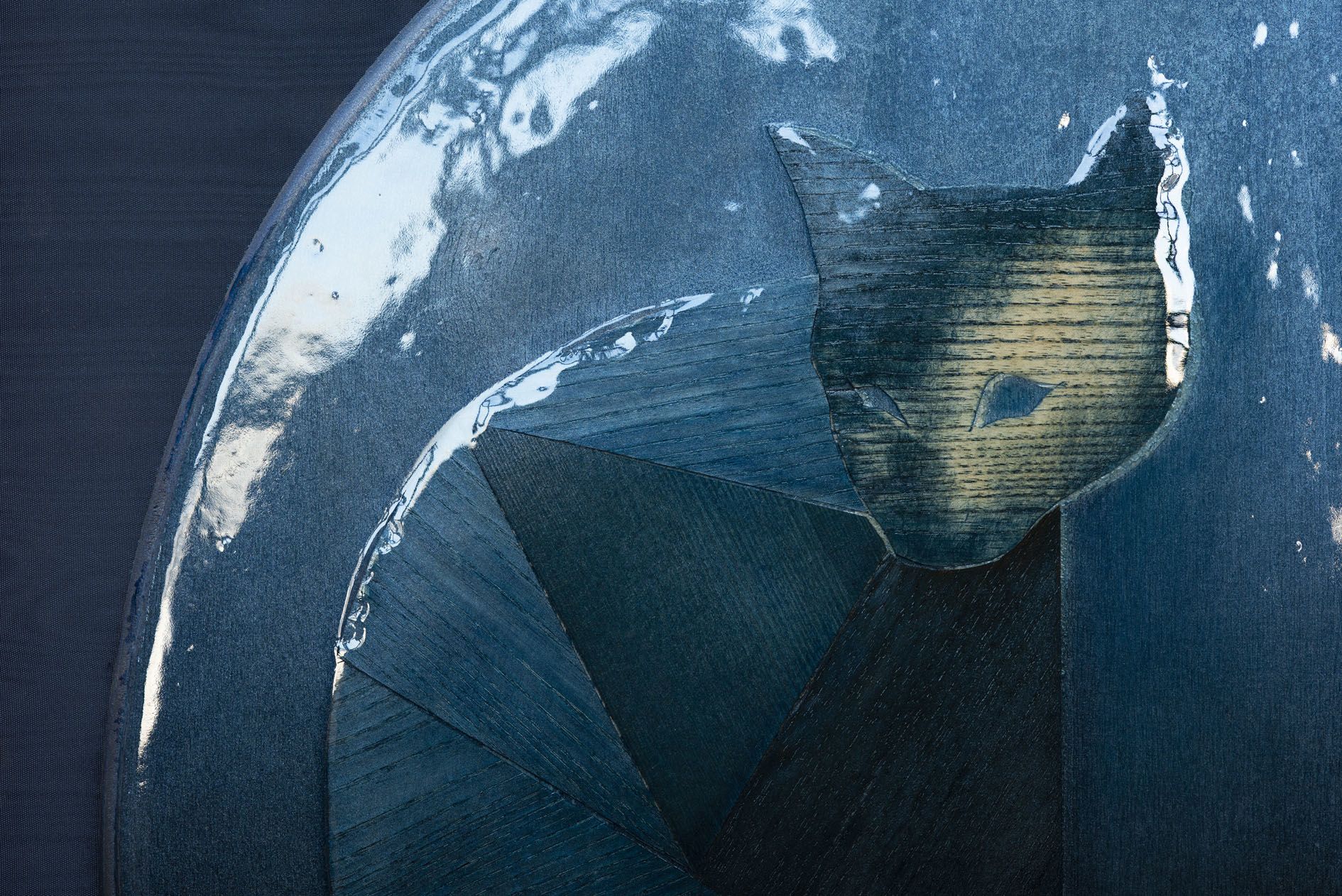
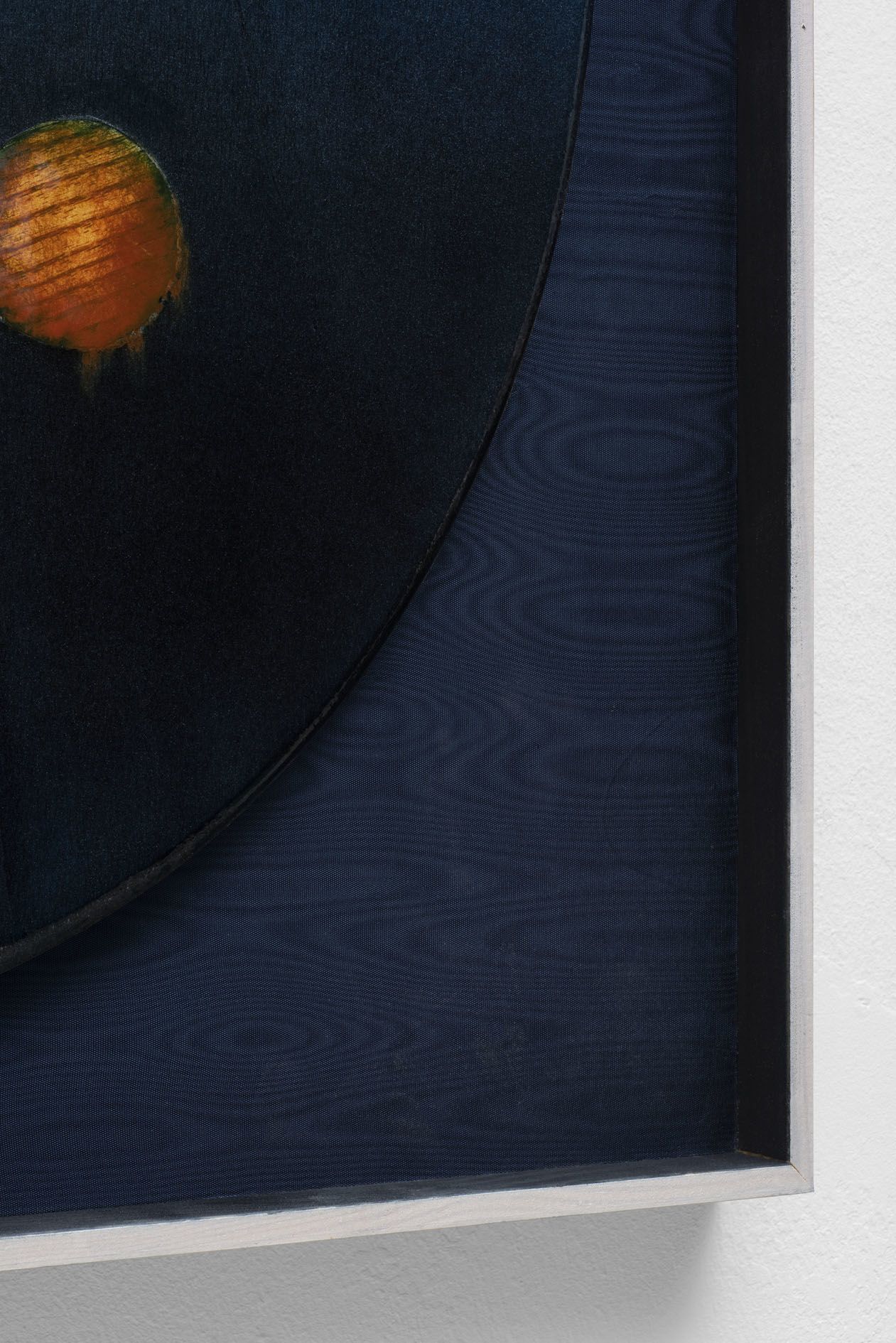
Robert Elfgen (*1972) is acclaimed for a mytho-poetic artistic universe that revolves around the relationship between human beings and the world. His assemblages, collages, light objects, videos, floor- and wall works are frequently arranged in room-filling installations that resemble walk-in paintings. The artist makes use of objets trouvés from his everyday surroundings, but also draws upon such traditional artistic media as metal engraving, reverse glass painting, inlay and various printing-making techniques. The often-improvised combination of found objects, images and technical approaches conjures complex associations and interconnected layers of meaning.














Robert Elfgen
utopisch
May 2–August 1, 2026
Berlin
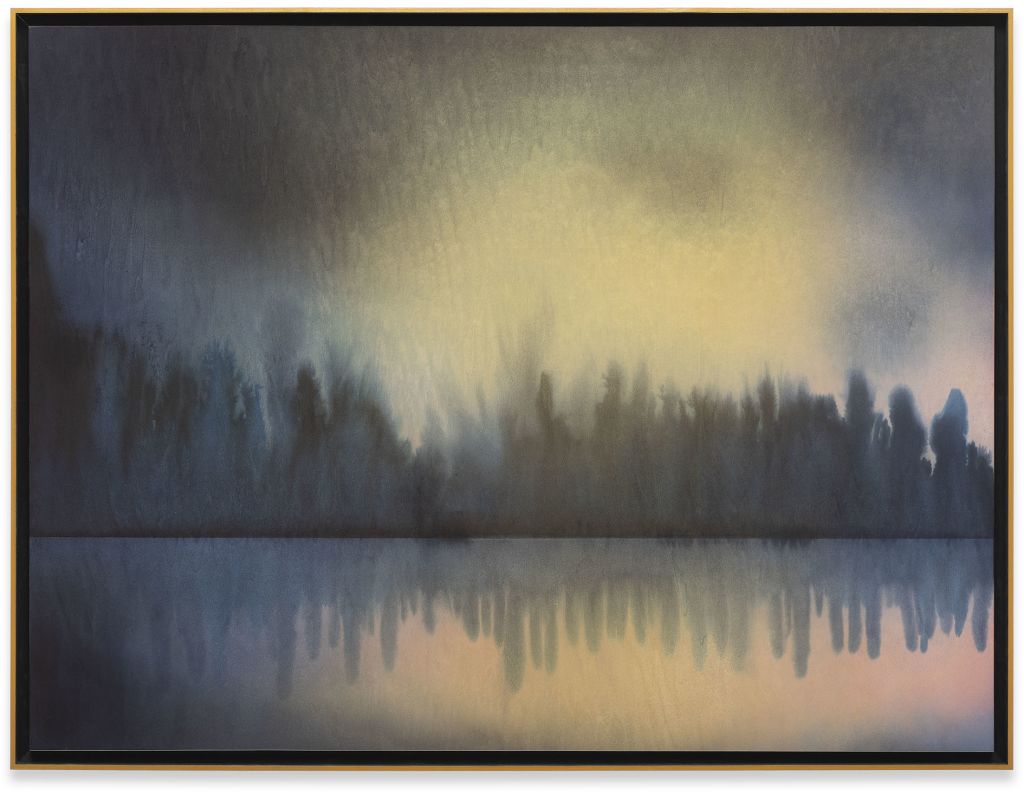
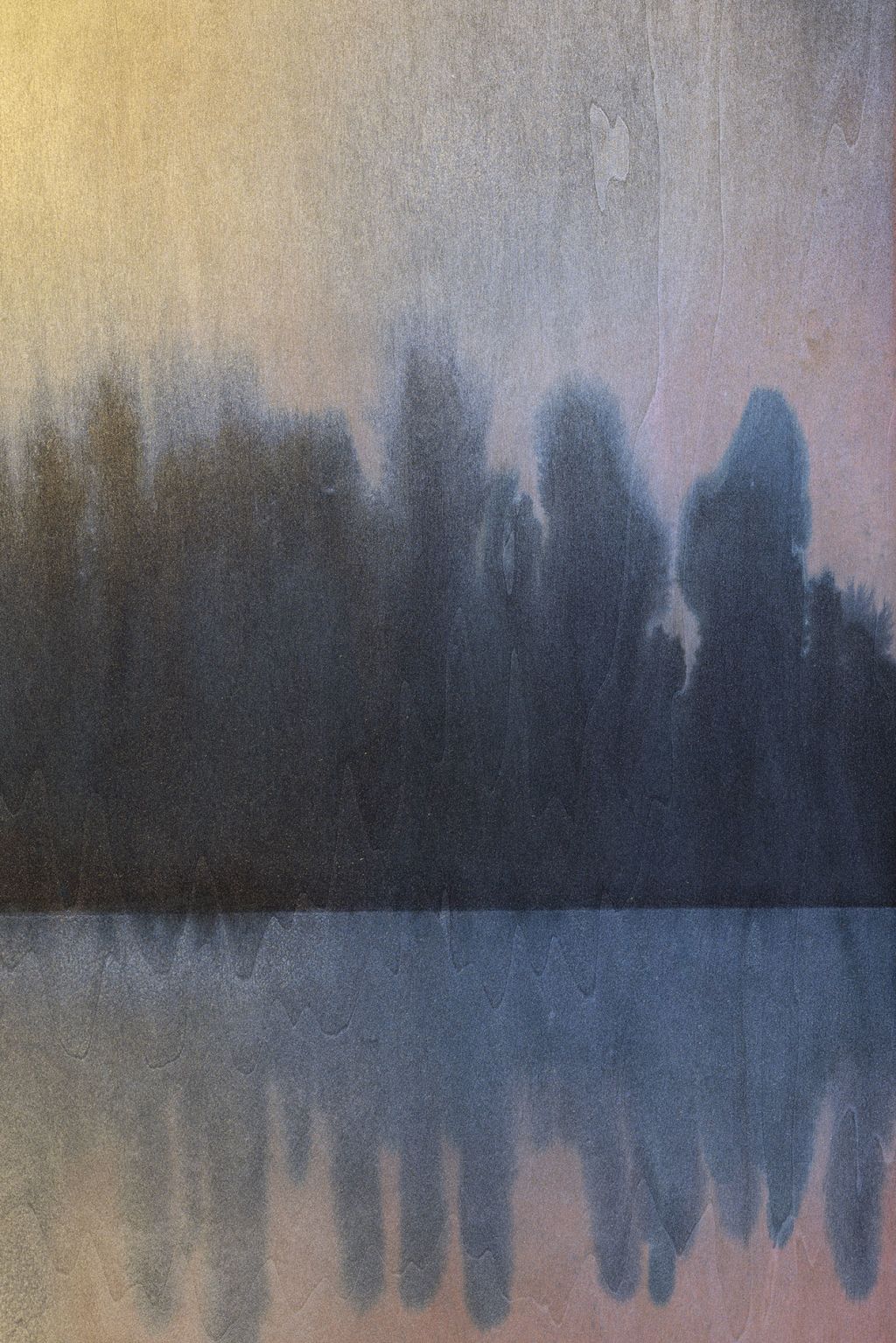
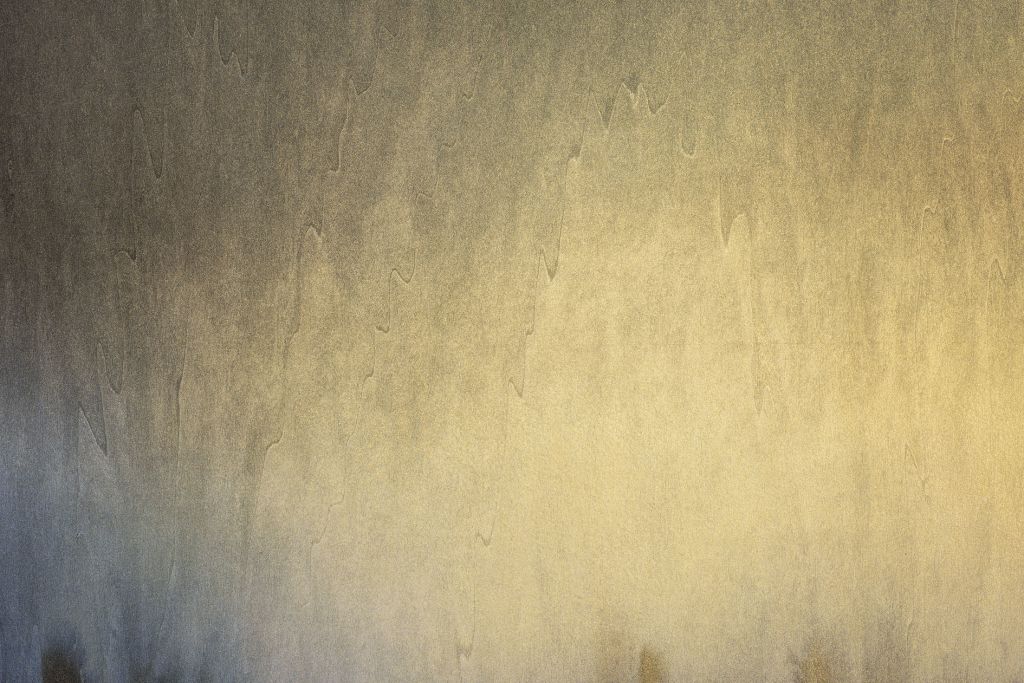
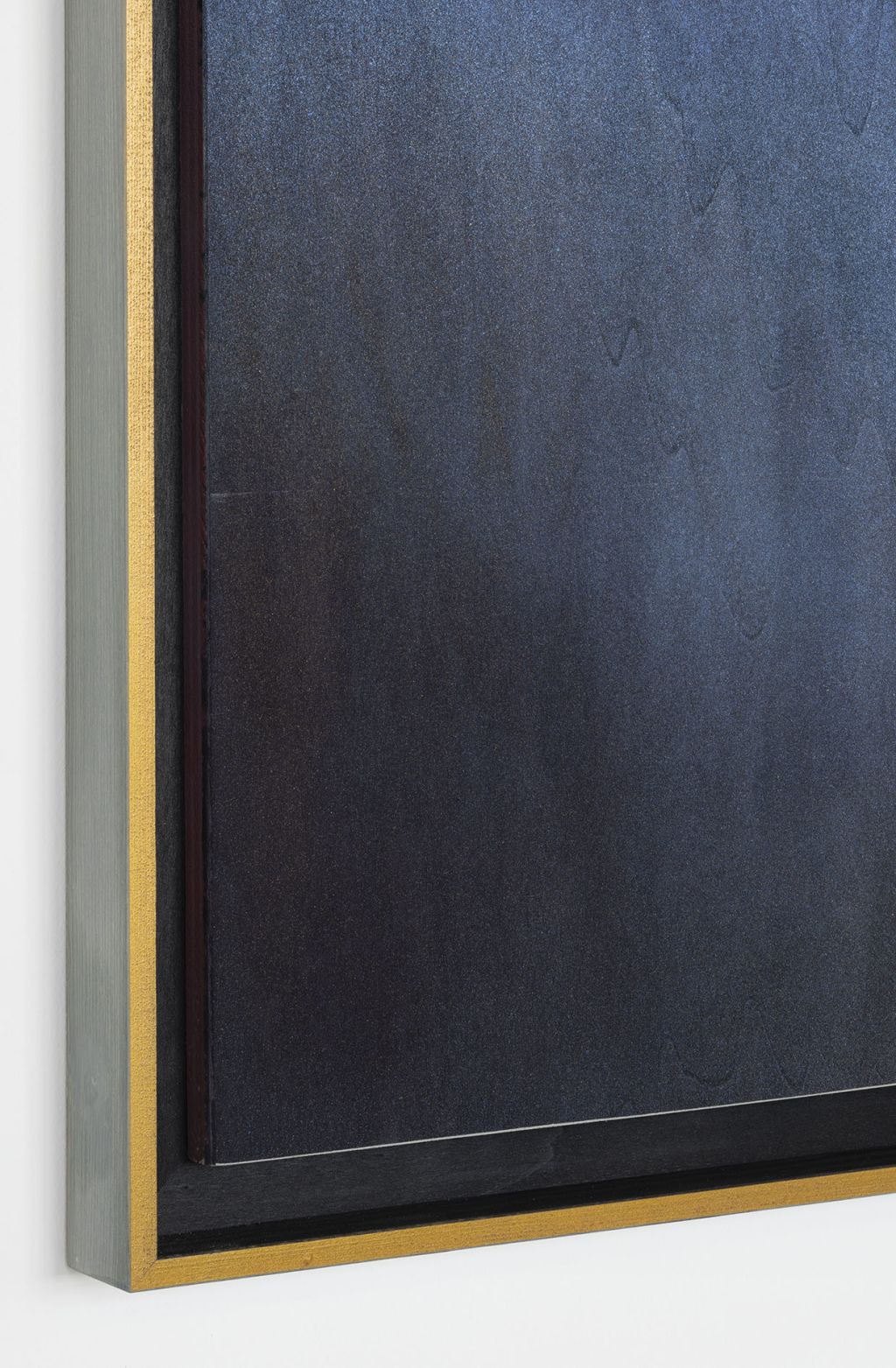
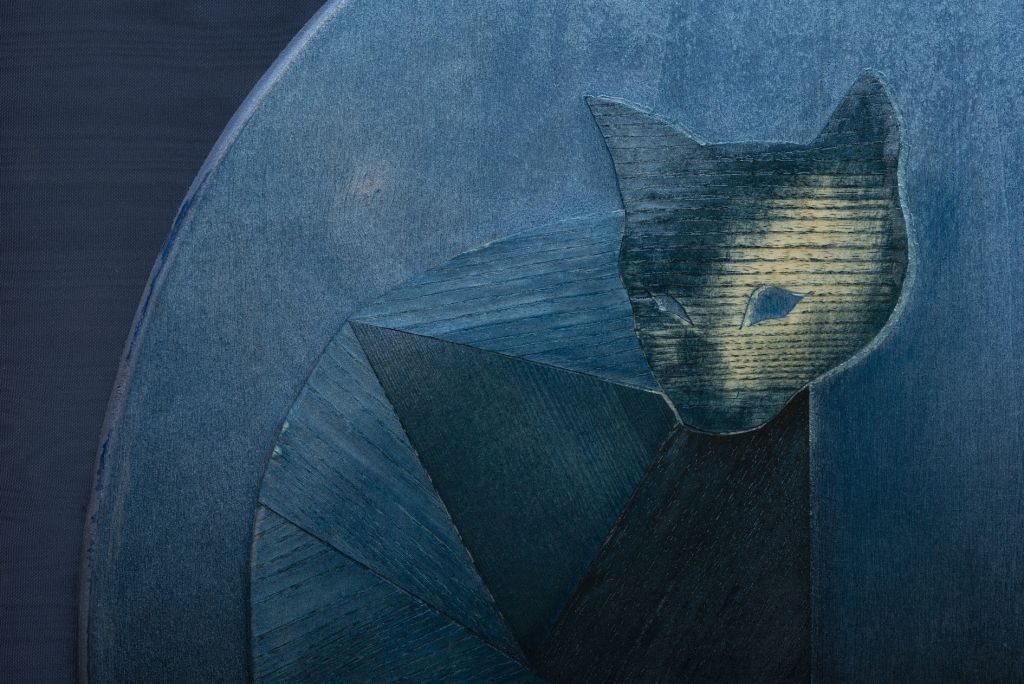
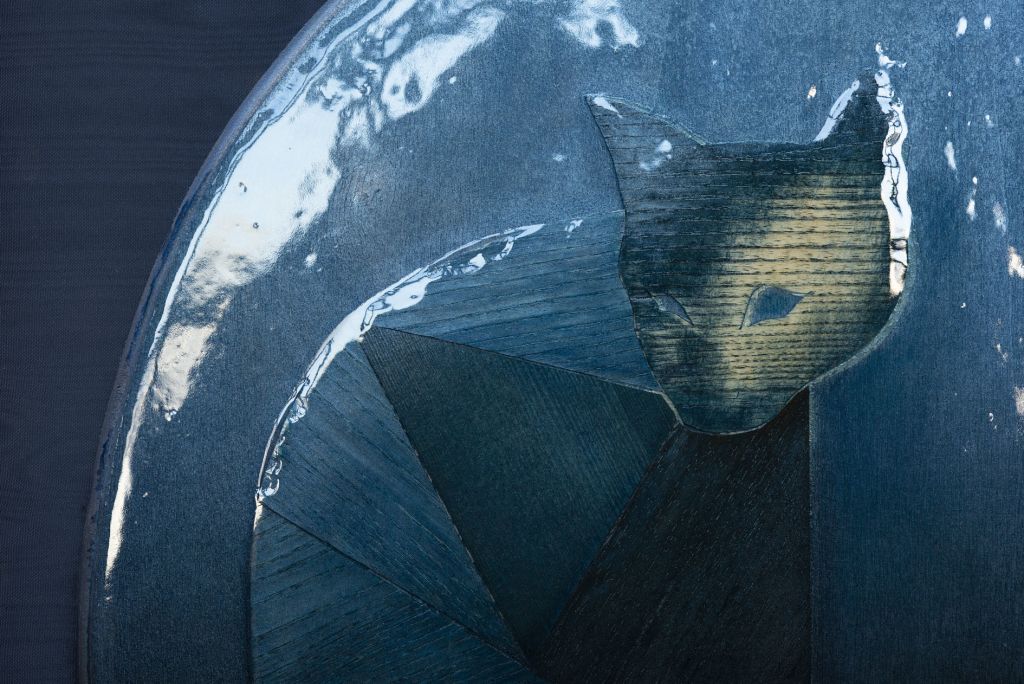
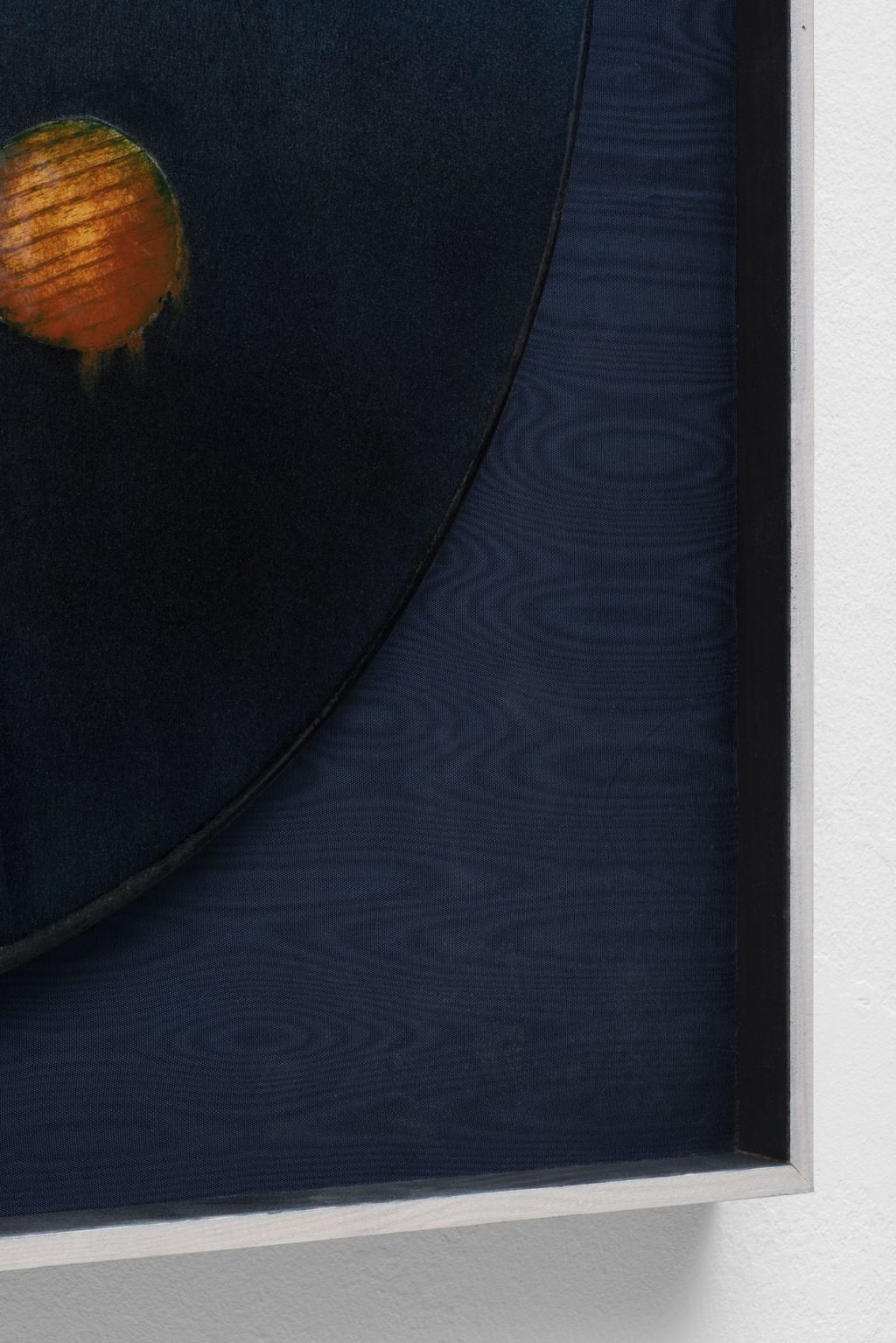
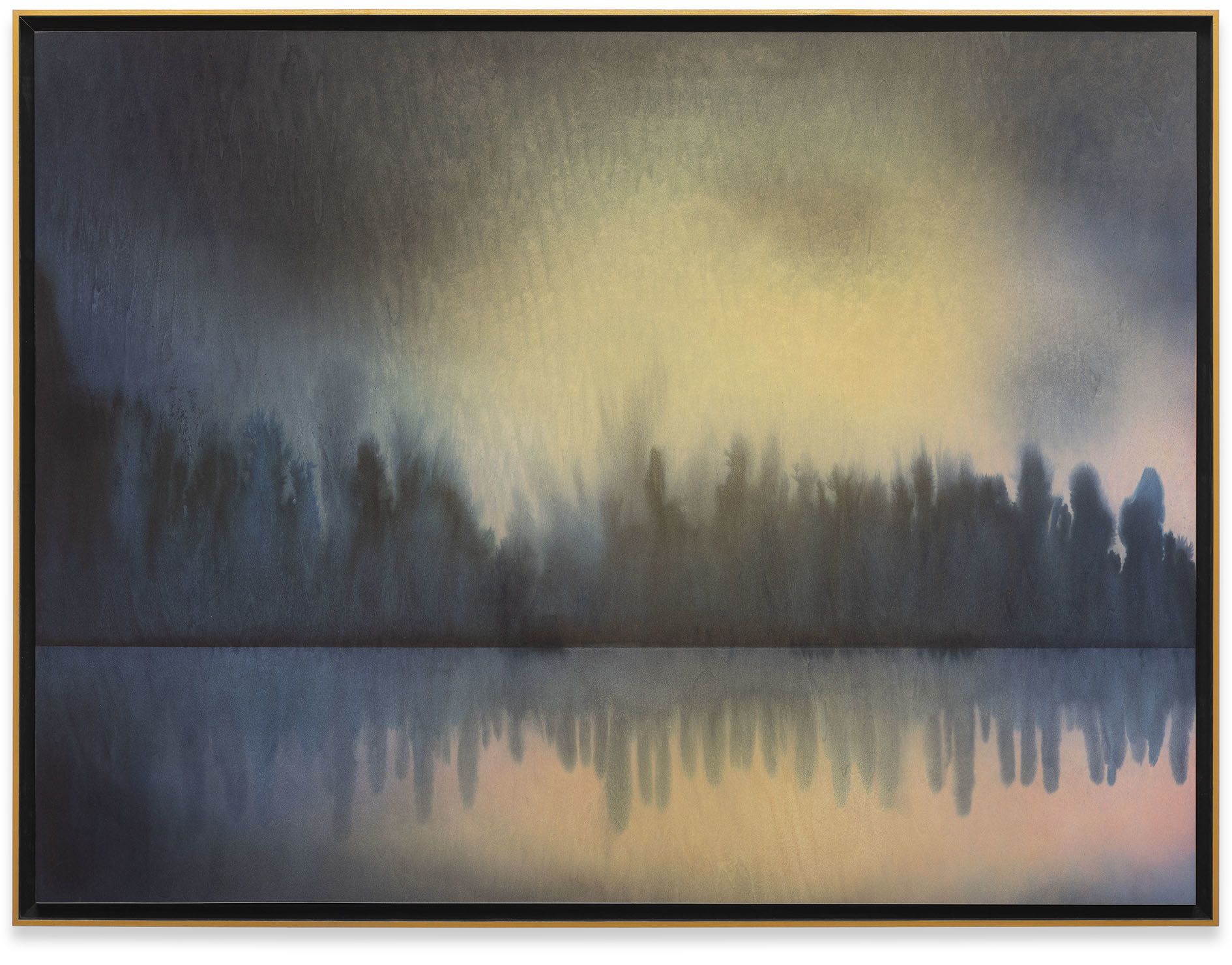
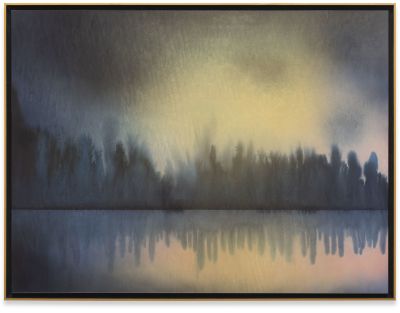
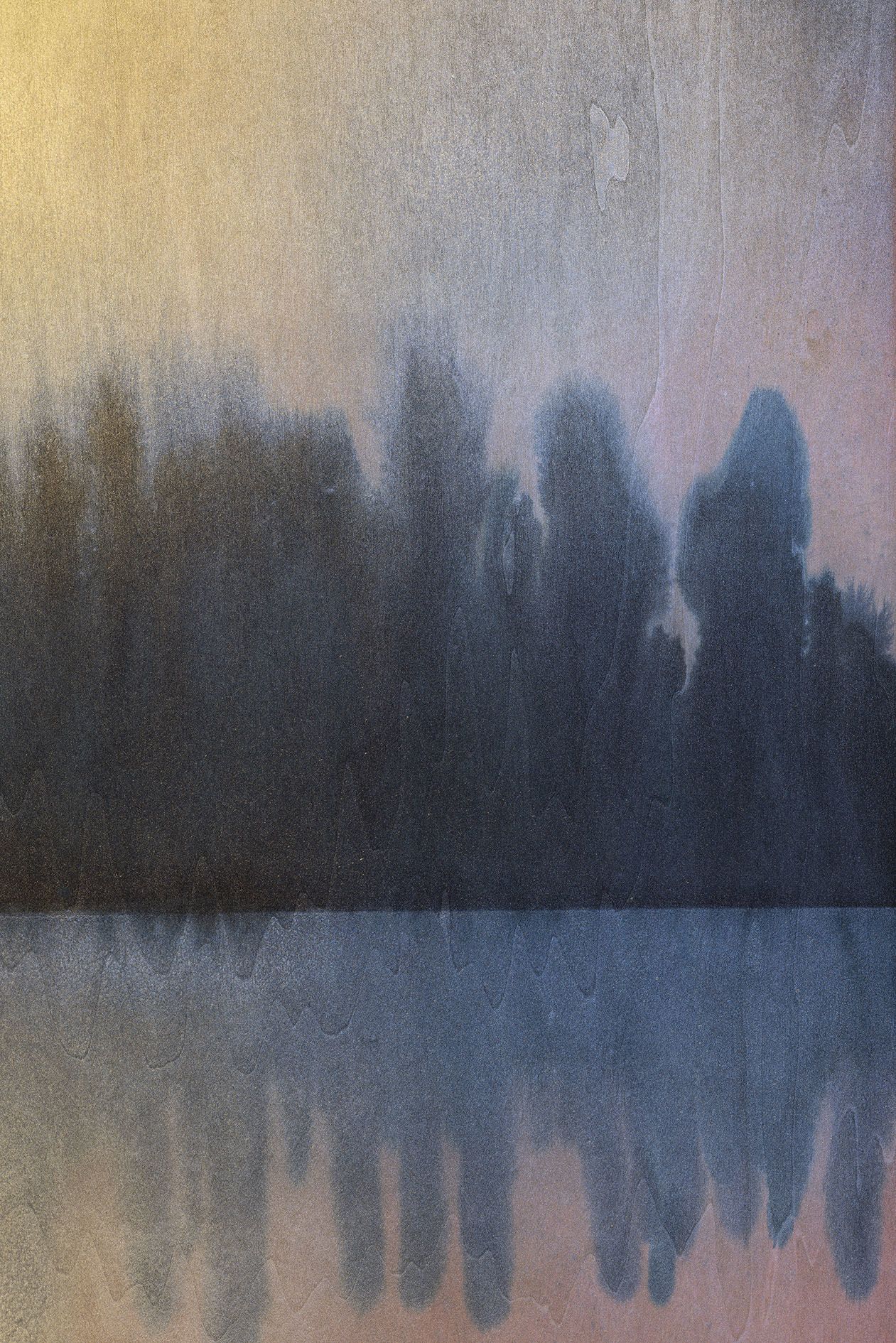
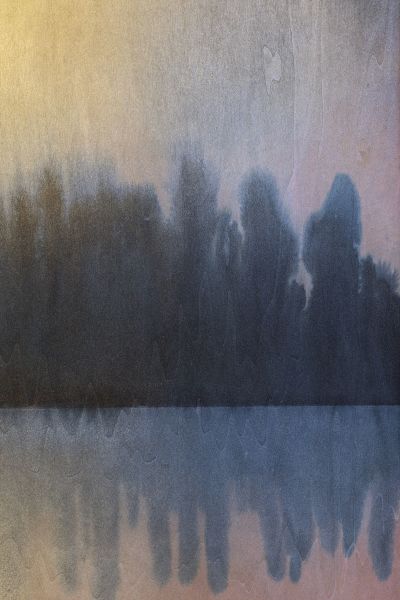
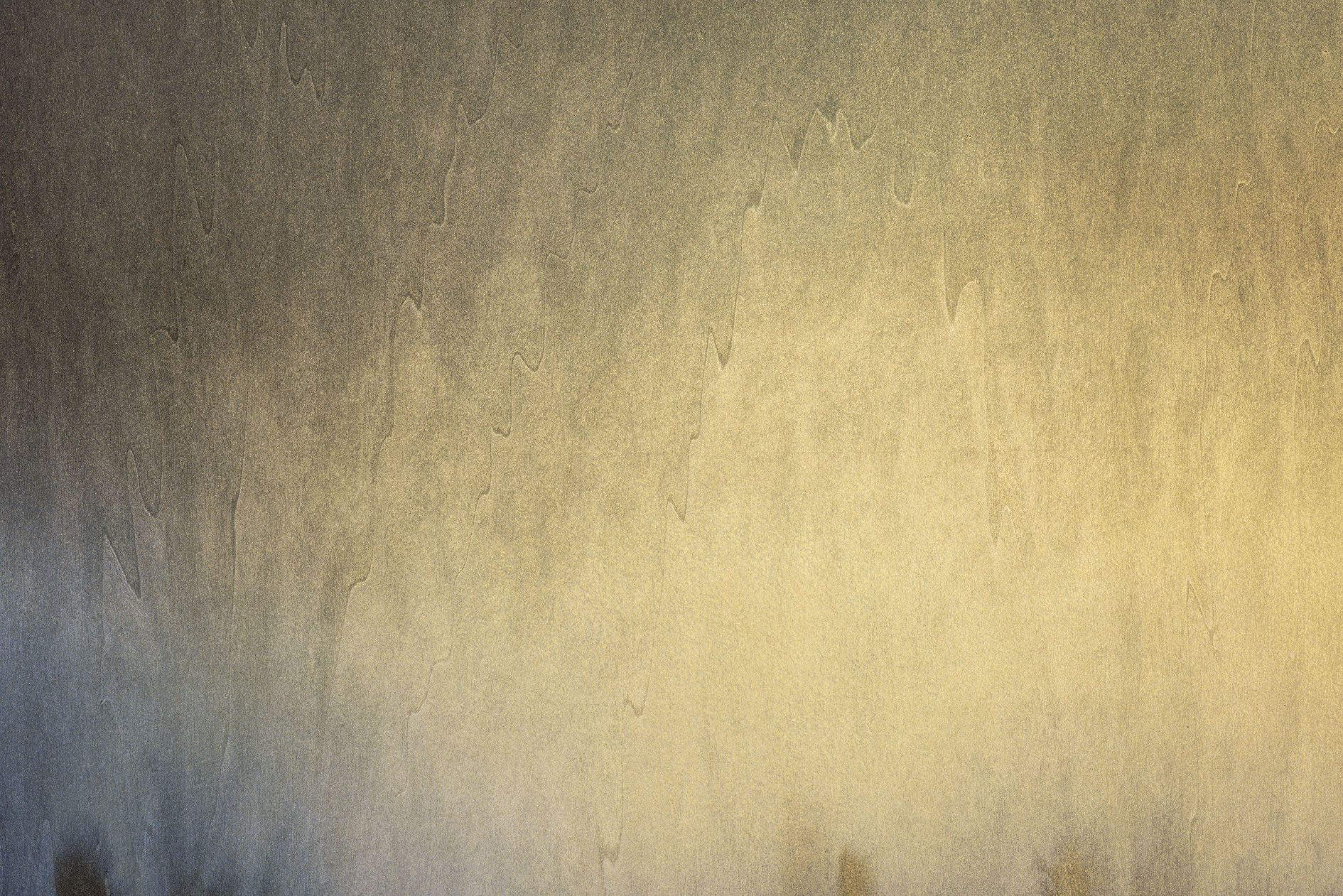
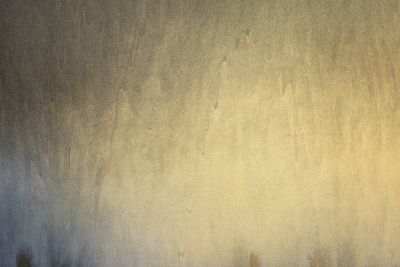
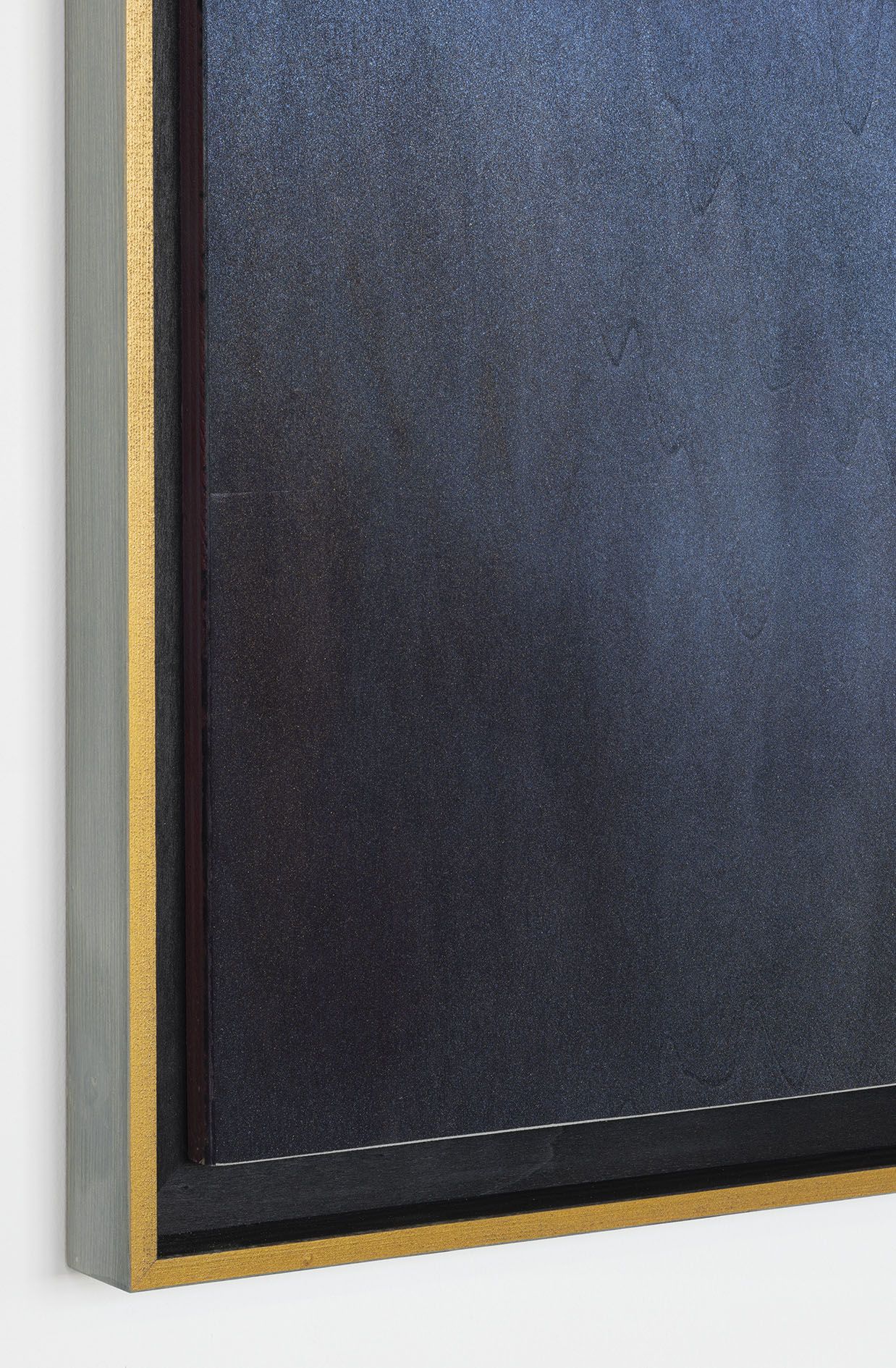
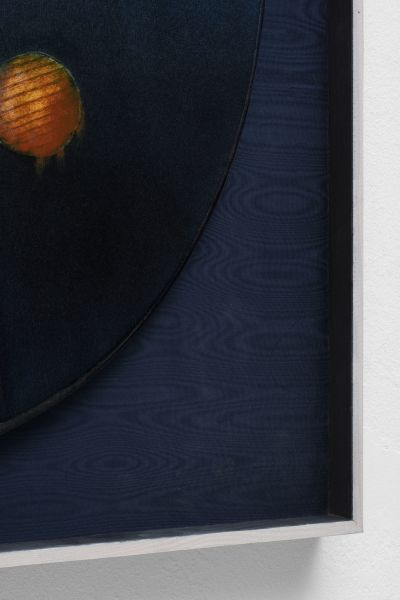
Robert Elfgen explores the relationship between humankind and nature through a distinctly mythical, poetic lens. His assemblages, collages, light objects, and floor- and wall pieces are often staged as room-filling installations that unfold like immersive paintings. On the occasion of Gallery Weekend Berlin, Sprüth Magers is pleased to present utopisch, a solo exhibition of new and recent works by the artist. Contrast serves as a foundational principle in Elfgen’s practice. His new sandblasted glass panes—set within wooden frames he built himself—range from filigree organic motifs to geometrical shapes that coalesce into industrial structures. These sculptural pieces divide the exhibition space while simultaneously connecting it through their transparency. In his paintings, materials shape the imagery: Elfgen layers pigments onto wooden supports, then sands them back to reveal grain patterns that become atmospheric elements like fog or overcast skies. Through controlled use of color and light, he imbues his unexpected subjects with a subtle romanticism, creating an artistic universe rooted in everyday observation yet attuned to mythic resonance.