Richard Artschwager
Sliding Door II, 1964/79
Formica on wood with metal handles
143 × 213 × 18 cm | 56 1/4 × 83 7/8 × 7 inches
Richard Artschwager
Sliding Door II, 1964/79
Formica on wood with metal handles
143 × 213 × 18 cm | 56 1/4 × 83 7/8 × 7 inches
Richard Artschwager
Sliding Door II, 1964/79
Richard Artschwager
Sliding Door II, 1964/79
Richard Artschwager
Sliding Door II, 1964/79
Richard Artschwager
Sliding Door II, 1964/79 (detail)
Gary Hume
The Argument (diptych), 2004
Gloss on aluminum in two parts
256 × 336 cm | 100 7/8 × 132 1/4 inches
Gary Hume
The Argument (diptych), 2004
Richard Artschwager
Sliding Door II, 1964/79
Formica on wood with metal handles
143 × 213 × 18 cm | 56 1/4 × 83 7/8 × 7 inches
Richard Artschwager
Sliding Door II, 1964/79
Formica on wood with metal handles
143 × 213 × 18 cm | 56 1/4 × 83 7/8 × 7 inches
Richard Artschwager
Sliding Door II, 1964/79
Richard Artschwager
Sliding Door II, 1964/79
Richard Artschwager
Sliding Door II, 1964/79
Richard Artschwager
Sliding Door II, 1964/79
Richard Artschwager
Sliding Door II, 1964/79
Richard Artschwager
Sliding Door II, 1964/79
Richard Artschwager
Sliding Door II, 1964/79 (detail)
Richard Artschwager
Sliding Door II, 1964/79 (detail)
Gary Hume
The Argument (diptych), 2004
Gloss on aluminum in two parts
256 × 336 cm | 100 7/8 × 132 1/4 inches
Gary Hume
The Argument (diptych), 2004
Gloss on aluminum in two parts
256 × 336 cm | 100 7/8 × 132 1/4 inches
Gary Hume
The Argument (diptych), 2004
Gary Hume
The Argument (diptych), 2004
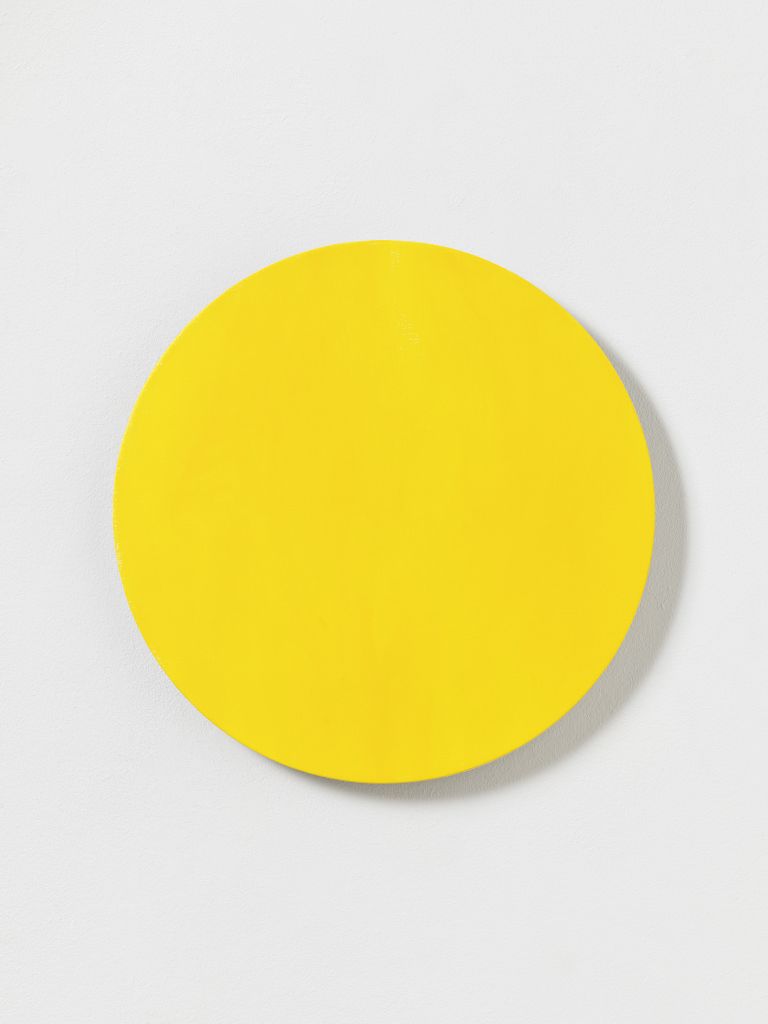
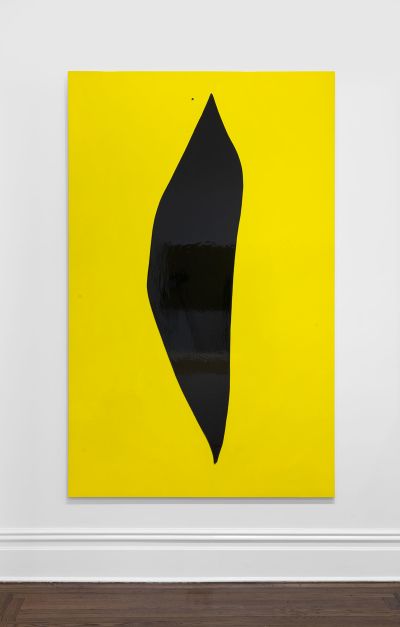
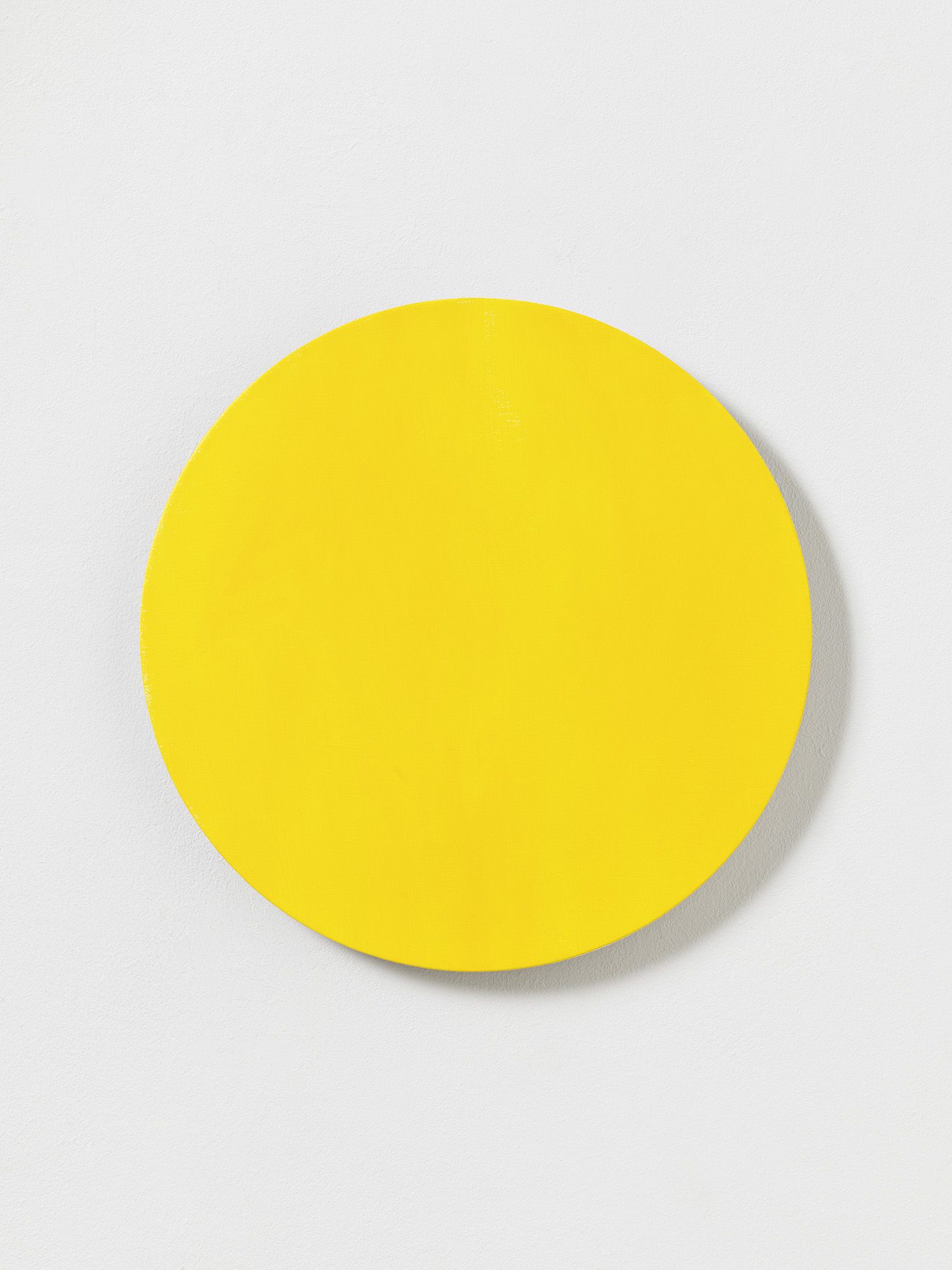
Monika Sprüth and Philomene Magers are pleased to present a duo exhibition with works by Richard Artschwager and Gary Hume, marking the first time their work has been brought into dialogue. For this show—the first at the New York gallery for each artist—Hume selected his works in direct response to Artschwager’s. The work of both artists circles the same fundamental problem: what an object, or an image, becomes when its surface is the subject. Hume’s signature use of high-gloss household paint on aluminum carries light rather than depicts it, implicating the viewer and their surroundings into the image itself. Artschwager set out to make “paintings for the touch” and “sculptures for the eye,” constructing works from commercial materials and casting familiar domestic objects at distorted scales and unexpected configurations that deliberately blur the boundary between painting and sculpture. Where Hume’s paintings insist on their own surface, Artschwager’s objects insist on their own ambiguity; both complicate the act of seeing.
Richard Artschwager / Gary Hume
April 15–May 22, 2026
Public Reception: Tuesday, April 14, 6–8pm
New York
Be the first to know!
Subscribe to receive newsletters on our artists, exhibitions, fairs, events, and more.
I am interested in:
You can withdraw your consent at any time by clicking the unsubscribe link in the newsletter. The newsletter is sent in accordance with our Privacy Policy, which outlines how we process your data.
This site uses cookies to improve user experience. By clicking “Accept” you consent to our use of cookies. Further information can be found in our Cookie Policy.
To provide the best experiences, we use technologies like cookies to store and/or access device information. Consenting to these technologies will allow us to process data such as browsing behavior or unique IDs on this site. Not consenting or withdrawing consent, may adversely affect certain features and functions.